



Mahogany Wood Mirror
A mahogany wood mirror brings rich timber tones and crisp glass to a room, spanning wall-hanging plates to floor-standing cheval designs.
Mahogany Wood Mirror
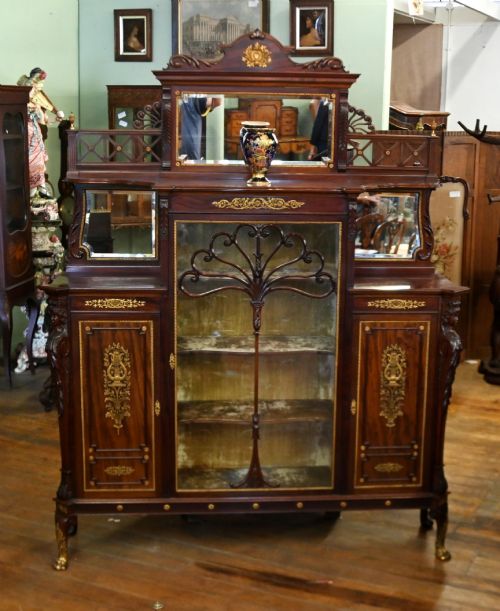
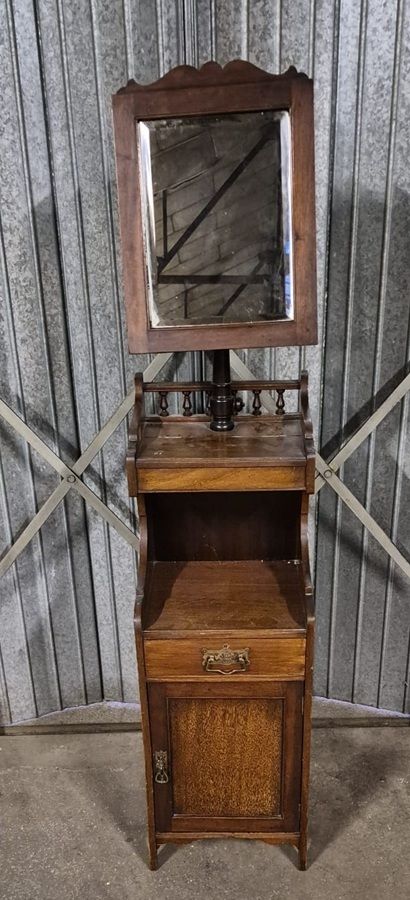
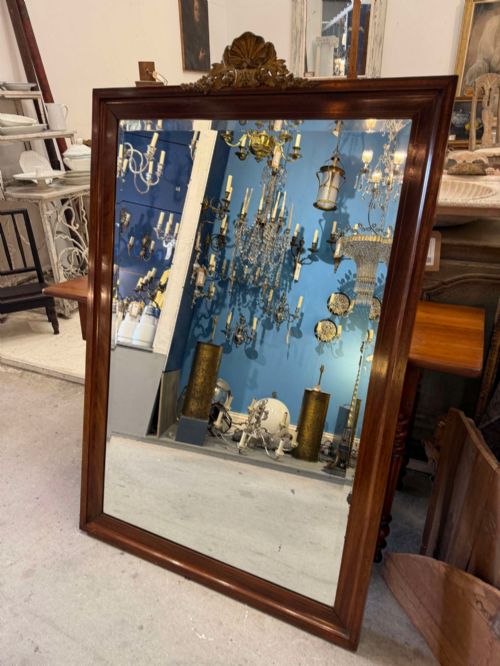
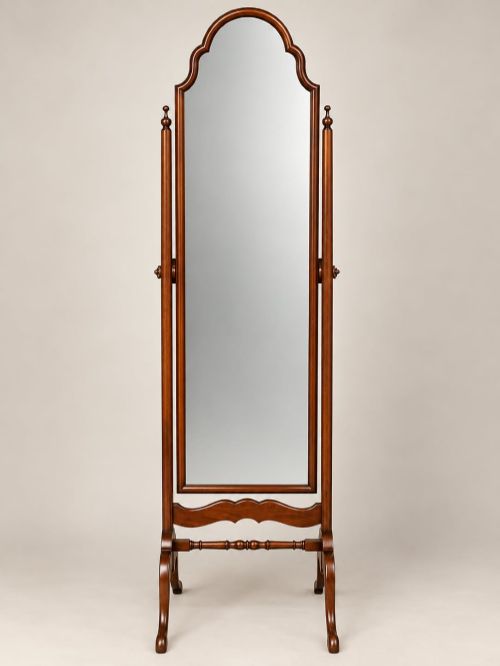
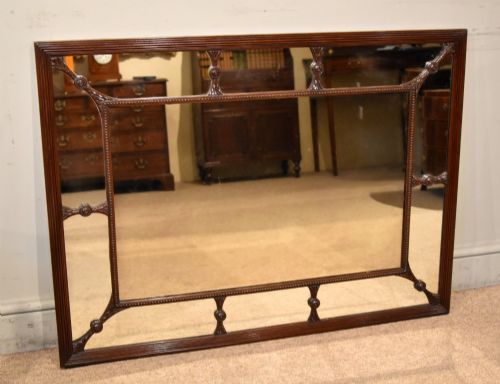
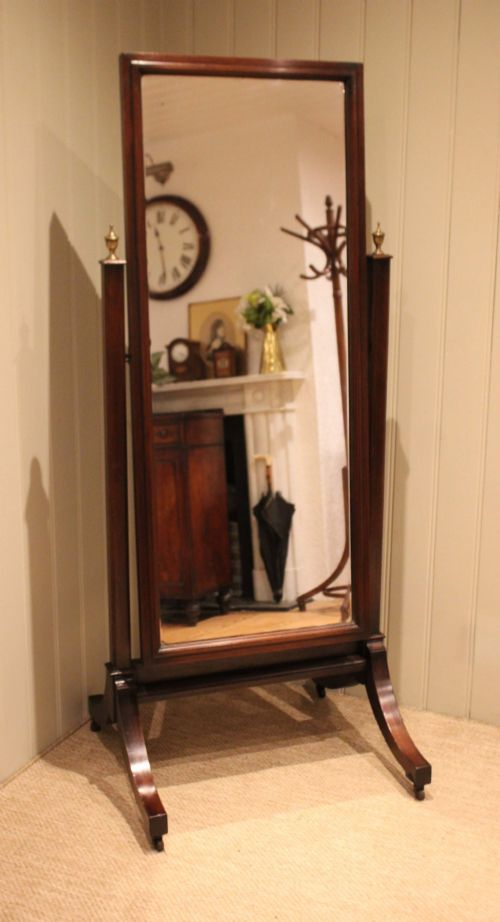
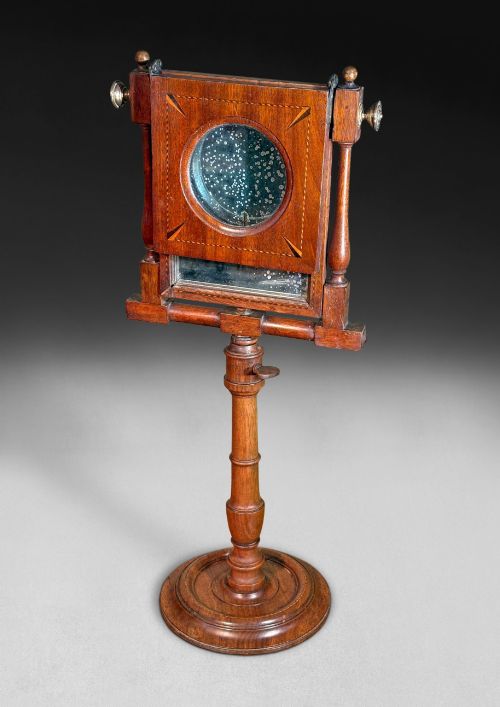
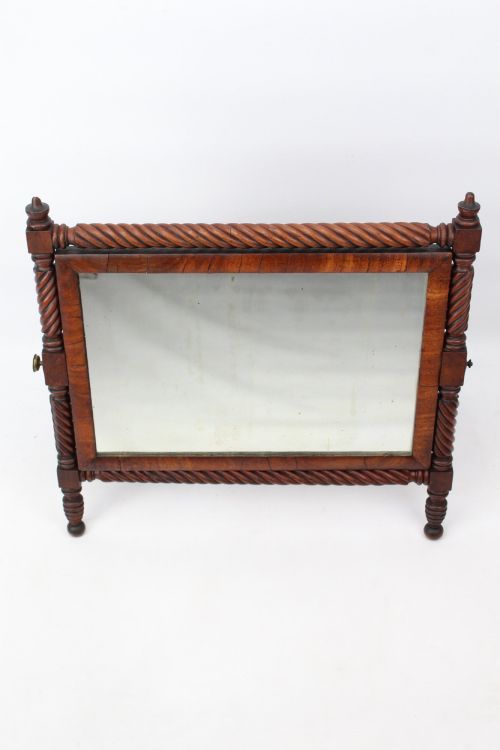
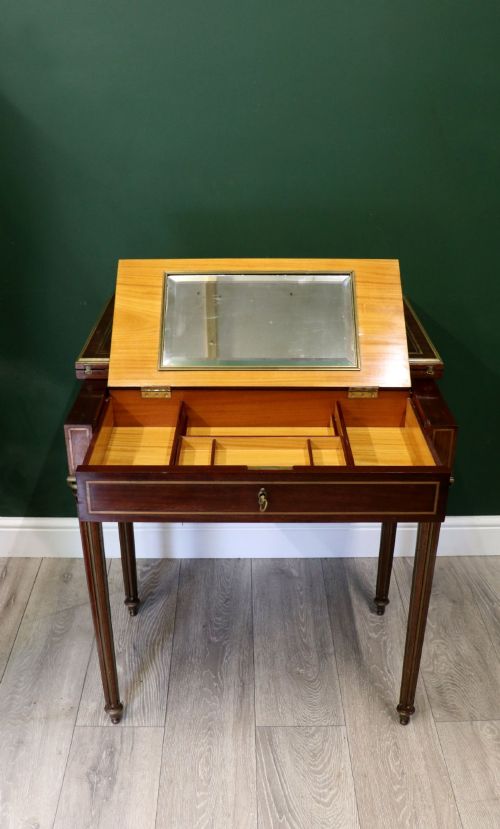
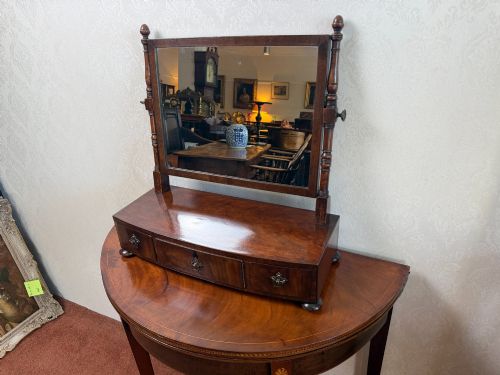
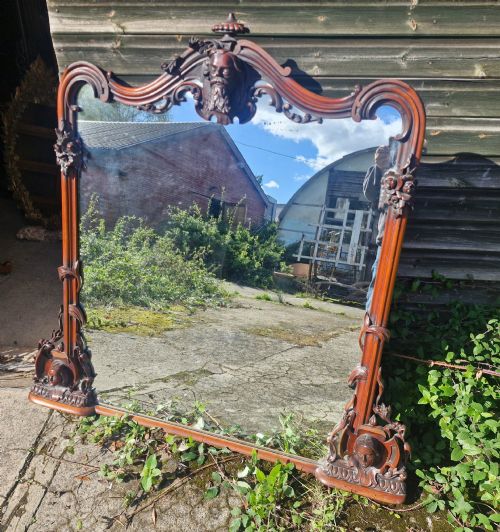
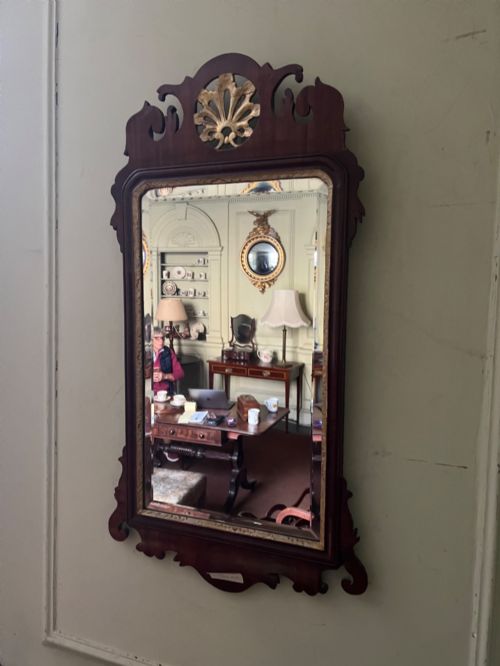
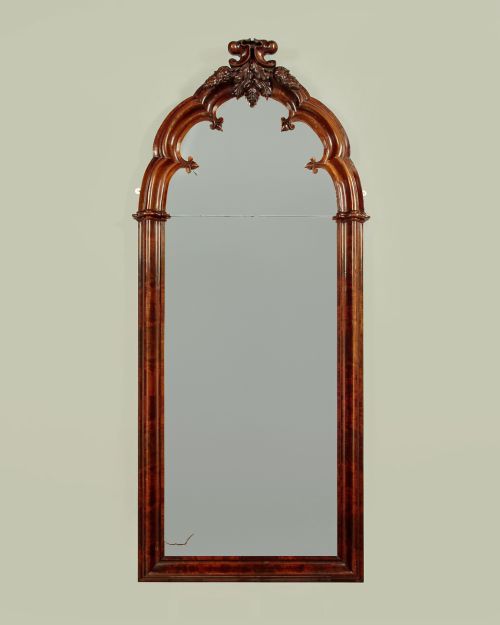
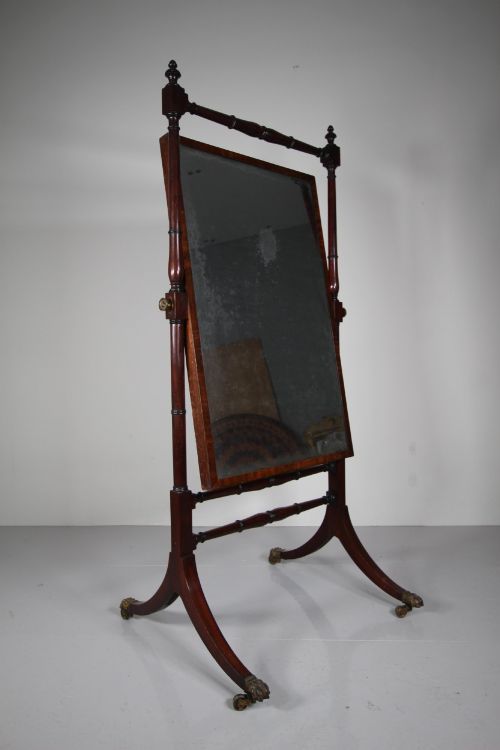
A mahogany wood mirror appears in several distinct forms across this collection, ranging from compact tabletop dressing glasses to large floor-standing cheval mirrors designed for bedrooms and dressing rooms. Wall mirrors also figure prominently, taking shapes from simple Georgian fretwork frames to arched pier mirrors intended for placement above console tables or sideboards.
The pieces span multiple eras, with Victorian, Georgian, Edwardian and Regency examples dominating the selection. Buyers will frequently encounter swing dressing mirrors resting on box bases fitted with small drawers, alongside monumental cheval frames pivoting on sturdy floor stands.
Materials and Construction
Makers utilised solid mahogany and rich veneers applied to secondary structural timbers, sometimes incorporating parcel-gilt details, brass pivots or candle sconces. Glass plates were set into rebated frames, occasionally retaining their original silvering or showing the subtle distortions characteristic of older manufacturing methods.
Carved ornament relies on traditional techniques such as fretting out scrollwork, applying gilt gesso highlights, or turning upright supports for pivoting table and floor mirrors.
Mahogany Wood Mirror Retail Price Guide 2026
Typical asking prices for mahogany wood mirror among the pieces listed under this phrase on Sellingantiques today, from the lower quarter to the upper quarter. They describe what is for sale here now, not the wider market.
Listings feature mahogany wood mirror examples spanning the Georgian, Regency, Victorian, and Edwardian periods, utilising brass, giltwood, and glass.
Distinctions in Quality
The measure of quality in a mahogany wood mirror lies in the depth of the timber figure, the crispness of carved fretwork details such as gilded birds or scroll ears, and the structural integrity of the frame joints. Superior examples display carefully matched grain patterns and substantial brass hardware that operates smoothly without excessive play.
Proportion and execution set finer pieces apart from standard workshop production, with balanced sightlines and hand-carved mouldings indicating superior cabinet-making traditions.
Gillow·P & MA Nicholson
The Mahogany Wood Mirror Glossary
- Cheval mirror
- A large floor-standing mirror mounted on a vertical frame with pivots that allow the glass to tilt. These tall dressing glasses became popular during the Regency and Victorian periods.
- Fretwork
- Openwork carving produced by cutting intricate patterns through thin timber boards. This technique defines many Georgian and Chippendale style wall mirrors.
- Pier mirror
- A tall mirror specifically proportioned to fit the wall space between windows, often placed directly above a pier table or console.
- Parcel-gilt
- Partially gilded woodwork where gold leaf highlights specific carved elements such as mouldings, inner bezels, or applied ornaments against a dark mahogany ground.
Mahogany Wood Mirror: Frequently Asked Questions
How do I date a mahogany wood mirror?
Dating relies on examining construction methods, timber selection, edge bevelling on the glass, and the specific decorative vocabulary of periods like Georgian, Regency or Victorian.
Secondary woods behind the frame and the style of brass screws or pivot pins provide additional clues to the era of manufacture.
Where should I hang a wall mirror?
Wall-hanging pieces work effectively above mantelpieces, sideboards, or console tables where they reflect light and anchor the visual weight of furniture.
Ensure wall fixings match the substantial weight of solid timber frames and plate glass.
What is the difference between a cheval and dressing mirror?
A cheval mirror stands independently on the floor and is tall enough to show a full-length reflection of a person.
A dressing mirror is smaller, designed to sit upon a dressing table, chest, or sideboard.
How do I care for antique mahogany frames?
Maintain the finish by dusting with a dry, soft cloth and avoiding direct sunlight or damp environments that can affect the timber and silvering.
Occasional applications of appropriate wax preserve the moisture and sheen of the wood surface.