


Mahogany Wood Chairs
When buying mahogany wood chairs, collectors choose from dining sets, armchairs, and hall pieces spanning the Georgian, Victorian, and Edwardian periods.
Mahogany Wood Chairs
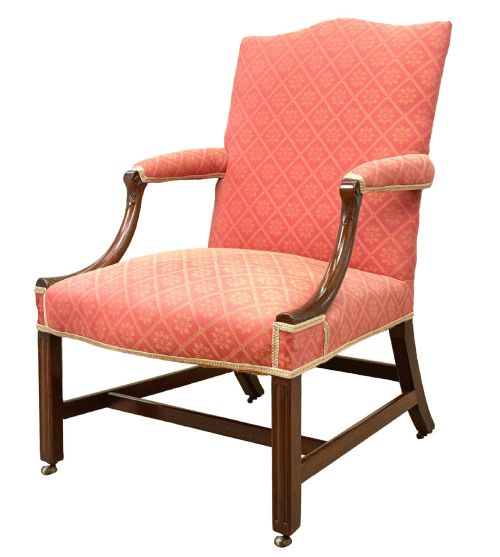
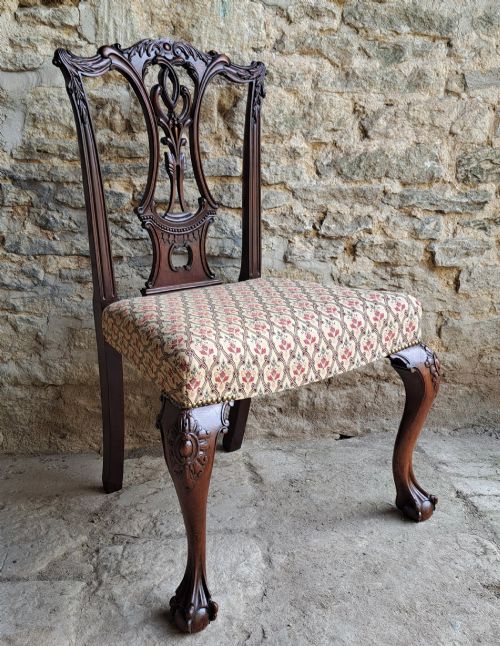
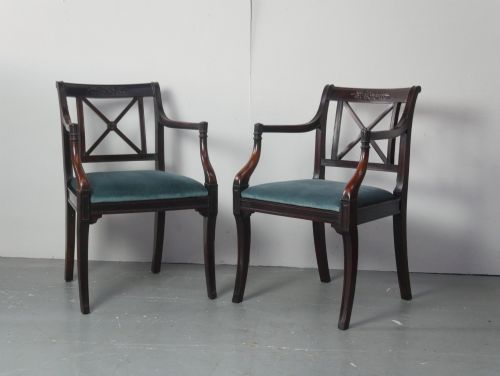
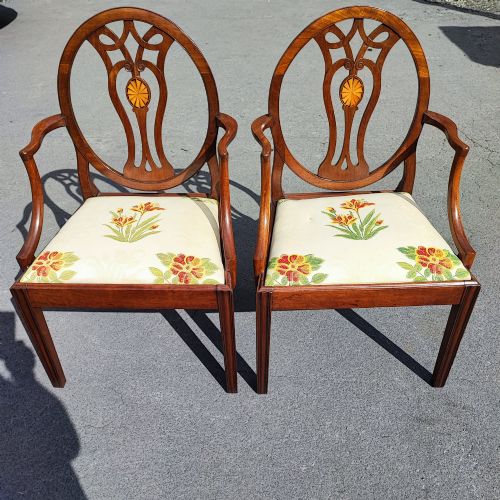
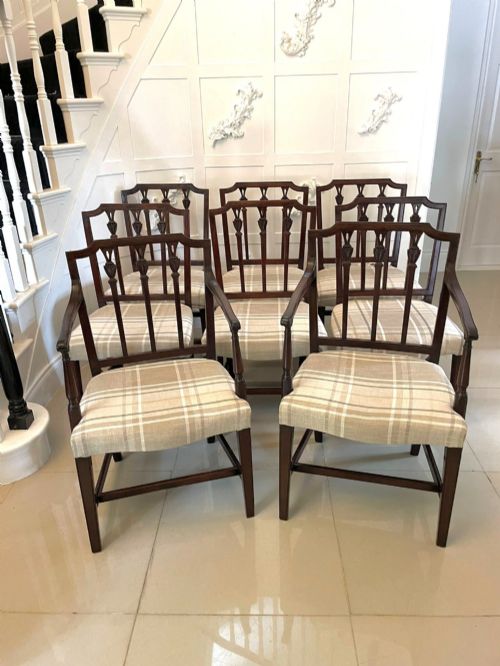
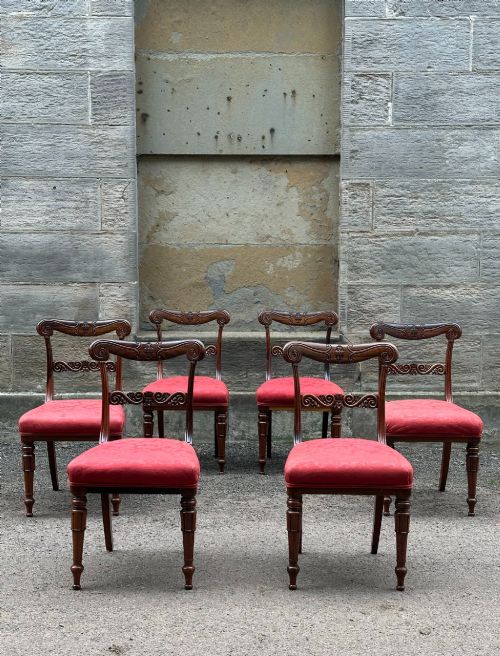
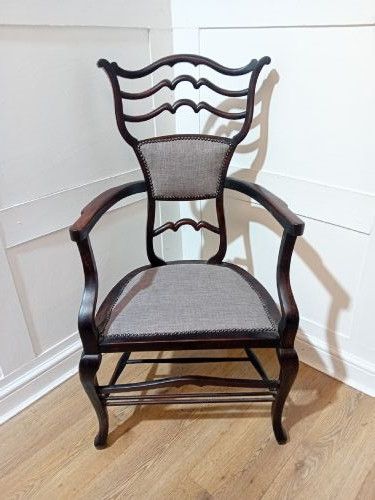
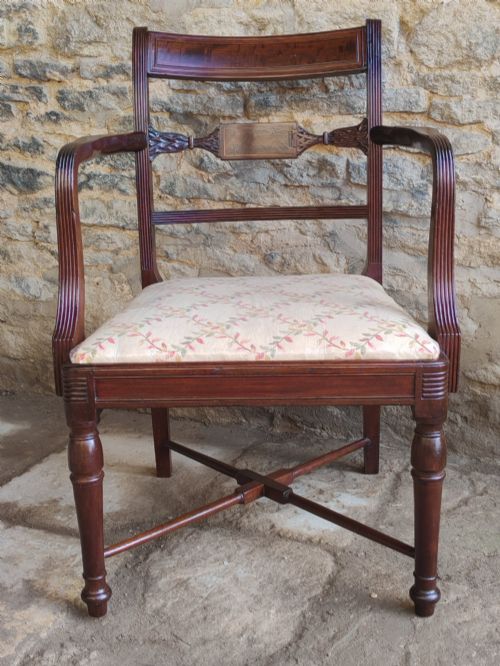
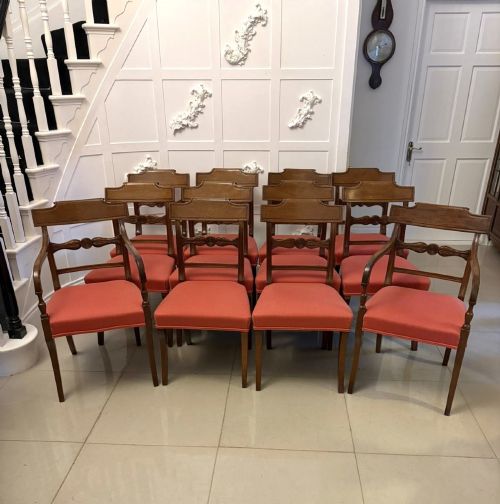
Mahogany wood chairs encompass a wide variety of seating forms designed for dining rooms, libraries, and parlours across the eighteenth, nineteenth, and early twentieth centuries. Buyers frequently encounter matched or large sets of dining chairs alongside single carvers, hall chairs, and specialised desk or music seats.
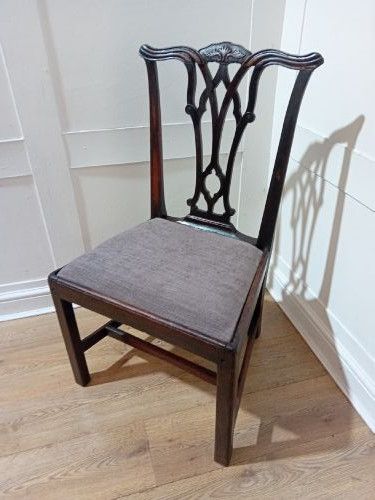
The surviving inventory reflects the shifting domestic fashions of distinct eras, ranging in style from formal Georgian Chippendale and Regency designs to ornate Victorian balloon backs and Edwardian inlaid salon suites. These seats served practical functions in period homes, evolving from heavy timber frames to lighter, upholstered reception furniture.
How they were made
Cabinetmakers constructed these frames primarily using solid mahogany, frequently pairing the dense primary timber with secondary woods such as satinwood, fruitwood, and rosewood for contrasting inlay and banding. Joinery relied on traditional mortise and tenon techniques to ensure structural stability under daily use.
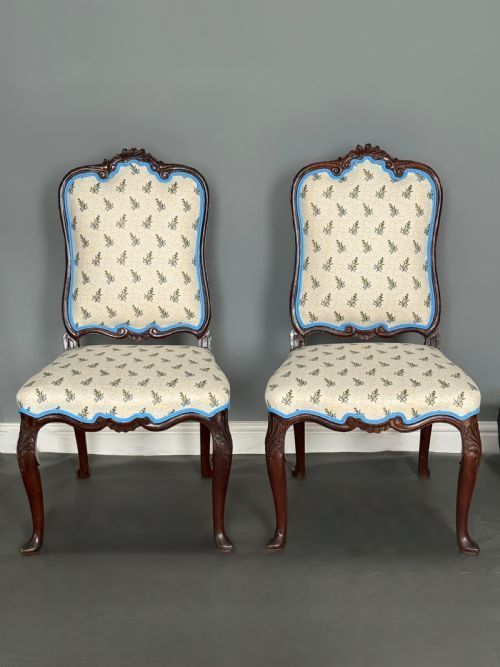
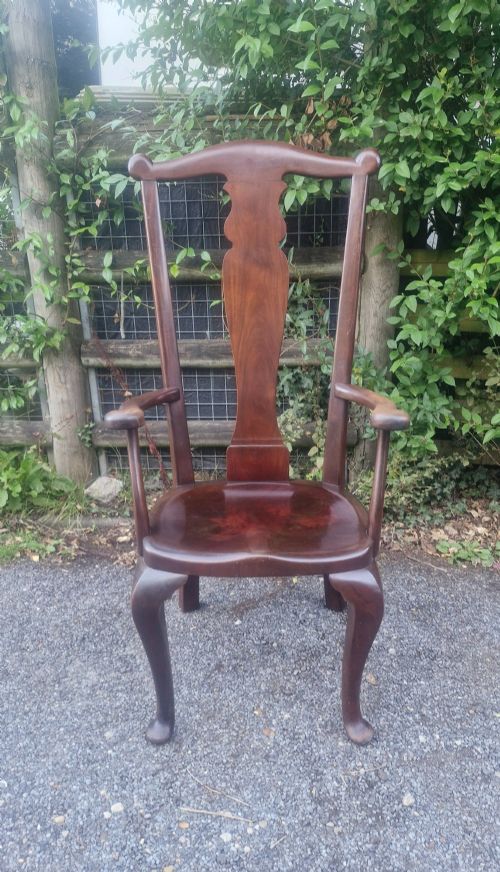
Upholstered versions incorporated stuffing covered in textiles, leather, velvet, or brocade, while other forms utilised cane seating or exposed carved wooden splats. Finer examples featured delicate marquetry, brass accents, and hand-turned or sabre legs.
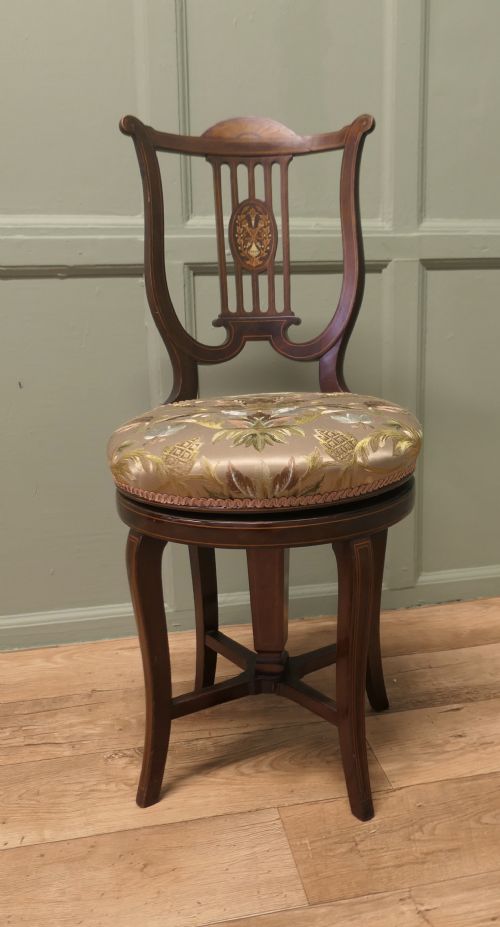
Some nineteenth-century musicians required specialised revolving harpist and cello chairs to perform comfortably.
What varies in quality
The calibre of a piece is determined by the crispness of its hand-carved details, the figuration of the mahogany grain, and the integrity of the original construction. Superior examples maintain matching grain patterns across sets and exhibit precise inlay work without replacement structural members.
Chairs that retain their original surfaces, finishes, and period upholstery show greater craftsmanship than later revivals or heavily restored pieces. Proportion, balance, and the weight of the timber further distinguish workshop production from standard commercial output.
Jennens And Bettridge·Gillows
The Mahogany Wood Chairs Glossary
- Carver
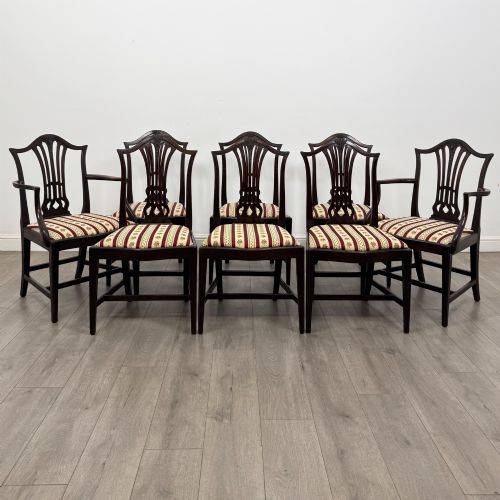
- An armchair, usually designed with open arms to match a set of smaller dining side chairs. These were typically placed at the head of a dining table.
- Balloon back
- A rounded, oval-shaped chair back popular during the Victorian period. This profile mimics the silhouette of a hot air balloon.
- Splat
- The vertical wooden strip down the centre of a chair back. It often takes carved forms such as a ladder, shield, or lyre.
- Show wood
- The exposed polished timber frame on an upholstered armchair or sofa. This highlights the quality of the mahogany beneath the fabric.
- Marquetry
- Decorative inlay work using various woods to create pictorial or geometric patterns. It is frequently seen on Edwardian and Sheraton revival pieces.
Mahogany Wood Chairs: Frequently Asked Questions
How do I date a mahogany chair?
Dating relies on identifying characteristic stylistic details, joinery methods, and secondary woods used within the frame. Georgian pieces display different proportions and carving styles compared to later Victorian or Edwardian revivals.
Examining the wear patterns and structural construction helps confirm whether a chair belongs to the eighteenth century or a later nineteenth-century interpretation.
Were these chairs used only for dining?
While dining sets form a large portion of surviving pieces, many variations served entirely different household functions. Specialised forms include library desk chairs, music stools, hall chairs, and heavy salon armchairs.
Each specific form was built for a designated room, from the formal reception spaces to private dressing rooms and studies.
How should I care for antique mahogany wood?
Maintaining these wooden surfaces requires protecting them from direct sunlight and extreme humidity fluctuations, which can cause timber to split or warp. Regular dusting with a dry cloth keeps the finish clean without damaging the patina.
Harsh chemical polishes should be avoided in favour of traditional beeswax applied sparingly to nourish the antique timber.
What is the difference between a side chair and a carver?
Side chairs are compact, armless seats built to fit neatly around a dining table in multiples. Carvers are wider armchairs traditionally positioned at the ends of the table for the host and hostess.
Many antique dining sets comprise a core group of single side chairs accompanied by a matching pair of armed carver chairs.