





Mahogany Wine Box on Stand
A mahogany wine box on stand is a sturdy, timber-built vessel designed to chill bottles, combining practical utility with refined cabinet-making.
Mahogany Wine Box on Stand
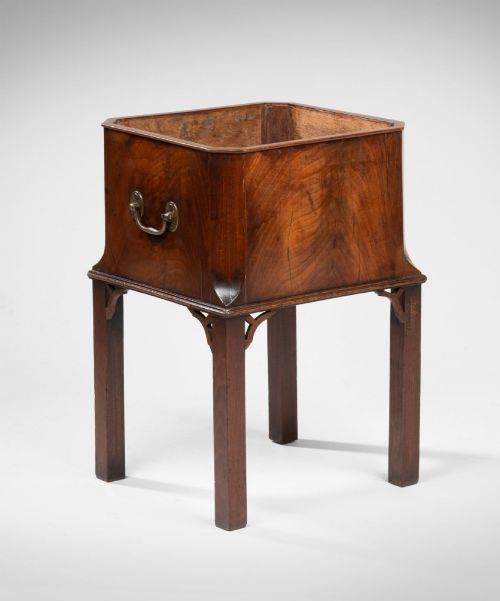
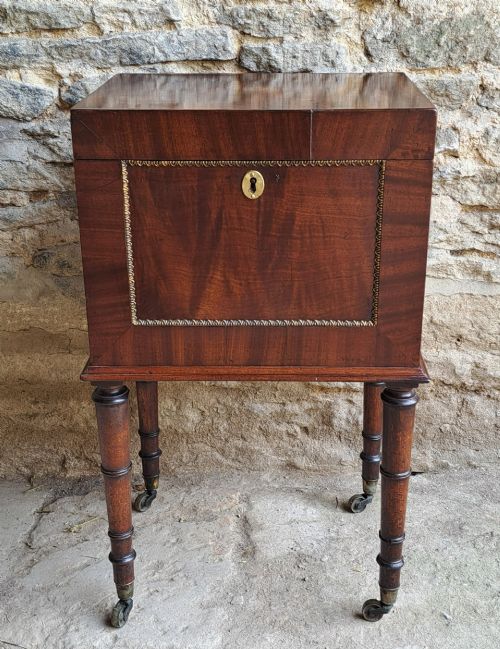
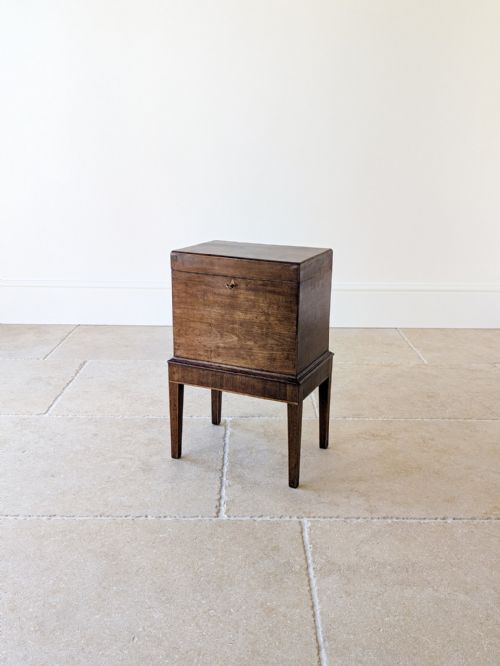
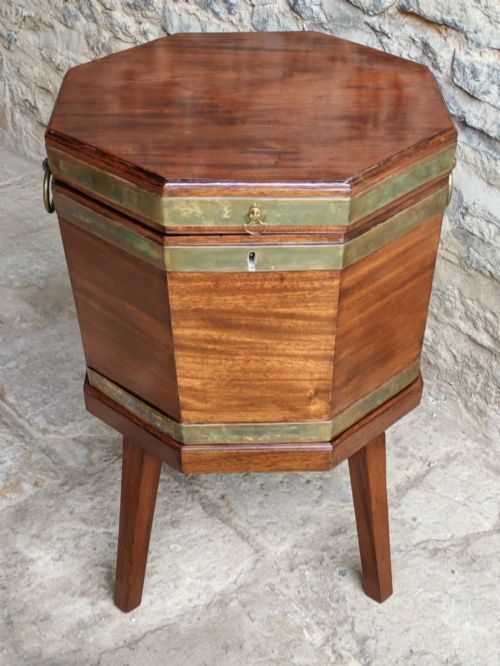
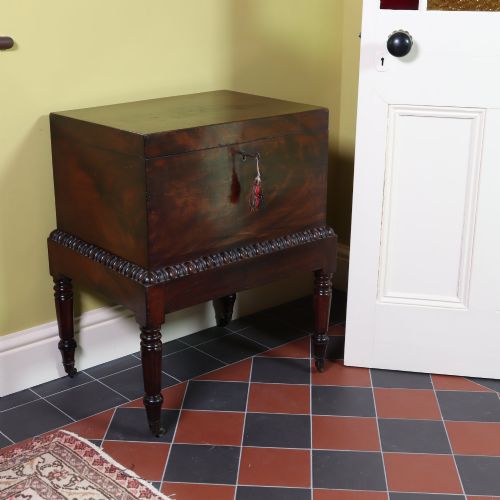
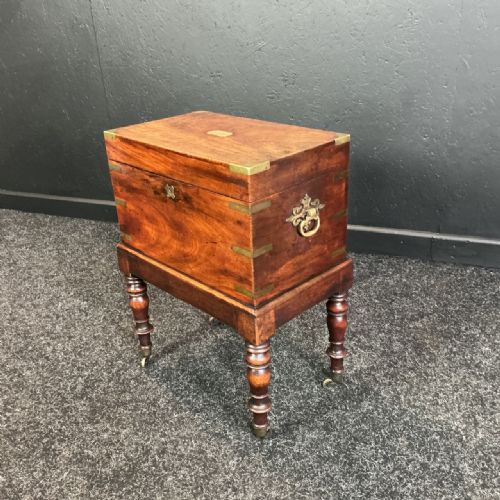
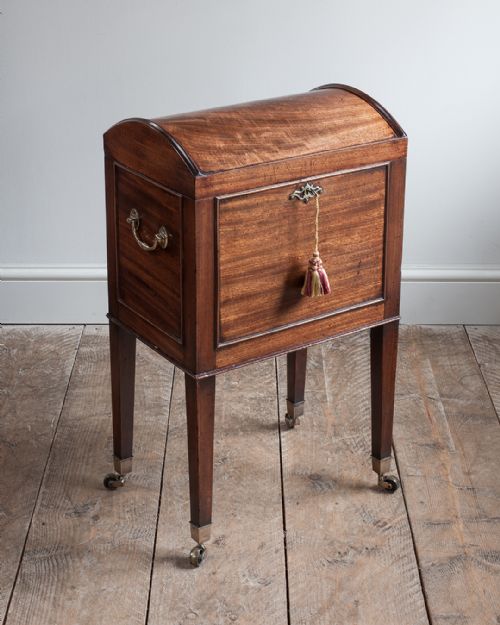
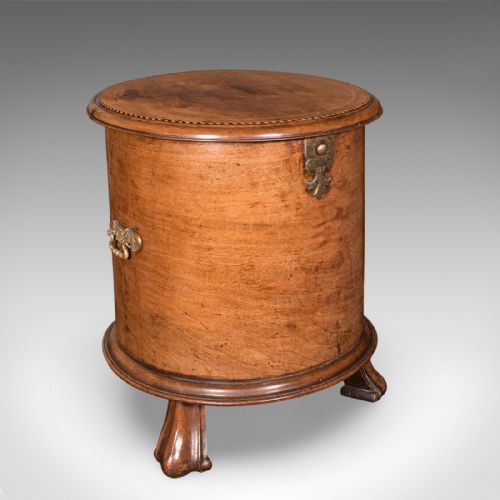
A mahogany wine box on stand typically manifests as a cellarette, wine cooler, or occasional table designed for holding bottles during meals. The examples on this page span the Georgian, 18th century, and Regency periods, stretching into later 19th-century and 1920 interpretations.
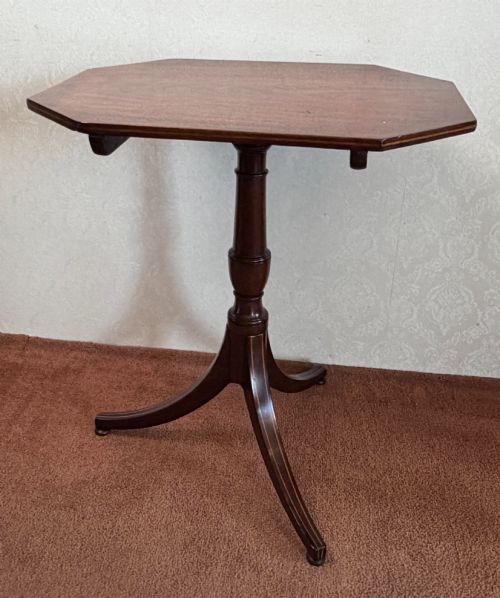
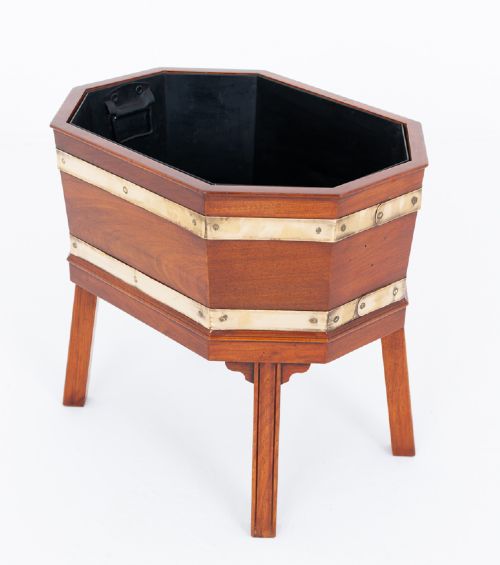
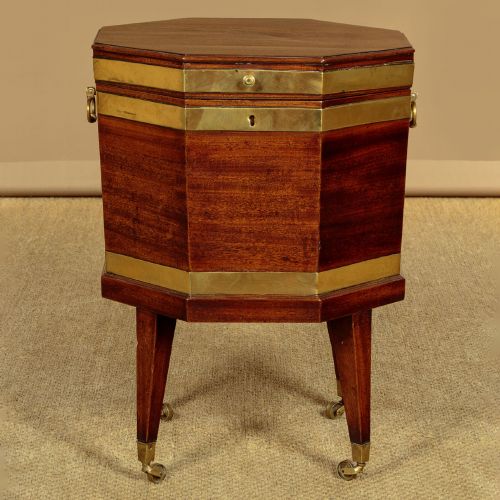
Buyers will most frequently encounter George III period designs, which often take octagonal or oval shapes fitted with metal bands and standing upon dedicated legs or tripod bases. These objects served dining rooms by keeping bottles cool and accessible before the advent of domestic refrigeration.
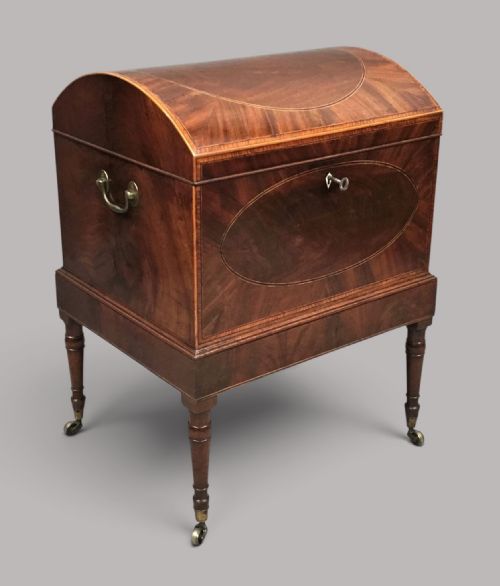
Makers utilised resilient hardwoods such as mahogany and walnut, occasionally incorporating satinwood inlay or boxwood details to elevate the visual appeal of the stand or box. The integration of brass fittings and ormolu mounts further distinguishes these functional serving pieces.
How they were made
Cabinet-makers constructed the primary body of each wine box from solid or veneered mahogany, often selecting flame mahogany to highlight the natural grain patterns of the timber. Metal bands in brass were then fitted tightly around the perimeter to reinforce the stave-built or panelled sides against moisture and weight.
Stands and tripod bases were turned or carved from matching hardwoods, sometimes featuring delicate boxwood inlay or delicate stringing to the legs and top. Interior compartments were occasionally lined with zinc or metal to hold ice and bottles securely without damaging the surrounding wood.
Mahogany Wine Box on Stand Retail Price Guide 2026
Typical asking prices for mahogany wine box on stand among the pieces listed under this phrase on Sellingantiques today, from the lower quarter to the upper quarter. They describe what is for sale here now, not the wider market.
Listings on this site demonstrate that mahogany is the predominant timber utilised, frequently accented with brass, ormolu, and boxwood inlay across Georgian and Regency periods.
What varies in quality
Quality rests significantly upon the depth of the mahogany's patina and the crispness of the cabinet work, particularly around the mitred joints and fitted stands. Pieces retaining their original stands demonstrate higher integrity than those paired with later or associated supports.
The sophistication of the brass work, including cast handles, hinges, and structural binding, separates standard utility items from finer formal dining room pieces. Selection of figured timber, such as flame mahogany or subtle satinwood inlay, elevates the visual presence of the box.
The Mahogany Wine Box on Stand Glossary
- Cellarette
- A lockable container or box used for storing and cooling wine bottles in the dining room. These vessels frequently sat on floor stands or incorporated short legs.
- Patina
- The surface sheen and mellowing developed by mahogany timber over decades of handling, polishing, and exposure to light. A rich patina indicates age and careful maintenance.
- Ormolu
- Gilt-bronze mounts applied to furniture and wooden boxes for decorative enrichment. This technique adds metallic contrast against dark mahogany surfaces.
- Teapoy
- A small box or chest designed for holding tea caddies, occasionally mounted on a pillar and tripod base. They share similar construction methods with small cellarettes.
- Tripod-base
- A support structure featuring three legs radiating from a central pillar. This format appears on several tables and stands associated with serving vessels.
Mahogany Wine Box on Stand: Frequently Asked Questions
How were these wine boxes used?
These boxes held wine bottles alongside ice or cold water to maintain serving temperatures during lengthy historical dinners. They functioned as portable predecessors to the modern refrigerator.
Servants would retrieve bottles from the lined interior as needed throughout the meal. The sturdy construction and metal banding accommodated the heavy weight of wet timber and glass.
How do I tell Georgian periods apart?
Georgian pieces generally span the eighteenth and early nineteenth centuries, reflecting shifts from robust proportions to more refined Regency aesthetics. Early examples often showcase simple mahogany construction with solid brass binding.
Later Regency interpretations incorporate crisper classical lines, ormolu mounts, or intricate inlay work. Examining the joinery and timber selection helps establish the chronological window.
Are the stands original to the boxes?
Many surviving wine boxes retain their original stands or tripod bases, which were designed specifically to match the proportions of the main body. Original pairs share consistent timber ageing and wear patterns.
Some pieces have been united with associated stands over time. Checking the mounting points and wood coloration helps confirm whether the stand and box began life together.