




Georgian Wine Pedestal Box
A georgian wine pedestal box brings centuries of formal dining heritage straight into the room, holding bottles with heavy timber grace and classical proportion.
Georgian Wine Pedestal Box
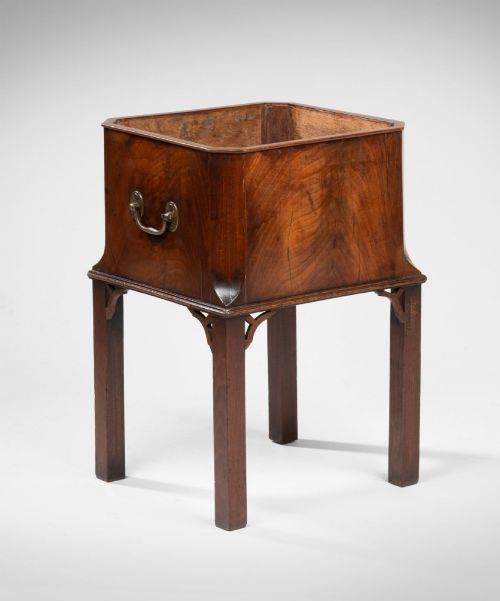
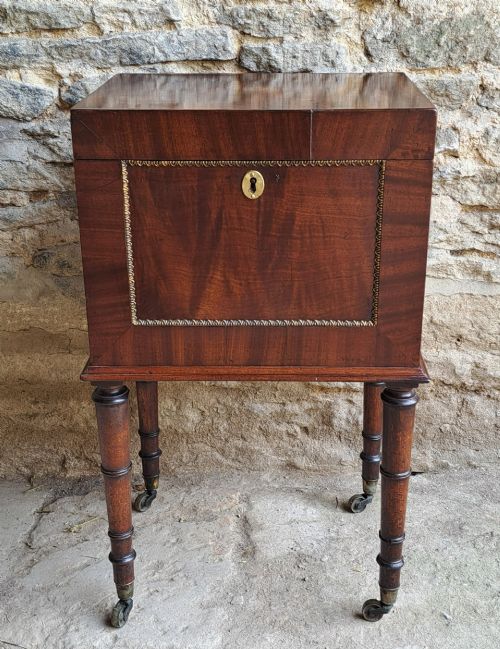
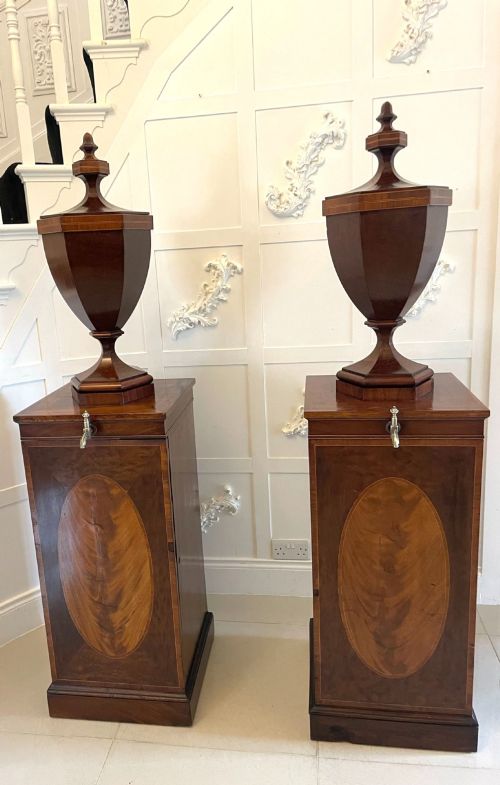
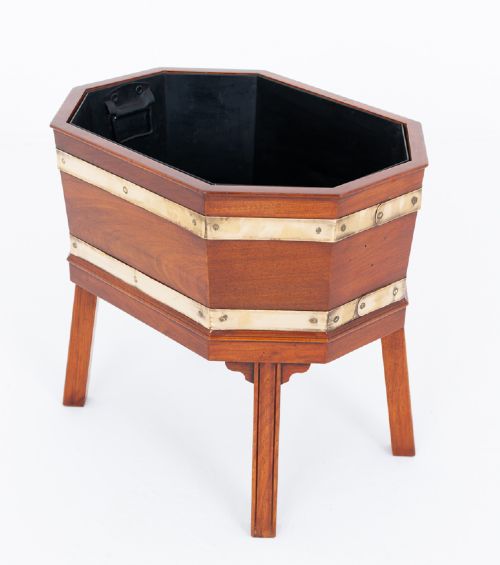
Buyers searching for a georgian wine pedestal box encounter robust wooden vessels designed to chill or store wine during eighteenth and nineteenth-century dining. These forms range from freestanding pedestal cupboards holding inlaid urns to cellarettes and wine coolers built to sit beneath sideboards.
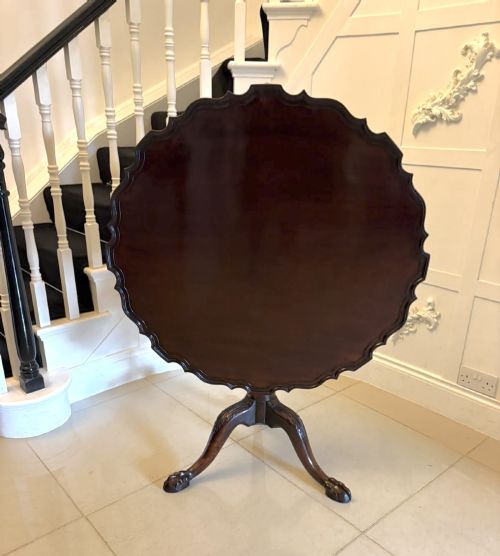
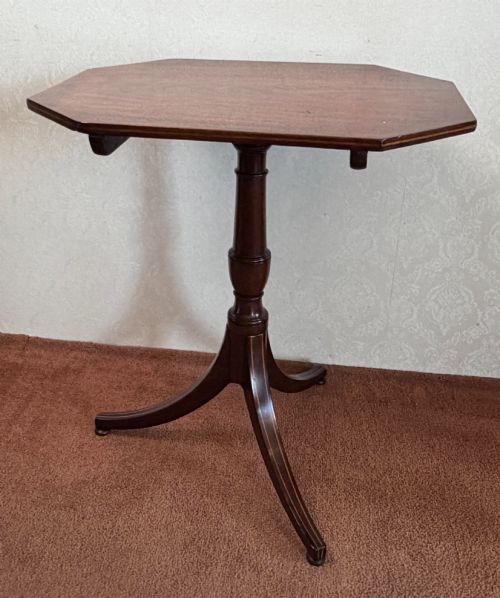
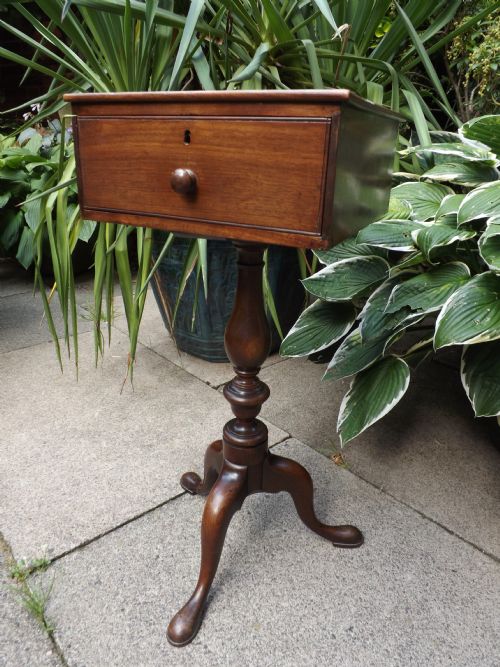
The versions most frequently met on this page span the Georgian, Regency, and William IV eras, constructed primarily in mahogany with occasional satinwood highlights. Alongside traditional coolers, the selection includes related tripod tables and jardinieres that share the same period timber vocabulary.
Construction and materials
Cabinetmakers built these pieces using solid and veneered mahogany, frequently incorporating boxwood inlay and ormolu mounts to define the classical outlines. Surface decoration often relies on precise stringing and marquetry, while structural stability is provided by tripod bases and fitted pedestal cupboards.
Metal linings appear where vessels functioned to hold ice and bottles, paired with brass handles and feet that manage the substantial weight of the timber. Joinery reflects the high standards of eighteenth and nineteenth-century workshops, balancing decorative brasswork with structural durability.
Georgian Wine Pedestal Box Retail Price Guide 2026
Typical asking prices for georgian wine pedestal box among the pieces listed under this phrase on Sellingantiques today, from the lower quarter to the upper quarter. They describe what is for sale here now, not the wider market.
Listings feature mahogany as the primary timber, complemented by boxwood inlay, satinwood, and ormolu across Georgian and Regency periods.
Judging the quality
Quality rests in the crispness of the timber carving and the fidelity of period details like boxwood inlay and ormolu mounts. Finer examples display carefully chosen grain patterns in the mahogany and balanced proportions across the pedestals or urns.
The integration of original mounts and the condition of interior linings distinguish higher-tier items from later revivals. Pieces retaining their original stands and uncompromised structural joinery command greater appreciation among collectors.
The Georgian Wine Pedestal Box Glossary
- Cellaret
- A lockable container used for storing wine bottles near the dining table. They frequently feature lead linings for cooling with ice.
- Ormolu
- Gilded bronze ornamentation applied to furniture and decorative objects. It provides bright metallic contrast against dark mahogany surfaces.
- Inlay
- A decorative technique where contrasting woods like boxwood and satinwood are inserted into recesses in the primary timber. This creates geometric or floral patterns.
- Tripod Base
- A three-legged support structure commonly found on nineteenth-century tables and stands. It offers balanced footing on uneven floors.
- Pedestal Cupboard
- An enclosed wooden base designed to support an urn or vessel above. These units often conceal interior shelving or bottle racks.
Georgian Wine Pedestal Box: Frequently Asked Questions
How were these pieces used originally?
Dining customs of the Georgian and Regency periods required wine to be kept close at hand but out of sight until needed. Servants loaded the compartments with ice and bottles to keep vintages chilled before serving.
They stood beside the dining table or beneath sideboards, functioning as both functional storage and visible symbols of household status.
How do I date a wine pedestal box?
Dating relies on examining the timber species, construction methods, and stylistic vocabulary such as George III neoclassical details or William IV proportions. Mahogany was the dominant wood, but the introduction of ormolu mounts or specific inlay patterns helps narrow the decade.
Comparing the hardware, such as brass handles and hinges, with documented period examples confirms the era of manufacture.
Where should I place one at home?
These pieces suit dining rooms, living spaces, or studies where their architectural timber presence can anchor a room. Tall pedestal forms work well in corners or flanking doorways, while low cellarettes serve effectively as occasional tables.
They require stable indoor humidity to protect aged mahogany and delicate boxwood inlay from drying out.