

Mahogany Wall Hanging
Mahogany wall hanging pieces bring warm timber tones and practical display to vertical spaces through Georgian and Victorian cabinets, shelves, and mirrors.
Mahogany Wall Hanging
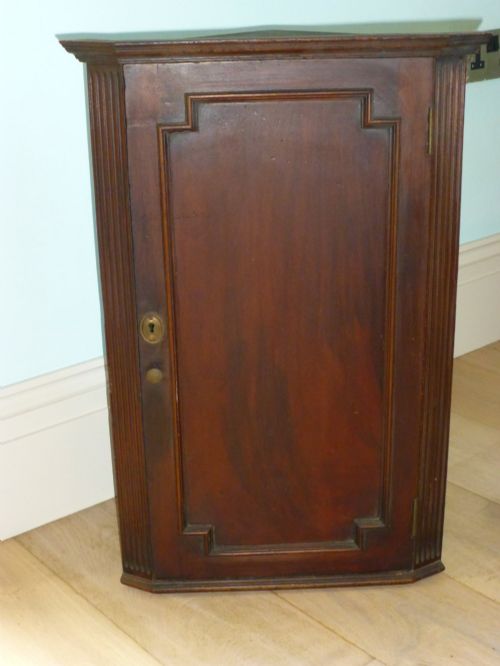
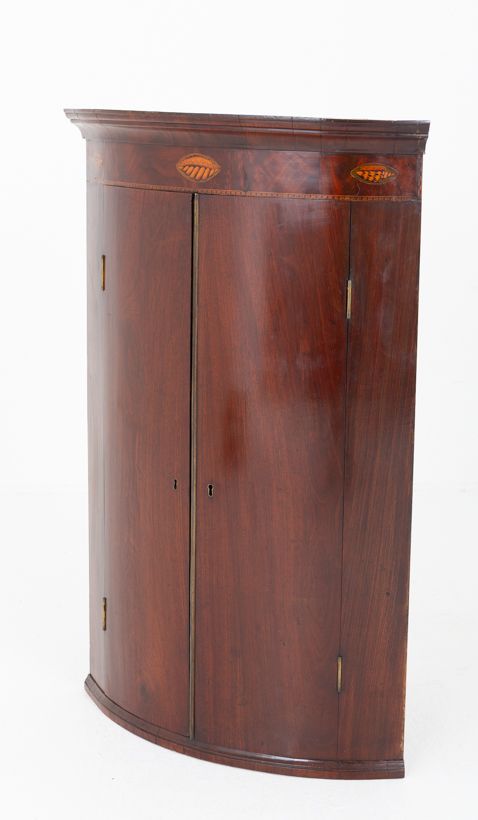
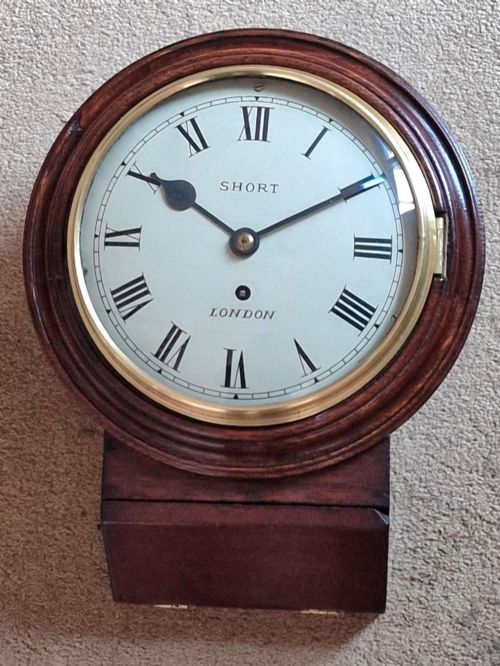
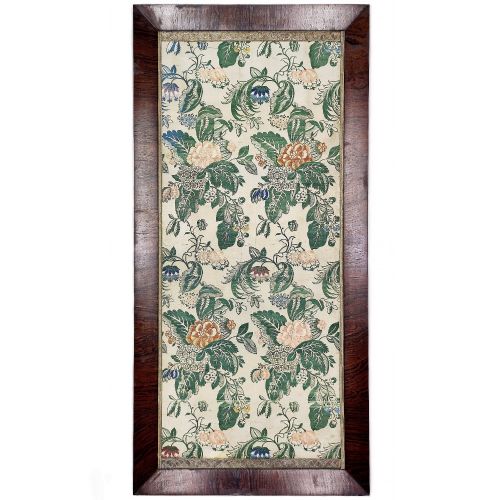
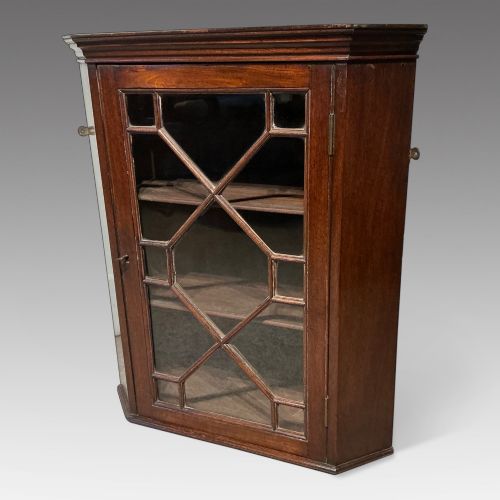
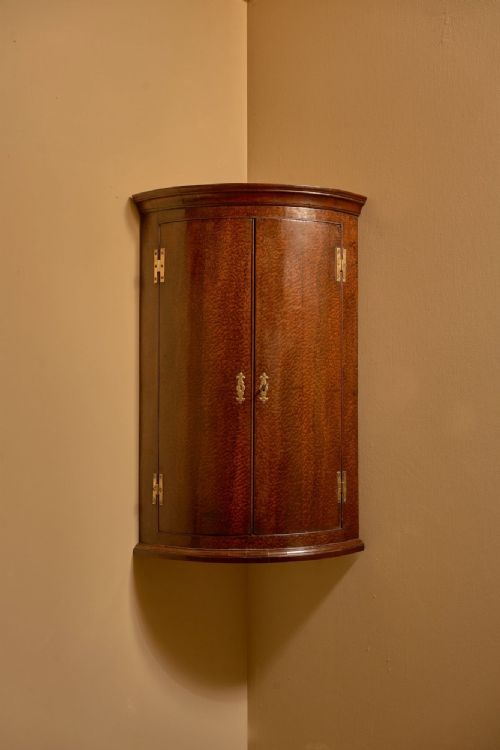
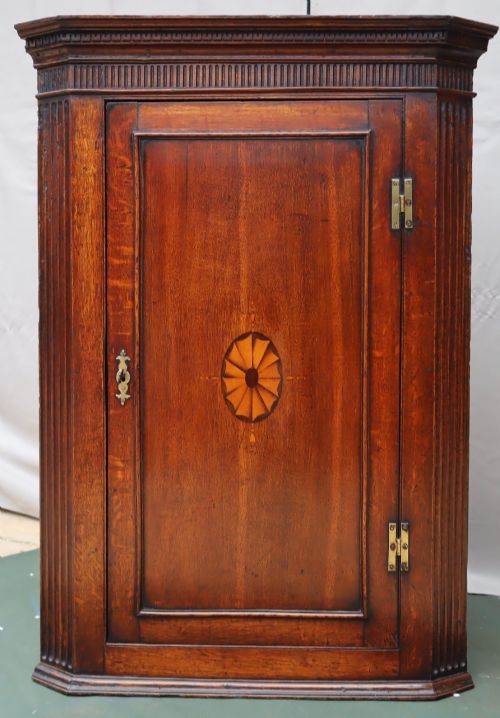
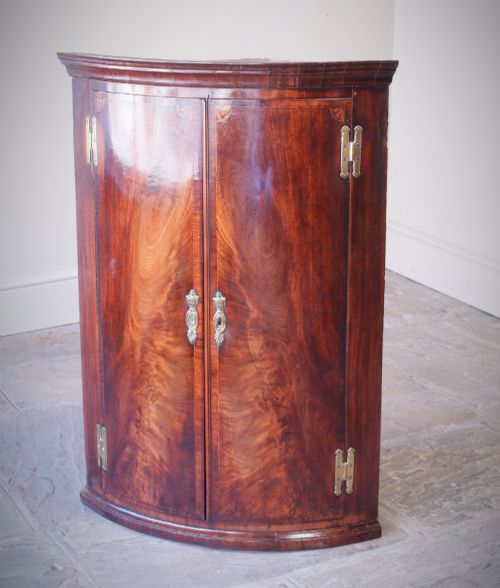
When you search for mahogany wall hanging, you encounter a variety of functional domestic objects designed to mount securely on interior walls. The most frequently seen examples on this page are corner cupboards and hanging cabinets originating from the Georgian and Victorian periods, often featuring bow fronts and glazed doors.
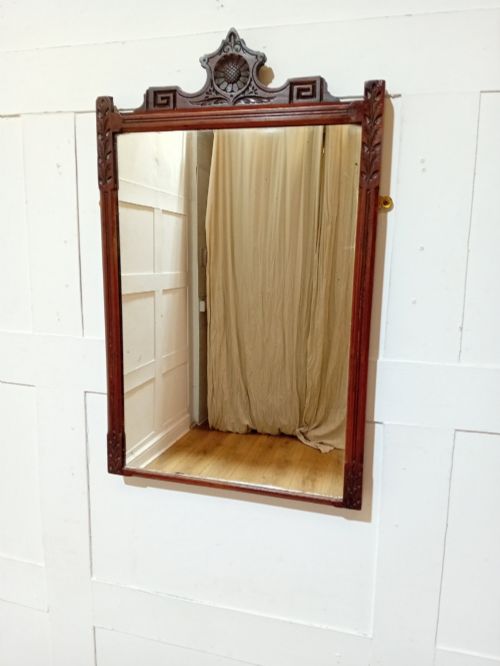
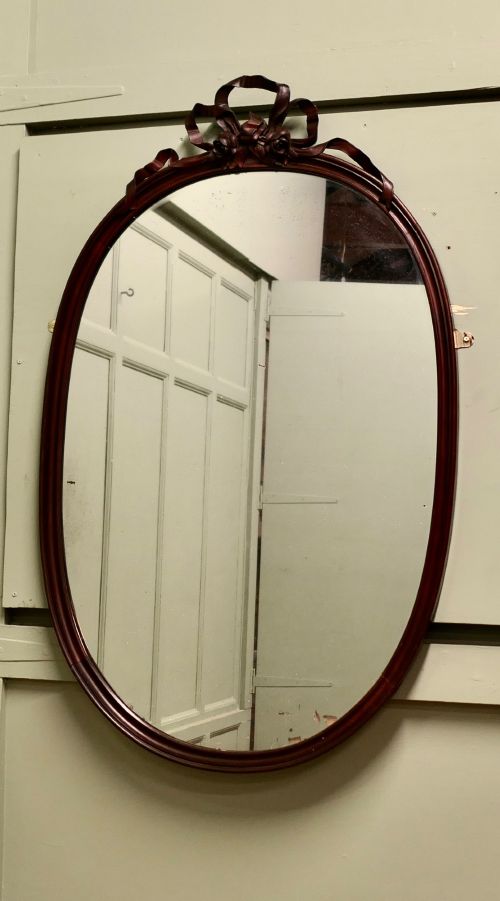
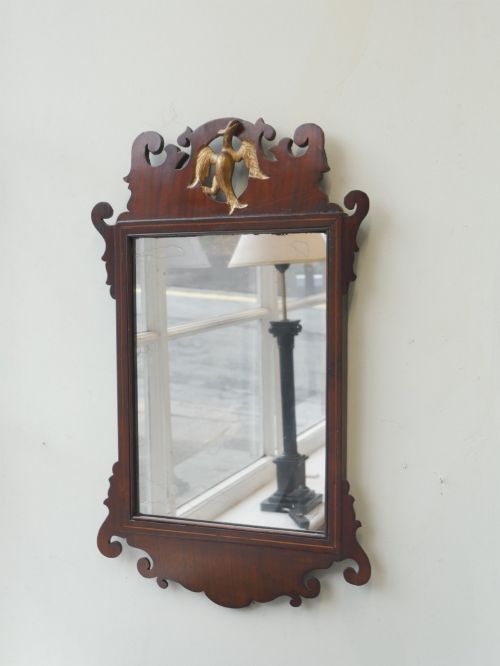
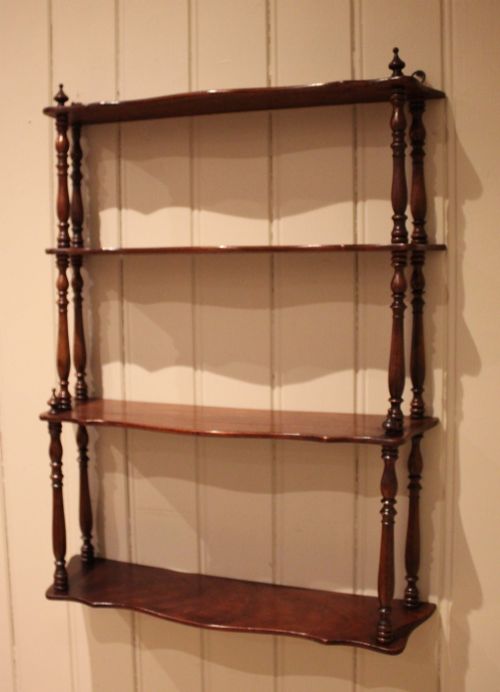
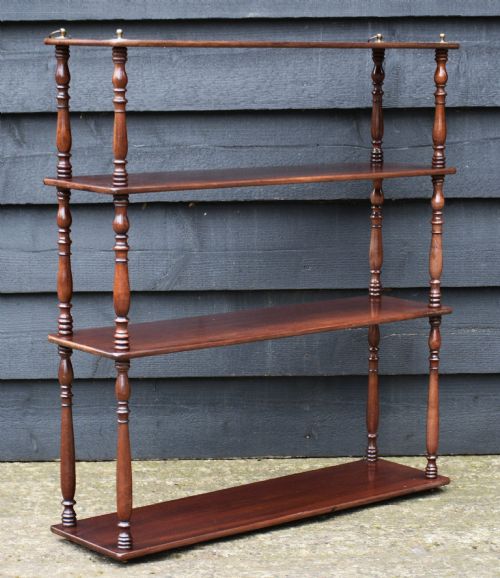
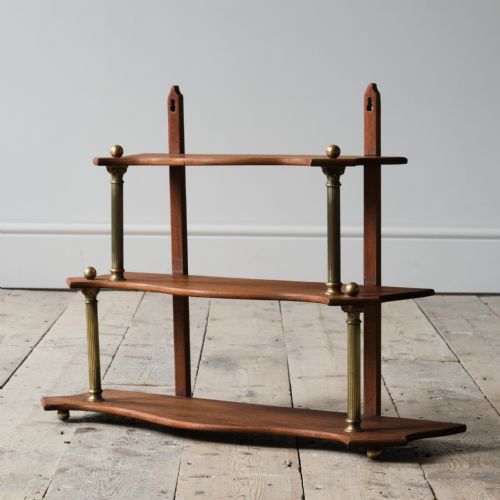
Alongside enclosed cabinets, this category embraces open wall shelves, tiered waterfall bookshelves, and bracket mirrors. These pieces served to display porcelain, books, and smaller decorative items in rooms where floor space remained at a premium.
Origins stretch from 18th-century English workshops to 19th-century French ateliers. Makers utilised the dense grain of mahogany to create robust structures that still mount safely today.
Assessing craftsmanship and materials
The distinction between standard domestic items and superior examples lies in the selection of timber figures, such as highly figured plum pudding mahogany. Exceptional pieces exhibit meticulous grain matching across curved bow fronts and precise execution of inlaid stringing.
Structural integrity and the retention of original brass fittings and glass panes elevate the standing of a wall cabinet or mirror. Hand-carved mouldings and crisp fretwork contrast sharply with coarser, later machine-cut reproductions.
Mahogany Wall Hanging Retail Price Guide 2026
Typical asking prices for mahogany wall hanging among the pieces listed under this phrase on Sellingantiques today, from the lower quarter to the upper quarter. They describe what is for sale here now, not the wider market.
Listings span multiple eras from the mid-18th century through the Edwardian period, uniting Georgian bow front corner cabinets with 19th-century French wall shelves.
The Mahogany Wall Hanging Glossary
- Bow front
- A convex curved cabinet front popular during the Georgian era. This curved profile requires skilled timber bending or solid block shaping.
- Marquetry inlay
- Decorative patterns formed by fitting contrasting veneers into a prepared ground timber. Dutch workshops specialised in elaborate floral and avian motifs.
- Fretwork
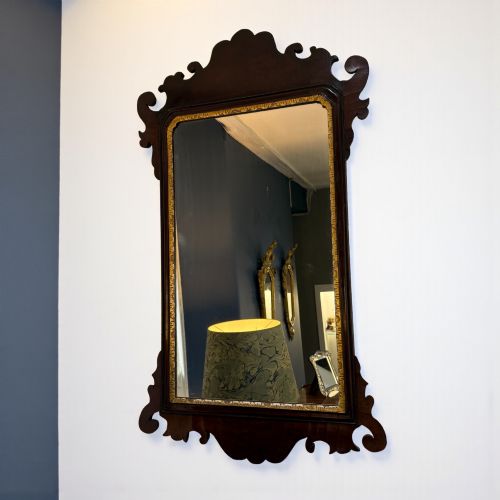
- Openwork patterns cut into thin boards using a fine fretsaw. Georgian wall mirrors frequently utilise this technique for scrolled crests and side ears.
- Pier mirror
- A tall vertical glass designed to hang on the wall space between windows. These mirrors reflect natural light deeper into period rooms.
Mahogany Wall Hanging: Frequently Asked Questions
How do I hang a heavy mahogany corner cupboard safely?
Heavy wall-mounted cabinets require secure fixing directly into structural wall studs or masonry using appropriate heavy-duty load-bearing screws.
Many period cabinets feature integrated hanging brackets or internal fixing points designed specifically for this purpose.
What is plum pudding mahogany?
Plum pudding mahogany is a prized timber grain variation characterised by small, distinct circular markings scattered across the rich brown surface.
This natural patterning occurs rarely and signifies high-status furniture production during the 18th century.
How do I date a mahogany wall mirror?
Dating relies upon examining the mirror plate, backing boards, and the specific fretwork or moulding style associated with periods like George III or Victorian.
Hand-bevelled glass, old secondary timbers, and original fixings provide reliable chronological indicators.
Did corner cupboards come with keys originally?
Georgian and Regency corner cupboards frequently retained working brass locks and matching keys to secure valuable porcelain and dining wares.
Original iron or brass locks with matching period keys enhance the authenticity of a cabinet.