





Mahogany Wall Board
Mahogany wall board pieces are functional timber mountings and scoreboards that bring period utility to a games room or hallway.
Mahogany Wall Board
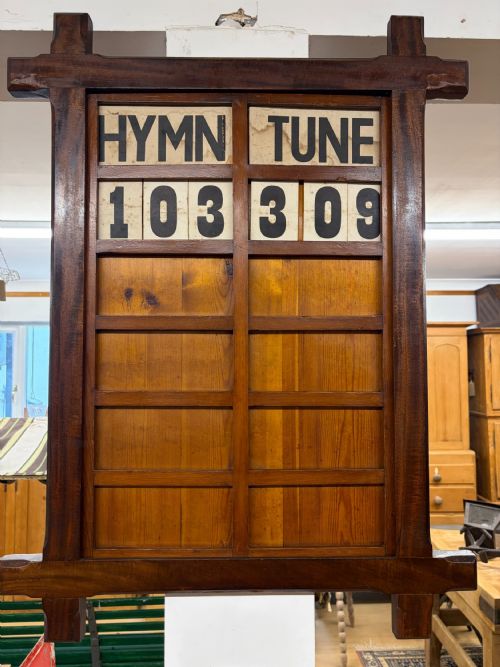
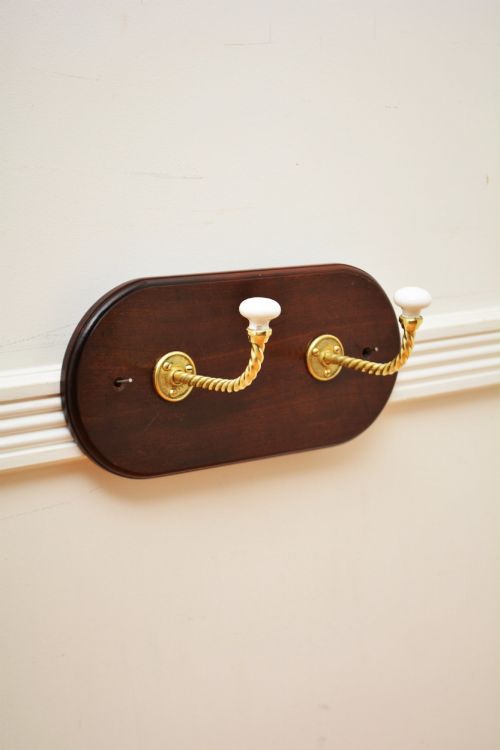
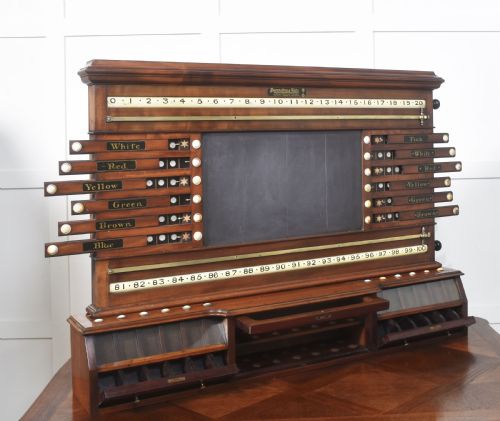
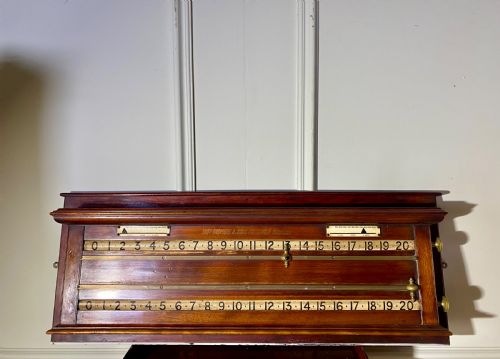
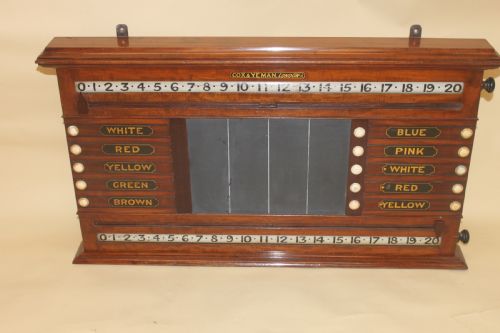
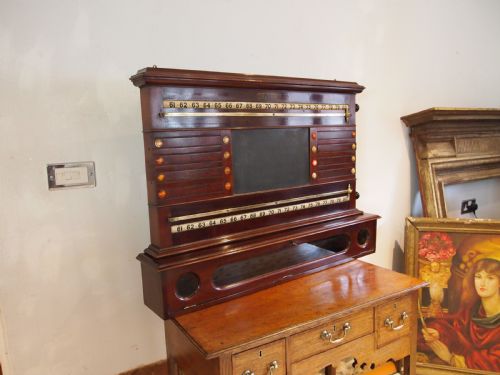
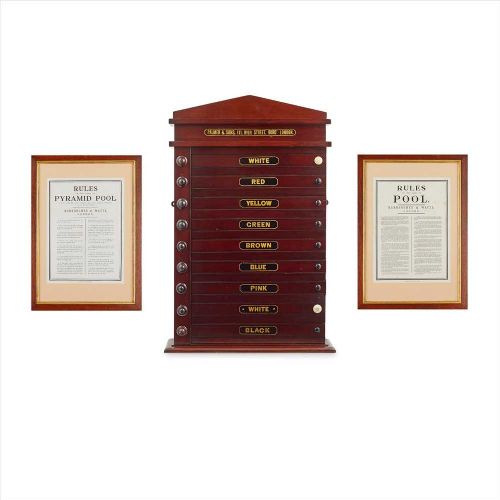
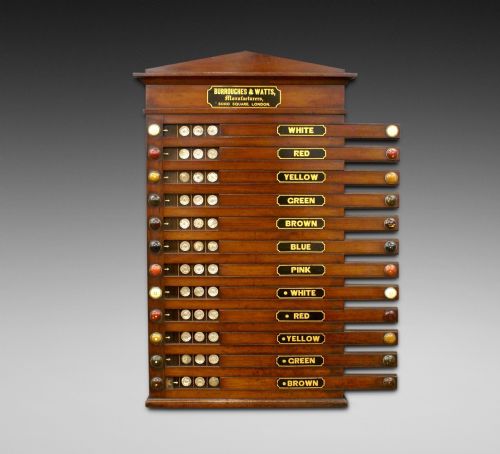
When you search for mahogany wall board, you encounter a distinct group of timber fixtures designed for mounting in reception spaces and games rooms. These pieces include utilitarian coat racks with brass hooks alongside specialised scoreboards for billiards, snooker, pool, and church hymn tracking.
The items span the nineteenth century into the Edwardian era, reflecting both domestic cloakroom storage and institutional scoring needs. Wall cupboards and hanging cabinets also appear frequently in the record, showing the wide variety of timber items built to hang upon a wall.
How They Were Made
The makers utilised solid mahogany as the primary timber for these wall-mounted boards, often combining it with contrasting materials like brass for hooks, slate for writing surfaces, and bone or ceramic for indicators. Glazed panels, cards, and glass components were integrated into scoreboards and cabinets using traditional joinery.
Construction methods range from simple plank mounting for cloakroom hooks to complex sliding mechanisms and dials on games room scoreboards. Inlaid details and fitted shelving appear on cabinet variants, while surface finishes rely on polished timber grains.
The listings show mahogany combined with brass, slate, bone, ceramic, glass, pine, and cardboard across Victorian and Edwardian periods.
What Varies in Quality
Quality in these wall boards rests upon the robustness of the timber framing and the integrity of the brass hardware or sliding scoring markers. Superior examples display crisp joinery, well-figured mahogany, and retained original fittings rather than replaced elements.
Maker signatures on scoreboards or specialised hardware elevate an example, distinguishing standard utilitarian pieces from workshop productions bearing recognised names.
Orme And Sons Manchester·Thurston And Co Ltd·Cox And Yeman London·Burroughes And Watts
The Mahogany Wall Board Glossary
- Mahogany
- A durable tropical hardwood prized for its reddish-brown colour and stability in furniture and wall fixtures. It forms the primary structural material for these boards.
- Scoreboard
- A mechanical board featuring sliding markers, dials, or rollers used to track points in cue sports. They often incorporate brass and bone elements.
- Astragal glazed
- A window or cabinet door construction where small timber strips hold individual panes of glass in a grid pattern. This appears on glazed wall cupboards.
- Hymn board
- A religious display board utilising card numbers to show psalms or hymns during services. These are typically housed in mahogany frames.
Mahogany Wall Board: Frequently Asked Questions
What is a mahogany wall board?
A mahogany wall board refers to timber fixtures designed to hang on vertical surfaces, primarily comprising scoreboards, coat racks, and wall cupboards.
These objects served practical functions in nineteenth-century homes, public halls, and billiard rooms, utilising durable hardwoods for daily use.
How were billiard scoreboards used?
Billiard scoreboards were mounted near tables to track points for games like snooker, pool, and billiards using sliding pointers on rails.
Operators manipulated brass indicators or turned rollers along numbered scales set into the mahogany frame to keep tally during play.
How do I date a mahogany wall board?
Dating relies on observing construction methods, material combinations, and style markers associated with Victorian, Edwardian, or Georgian periods.
Maker signatures, brass hardware types, and associated components like bone markers or card numbers also provide chronological context.
Where were wall boards placed?
These boards found placement in domestic reception halls, cloakrooms, and dedicated games rooms depending on their specific utilitarian purpose.
Coat racks hung near entryways for garments, while scoreboards occupied prominent wall space adjacent to billiard tables.