
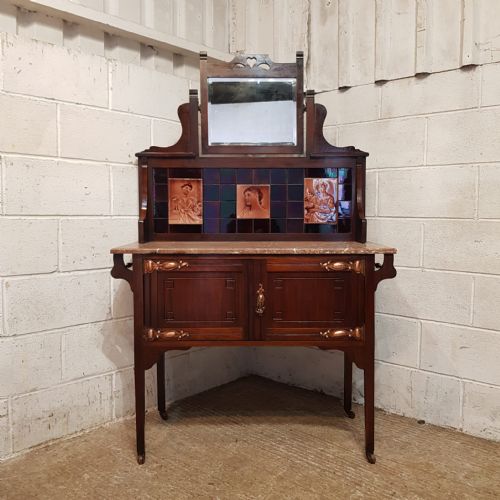
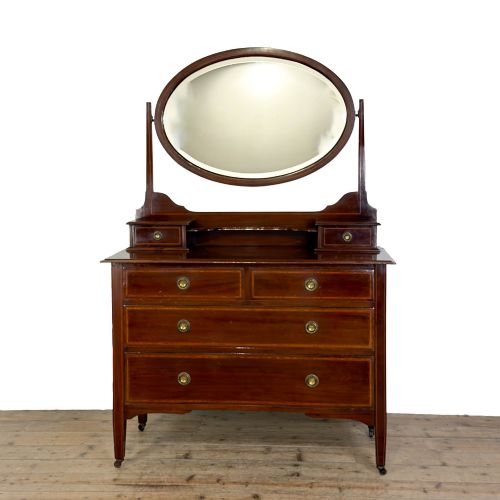
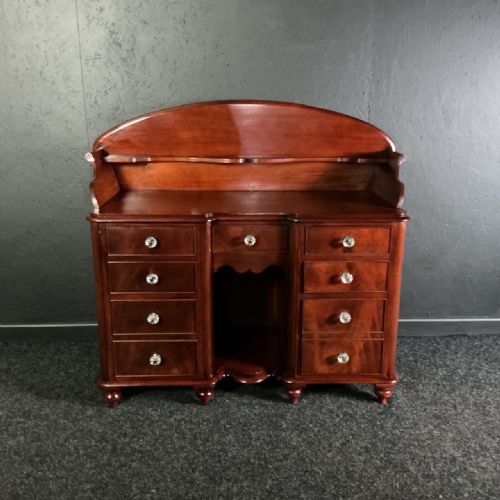


Mahogany Vanity Unit
A mahogany vanity unit is a practical dressing piece or washstand that brings rich timber grain and period utility to a bedroom.
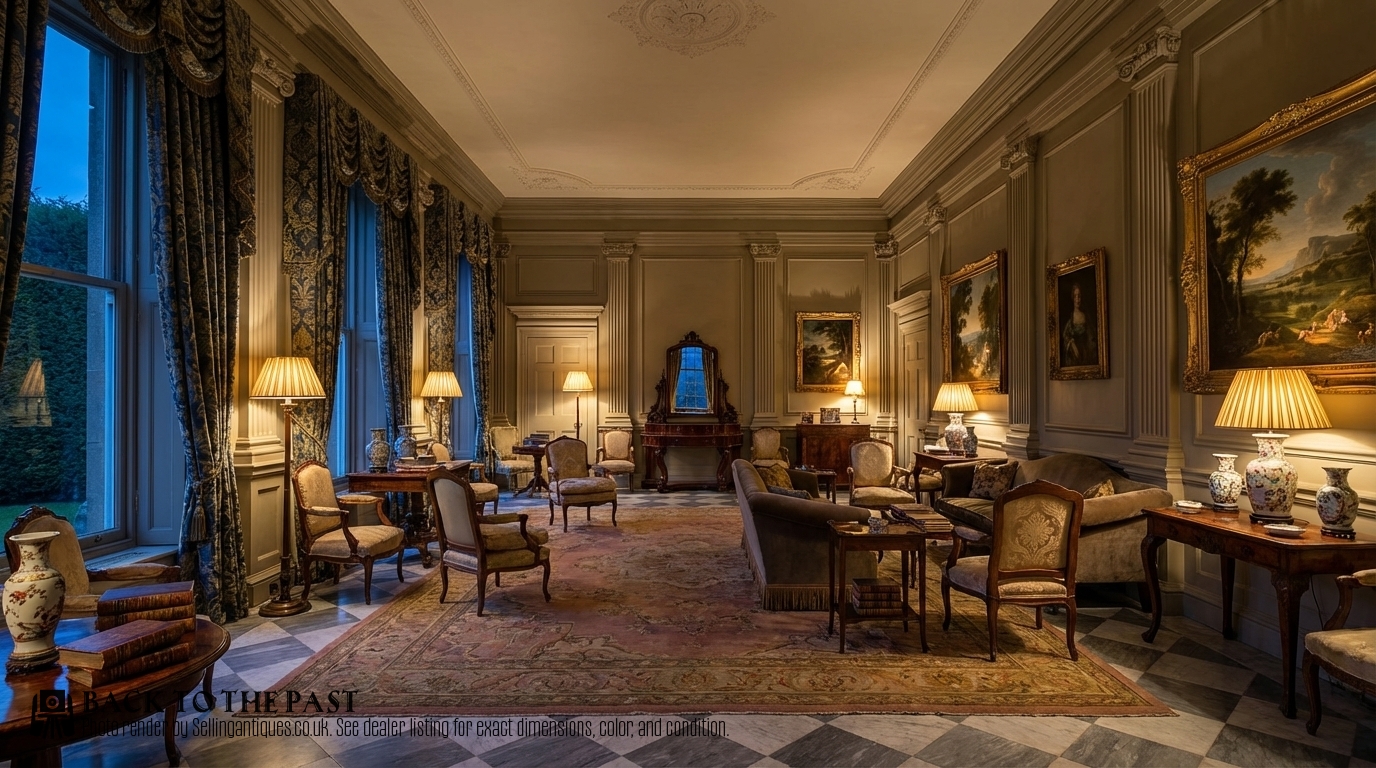
Mahogany Vanity Unit
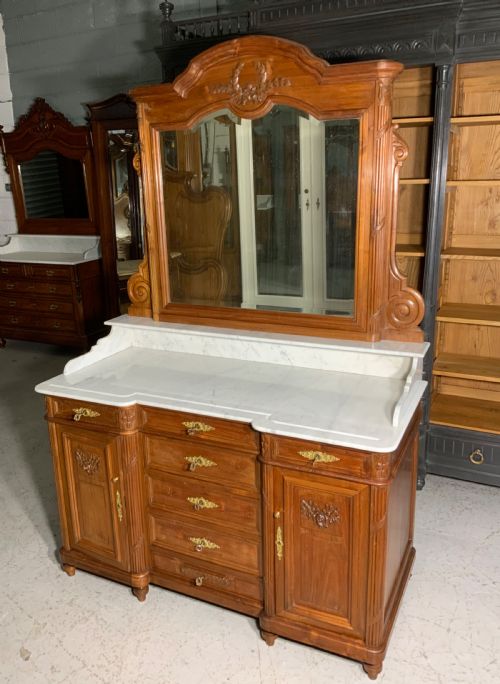
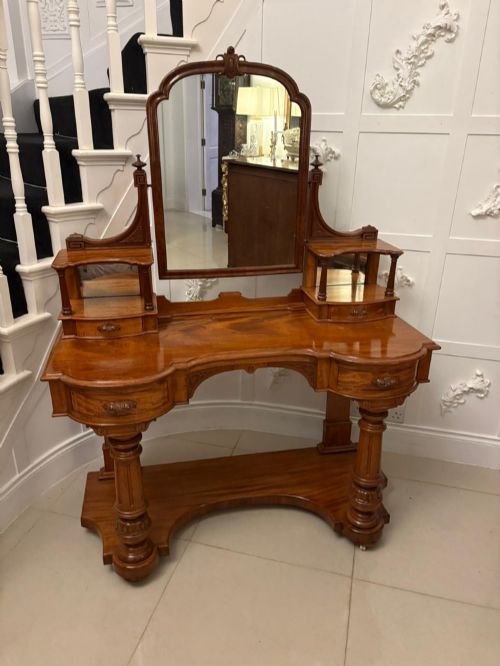
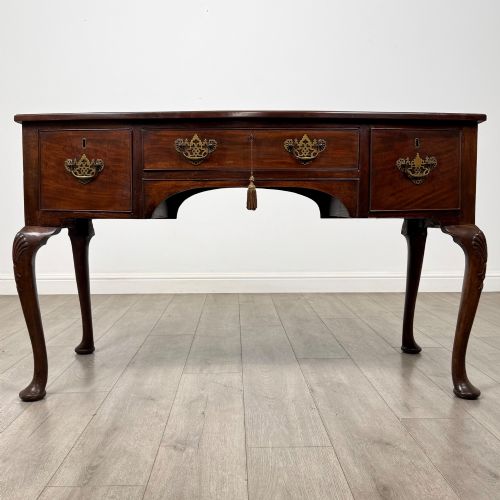
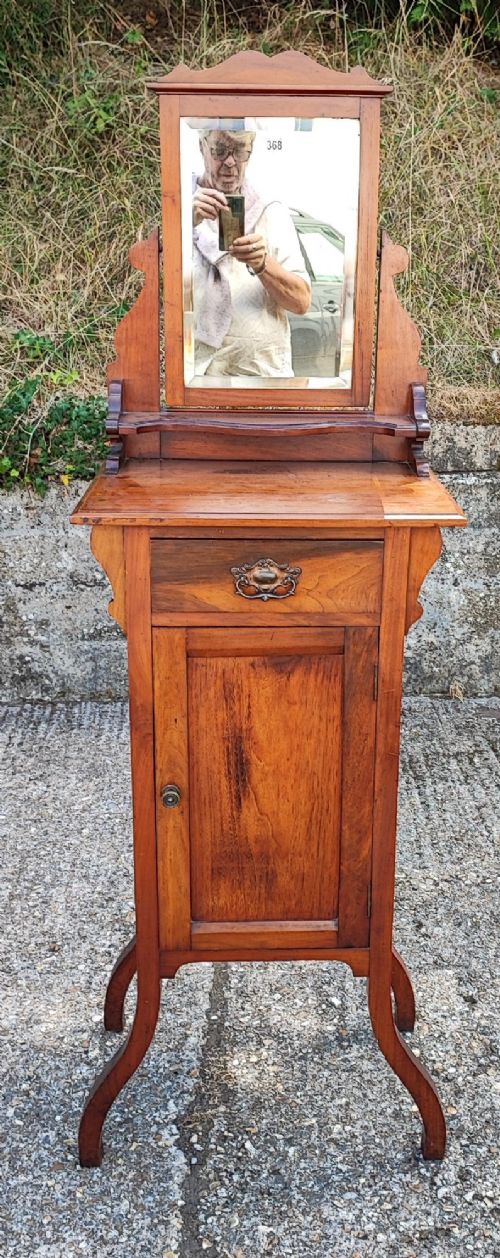
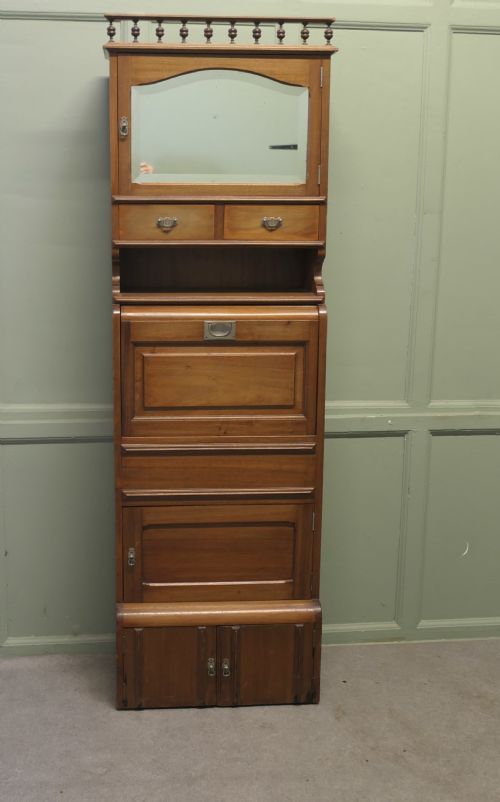
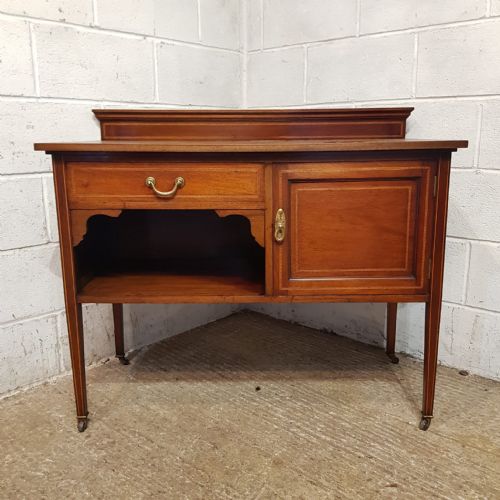
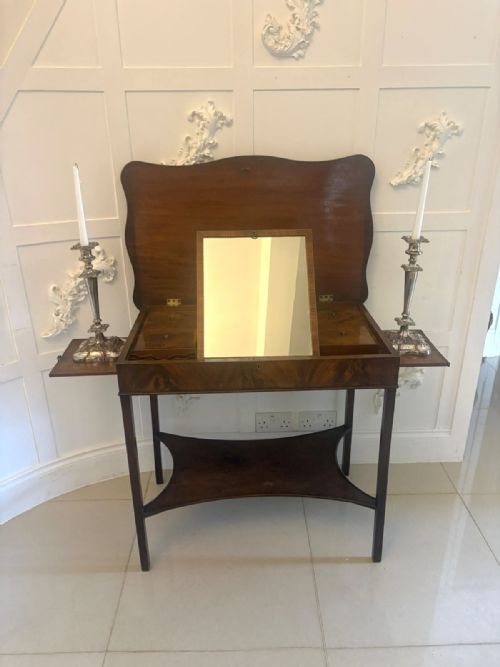
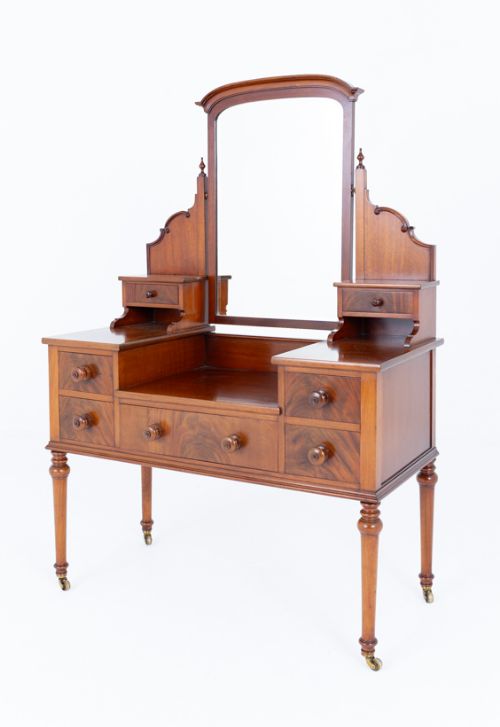
A mahogany vanity unit encompasses a wide range of nineteenth and early twentieth-century dressing tables, washstands, and shaving cabinets made for domestic and marine use. Buyers searching for a mahogany vanity unit typically encounter Victorian and Edwardian iterations featuring pivoting mirrors, drawers, and sometimes integrated marble tops.
The selections span traditional British styles like Chippendale Revival and Sheraton designs alongside French Empire and Arts and Crafts pieces. Most examples function as dressing chests or wash stands intended for personal grooming in period chambers.

How they were made
Cabinet makers utilised solid and veneered mahogany, often incorporating satinwood stringing, marquetry, and crossbanding to decorate drawer fronts and surfaces. Structural stability relied on dense hardwoods, while decorative flourishes employed contrasting timbers.
Many washstands and French dressing tables incorporate heavy white or grey marble slabs designed to resist moisture from basins and water jugs. Metal components such as brass handles, ormolu mounts, and copper fixtures provide functional and decorative accents across Victorian and continental pieces.
Mahogany Vanity Unit Retail Price Guide 2026
Typical asking prices for mahogany vanity unit among the pieces listed under this phrase on Sellingantiques today, from the lower quarter to the upper quarter. They describe what is for sale here now, not the wider market.
Early marine washstands packed folding basins and mirrors into neat wooden boxes for travelling gentlemen.
What varies in quality
Quality rests in the crispness of hand-carved details, the subtlety of wood figure in the mahogany, and the precision of inlaid satinwood or marquetry work. Finer pieces demonstrate superior joinery in the drawer linings and stability in the framing.
The integration of materials also defines the tier of execution, seen in heavy, well-veined marble tops and finely cast ormolu or brass mounts rather than simpler utilitarian hardware.
Edwards & Roberts·J. Shoolbred
The Mahogany Vanity Unit Glossary
- Marquetry
- Decorative veneer work arranged in pictorial or geometric patterns using various coloured woods. This technique often embellishes drawer fronts on late nineteenth-century tables.
- Crossbanding
- A strip of veneer applied across the grain of the primary timber to form a contrasting border around a tabletop or drawer. It creates a neat framing effect on Edwardian furniture.
- Ormolu
- Gilt bronze mounts applied to the corners and frames of French furniture. These decorative elements add metallic contrast to dark mahogany surfaces.
- Cheval mirror
- A full-length mirror hung on a vertical frame that tilts on pivots. Such glasses frequently sit atop Victorian dressing tables and chests.
Mahogany Vanity Unit: Frequently Asked Questions
How do I clean marble tops?
Use a soft cloth dampened with warm water and mild, non-acidic soap to wipe down the stone surface gently. Avoid harsh chemical cleaners that can etch or dull the polish.
Dry the marble thoroughly afterwards with a clean towel to prevent water spots and maintain the natural lustre of the stone.
Can I use a washstand daily?
These pieces accommodate modern use provided you protect vulnerable wooden surfaces from standing water and damp items. Placing protective trays underneath toiletries prevents moisture damage to the antique timber.
Treat the mahogany with appropriate wax polishes to preserve the finish against everyday wear in a modern bedroom.
Are mirrors original?
Many Victorian and Edwardian dressing tables retain their original bevelled glass plates, though some exhibit minor foxing or silver loss. Examining the backing boards and silvering helps determine if the mirror glass dates to the construction of the cabinet.
Replacements remain common because mirrors suffered accidental breakages over decades of daily grooming use.
How do I date a piece?
Inspect the construction methods, drawer dovetails, and secondary woods used inside the carcass to establish the period. Stylistic clues such as brass hardware, inlay patterns, and maker stamps also point to specific decades.
Comparing the design against known Victorian, Edwardian, or Georgian conventions clarifies the exact era of manufacture.