



Mahogany Twin Pillar Table
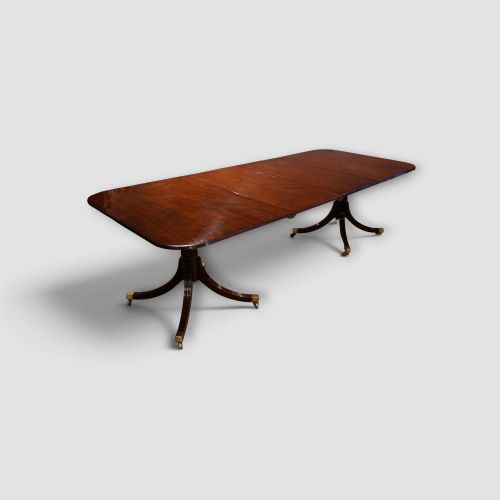
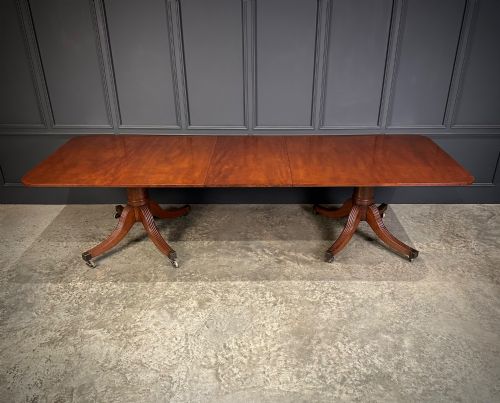
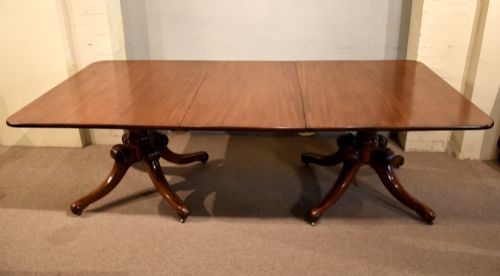
A mahogany twin pillar table is a substantial dining piece built on two pedestals, offering formal presence and versatile extension for modern or traditional rooms.
Mahogany Twin Pillar Table
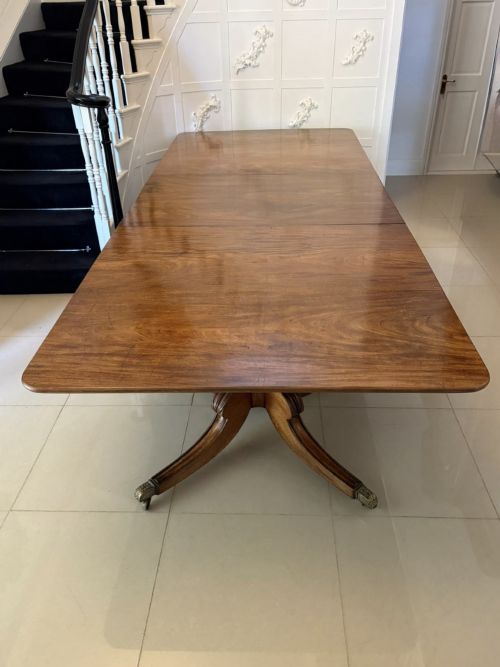
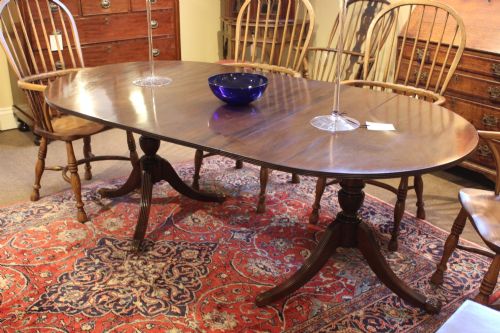
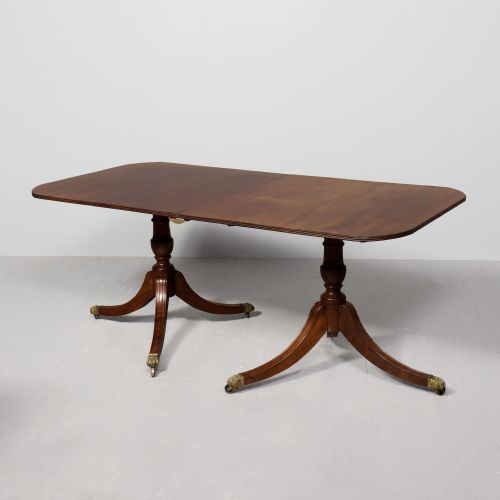
A mahogany twin pillar table serves primarily as a formal dining table, structured around two distinct pedestals that support a long timber top. When searching for a mahogany twin pillar table, buyers encounter examples spanning from the Georgian and Regency periods through to later Victorian and twentieth-century revivals.
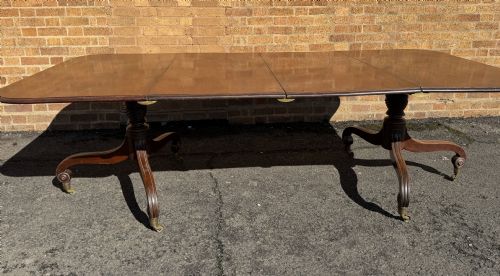
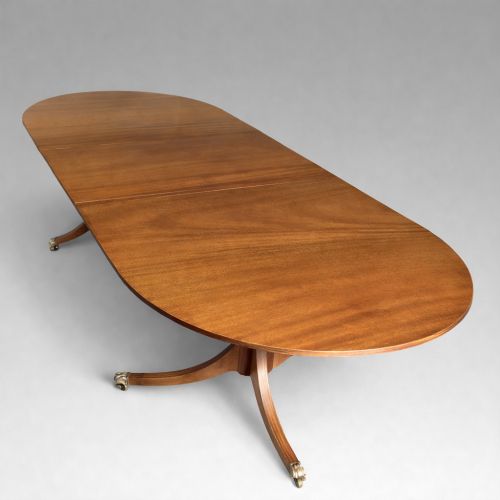
The format frequently incorporates removable or extra leaves, allowing the surface to expand from a compact twin-pedestal arrangement into a much larger seating configuration. While the majority of surviving examples function as dining tables, occasional variations include console or sofa formats utilising the same pillar construction.
Originating predominantly in the late eighteenth and early nineteenth centuries, the design prioritises legroom and adaptability. The pieces seen most often on this page combine classical pedestal bases with rich timber surfaces suited to everyday hosting.
What Varies in Quality
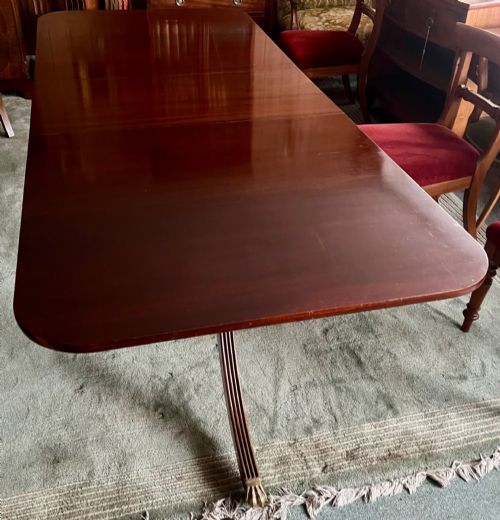
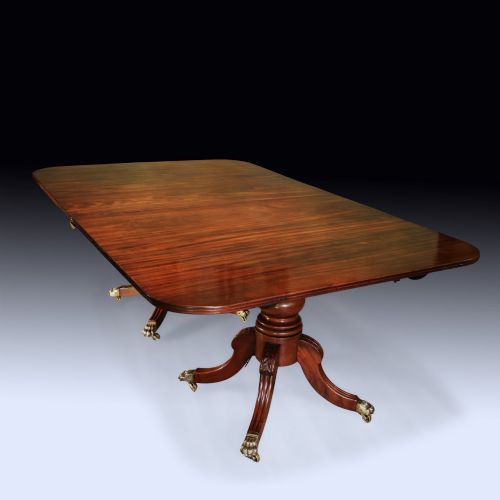
The distinction between ordinary and exceptional tables rests primarily on the choice of timber and the depth of figure in the mahogany surface. Superior examples exhibit carefully matched veneers and rich grain movement across the main top and added leaves.
Construction methods also set pieces apart, particularly the engineering of the pillar supports and the stability of the central brass mechanisms. Tables built by skilled cabinetmakers maintain rigid alignment across the pedestals even when fully extended with multiple leaves.
Mahogany Twin Pillar Table Retail Price Guide 2026
Typical asking prices for mahogany twin pillar table among the pieces listed under this phrase on Sellingantiques today, from the lower quarter to the upper quarter. They describe what is for sale here now, not the wider market.
William Trotter
The Mahogany Twin Pillar Table Glossary
- Pedestal
- A central vertical support, often featuring three or four splayed legs radiating outward to hold the table weight. This construction allows greater seating freedom around the perimeter compared to traditional corner legs.
- Leaf
- A removable section of timber inserted into the centre of the table to expand the surface area. These are stored separately when fewer diners are present.
- Flame Mahogany
- A highly figured timber veneer cut from the branch forks of the tree, producing distinctive flame-like patterns across the grain. It was heavily utilised during the Regency period for decorative impact.
- D-End
- A semicircular table end shape resembling the letter D, often found on pillar dining tables. When two such ends are pushed together without leaves, they form a rounded standalone table.
- Regency Revival
- A design movement spanning the nineteenth and twentieth centuries that reinterprets the classical proportions and decorative motifs of the early nineteenth century.
Mahogany Twin Pillar Table: Frequently Asked Questions
How many people can sit at a twin pillar table?
Most standard twin pillar tables comfortably seat between six and eight guests without any additional sections in place. When extra leaves are inserted into the centre, the capacity expands to accommodate ten, twelve, or even sixteen diners depending on the overall length.
The exact capacity relies upon the physical length of the top and the spacing of the pedestals underneath. Tables with sturdy pillar supports allow chairs to tuck in neatly without hitting the legs.
How do I add or remove the table leaves?
Adding leaves involves pulling the two main ends of the table apart along internal wooden runners to reveal the central gap. The extra timber section is then dropped into place and secured with brass clips or wooden pegs underneath.
Once the leaf is fitted, the table halves are pushed back together until the surface is flush. It is best done with two people to ensure the alignment pins slide straight without straining the timber.
How do I care for a mahogany dining surface?
Routine maintenance involves dusting the timber with a soft, dry cloth and avoiding harsh chemical cleaning products that strip the finish. Applying a traditional beeswax polish occasionally helps nourish the wood and maintain its deep lustre.
Keep the table away from direct heat sources and strong sunlight, which can fade the rich mahogany colour over time. Using mats and coasters prevents moisture rings and heat marks from damaging the polished surface.
How can I tell a Georgian table from a later revival?
Examining the construction methods underneath often reveals the age of the timber and the hand-cut joinery typical of the Georgian period. Original pieces from the early nineteenth century frequently display heavier solid mahogany framing and distinct patination.
Revival pieces made in the twentieth century tend to use more uniform modern fixings and standardised internal runners. The character of the timber finish and the style of the brass castors also offer strong clues to the decade of manufacture.