

Mahogany Table Top Stand
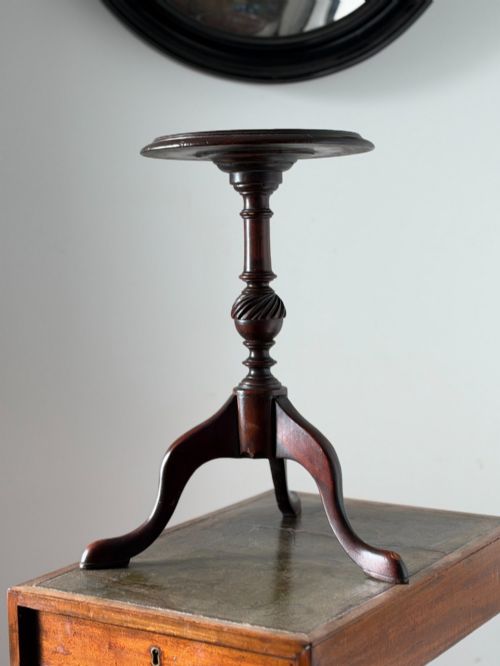
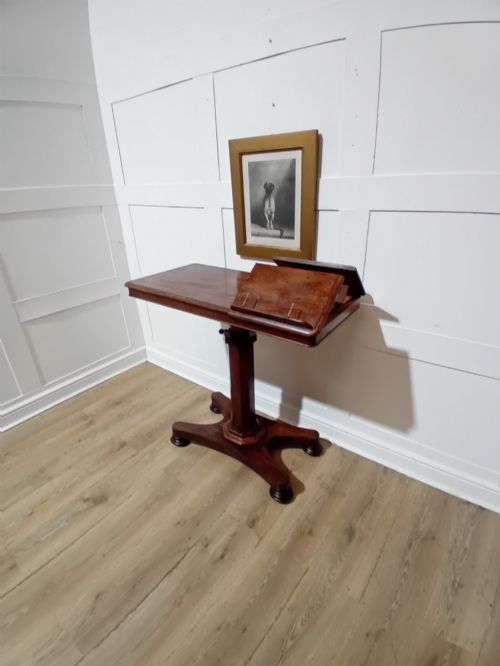
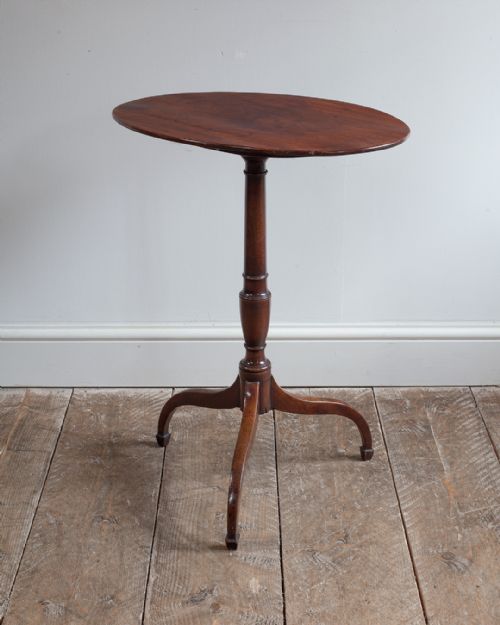
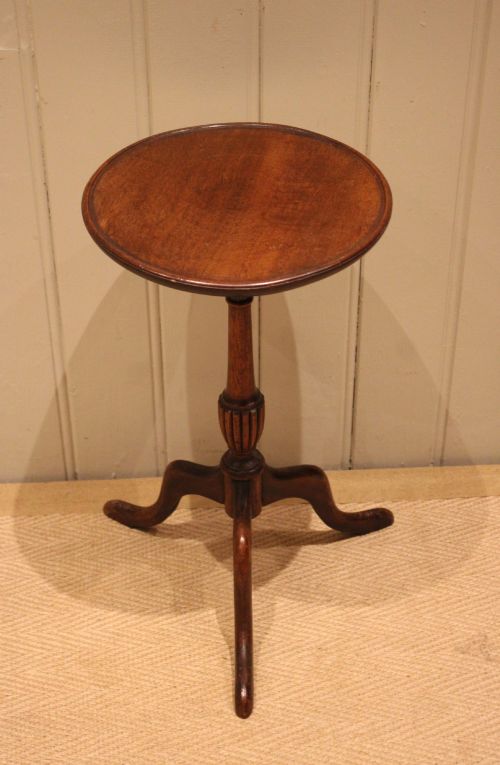
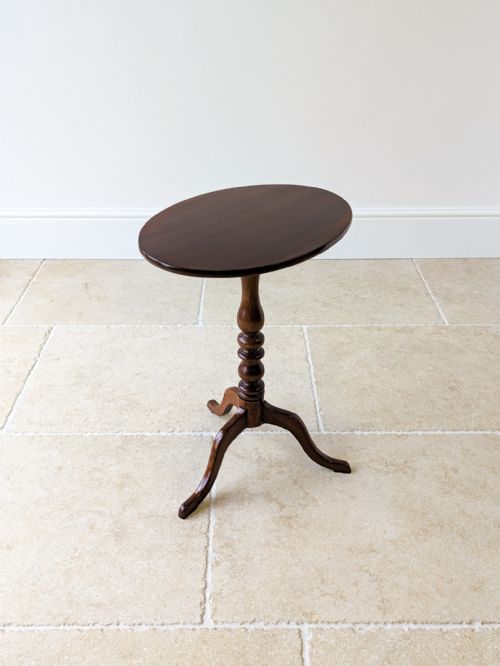
A mahogany table top stand brings compact elevation and rich timber grain to a room, offering a sturdy surface designed to sit neatly upon furniture or floor.
Mahogany Table Top Stand
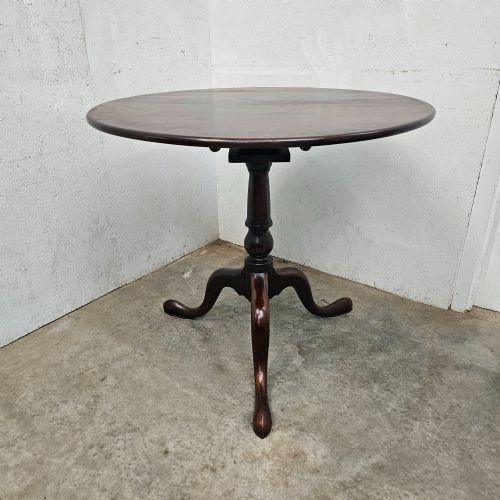
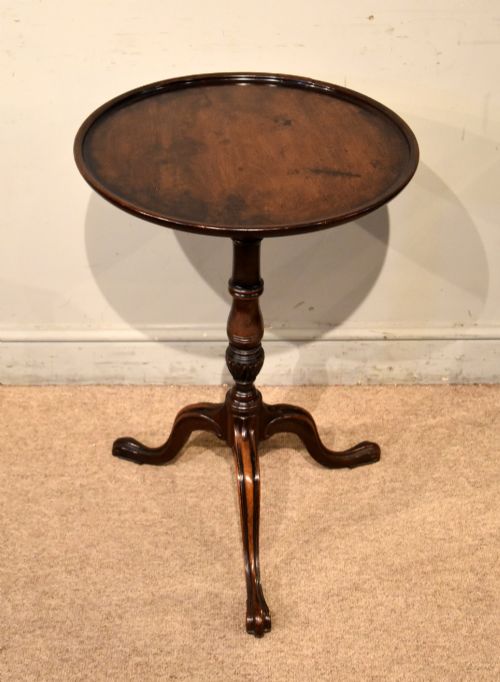
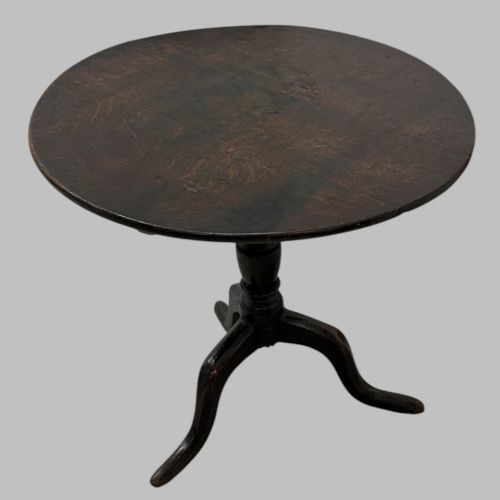
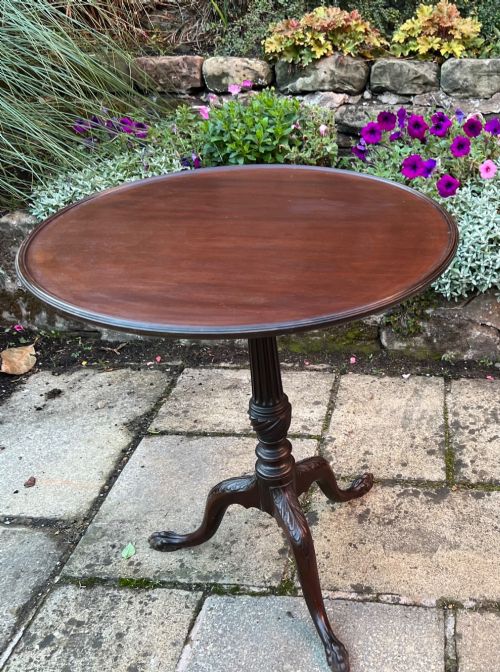
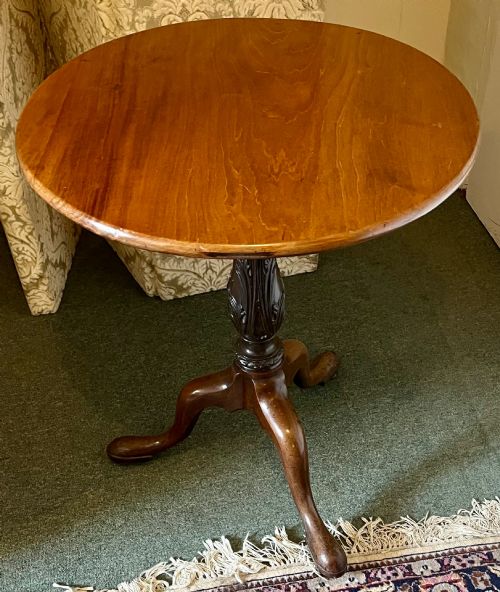
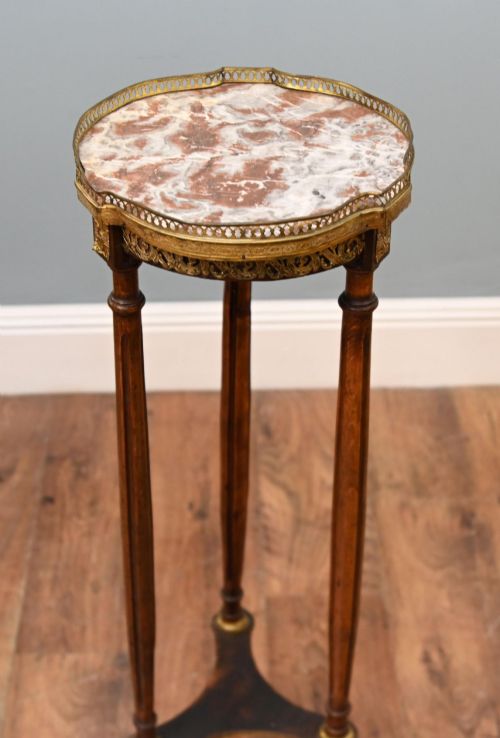
When buyers search for a mahogany table top stand, they encounter a variety of compact elevated pieces designed for display or utility. The selections span tripod wine tables, urn stands, tilt-top designs, and occasional pieces that elevate small objects or serve specific domestic purposes.
How they were made
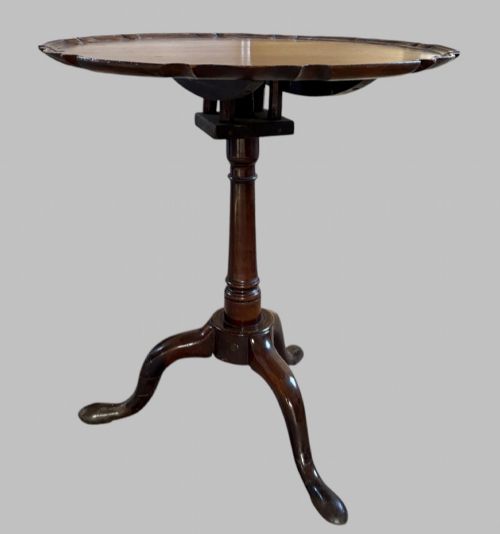
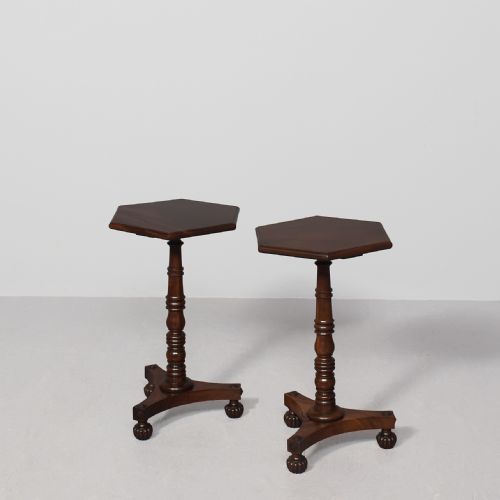
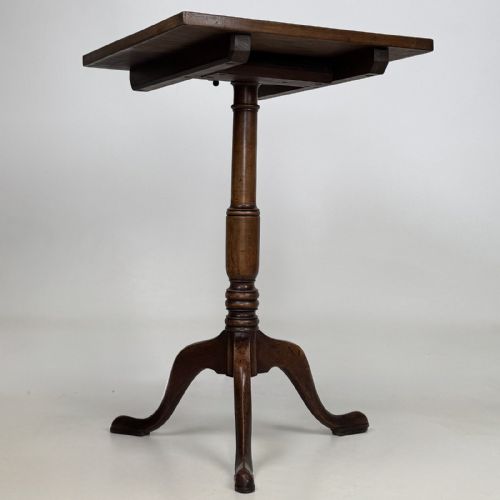
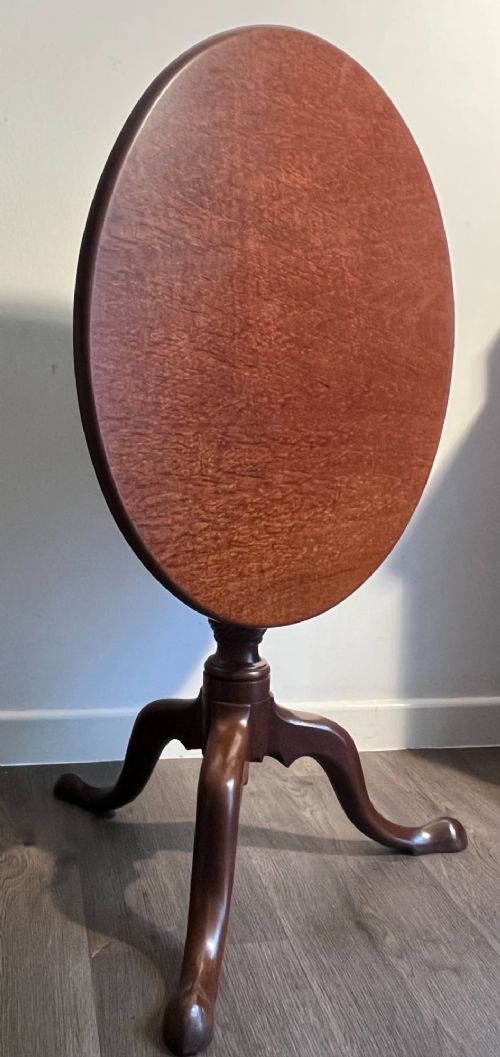
Cabinetmakers constructed these stands primarily using solid mahogany, frequently pairing rich timber with secondary woods and brass fittings. Tops were often turned or carved from single boards, occasionally featuring dished edges or tilt mechanisms supported by tripod legs.
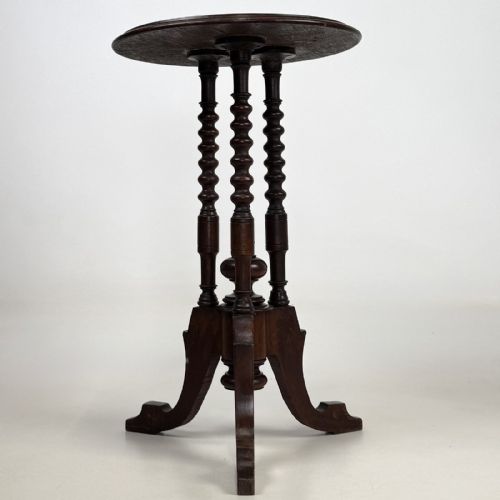
Surface decoration relied heavily on the natural grain of the mahogany, sometimes enhanced through parcel gilding, fruitwood inlay, or satinwood banding. Turning lathes shaped the central pillars, while hand-carving defined the knees and feet of tripod bases.
Mahogany Table Top Stand Retail Price Guide 2026
Typical asking prices for mahogany table top stand among the pieces listed under this phrase on Sellingantiques today, from the lower quarter to the upper quarter. They describe what is for sale here now, not the wider market.
Listings for a mahogany table top stand span the Georgian, Regency, Victorian, and Edwardian eras, incorporating brass, marble, and satinwood.
What varies in quality
The distinction between standard examples and top-tier pieces lies in the crispness of the carving and the selection of the timber. Finer stands display meticulously figured mahogany grain and deeply articulated tripod legs without relying on excessive embellishment.
Construction integrity also dictates quality, particularly in the smoothness of tilt-top mechanisms and the snugness of joints where the pillar meets the base. Superior craftsmanship ensures the stand remains level and stable over centuries of use.
The Mahogany Table Top Stand Glossary
- Tripod table
- A small stand supported by a central pillar resting on three legs. This construction prevents wobbling on uneven floors.
- Tilt-top
- A hinged table top that folds vertically when not in use. It allowed makers to save space in smaller rooms during past centuries.
- Pie crust
- A carved, raised edge shaped in undulating curves resembling pastry. This decorative moulding is frequently found on eighteenth-century tripod tables.
- Dish top
- A surface with a concave centre carved directly from the solid wood. This feature helped prevent items from sliding off.
- Snap top
- A table top secured to the pedestal by a spring catch. It operates similarly to a tilt mechanism for easy storage.
Mahogany Table Top Stand: Frequently Asked Questions
Where should I place a mahogany table top stand?
These compact stands suit smaller corners, beside armchairs, or on top of larger chests where they provide extra display space.
Their modest footprint allows them to integrate easily into both traditional and contemporary interiors without dominating the room.
How do I care for antique mahogany timber?
Keep the wood away from direct heat sources and strong sunlight to prevent the rich polish from fading or drying out over time.
Regular dusting with a soft, dry cloth maintains the natural lustre of the mahogany without the need for heavy chemical polishes.
What is the purpose of a tilt mechanism?
The tilting function allowed eighteenth and nineteenth-century households to store tables flat against walls when not in use.
This space-saving design makes many surviving examples surprisingly versatile for modern homes with limited floor space.
How do I distinguish Georgian from Victorian stands?
Georgian pieces generally exhibit simpler, more restrained classical proportions with understated carving and elegant timber selection.
Victorian examples often introduce heavier turnings, burr wood veneers, or brass mounts reflecting the industrial techniques of the later nineteenth century.