

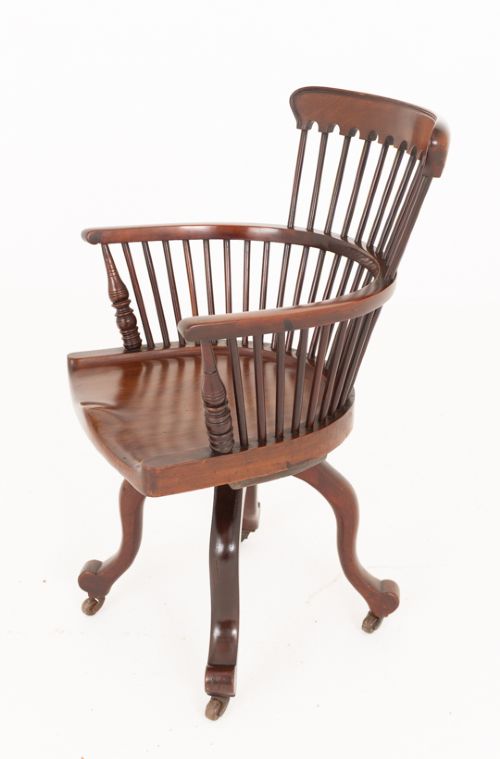
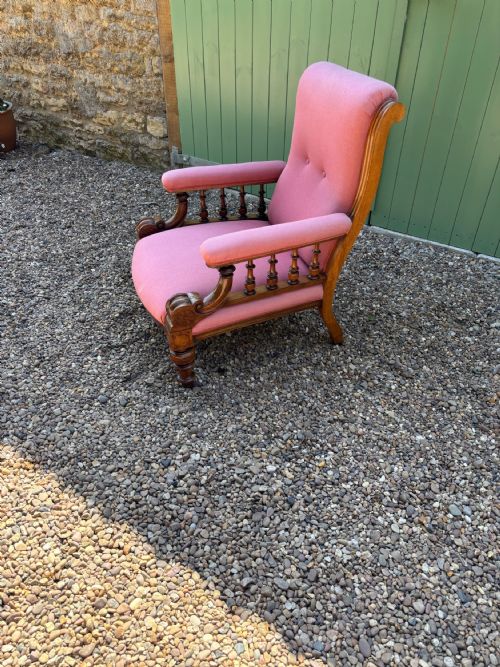
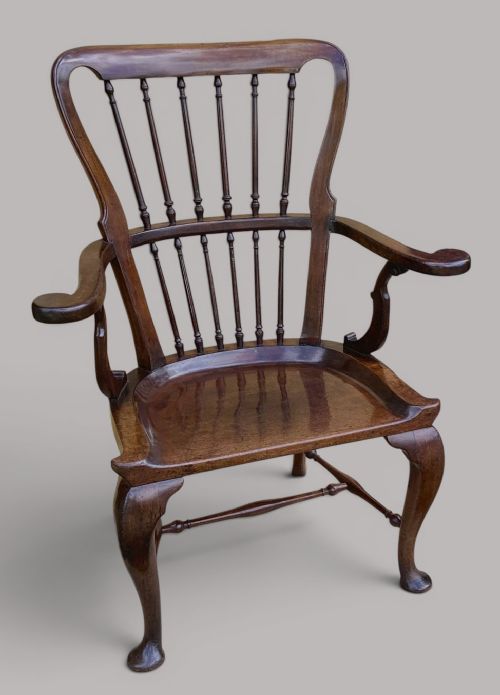


Mahogany Spindle Back Chair
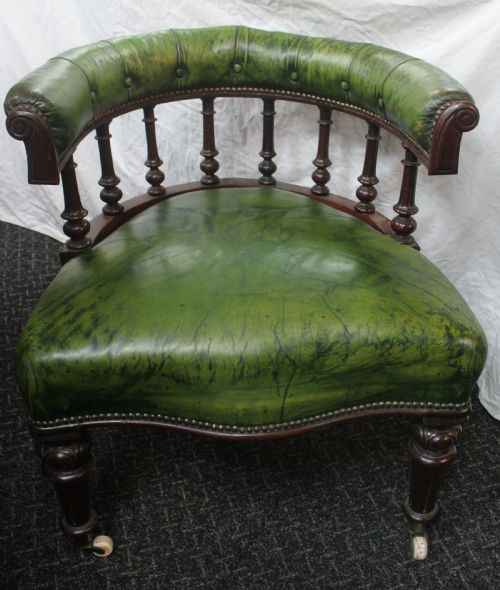
A mahogany spindle back chair brings enduring wooden joinery into a room, offering comfortable seating shaped by centuries of cabinet-making tradition.
Mahogany Spindle Back Chair
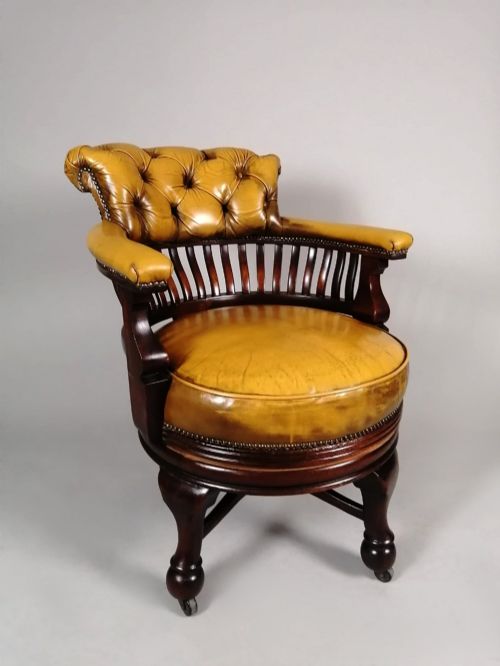
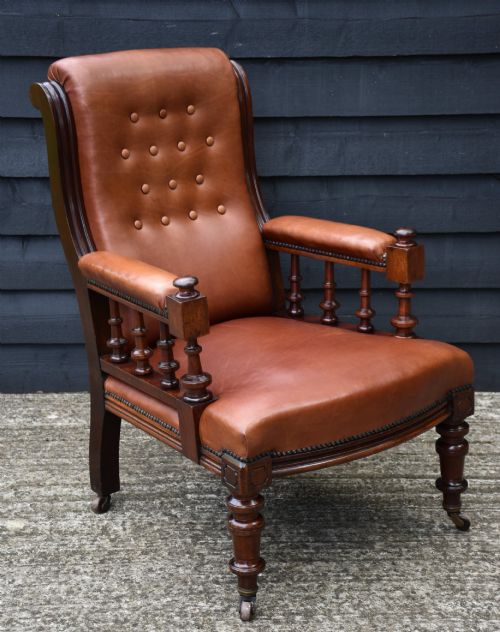
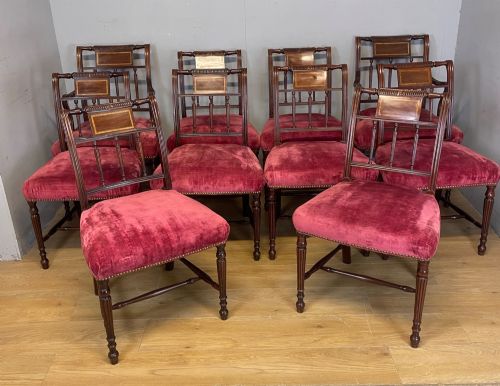
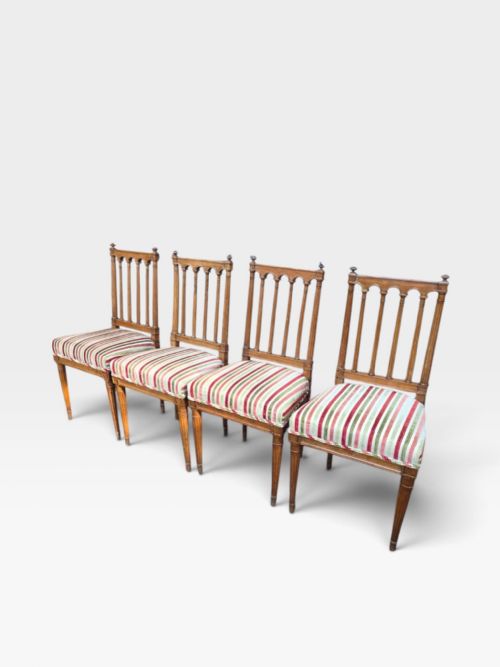
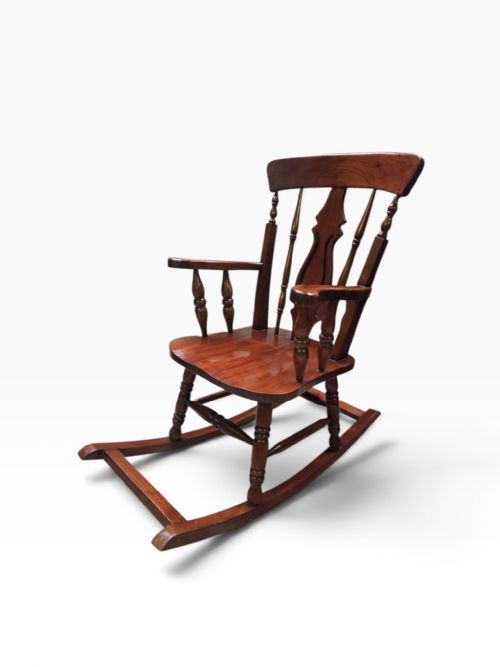
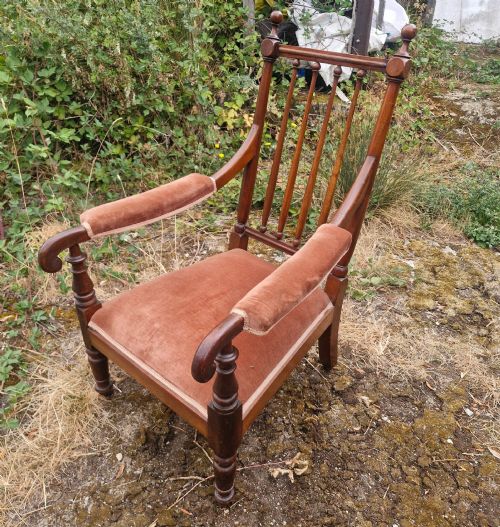
A mahogany spindle back chair forms part of a diverse selection of seating found across this page, spanning periods from the eighteenth century to the early twentieth century. Buyers encounter forms ranging from dining chairs and armchairs to desk chairs, rocking chairs, and bedroom chairs.
Victorian and Edwardian pieces dominate the selection, alongside earlier George II, Georgian, and Regency examples. These chairs serve functional roles in libraries, studies, and dining rooms, or function as decorative bedroom and nursing seating.
How they were made
Cabinet-makers constructed these chairs primarily using mahogany and various hardwoods, often incorporating turned spindles into the backrests for structural support and visual rhythm. Workshops employed traditional joinery methods to assemble frames that withstood daily use.
Many examples feature secondary materials such as fabric, leather, velvet, cotton, and brass details. Upholstered variants include button-backed padding or drop-in seats covered in textiles.
Mahogany Spindle Back Chair Retail Price Guide 2026
Typical asking prices for mahogany spindle back chair among the pieces listed under this phrase on Sellingantiques today, from the lower quarter to the upper quarter. They describe what is for sale here now, not the wider market.
Listings span from George II and Regency periods through to the Victorian, Aesthetic Movement, and Edwardian eras, showcasing mahogany and hardwood across various chair forms.
What varies in quality
The refinement of the turning on the spindle backs distinguishes standard seating from finer cabinet-making. Subtle details in the carving of the mahogany frame and the choice of dense, richly grained timber indicate higher workshop standards.
The integrity of the original joinery and the execution of upholstery dictate the overall standard of surviving examples. Chairs retaining their original leather, fabric, or brass fittings demonstrate superior preservation.
The Mahogany Spindle Back Chair Glossary
- Spindle back
- A chair back constructed from vertical turned wooden rods fitted between the top rail and the seat. This method provides robust support while keeping the frame visually light.
- Windsor
- A traditional chair type featuring a solid wooden seat into which the legs and back spindles are wedged directly. These sturdy forms often incorporate carved armrests and bowed top rails.
- Aesthetic Movement
- A late nineteenth-century design style focusing on visual beauty and artistic expression rather than narrative storytelling. Pieces from this movement often display simplified lines and careful craftsmanship.
- Slipper chair
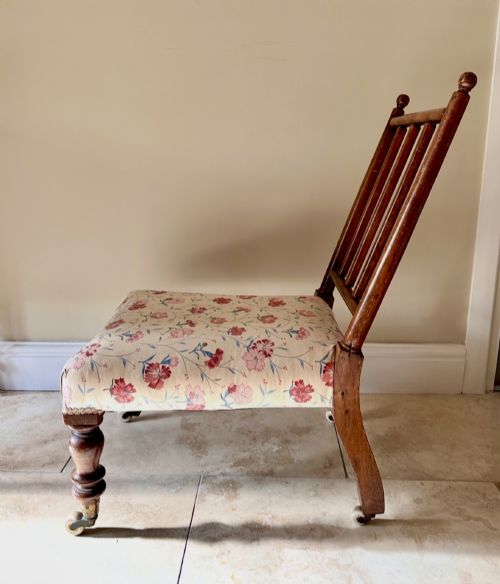
- A low-seated bedroom chair originally designed to assist ladies with putting on shoes or stockings. Their compact proportions make them useful for smaller spaces.
- Revolving desk chair
- A swivelling office or library chair designed for mobility at a work table. These variants frequently incorporate wheeled bases or adjustable heights.
Mahogany Spindle Back Chair: Frequently Asked Questions
How do I date a mahogany spindle back chair?
Dating relies on examining the turning styles of the spindles, the construction methods of the seat frame, and the species of hardwood employed. Secondary clues include the type of upholstery materials and any stamped workshop marks found beneath the frame.
Earlier eighteenth-century pieces often display heavier proportions and hand-turned components, whereas Edwardian variants tend toward lighter, more refined frames influenced by revival styles.
Where should I place a bedroom chair?
Bedroom chairs and slipper chairs fit well in corners, beside dressing tables, or near wardrobes. Their compact dimensions allow them to provide occasional seating without crowding smaller rooms.
Pairing a low chair with a reading lamp creates a quiet spot for resting.
Can I use an antique desk chair daily?
Many revolving desk chairs and office chairs remain sturdy enough for regular daily seating when the wooden frame and joints are stable. Ensuring the swivel mechanism and casters function properly supports long-term use.
Checking that the upholstery fabric or leather remains secure prevents further wear during everyday tasks.
What is the difference between an armchair and a dining chair?
Armchairs feature side supports for the arms, offering a more enclosed and relaxed seating experience suited to libraries or studies. Dining chairs are built without arms to allow multiple seats to fit closely around a table.
Both forms utilise the characteristic turned spindles that define this style of seating.