





Mahogany Slide Cabinet
A mahogany slide cabinet is a specialised storage piece designed for tiny specimens or papers, offering collectors compact and organised drawers.
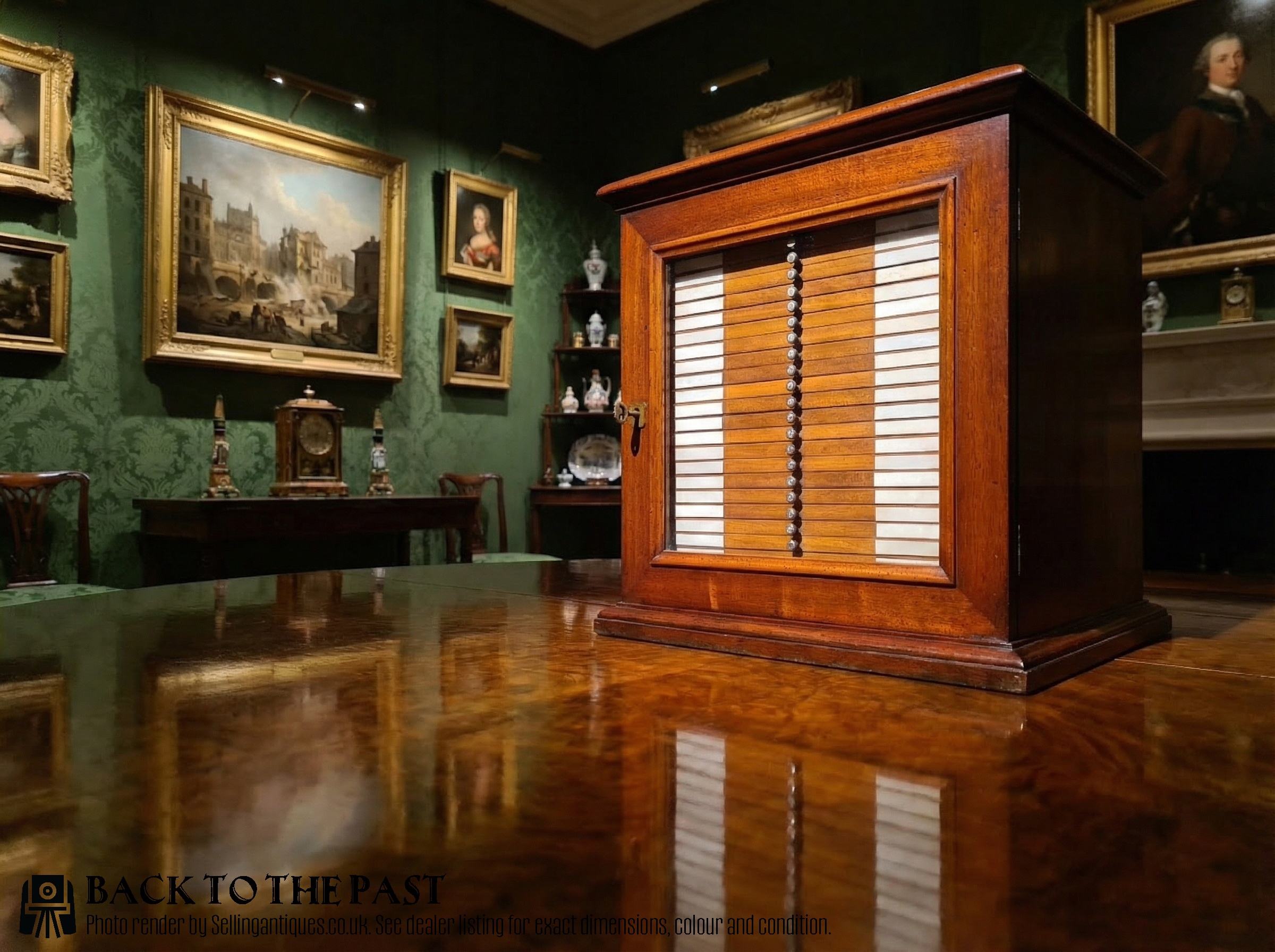
Mahogany Slide Cabinet
A mahogany slide cabinet primarily serves collectors who house microscope slides, specimens, or medals within compact, multi-drawer housings. These pieces span the eighteenth, nineteenth, and early twentieth centuries, appearing in Georgian, Victorian, Edwardian, and Regency styles.
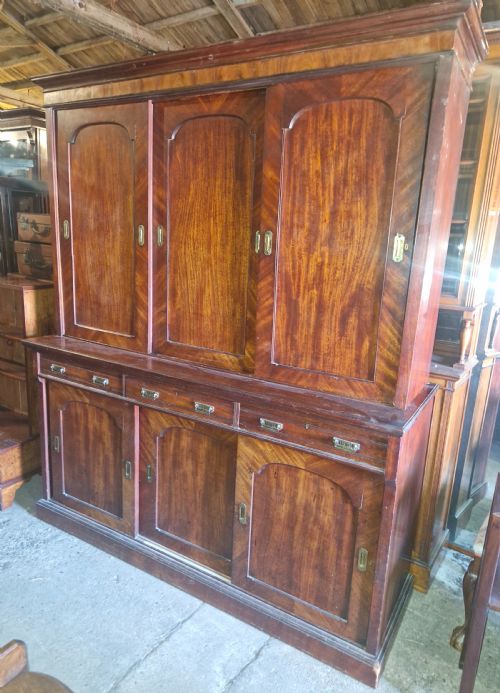
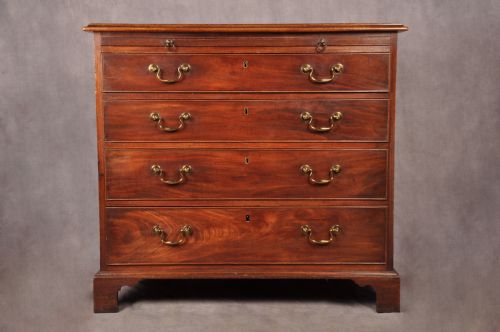
Beyond dedicated microscope slide cabinets, the evidence shows related forms incorporating sliding elements, such as chests of drawers featuring brushing slides, davenports with sliding tops, and linen presses equipped with sliding trays.
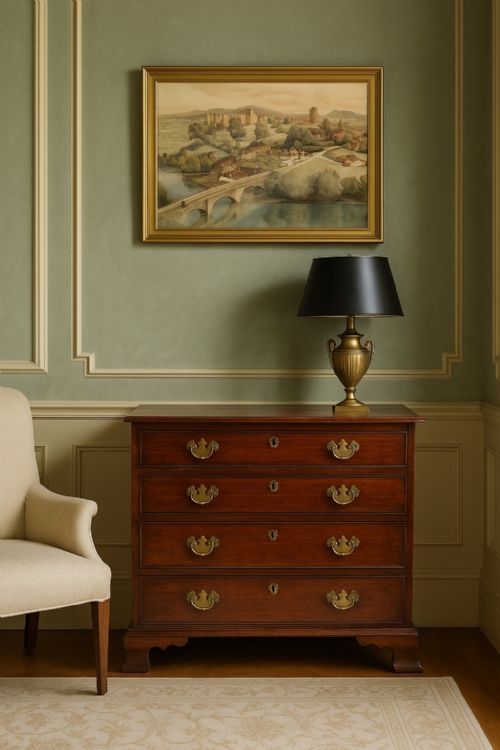
Construction relies heavily on mahogany, alongside supplementary timbers like deal, oak, pine, and satin wood, often finished with brass hardware and leather inserts.
How They Were Made
Cabinetmakers utilised solid mahogany and polished veneers to construct the primary carcases, incorporating secondary timbers such as oak, deal, and pine for internal framing and drawer linings.
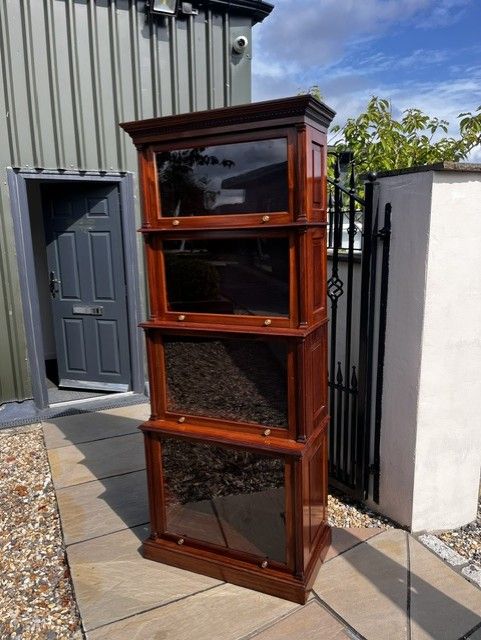
Brass handles, pulls, and locking mechanisms provide structural security and operation, whilst occasional glass doors or leather writing surfaces complement the multi-drawer interiors designed to hold delicate slides and specimens.
The archive and current listings include dedicated microscope slide housings containing up to forty-four drawers alongside hundreds of preserved slides.
What Varies in Quality
The sophistication of the internal drawer construction separates standard examples from exceptional pieces, particularly in cabinets housing numerous fitted micro-slides or specimen trays.
The choice of primary timber figure, the retention of original brass and glass components, and documented attribution to established makers elevate certain pieces above standard vernacular storage boxes.
AMYL·ROBERT GILLOWS II
The Mahogany Slide Cabinet Glossary
- Brushing slide
- A pull-out shelf integrated into a chest of drawers or desk, traditionally used for folding clothes or writing temporarily.
- Linen press
- A tall cupboard featuring internal sliding trays designed to store folded textiles and garments.
- Davenport
- A small pedestal desk featuring a sloped writing surface, frequently designed with a sliding top or side drawers.
- Specimen cabinet
- A specialised housing containing numerous shallow drawers built to organise natural history collections or scientific items.
- Deal
- A soft timber derived from pine or fir, commonly utilised for secondary framing and internal partitions in British cabinetry.
Mahogany Slide Cabinet: Frequently Asked Questions
What fits inside a mahogany slide cabinet?
These cabinets primarily accommodate glass microscope slides, medals, or small natural history specimens within their shallow, numerous drawers.
Alternative forms like linen presses and desks utilise sliding trays or brushing boards for textiles and writing.
How do I date a mahogany cabinet?
Dating relies on stylistic markers from periods such as the Georgian, Victorian, Edwardian, and Regency eras.
Construction details, timber selection, and specific hardware types further narrow the production window.
Are all these cabinets for microscope slides?
No, the selection encompasses various forms including standard chests of drawers, bookcases, davenports, and linen presses.
Some feature dedicated multi-drawer slide capacities, whilst others incorporate a single sliding shelf or tray.
What timbers were used alongside mahogany?
Cabinetmakers frequently combined mahogany with secondary woods including oak, pine, deal, and satin wood.
Hardware incorporated brass for handles and locks, alongside glass doors and leather writing surfaces.