

Mahogany Side Table Castors
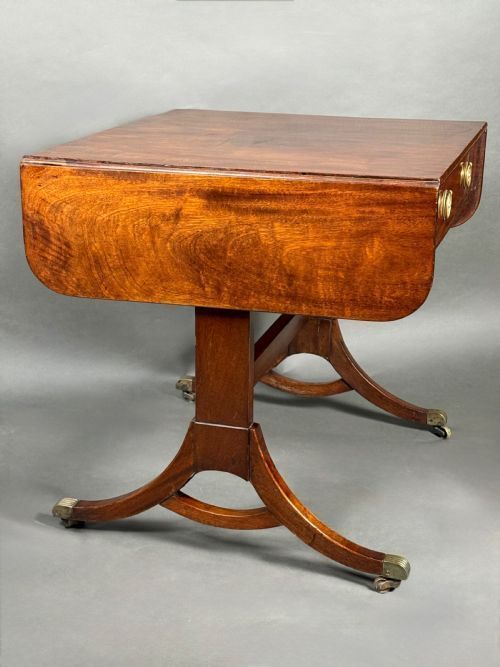
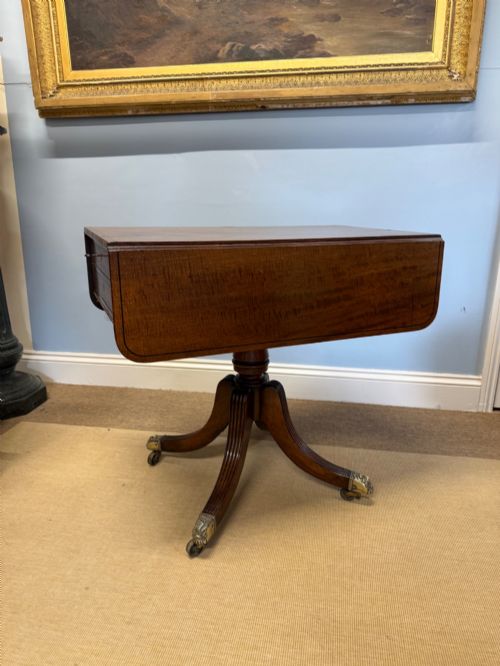
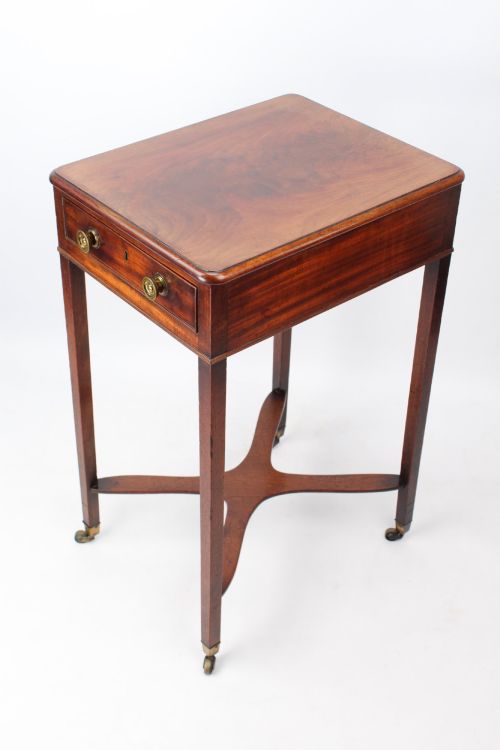
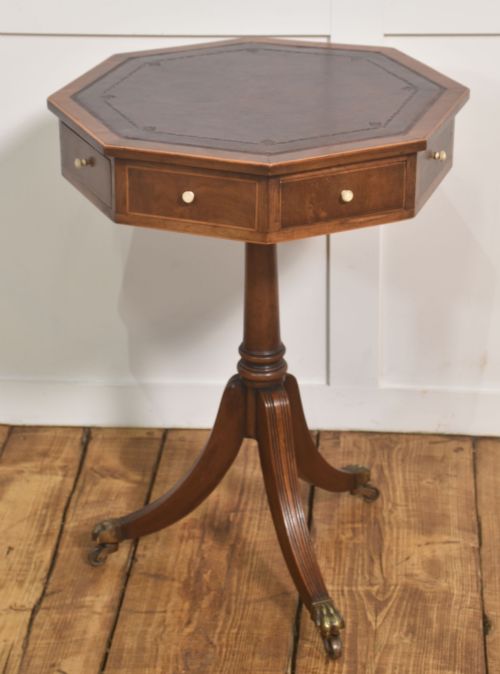
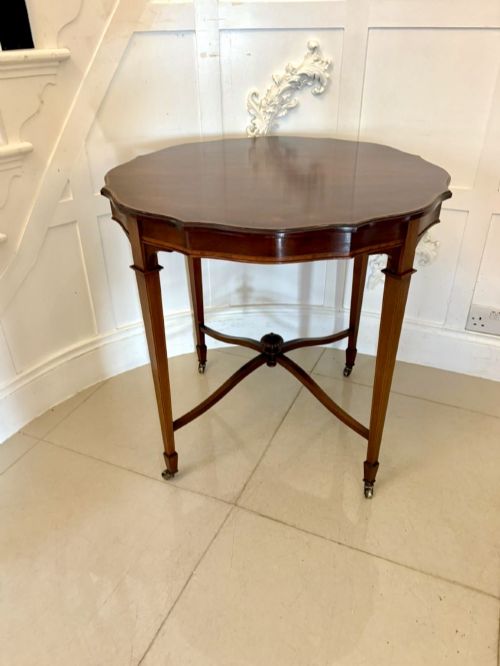
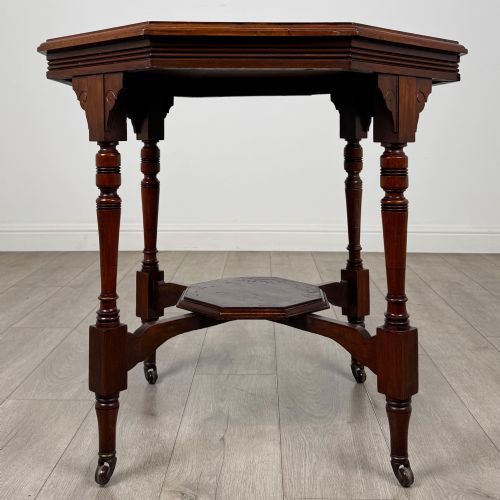
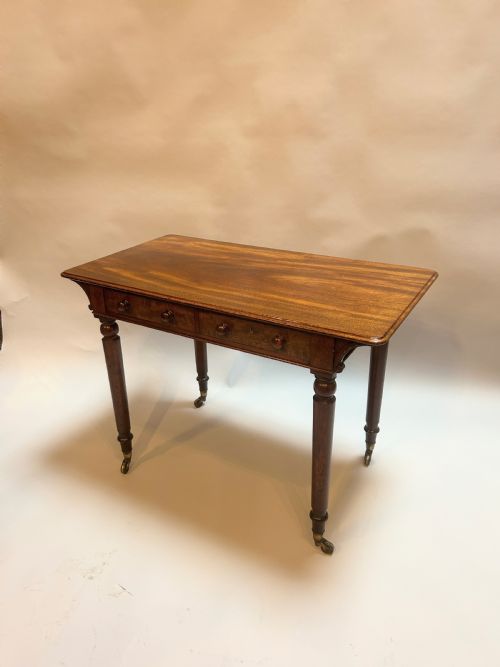
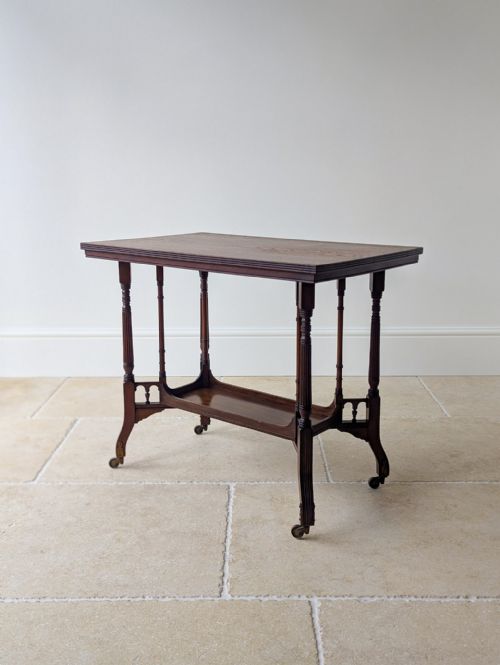
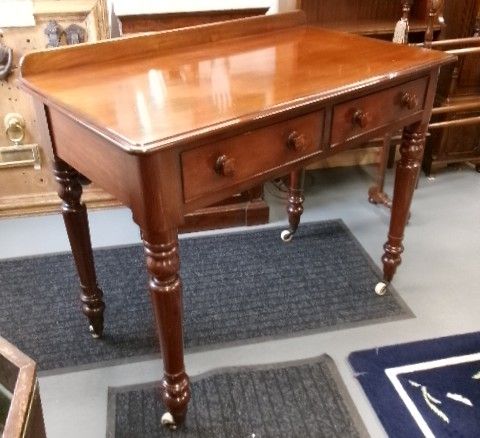
These mahogany side table castors represent mobility in period furniture, bringing ease of movement to side tables, Pembroke tables, and writing desks.
Mahogany Side Table Castors
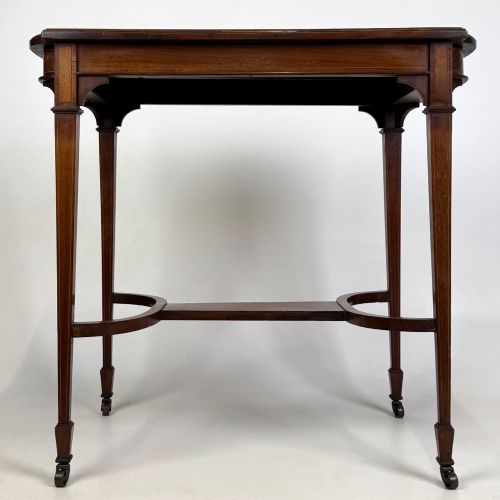
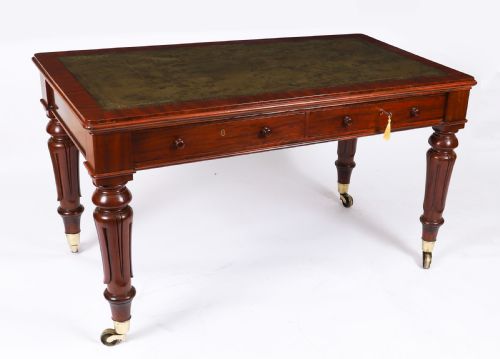
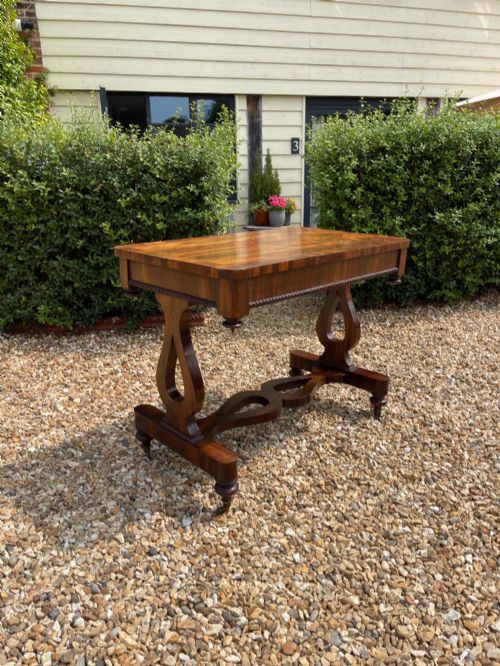
When you search for mahogany side table castors, you encounter movable tables resting on small wheels attached to their legs. These pieces span periods from the Georgian and Regency eras through the Victorian and Edwardian decades. The selection includes side tables, occasional tables, sofa tables, Pembroke tables, and writing desks.
You meet various functional forms on this page, including tea tables, two-tier reading tables, and multiple drawer writing desks. Many examples incorporate drop leaves, tilt-top actions, or revolving book mechanisms. Mahogany serves as the primary timber across these diverse forms, often enhanced by inlay or crossbanding.
Originating predominantly from the nineteenth and early twentieth centuries, these tables reflect the domestic habits of past households. They were built to be repositioned easily around morning rooms, lounges, and libraries as needs changed. The inclusion of castors allowed heavy timber furniture to glide across carpets and wooden floors without marking.
How they were made
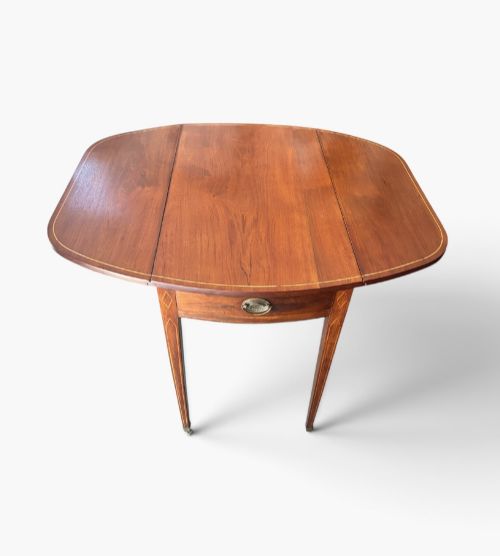
Cabinet makers utilised solid mahogany and flame mahogany veneers over secondary timbers, often embellishing surfaces with satinwood, boxwood, and rosewood inlay. Tables designed for writing or games frequently incorporated secondary materials like leather and baize inserts.
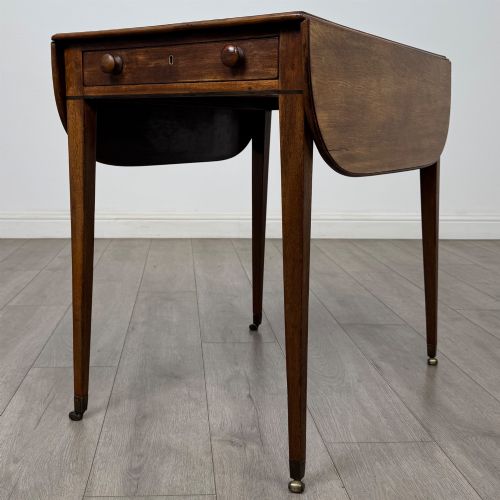
The hardware supporting mobility typically consisted of brass castors, sometimes paired with ceramic wheels. These were fixed to the base of tapering, turned, or reeded legs to ensure smooth movement during daily use.
Listings feature mahogany side table castors spanning the Georgian, Regency, Victorian, and Edwardian periods.
What varies in quality
The distinction between standard domestic pieces and superior examples rests in the choice of timber and the precision of the cabinet work. Highly figured flame mahogany and crisp boxwood or satinwood stringing elevate a piece above plain utility furniture.
Construction details such as dovetailed drawer linings, fine turning, and original brass castor fittings indicate workshop skill. Pieces bearing attribution to known makers or possessing unusual forms command greater attention from collectors.
Gillows·Gregory And Co·J A Mein
The Mahogany Side Table Castors Glossary
- Castor
- A small wheel fitted to the foot of a piece of furniture to allow easy rolling. These fittings are commonly cast from brass and sometimes feature ceramic rollers.
- Pembroke table
- A small, versatile table with hinged drop leaves on either side. These tables often include a single drawer and rest on movable legs.
- Sofa table
- A rectangular occasional table traditionally placed in front of a sofa. They typically feature drop leaves and double pedestals or end supports.
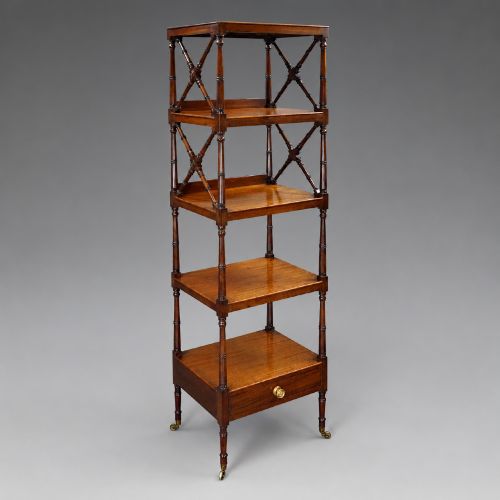
- Whatnot
- An open shelved piece of furniture used for displaying or storing books and ornaments. Examples range from compact side stands to multi-tiered stands.
- Crossbanding
- A decorative border of veneer laid with the wood grain running perpendicular to the surface it frames. This technique adds visual contrast to tabletops.
Mahogany Side Table Castors: Frequently Asked Questions
What are mahogany side table castors?
These are movable tables fitted with small wheels on their legs, allowing them to shift across floors easily.
They appear across Georgian, Regency, and Victorian periods in forms such as Pembroke tables and writing desks.
How were these movable tables used?
Households repositioned them for reading, writing, tea service, or games depending on the hour of the day.
Their wheels made it simple to move heavy mahogany furniture around morning rooms and libraries without lifting.
How do I identify a Regency table?
Regency pieces often display classical proportions, dark flame mahogany, and brass fittings such as castors.
They date roughly from the early nineteenth century and frequently incorporate boxwood inlay or tilt-top mechanisms.
Where did these tables originate?
They emerged from British cabinet workshops during the eighteenth and nineteenth centuries.
Many bear the structural characteristics of English regional cabinet makers and London firms.