
Mahogany Side Stand
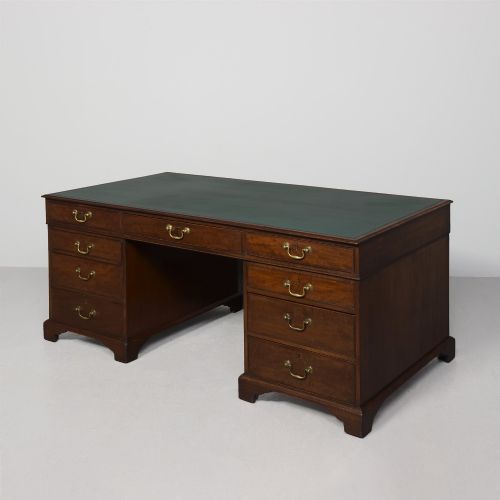
When you search for a mahogany side stand, you are looking at versatile tables and stands from the Georgian, Victorian, and Edwardian eras.
Mahogany Side Stand
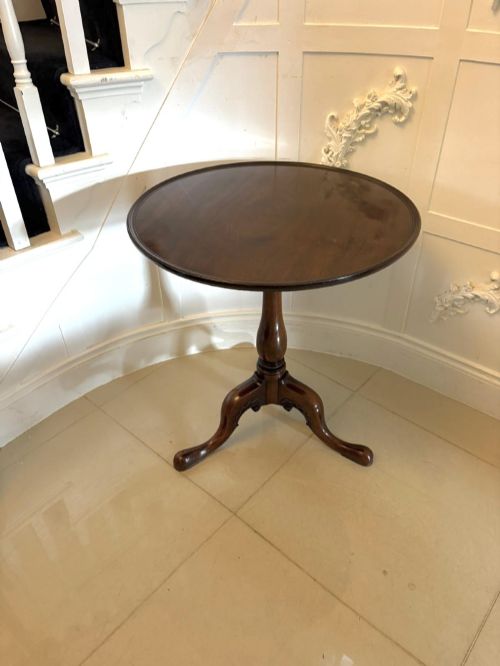
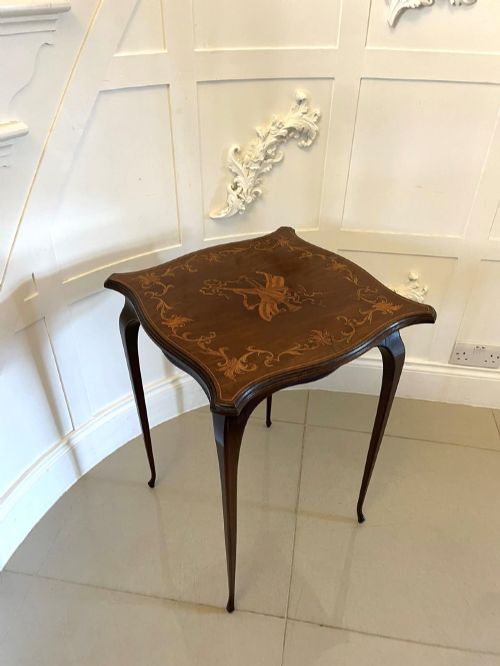
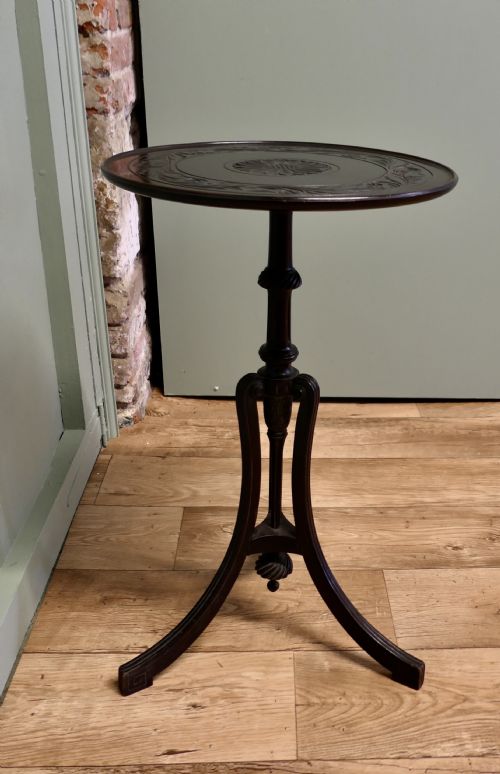
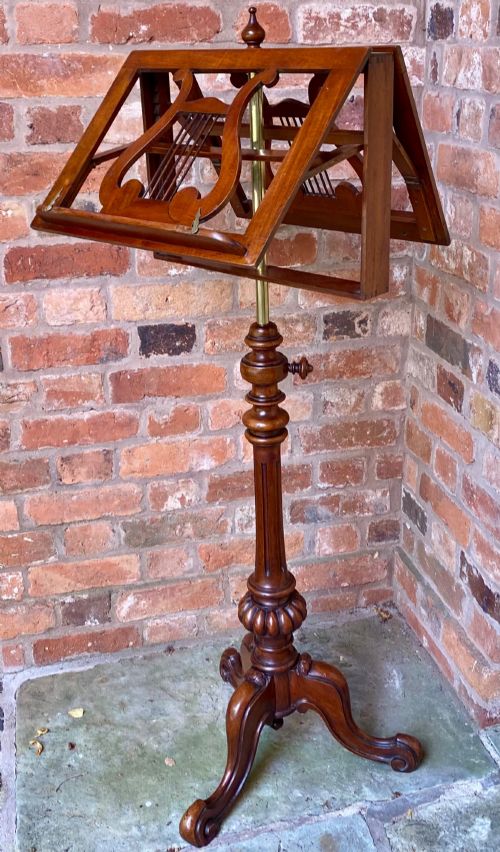
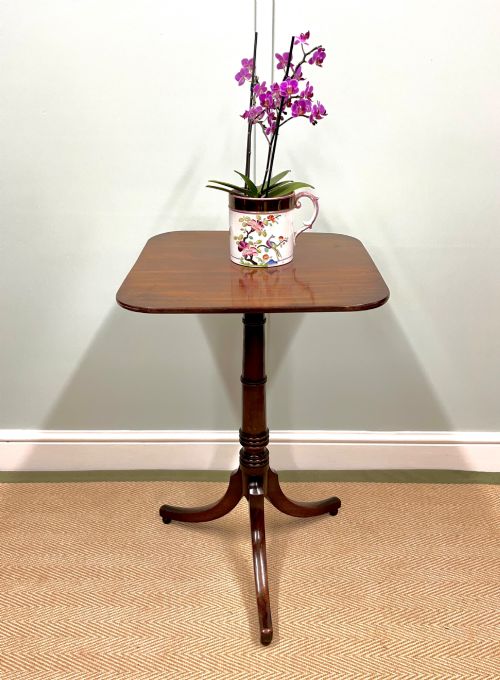
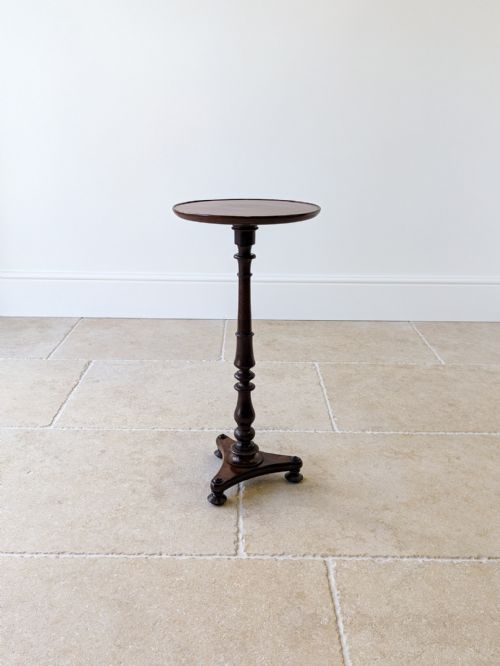
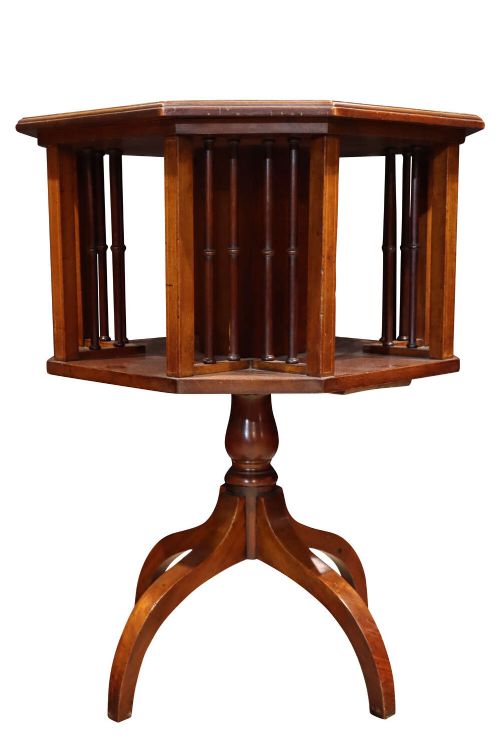
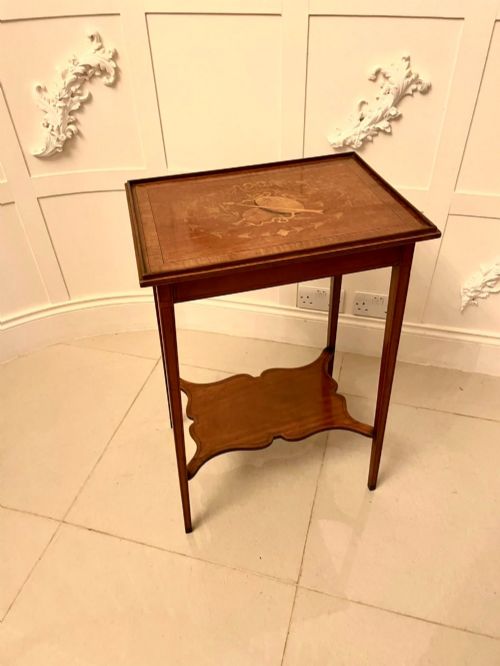
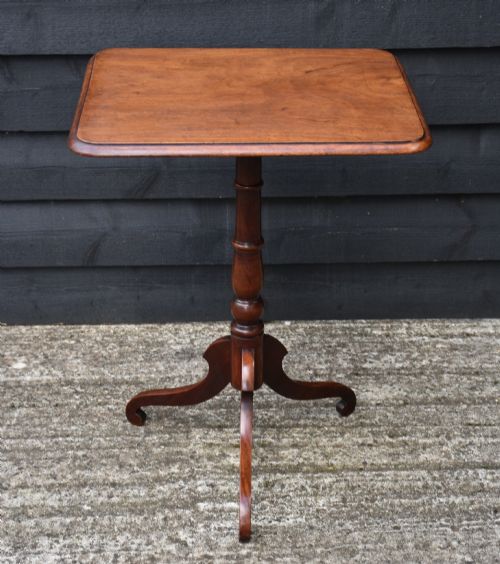
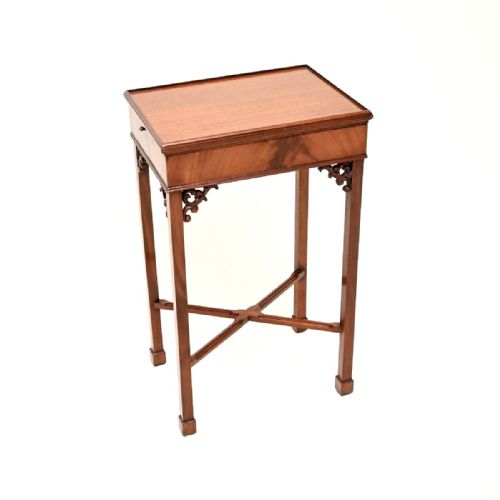
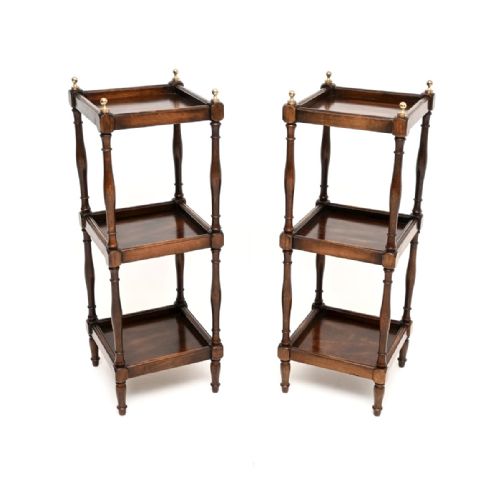
A mahogany side stand encompasses a wide variety of secondary tables and stands designed for specific domestic uses rather than central dining. The selection on this page ranges from compact wine tables and tripod stands to multi-tiered whatnots and butler's trays.
The versions most commonly encountered date from the Victorian and Edwardian periods, alongside refined examples originating in the Georgian and Regency eras. These pieces typically served auxiliary functions in bedrooms, libraries, and drawing rooms as supports for lamps, drinks, or washing equipment.
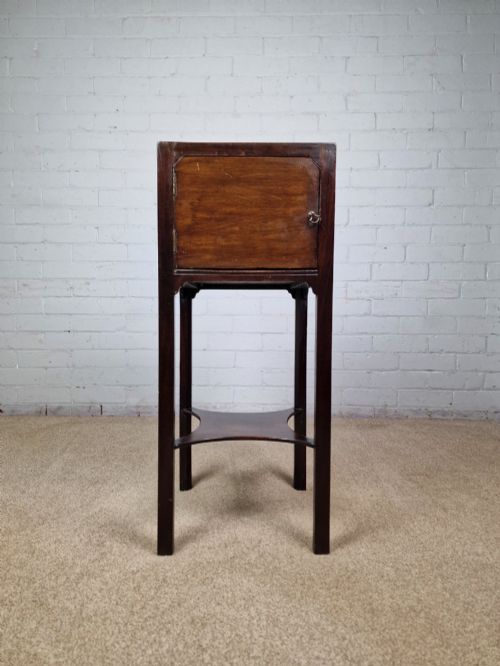
Forms vary considerably according to their original purpose, including tilting tops, stationary lamp tables, and bedside cabinets. Each configuration reflects the specific requirements of period domestic life while utilising the durability of mahogany timber.
How They Were Made
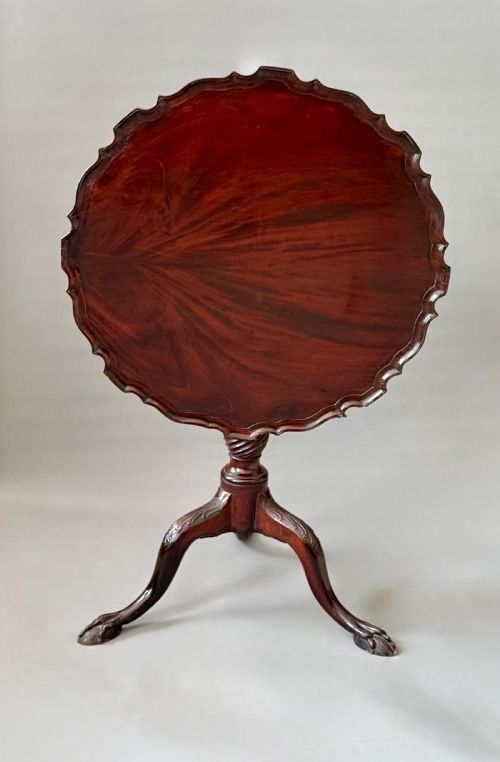
Cabinet makers constructed these pieces primarily from solid and veneered mahogany, often selecting figured timber for table tops to display natural grain patterns. Subsidiary woods such as satinwood, boxwood, and oak frequently appear in decorative inlays and structural interiors.
Metal components such as cast brass handles, drop-flaps, and adjustable mechanisms added functional utility to tables and tray stands. Fine turning, carving, and parcel gilt detailing demonstrate the technical skill applied during the Georgian and Victorian periods.
Some nineteenth century stands doubled as fire cats, designed to rest near the hearth and warm your toast.
What Varies in Quality
Quality in a mahogany side stand is defined by the selection of the timber and the precision of the joinery rather than ornate decoration alone. Pieces utilising highly figured mahogany or intricate wood inlay display a superior grade of craftsmanship.
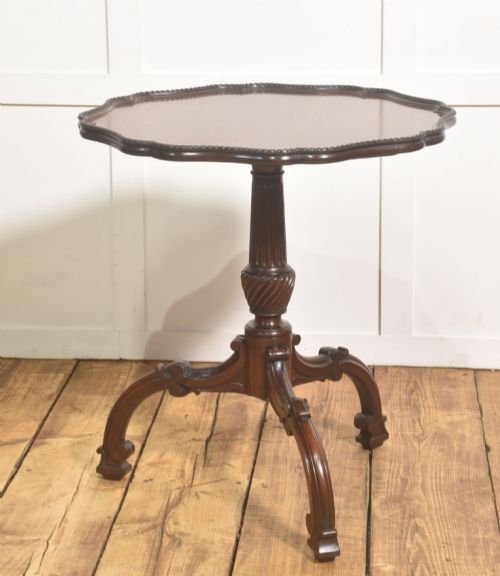
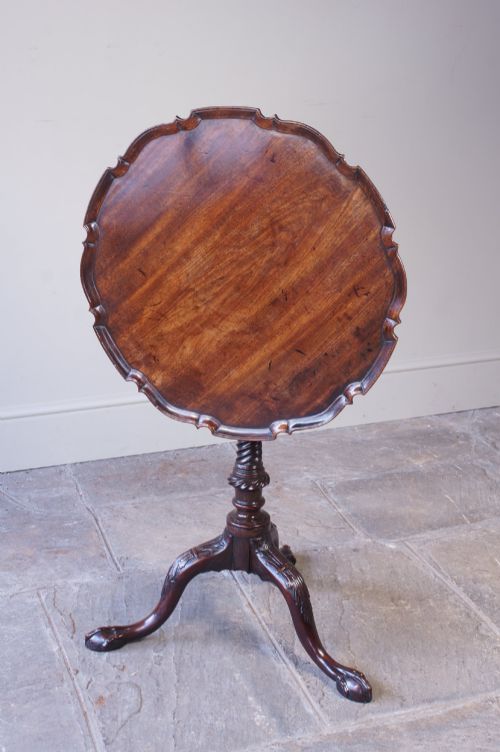
Structural integrity also separates standard utility items from finer examples, evident in the stability of tripod bases, the smooth action of tilt-top mechanisms, and the crispness of carved details such as pie crust edges or barley twist columns.
Trevor Page & Co·Gillow
The Mahogany Side Stand Glossary
- Tripod table
- A small freestanding table supported by a central pillar on three legs. These versatile pieces were frequently designed with tilting mechanisms for easy storage.
- Whatnot
- An open shelved piece of furniture used for displaying or storing small items and books. They appear with multiple tiers and occasional drawers.
- Wine table
- A compact table intended for holding a single glass or bottle. They often feature small circular tops supported by turned pedestals.
- Butler's tray
- A removable wooden tray with hinged sides, designed to sit upon a folding X-frame stand. They served functional roles in serving and entertaining.
- Figured mahogany
- Timber cut to reveal distinctive, decorative grain patterns such as flame or fiddleback. Cabinet makers reserved this material for prominent surfaces like table tops.
Mahogany Side Stand: Frequently Asked Questions
What is a wine table used for?
A wine table provided a convenient surface for holding a glass or decanter during evening gatherings in period drawing rooms.
Their compact circular tops made them easy to move around seating areas as required.
How do I identify a tilt top table?
Tilt top tables feature a mechanism beneath the surface that allows the main board to pivot vertically when not in use.
This design enabled the furniture to be stored flat against a wall to save space in smaller rooms.
What is the difference between a whatnot and a side table?
A side table offers a single surface supported by legs or a central pedestal for general placement of lamps and decorative objects.
By contrast, a whatnot provides multiple open tiers for vertical storage and display.
Where were bedside stands placed?
Bedside stands and nightstands sat adjacent to sleeping quarters to hold chamber lighting, books, and washing utensils.
Enclosed cabinet versions often concealed pot cupboards or small drawers for personal items.