


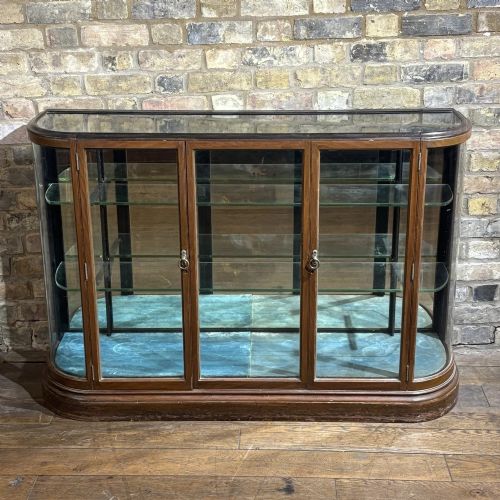


Mahogany Shop Cabinet
When you search for a mahogany shop cabinet, you encounter commercial fittings designed to showcase wares in Victorian and Edwardian retail spaces.
Mahogany Shop Cabinet
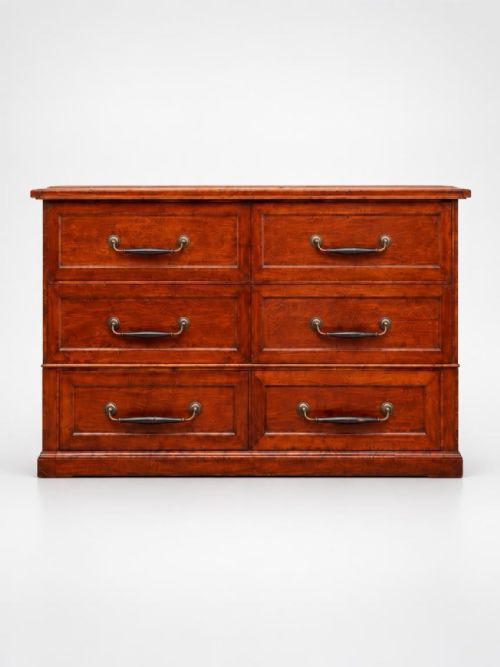
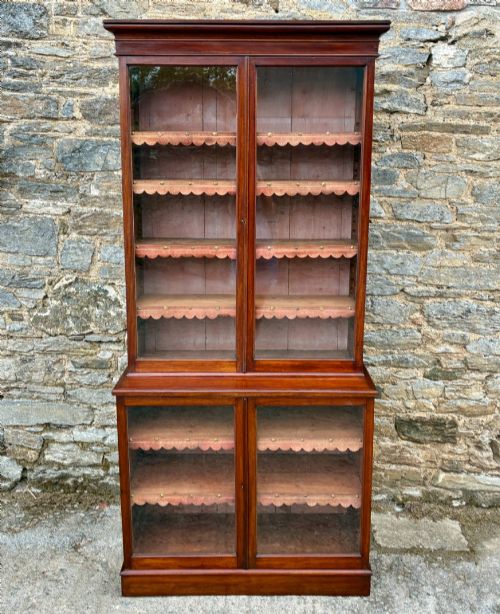
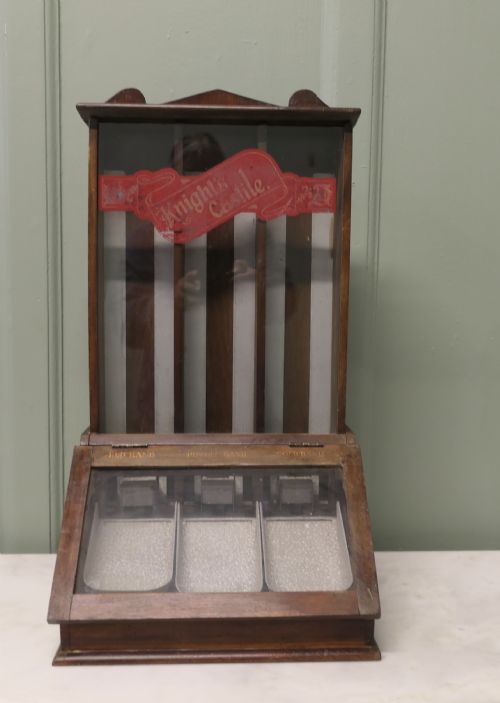
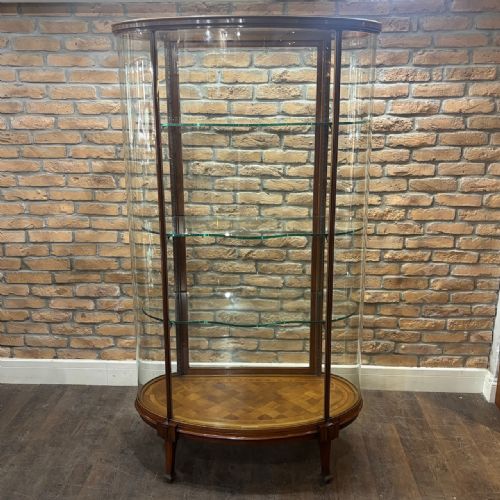
A mahogany shop cabinet serves as a display piece originating from nineteenth and early twentieth century commerce. These items include countertop cases, tall freestanding units, and specialised haberdashery or apothecary drawers designed for retail environments.
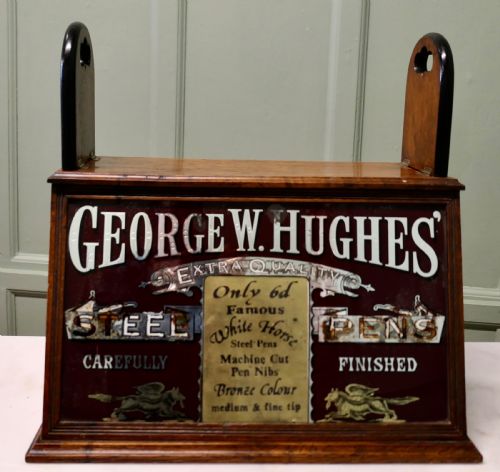
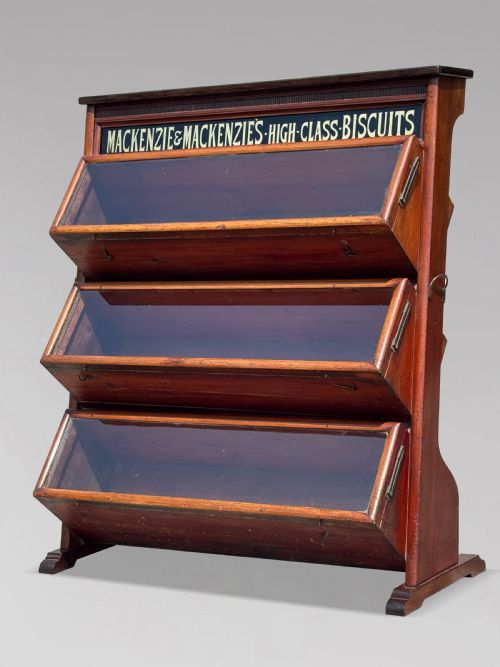
The pieces often bear maker inscriptions or advertising for confectioners, chemists, and jewellers. They range from small table top models to large architectural counters used in high street shops.
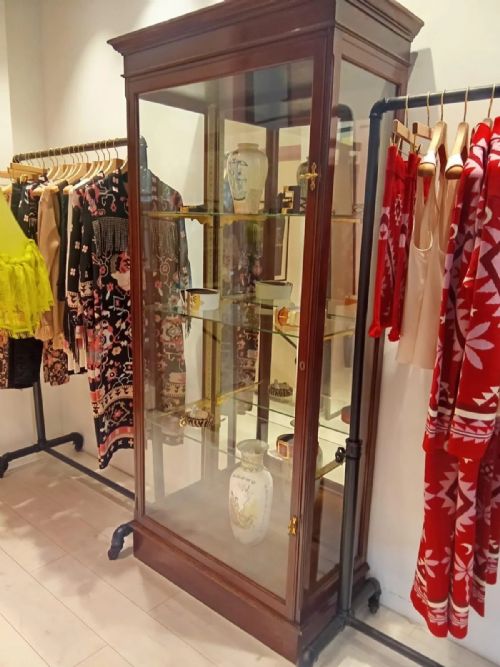
Edwardian and Victorian iterations dominate the selection, showing the heavy commercial demand for durable display furniture during those periods. Many pieces incorporate glazed panels and adjustable glass shelving to maximise visibility for merchandise.
Materials and construction
Makers utilised solid mahogany and hardwood frames to construct sturdy commercial carcasses capable of withstanding daily retail use. Glass panels and doors were fitted to enclose the display areas while keeping goods visible to customers.
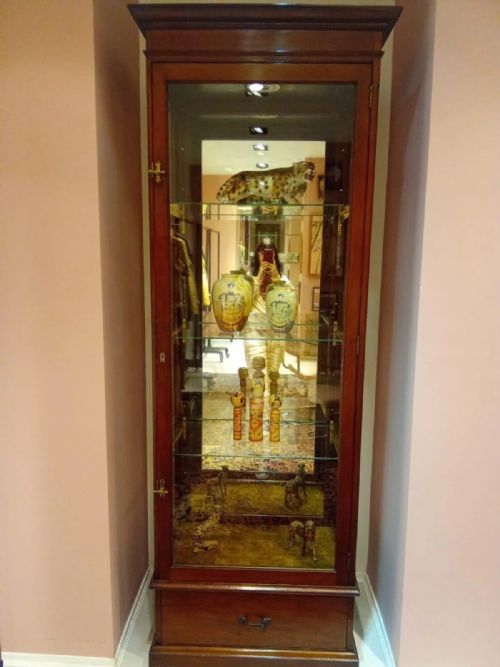
Interiors frequently integrated brass hardware, mirror backs to enhance light reflection, and fabric linings. Additional details such as gold leaf lettering and painted advertising signage were applied for branding purposes.
Mahogany Shop Cabinet Retail Price Guide 2026
Typical asking prices for mahogany shop cabinet among the pieces listed under this phrase on Sellingantiques today, from the lower quarter to the upper quarter. They describe what is for sale here now, not the wider market.
Assessing quality in commercial fittings
Superior examples feature refined joinery, such as bow fronts and solid mahogany framing rather than veneered secondary woods. The presence of original maker plates, intact glass shelving, and functioning brass fittings elevate a piece.
Original hand-painted signage or gold leaf advertising adds distinct historical provenance compared to plain or later altered carcasses. The proportion and scale of the cabinet dictate its versatility within a modern domestic interior.
F. Sage & Co·John Stow Ltd·E. Pollard & Co. Ltd
The Mahogany Shop Cabinet Glossary
- Haberdashery cabinet
- A multi-drawer unit with glass fronts or pulls originally utilised in drapery shops for storing small sewing goods and ribbons.
- Vitrine
- A glass-fronted display case or cabinet used for exhibiting fine objects, frequently found in jewellers and upscale retail spaces.
- Chemist drawer
- A specialised pharmacy fixture featuring multiple small compartments or drawers for holding medicinal ingredients and powders.
- Bow front
- A convex curved cabinet face that requires advanced woodworking techniques to shape timber and glass accurately.
- Stringing
- A narrow inlay of contrasting wood, such as satinwood, embedded into the mahogany surface for decorative framing.
Mahogany Shop Cabinet: Frequently Asked Questions
What were these cabinets used for?
Retailers utilised these commercial cases on counters and shop floors to protect delicate merchandise while displaying it clearly to passing buyers.
Goods ranged from chocolates and sewing cottons to apothecary supplies and jewellery, each requiring specific shelving configurations.
How do I date a shop cabinet?
Dating relies on architectural styles, construction methods, and materials consistent with Victorian and Edwardian commercial furniture design.
Maker plaques, patent numbers, and original painted advertising can also narrow the manufacturing period to specific decades.
Can I use one at home?
These cabinets adapt well to domestic spaces for displaying collections, glassware, or books behind protective glass panels.
Freestanding towers and countertop units fit easily into living rooms or kitchens, providing secure storage with historical character.
Are the glass shelves original?
Many surviving pieces retain their adjustable glass shelves, though replacement glass occurs due to the fragility of commercial display fittings.
Examining the edge work and thickness of the glass helps determine whether the shelves match the age of the main cabinet structure.