


Mahogany Sarcophagus Wine Box
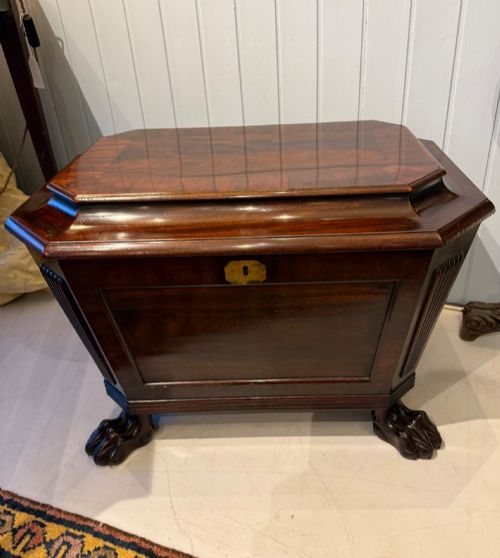
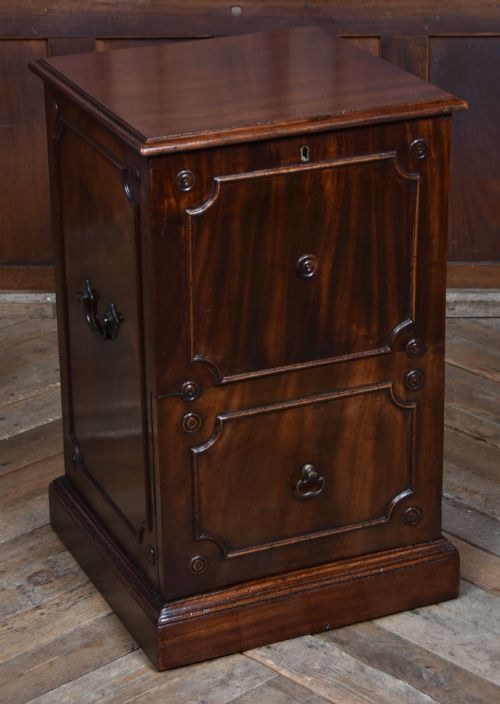
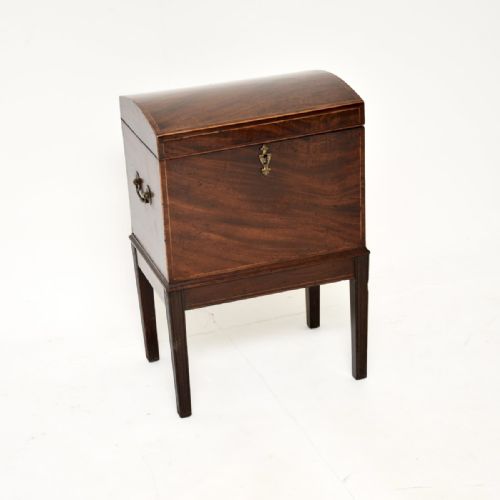
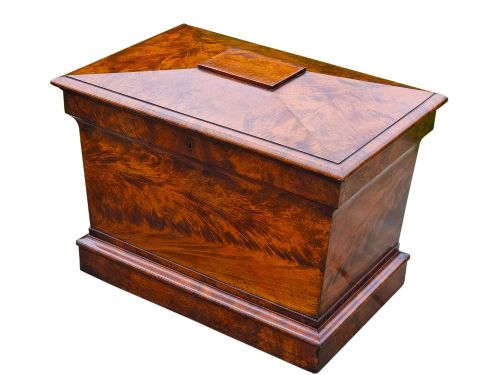
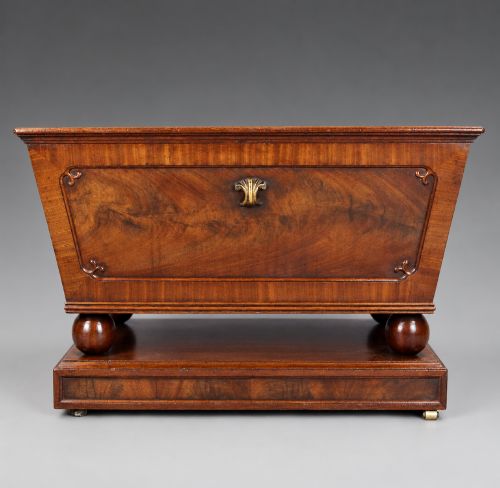
A mahogany sarcophagus wine box is a monumental dining room receptacle designed to chill bottles, combining classical architectural dignity with rich timber figure.
Mahogany Sarcophagus Wine Box
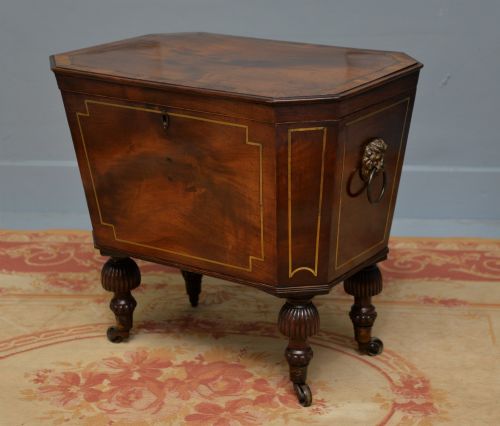
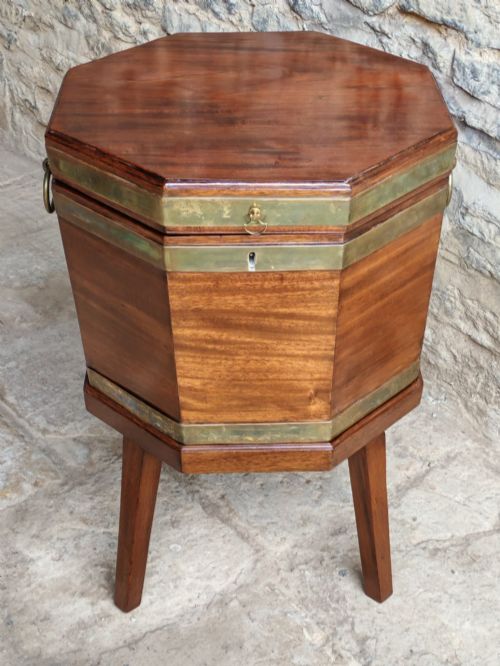
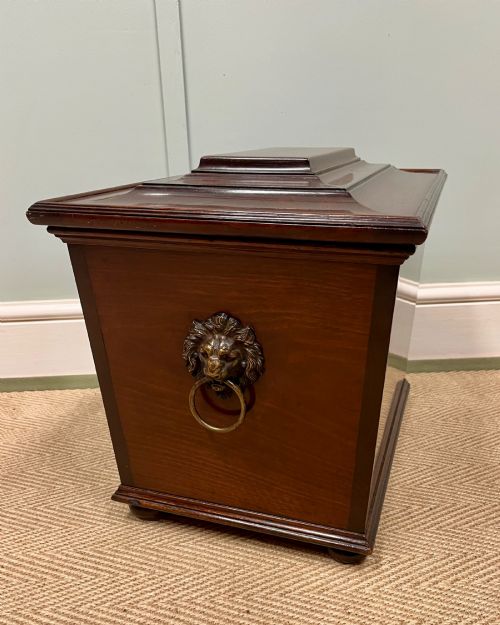
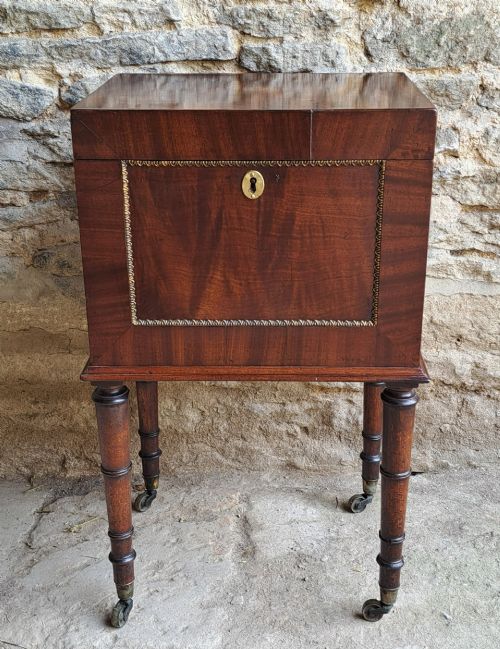
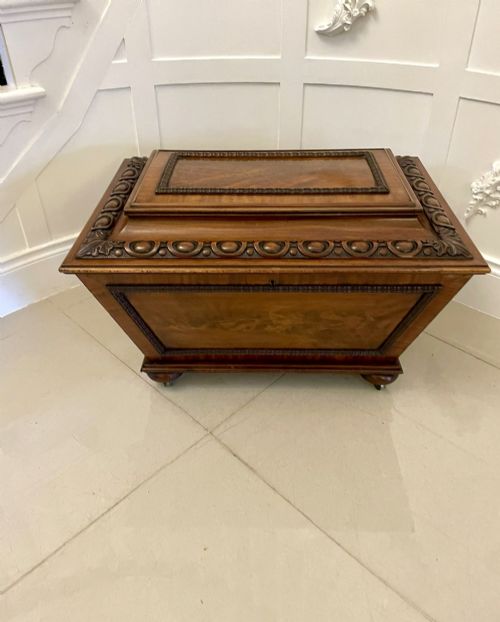
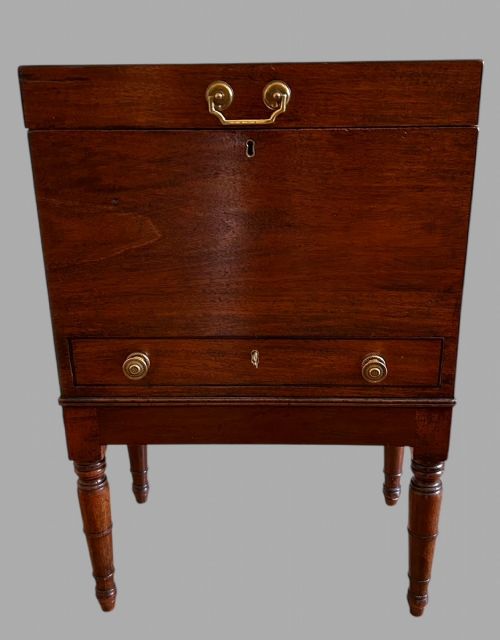
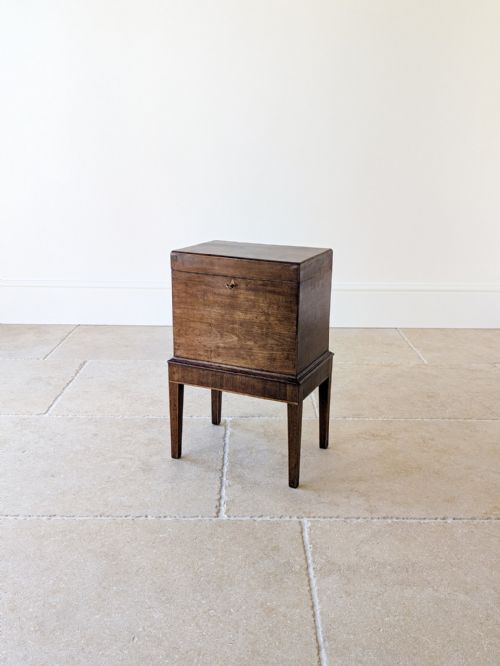
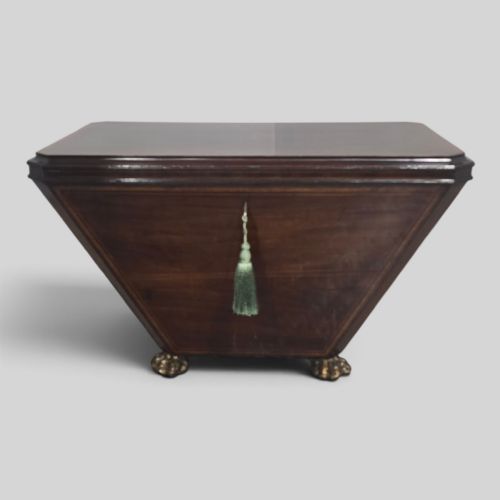
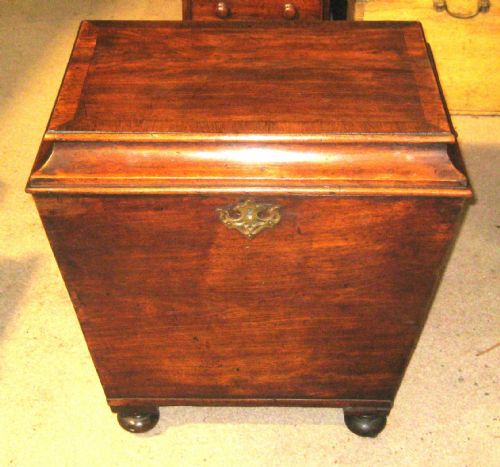
A mahogany sarcophagus wine box, also known as a cellarette or wine cooler, sits beneath the sideboard to hold bottles ready for the table during the Georgian, Regency, and Victorian periods. The most common form met on this page is the low, wedge-topped sarcophagus shape with heavy carved feet or castors, heavily inspired by ancient Roman stone tombs.
Makers shaped these grand storage cases from dense tropical timbers, frequently finishing them with sweeping flame veneers that catch the candlelight. They emerge primarily across the 18th and 19th centuries, spanning Georgian elegance through to Edwardian revivalism.
Inside these imposing storage cases, masters often fitted lead linings or metal dividing compartments designed to hold ice alongside the bottles. The exterior proportions range from modest domestic boxes to very large freestanding pedestals.
How they were made
Cabinet makers constructed the carcasses from solid mahogany or applied highly figured flame mahogany veneers over sturdy secondary timbers. They embellished these surfaces with contrasting boxwood or satinwood inlay and cast ormolu mounts.
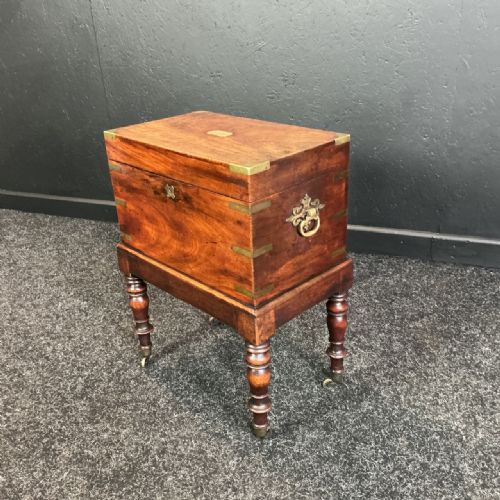
Metal components played a structural role, with heavy brass bands securing the timber staves and watertight lead linings fitted into the interior compartments to contain melting ice.
Mahogany Sarcophagus Wine Box Retail Price Guide 2026
Typical asking prices for mahogany sarcophagus wine box among the pieces listed under this phrase on Sellingantiques today, from the lower quarter to the upper quarter. They describe what is for sale here now, not the wider market.
Listings span the Georgian, Regency, William IV, and Victorian periods, utilising mahogany, flame mahogany, brass, ormolu, and lead.
What varies in quality
The distinction between ordinary and exceptional examples rests upon the selection of timber figure, such as richly swirling flame mahogany, and the crispness of carved details like paw feet or classical scrolls. Maker attribution, through stamps or distinct regional workshop traits, separates standard production pieces from high-end commissions.
Internal preservation dictates the utility and original integrity of the piece, particularly the survival of the fitted lead liner or original internal divisions.
Edwards and Roberts·Freemans of Norwich·T.Feetham·Gillows of Lancaster and London·Thomas Hope
The Mahogany Sarcophagus Wine Box Glossary
- Cellarette
- A lockable container used for storing wine and spirits within the dining room. They sit on the floor beneath the sideboard or dining table.
- Sarcophagus form
- A burial chest shape featuring a sloping lid and tapering sides, adopted by furniture designers during the classical revival.
- Flame mahogany
- A highly decorative veneer cut from where a branch joins the main trunk, creating a characteristic rippling flame pattern.
- Lead liner
- A soft metal interior lining soldered into the bottom of the box to hold ice and water without leaking into the timber carcass.
- Ormolu
- Gilded bronze mounts cast and chased in classical motifs, applied to the corners and feet of fine Regency furniture.
Mahogany Sarcophagus Wine Box: Frequently Asked Questions
What is a mahogany sarcophagus wine box used for?
These large storage cases served to hold wine bottles and chill them with ice beneath the dining room sideboard during formal meals.
Today they function as striking architectural side tables or sculptural floor storage in a drawing room or study.
How do I spot a Regency piece?
Regency examples lean heavily on classical antiquity, displaying sarcophagus shapes, heavy brass paw feet, and restrained ormolu mounts.
They rely on rich flame mahogany grain rather than excessive carving for their visual impact.
Did they always have lead liners?
Many fine examples retain their original heavy lead linings which were essential for holding melting ice and cooling bottles before dinner.
Some interiors were later altered or stripped of their metal liners to serve as general storage boxes.
Where did they sit in the room?
These heavy boxes were designed to sit directly on the floor, usually tucked beneath the mahogany sideboard until called upon.
Their substantial weight and integrated castors allowed servants to wheel or slide them across the dining room carpet.