
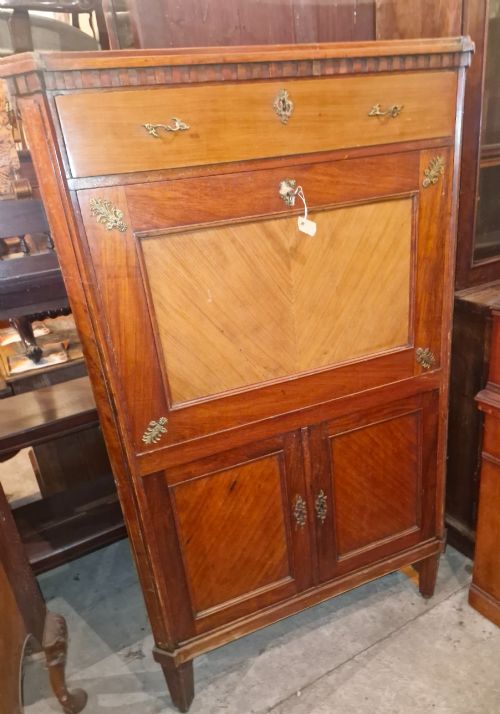
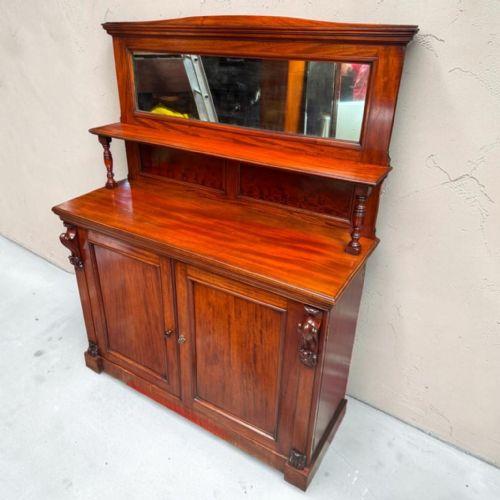
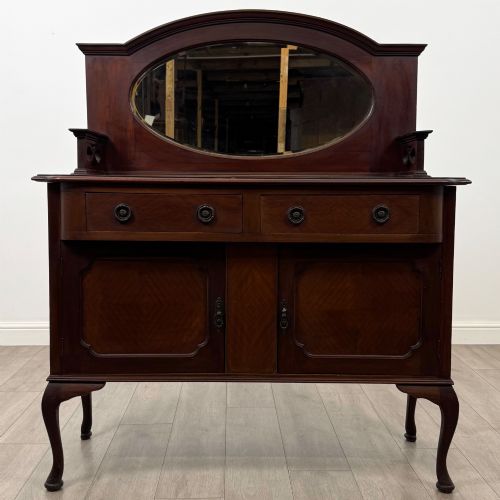
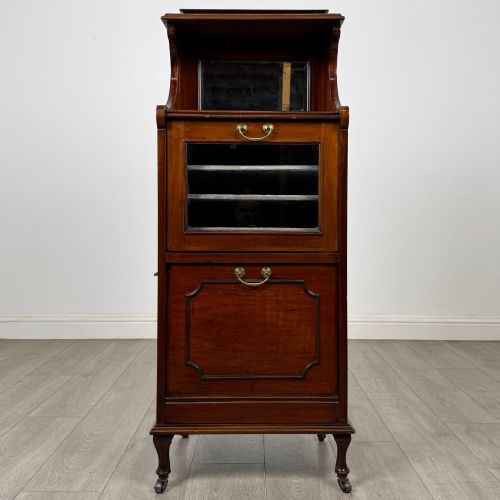
Mahogany Mirror Cabinet
Mahogany mirror cabinet pieces combine deep timbers with reflective glass, bringing light and storage into period interiors.
Mahogany Mirror Cabinet
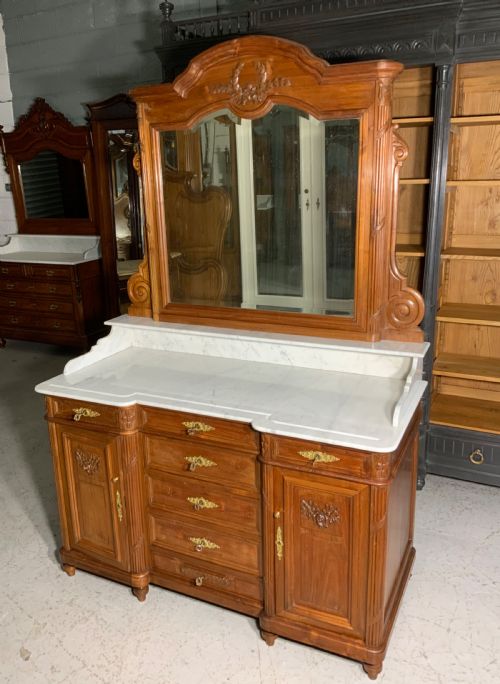
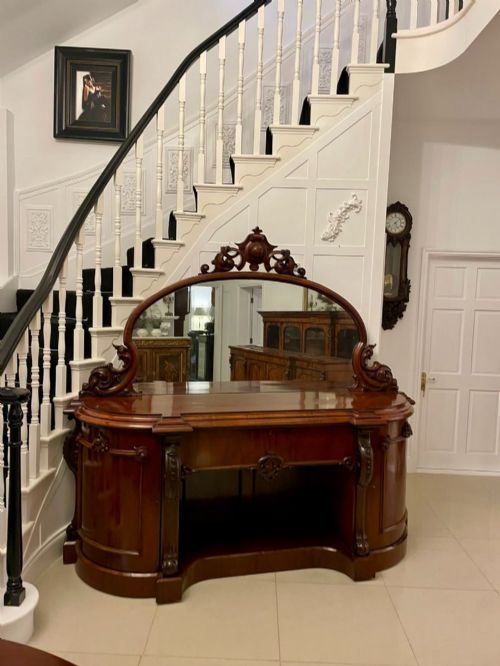
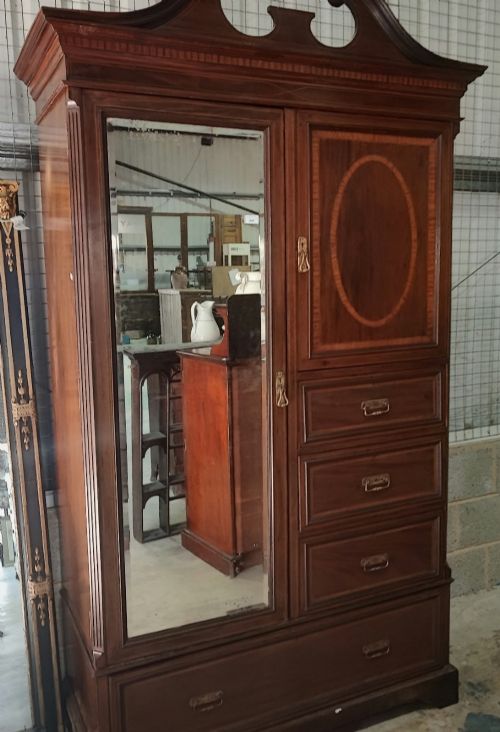
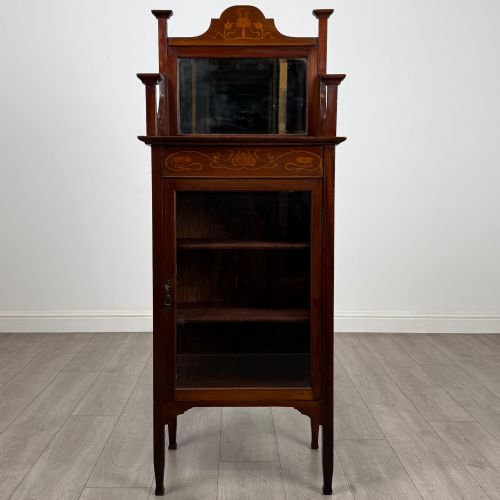
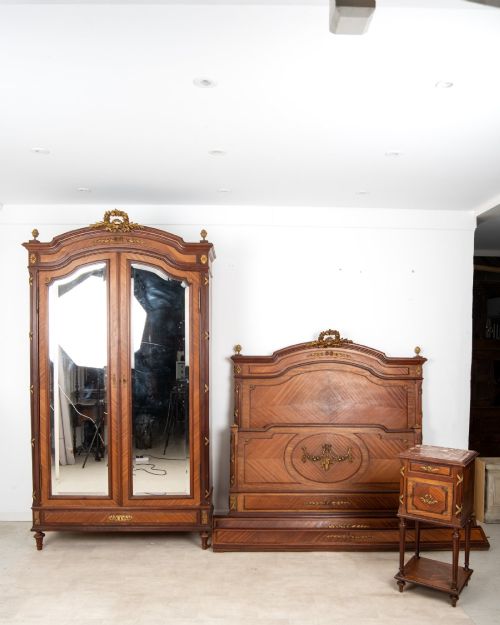
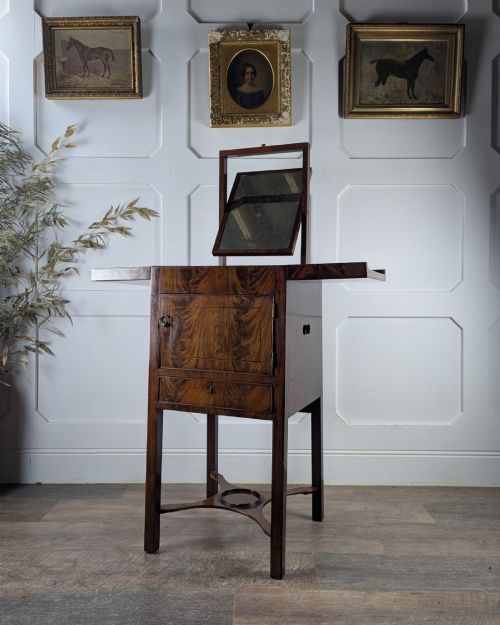
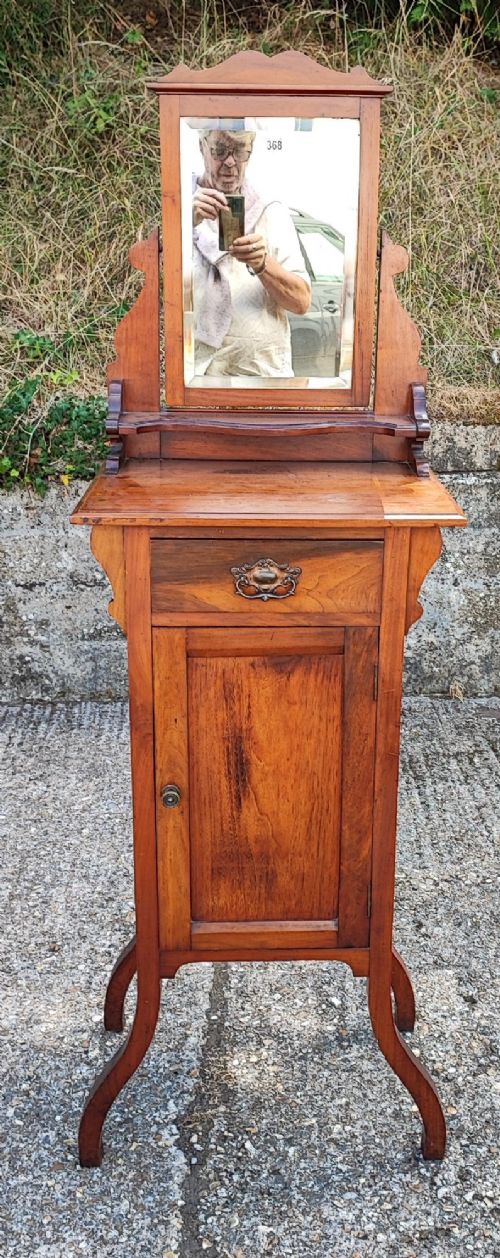
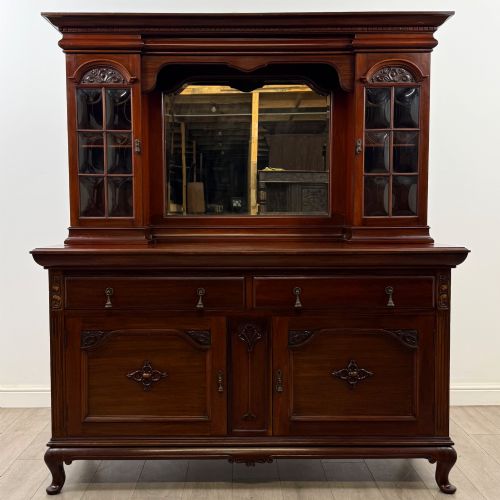
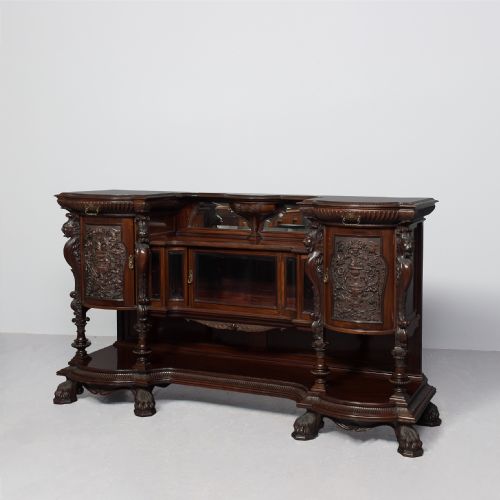
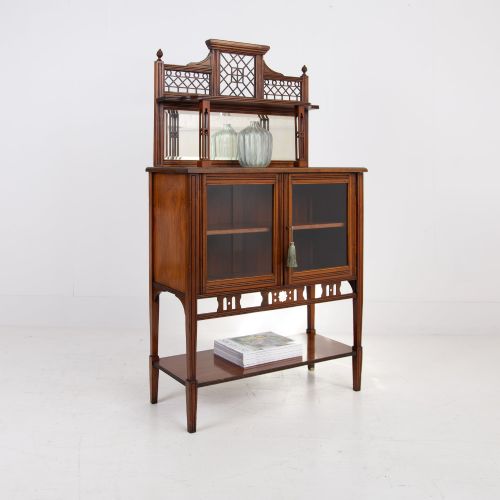
A mahogany mirror cabinet serves multiple functions across various domestic spaces, combining storage or display with an integrated reflective surface. When searching for a mahogany mirror cabinet, buyers encounter forms ranging from large sideboard backs and display units to compact bedside pieces.
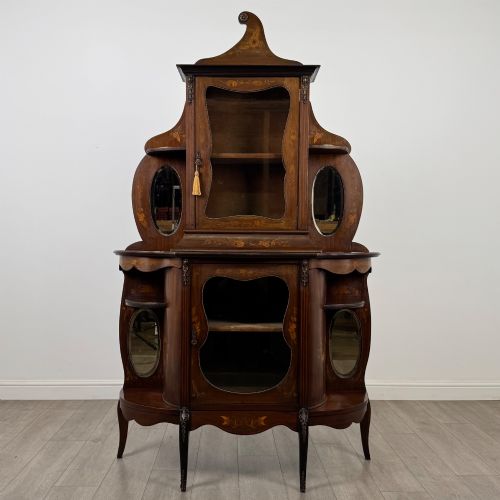
The pieces span several centuries, with Victorian and Edwardian examples appearing most frequently alongside Georgian and 19th-century variants. These items often integrate glass, brass, and satinwood inlay into the primary mahogany structure.
Materials and technique
Makers utilised solid mahogany and veneers, often incorporating satinwood for contrasting inlay work and brass for hardware elements. Glass serves dual purposes through transparent display panes and silvered mirror panels set into the backs of cabinets.
Listings include Victorian, Edwardian, and Georgian periods alongside materials such as mahogany, satinwood, brass, and bevelled mirror glass.
Variations in quality
Quality separates through the depth of timber selection, the crispness of hand-carved details, and the clarity of the mirror glass. Superior examples display thoughtful integration between the timber frame and the reflective panel rather than simple assembly.
Maker attribution and refined secondary timbers like oak or satinwood further distinguish high-tier pieces. Proportion, balance, and the preservation of original brassware and glass elevate certain cabinets above standard utility items.
Edwards and Roberts·Lamb of Manchester
The Mahogany Mirror Cabinet Glossary
- Compactum
- A multi-functional wardrobe or cabinet combining hanging space, drawers, and shelving within a single footprint. These pieces maximise storage efficiency in bedrooms.
- Chiffonier
- A low sideboard or cabinet featuring a raised mirror back or shelf superstructure. They became popular during the Victorian period for displaying china and glassware.
- Bureau bookcase
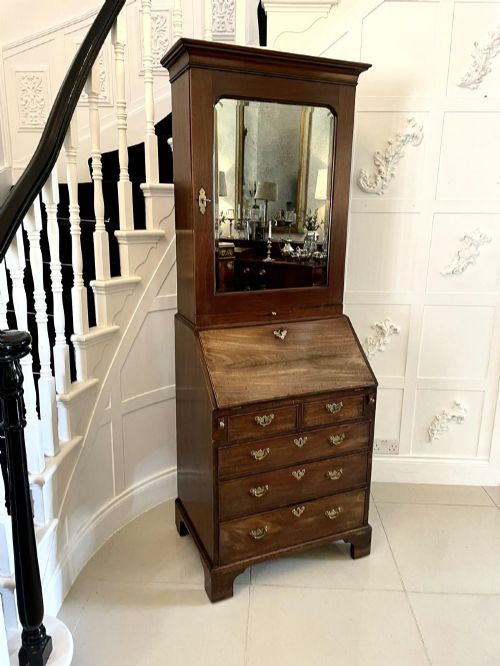
- A writing desk with a fall-front flap positioned beneath a glazed or panelled cabinet. They often date from the Georgian and 18th-century periods.
- Aesthetic Movement
- A late 19th-century design style emphasising artistic value over moral or narrative themes. Cabinets from this movement frequently incorporate ebonised details and gilt highlights.
- Tantalus
- A locking wooden stand holding decanters visible through a framework. They secure alcoholic beverages while displaying the crystal cut glass.
Mahogany Mirror Cabinet: Frequently Asked Questions
How do I date a mahogany mirror cabinet?
Dating relies on observing stylistic markers, construction methods, and timber characteristics across periods like the Georgian era or the Edwardian years.
Heavier carved frames typically point to Victorian production, whereas lighter satinwood inlays and clean lines often signal early 20th-century manufacture.
Where were these cabinets used in the home?
These cabinets served in dining rooms as sideboards, in bedrooms as dressing chests or compactums, and in public spaces as display units.
Shop and chemist variants also utilised mirrored interiors to amplify light and showcase merchandise.
What is the difference between Edwardian and Victorian styles?
Victorian pieces frequently display heavier proportions, rich carved ornamentation, and darker finishes designed to command presence in a room.
Edwardian items often introduce lighter satinwood stringing, simpler geometric lines, and a brighter overall aesthetic.
How should I care for the mirror glass?
Maintenance requires gentle cleaning methods that protect both the silvered backing and the surrounding mahogany timber frame from moisture damage.
Avoiding harsh chemical sprays preserves the original plate glass and keeps the wooden surfaces properly conditioned.