
Mahogany Low Chair
When seeking a mahogany low chair, you will find low-slung seating designed for comfort and ease by nineteenth and early twentieth-century makers.
Mahogany Low Chair
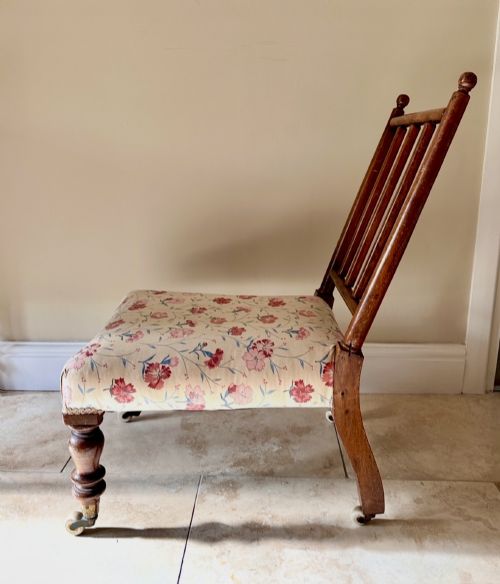
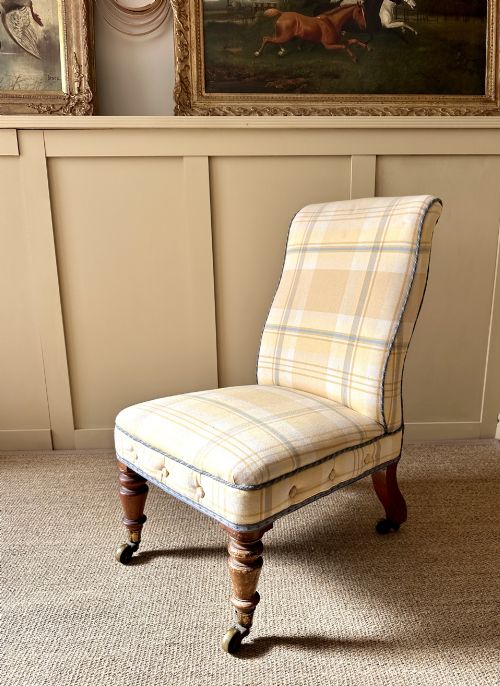
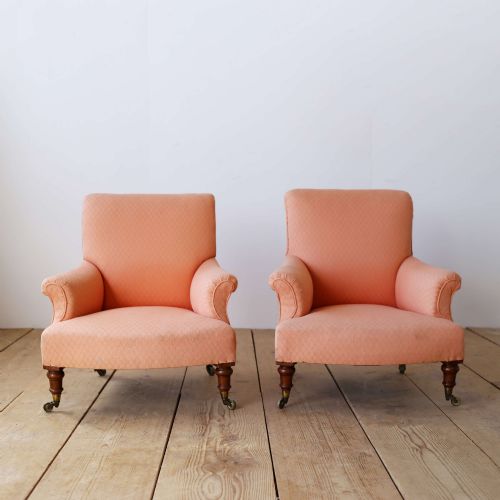
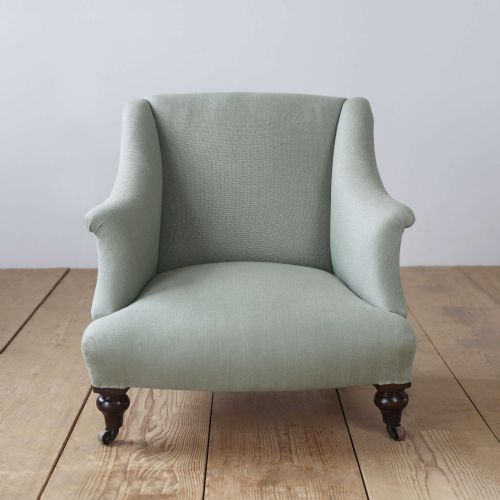
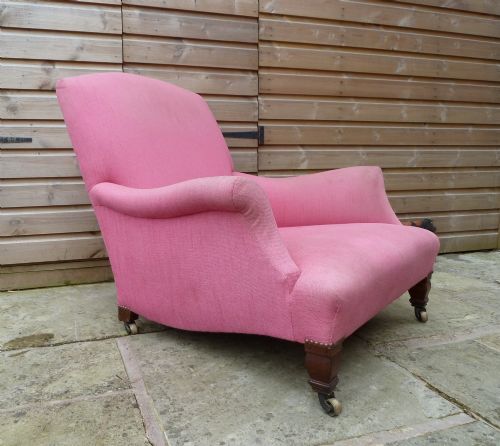
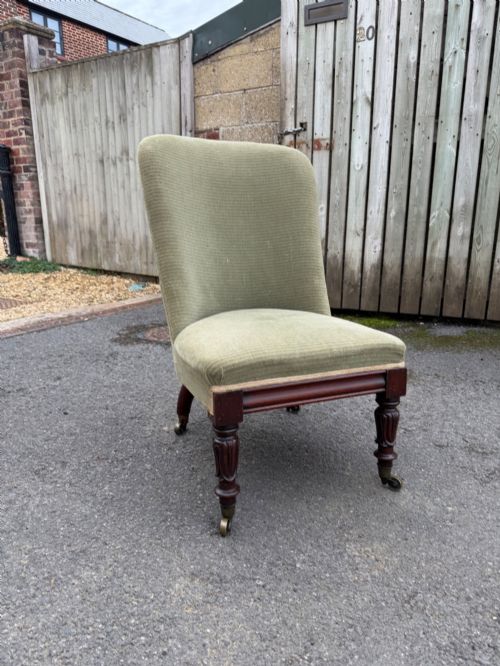
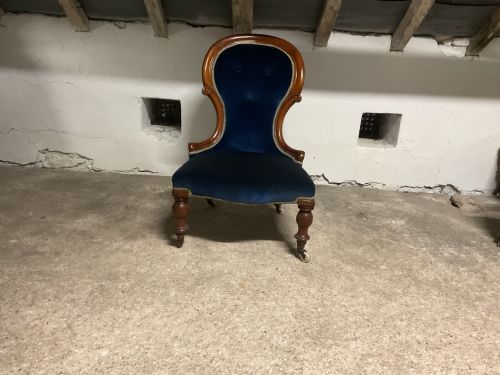
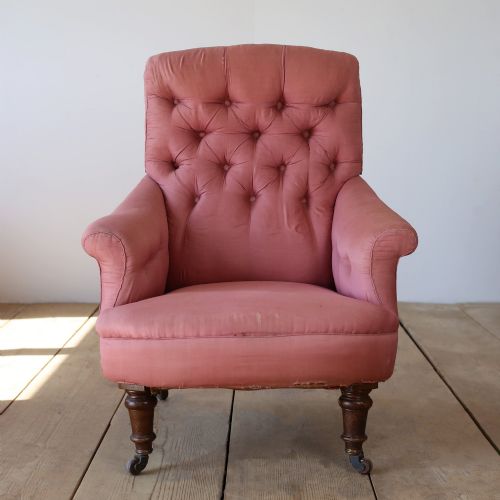
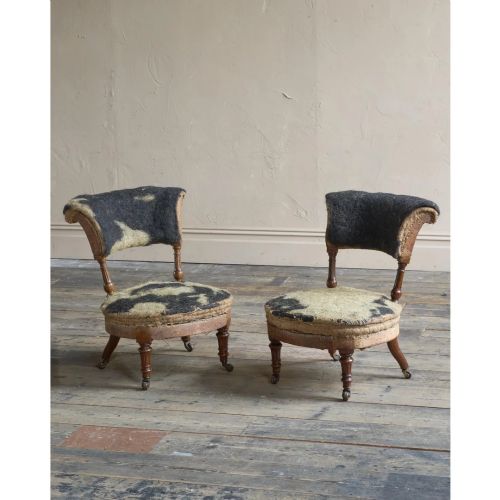
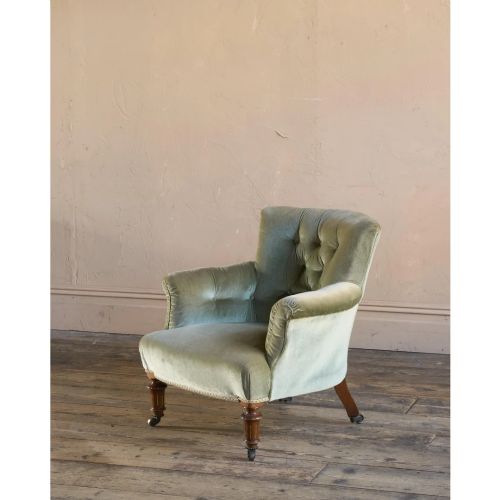
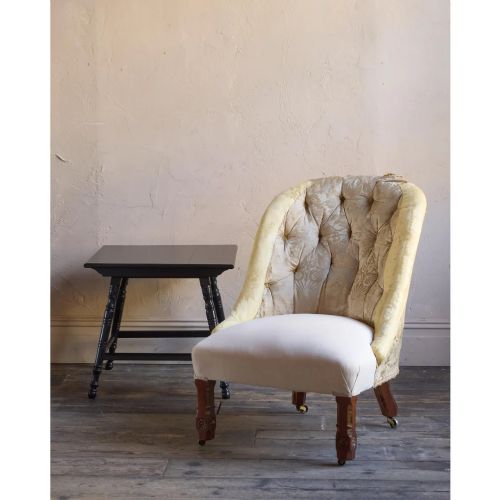
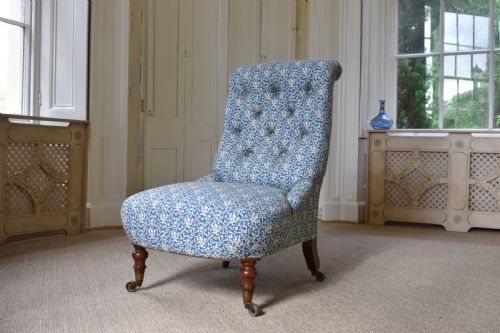
A mahogany low chair encompasses a variety of intimate seating forms including nursing chairs, slipper chairs, tub chairs, and bedroom chairs designed with a reduced seat height.
The pieces seen here date primarily from the nineteenth century, spanning the Regency, William IV, Victorian, and Edwardian periods.
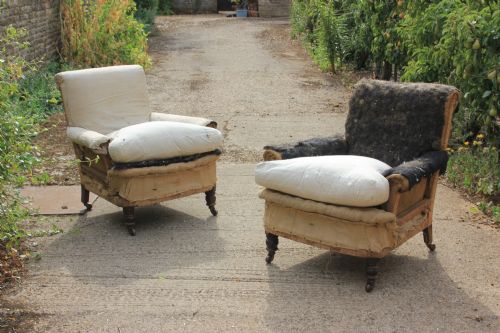
Makers and workshops of these eras produced these low-slung seats using solid timber frames upholstered in fabrics such as velvet, calico, and hessian.
Materials and Construction
Frames are constructed from solid mahogany, sometimes accented with carved details, brass castors, or turned legs.
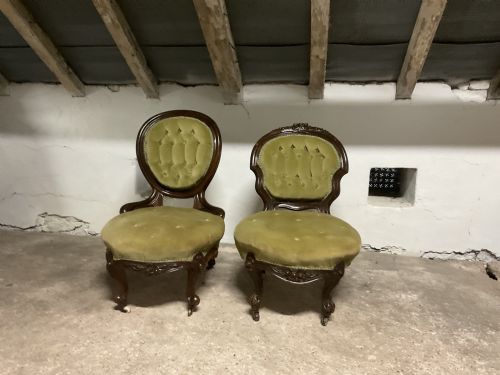
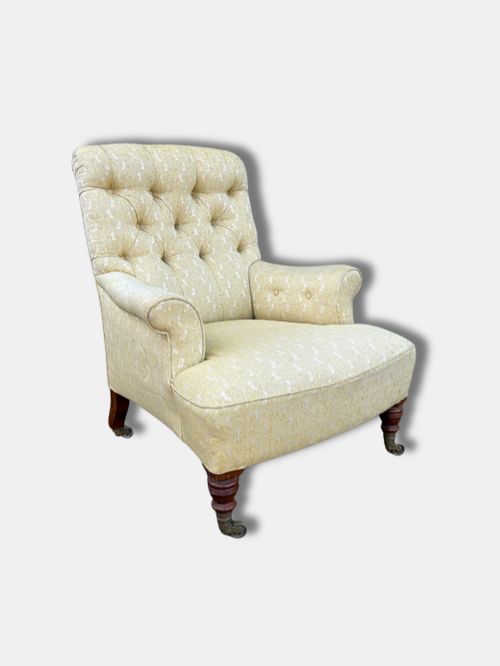
Upholstery techniques rely on traditional stuffing materials secured over supportive webbing, often finished with button backs or decorative trimming.
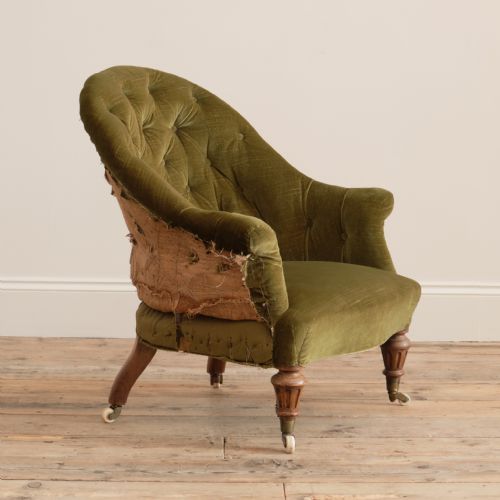
Some diminutive armchairs hide their low stature entirely beneath sweeping button-backed upholstery.
Assessing Craftsmanship
Quality rests upon the weight and density of the mahogany timber, the crispness of any hand-carved elements, and the structural integrity of the frame joints.
Refined examples demonstrate superior proportions, such as well-balanced curved backs and sturdy legs, alongside maker stamps or attribution to notable firms.
Howard and Sons·Whytock and Reid·Gillows·Hampton and Sons·Hindley and Sons·Waring and Gillow
The Mahogany Low Chair Glossary
- Nursing chair
- A low-seated Victorian chair originally designed to allow women to nurse infants comfortably while sitting close to a hearth.
- Slipper chair
- An upholstered bedroom chair characterised by its low seat, traditionally used while putting on shoes.
- Bergere
- An enclosed upholstered armchair featuring cane work panels on the sides or back.
- Tub back
- A chair design where the back and arms form a single continuous rounded enclosure.
- Button back
- An upholstery method where depressions are created by pulling strings or twine through the padding and securing them with covered buttons.
Mahogany Low Chair: Frequently Asked Questions
What is a mahogany low chair used for?
These low seats served practical domestic functions in bedrooms, nurseries, and dressing rooms where smaller proportions were required.
Their reduced height made them comfortable for relaxed lounging close to ground level or fireplace heat.
How do I identify a Victorian low chair?
Victorian examples frequently display deep buttoning, turned mahogany legs, and sprung upholstery designed for domestic comfort.
Earlier nineteenth-century versions may show Regency or William IV influences in their exposed woodwork and linear framing.
Are these chairs suitable for daily use?
Most antique low chairs remain sturdy enough for regular seating if the internal webbing and padding have been properly maintained or restored.
Their compact scale makes them particularly useful as accent seating in smaller living spaces.
What defines Edwardian low chairs?
Edwardian pieces often reflect lighter revival styles, incorporating inlaid wood, carved details, and brighter fabric upholstery.
They continue the nineteenth-century tradition of comfortable bedroom and salon seating with refined proportions.