


Mahogany Log Bucket
These mahogany log buckets are traditional fireside vessels designed to hold fuel, combining sturdy utility with cabinet-maker craftsmanship.
Mahogany Log Bucket
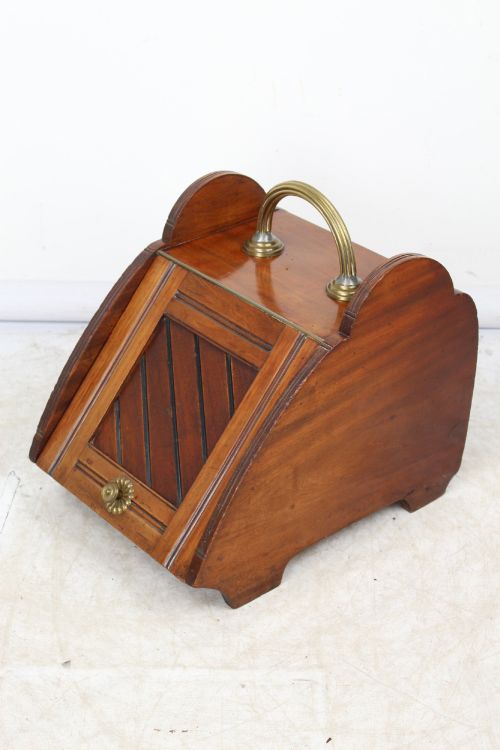
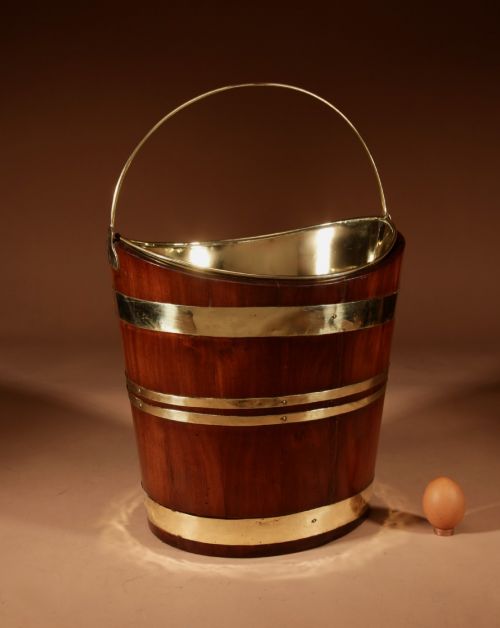
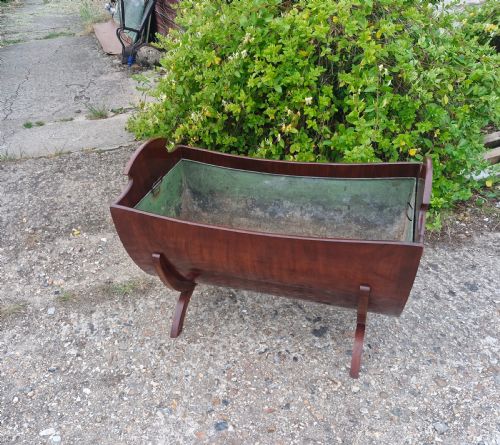
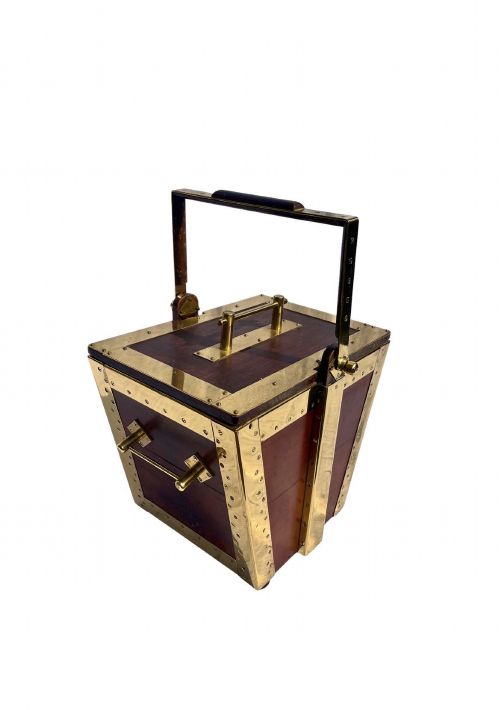
A mahogany log bucket is a substantial fireside accessory intended for holding timber, coal, or peat near the hearth. The pieces on this page span the Georgian, Victorian, and nineteenth-century periods, taking forms such as boat-shaped peat buckets, cylindrical log bins, and coopered vessels.
Many examples double in form or function as wine coolers or jardinières, reflecting the versatile interior use of the wood. Surviving items frequently retain their original metal or zinc liners, which protected the timber from moisture and ash.
Origins stretch across British and Dutch workshops, showing regional variations in stave construction and decorative metalwork. Buyers encounter both traditional Georgian proportions and later Victorian interpretations.
Materials and construction
Makers utilised solid mahogany, and occasionally walnut or oak, shaping the bodies using traditional cooperage techniques where individual wooden staves are bound together. This method provided the structural strength required to hold heavy loads of logs or coal.
Brass bands and mounts reinforce the timber bodies, secured with rivets or screws to handle the weight and daily use. Iron, metal, and zinc liners were fitted internally to contain the debris and dampness from the fuel.
Some of these heavy timber buckets spent their careers doubling as sophisticated champagne coolers before retiring to hold firewood.
Assessing quality and finish
Quality rests upon the tightness of the coopered joints and the thickness of the mahogany staves. Superior examples display carefully selected grain patterns and robust brass binding that follows the contours of the wood precisely.
The presence of original interior liners, swing handles, and period mounts elevates a piece significantly. Finer specimens exhibit clean hand-cut dovetails or neat pegging where appropriate to the construction style.
The Mahogany Log Bucket Glossary
- Coopered
- Constructed from curved wooden staves joined together side by side, much like a barrel. This technique forms the round or oval bodies typical of these buckets.
- Purdonium
- A specific type of Victorian coal box designed with a sloping front and a hinged lid for domestic use. It often includes an internal metal shovel and liner.
- Jardinière
- An ornamental pot or stand designed to hold growing plants or flowers. Several examples of this form share identical construction with log buckets.
- Stave
- One of the narrow vertical strips of wood that form the curved sides of a coopered vessel. The tight fit of each stave ensures the structural integrity of the piece.
- Bands
- The metal hoops, usually made of brass, fitted tightly around the wooden body to hold the staves in place. They provide both structural reinforcement and decorative contrast.
Mahogany Log Bucket: Frequently Asked Questions
What were mahogany log buckets used for?
These vessels were kept beside the fireplace to store timber, coal, or peat for immediate use on the hearth.
Over time, many of these containers were also adapted or manufactured to serve as wine coolers or plant holders within the principal rooms of the house.
How do I clean a mahogany log bucket?
Dust the timber regularly with a soft, dry cloth and apply a quality beeswax periodically to nourish the mahogany surface. Avoid harsh chemical cleaners or excess water, which can damage the polish and affect the wood.
Polish the brass bands gently with a proprietary metal cleaner, taking care not to let the polish stain the surrounding timber.
Are these buckets waterproof?
Most pieces feature an internal metal, zinc, or iron liner intended to hold damp fuel, ash, or ice for cooling wine. However, original liners can develop leaks over the centuries, so testing them before direct planting or liquid use is recommended.
If the metal liner is intact, the wooden exterior remains protected from moisture and staining.
How do I date a Georgian bucket?
Georgian examples, typically dating from the eighteenth century, display characteristic hand-cut joinery, rich timber patination, and restrained brass mounts. The style of the brass handles and the grain of the mahogany offer clues to the specific decade of manufacture.
Comparing the construction methods to documented pieces from the same era helps confirm the period.