



Mahogany Glazed Showcase Cabinet
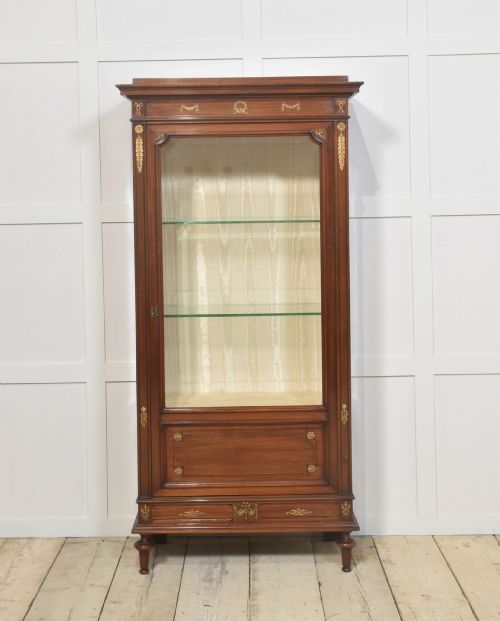
A mahogany glazed showcase cabinet provides a clear stage for displaying collections, with tall freestanding forms and countertop vitrines dominating the selection.
Mahogany Glazed Showcase Cabinet
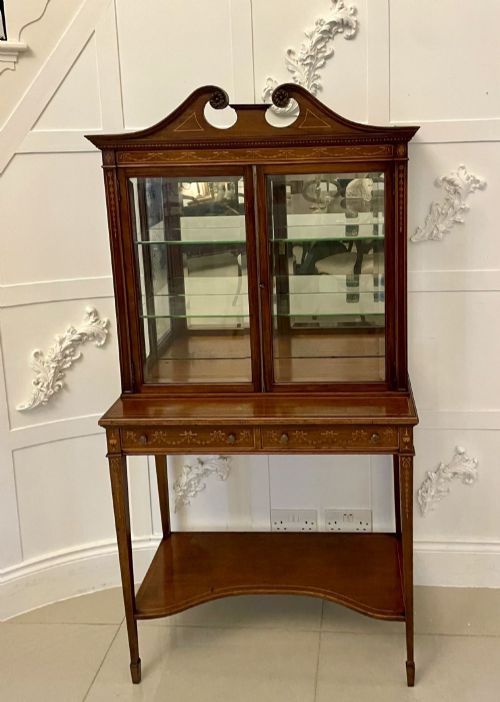
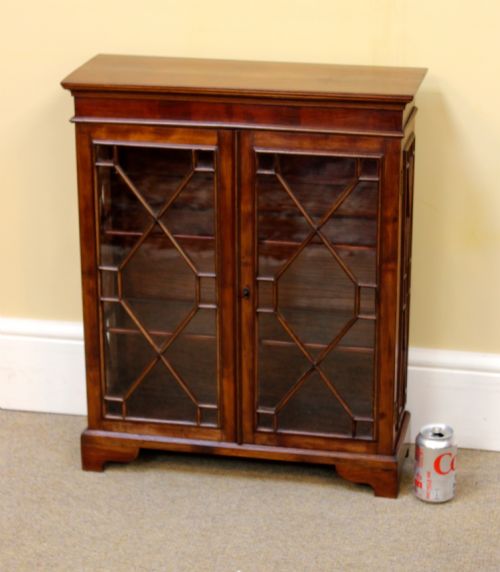
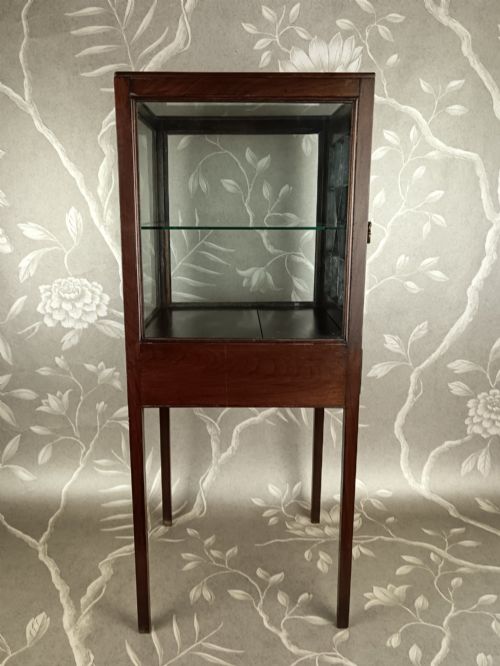
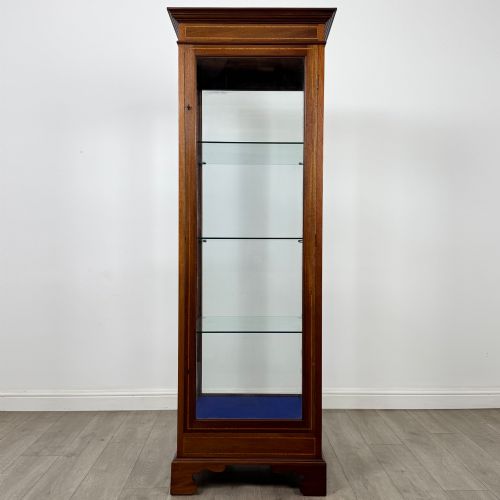
A mahogany glazed showcase cabinet is designed primarily to protect and display delicate items, taking forms such as freestanding display cabinets, vitrines, bijouterie tables, and countertop shop cases. These pieces emerge from the nineteenth century through the Edwardian era and into the 1920s and 1930s, reflecting both domestic drawing room culture and commercial retail spaces.
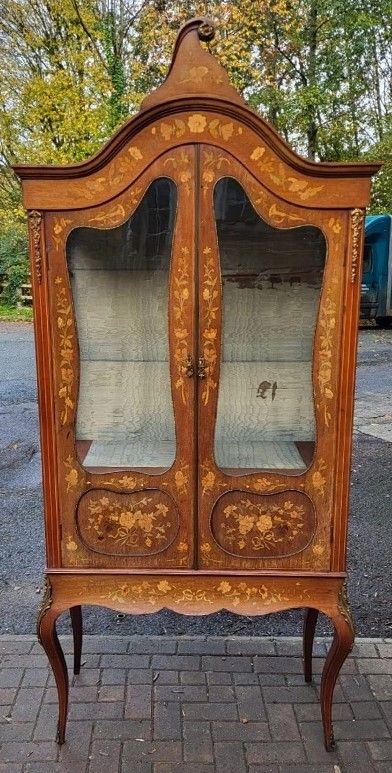
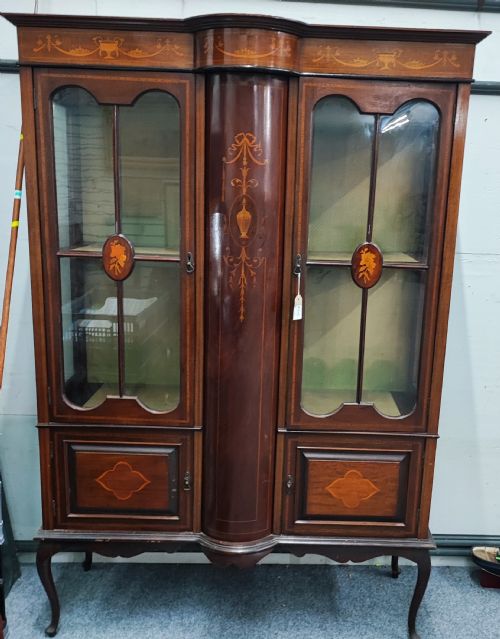
The domestic versions often feature delicate inlay work in satinwood and floral marquetry, following Sheraton Revival, Edwardian, and Art Nouveau styles. Conversely, the commercial examples originate from sweet shops, gunsmiths, and apothecaries, occasionally bearing original sign-written advertising for brands such as Fry's, Rowntree's, and Breitling.
Buyers will most frequently encounter Edwardian and 19th-century domestic display cabinets alongside shop countertop cases made of mahogany with glass panels. These objects range from miniature wall-hanging cabinets to large freestanding pedestals and generous shop counters.
How they were made
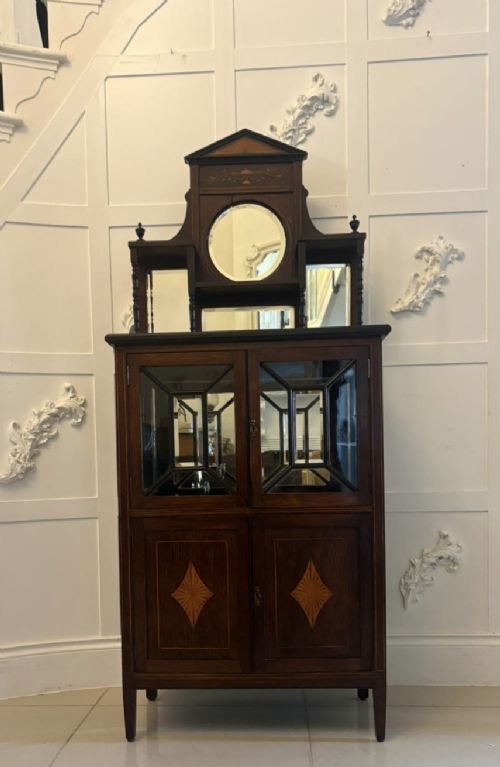
Makers built these cabinets using solid or veneered mahogany, frequently framing them with glass panels to maximise light entry for the contents within. Satinwood stringing, crossbanding, and floral marquetry provide decorative contrast on the timber surfaces of domestic pieces.
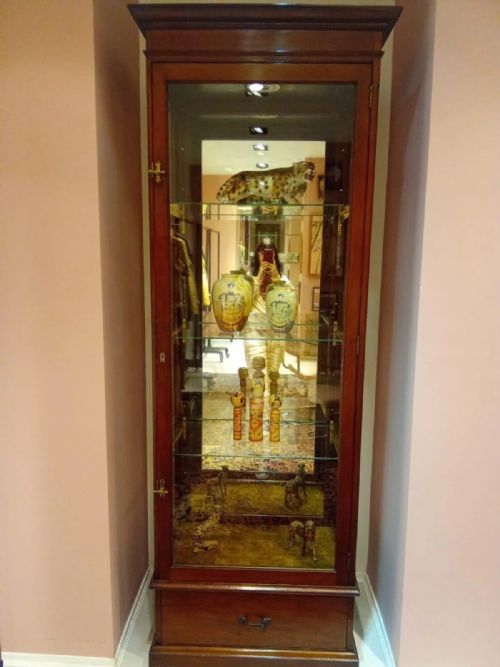
Interiors often incorporate mirrored backs to reflect light through adjustable glass shelves, while brass hardware secures doors and fastening mechanisms. Fabric, velvet, and metal components frequently line the base of bijouterie tables and display cases to cushion sensitive items.
Listings feature mahogany glazed showcase cabinets spanning from the Victorian and Edwardian eras through the 1920s and 1930s.
What varies in quality
The distinction between standard commercial units and exceptional pieces rests upon the finesse of the cabinetmaking and the crispness of any inlay work, such as satinwood crossbanding or marquetry. Superior examples exhibit balanced proportions, tight joinery, and thoughtfully integrated mirrored interiors with adjustable shelving.
F Sage And Co·Rowntree And Co·Breitling
The Mahogany Glazed Showcase Cabinet Glossary
- Vitrine
- A glass-sided display cabinet designed for exhibiting porcelain, curiosities, or fine objects. These cases often feature glazed doors on one or more sides.
- Bijouterie table
- A low display table with a glazed top and a shallow compartment beneath for holding jewellery, medals, or small collectables. They frequently stand on slender legs.
- Marquetry
- Decorative woodwork where pieces of various coloured woods are fitted into a veneer to form geometric or floral patterns. Edwardian cabinets frequently utilise this technique.
- Crossbanding
- A narrow strip of veneer laid across the grain of the primary timber panel to create a border frame. This detail appears frequently on Edwardian mahogany surfaces.
- Shopfitting
- The trade and style of fixtures and furniture made specifically for retail interiors. These commercial pieces are built for heavy daily use behind a counter.
Mahogany Glazed Showcase Cabinet: Frequently Asked Questions
How do I choose between a freestanding cabinet and a countertop vitrine?
Freestanding cabinets suit large collections or larger rooms because they offer full height and multiple internal shelves. Countertop vitrines work better for smaller spaces or tabletop display of low-profile items like jewellery and watches.
Consider the floor space available and the scale of the objects you intend to house inside the glazed enclosure.
What is the difference between a vitrine and a standard display cabinet?
A vitrine typically refers to a glass-heavy case where the sides as well as the doors are glazed to allow maximum light penetration. Standard display cabinets may incorporate wooden panel sides or structural uprights alongside the glass.
Both styles serve the same primary function of keeping dust away from delicate collections while maintaining visibility.
Can I adjust the shelves inside these cabinets?
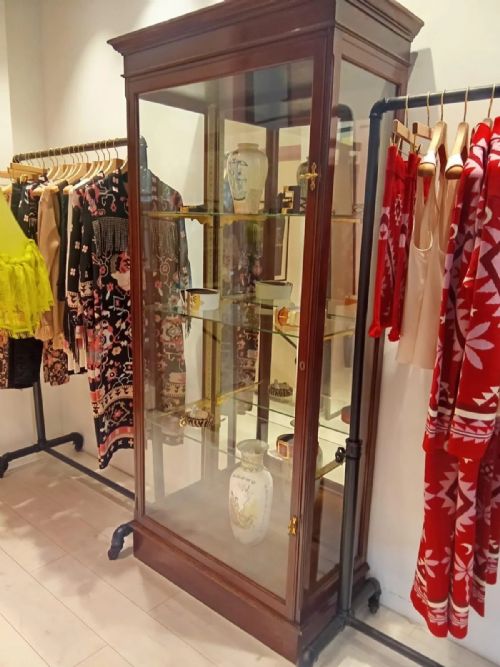
Many shop display cabinets and Edwardian vitrines feature adjustable glass shelves supported on rack-and-pinion systems or metal brackets. This allows you to alter the internal vertical clearance to accommodate taller objects.
Domestic models from the nineteenth century more frequently have fixed wooden or glass supports.
How should I clean the interior mirrors and glass?
Use a soft, lint-free cloth with a mild glass cleaner sprayed onto the cloth rather than directly onto the cabinet surface. This prevents liquid from seeping into the wooden framing, joints, or fabric linings.
Take care around hand sign-written lettering or antique mirror silvering, as harsh chemicals can damage historical finishes.
Were these cabinets originally used in shops or homes?
The inventory includes pieces built for both environments, ranging from domestic drawing-room cabinets to commercial shop counters. Apothecaries, gunsmiths, and confectioners utilised countertop and tall freestanding cases for retail display.
Domestic versions from the Edwardian and Victorian periods usually feature more decorative marquetry and satinwood inlay.