


Mahogany Framed Wingback
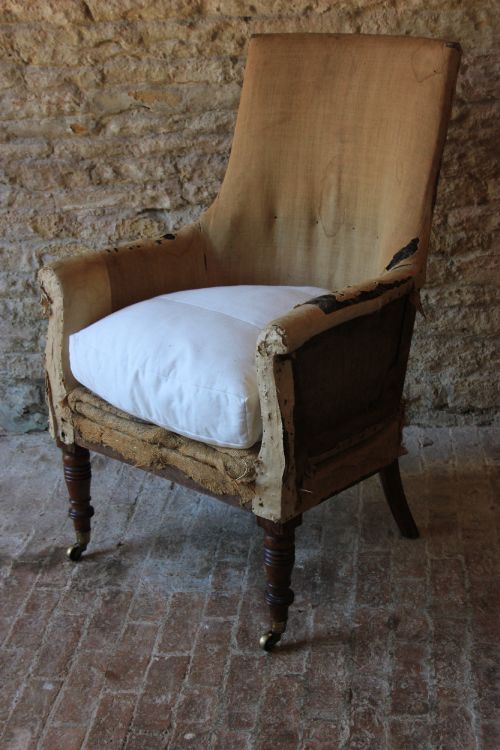
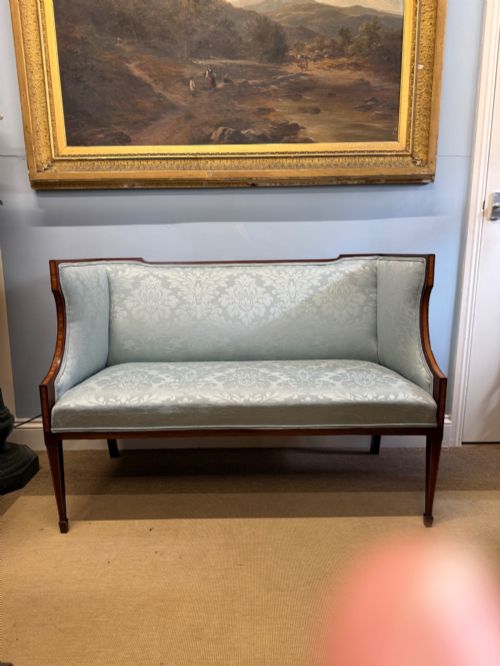
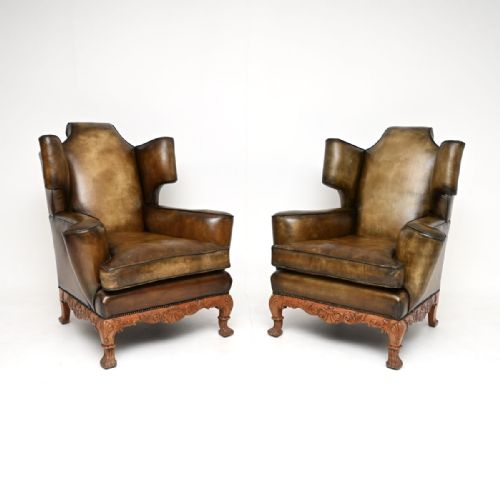
These mahogany framed wingback chairs are grand seating pieces designed to block drafts, built across the eighteenth, nineteenth, and early twentieth centuries.
Mahogany Framed Wingback
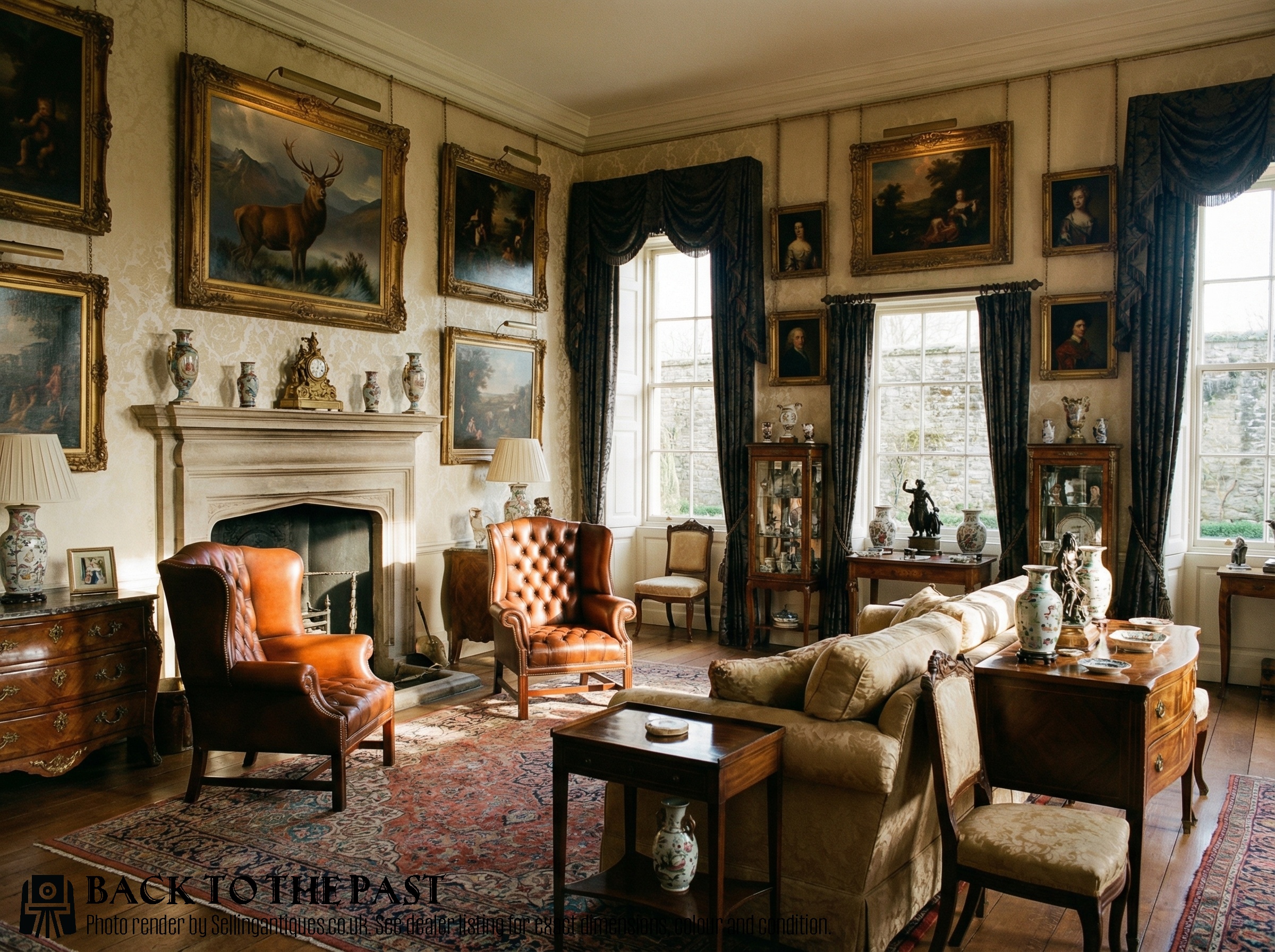
A mahogany framed wingback provides high-backed comfort designed originally to keep draughts away from the sitter by the hearth. This selection brings together library chairs, fireside armchairs, and salon seating spanning the eighteenth century through to the Edwardian period and the 1930s.
The forms vary from George III style leather Chesterfield armchairs and Regency library chairs to barrel back shapes and occasional salon chairs. Most examples combine exposed mahogany frames with traditional upholstered coverings such as leather, linen, hessian, and calico.
How They Were Made
The structural framework relies on solid mahogany and hardwood, sometimes detailed with satinwood inlay or brass fittings. Joinery methods reflect the period of origin, from Georgian cabinet-making traditions to later nineteenth and twentieth-century workshop practices.
Traditional upholstery techniques build up the comfortable shape using natural stuffings like horsehair held by Hessian, before finishing with top covers of leather, cotton, or linen fixed closely to the wooden frame.
Listings span from the 18th century through the Victorian and Edwardian eras up to the 1930s, utilising materials including mahogany, leather, horsehair, and brass.
What Varies in Quality
Quality rests in the crispness of the mahogany framing and the integrity of the underlying structure rather than just the surface covering. Finer pieces demonstrate better proportion in the wings, arms, and legs, alongside superior timber selection.
The standard of the upholstery work and the choice of materials, whether aged leather or period-correct linen, distinguish standard production from exceptional examples. Alterations or restorations affect the balance between original character and later intervention.
Howard And Sons·J Foot And Son
The Mahogany Framed Wingback Glossary
- Wingback
- An armchair featuring protective side panels attached to the arms and back to deflect draughts. This form evolved primarily for fireside and library use.
- Horsehair
- A traditional stuffing material utilised in upholstery for its resilience and firm support. It provides the dense padding found in older seating.
- Hessian
- A coarse woven fabric typically used as a foundational layer in traditional upholstery. It holds the internal stuffing securely in place before the top cover is applied.
- Satinwood
- A durable hardwood with a golden sheen used for decorative inlay work on frames. It appears on select Edwardian pieces to create contrast against the darker mahogany.
Mahogany Framed Wingback: Frequently Asked Questions
How do I identify a Georgian wingback?
Georgian examples display specific cabinet-making traits such as hand-carved mahogany legs and traditional frame construction typical of the eighteenth century. Look closely at the stretcher arrangement and the timber grain beneath the upholstery.
Compare the proportions of the wings and the rake of the back against known pieces from the period to confirm authenticity.
Are these chairs suitable for daily use?
These seating pieces were built for functional comfort in libraries and parlours, making them robust for contemporary living. Many retain traditional horsehair padding that offers firm support.
Check whether the piece has been restored to ensure the internal webbing and springs meet your comfort requirements.
How should I care for leather upholstery?
Leather-covered armchairs require regular dusting and occasional conditioning to prevent the hide from drying out. Keep the leather away from direct heat sources and strong sunlight.
Gentle cleaning maintains the natural patina developed over decades of use.
What distinguishes Edwardian salon chairs?
Edwardian salon chairs generally exhibit lighter proportions and finer decorative details like satinwood inlay compared to earlier Georgian designs. They were intended for formal reception rooms rather than heavy fireside use.
The mahogany frames reflect the refined aesthetic favoured at the turn of the twentieth century.