

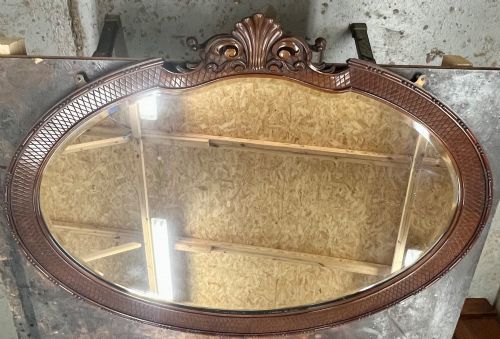

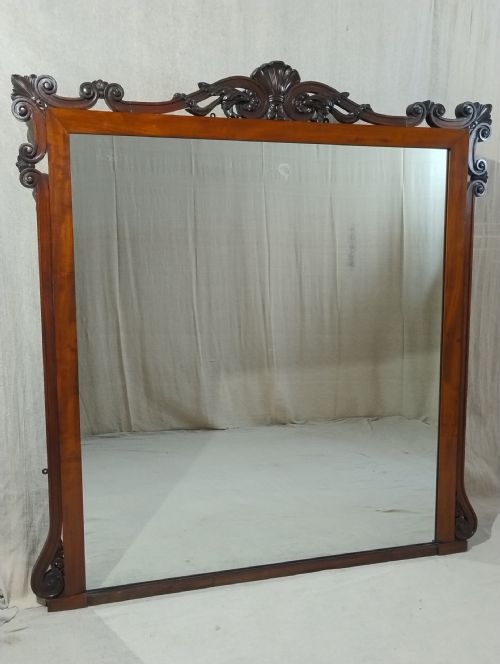
Mahogany Frame Wall Mirror
A mahogany frame wall mirror brings warmth and depth to a room through dark timber and clear glass.
Mahogany Frame Wall Mirror
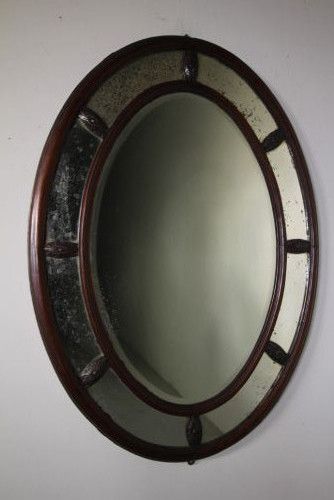
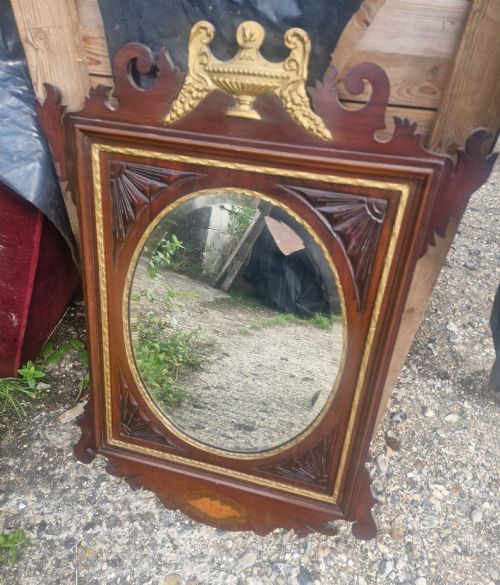
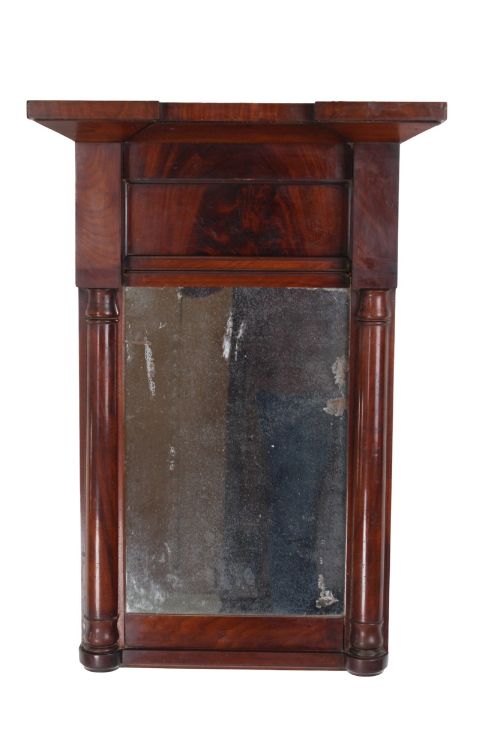
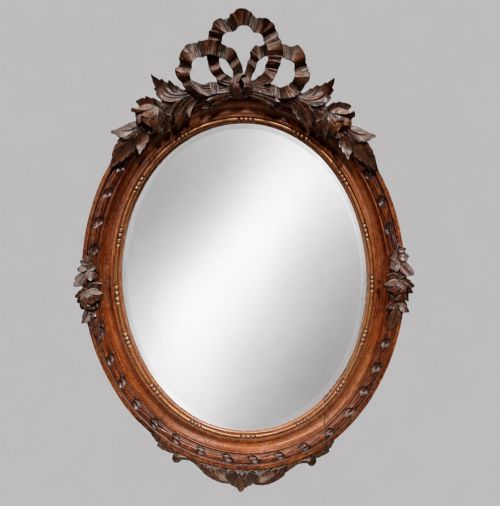
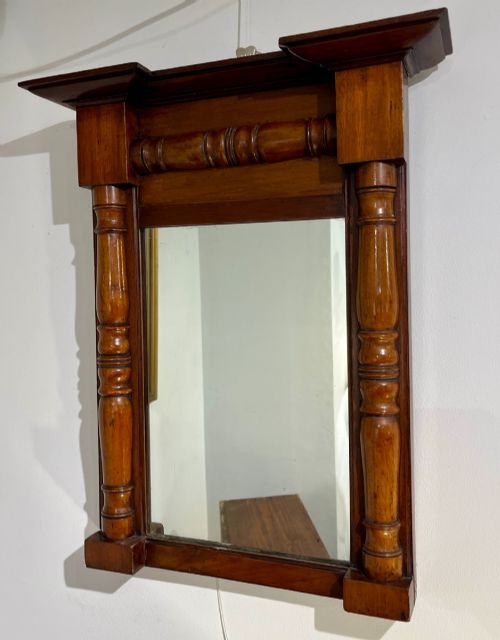
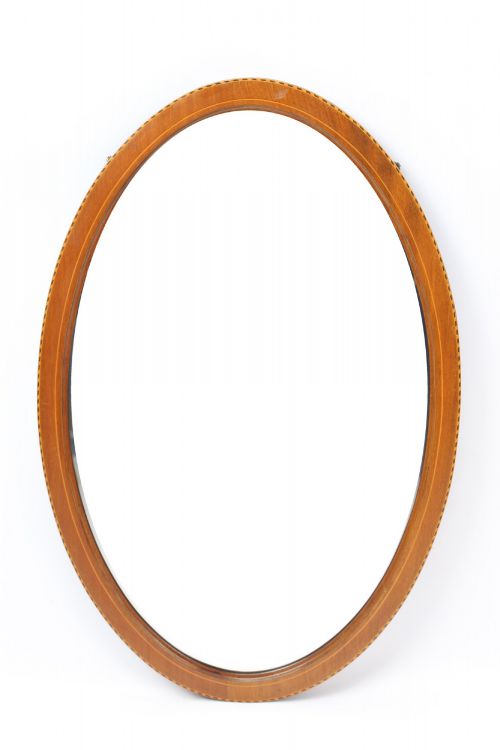
A mahogany frame wall mirror encompasses several centuries of cabinetmaking, ranging from austere 18th-century fretwork to large Victorian overmantels and Edwardian inlaid ovals. When searching for a mahogany frame wall mirror, buyers encounter rectangular pier glasses, shaped wall hangings, and tripartite mirrors designed to sit above a mantelpiece.
The material palette shifts from solid native timbers of the Georgian era to later veneered panels, occasional parcel-gilt accents, and detailed marquetry. Pieces span formal townhouses and country residences, appearing in both strict period constructions and later revivals spanning the 19th and early 20th centuries.
Materials and construction
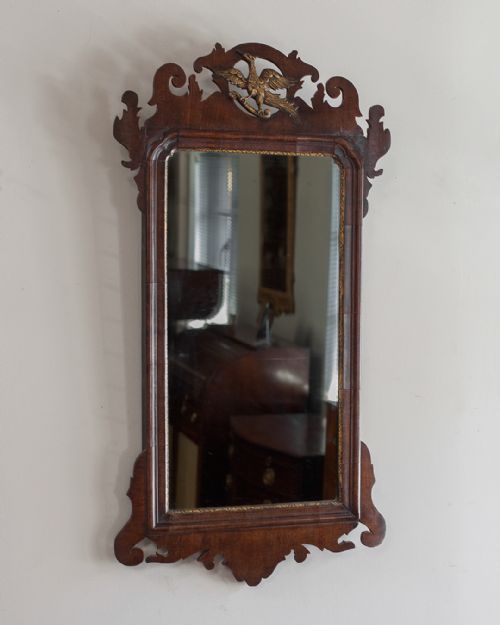
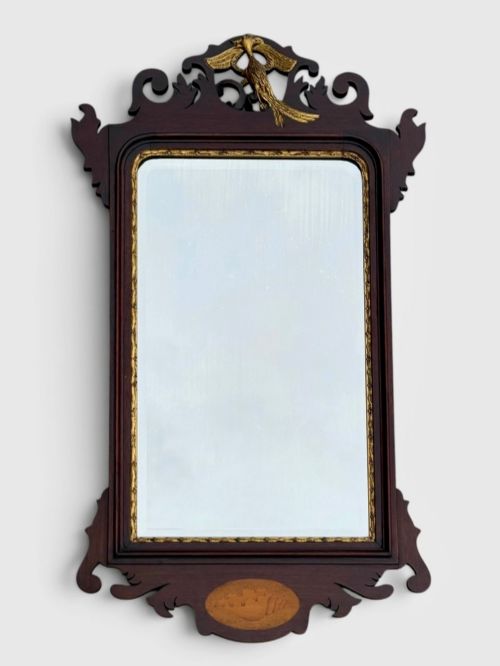
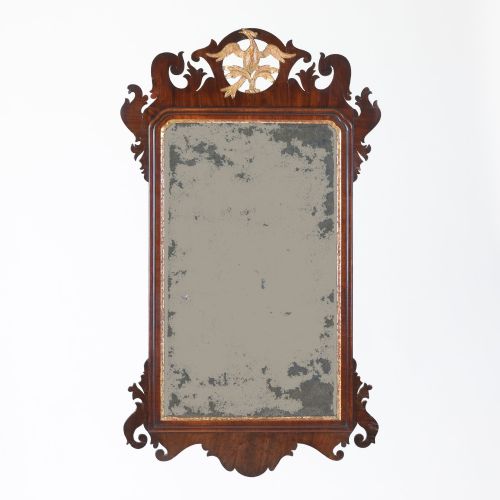
Makers shaped solid mahogany or applied fine veneers over secondary woods, utilising scroll-sawn fretwork to create intricate outlines such as the classic silhouette finished with a carved gilt-wood Ho-Ho bird cresting. Giltwood, brass fittings, and gold leaf often highlight specific carved elements or frame edges.
Mirror plates reflect technological changes over time, progressing from early sheet glass with bevelled edges to sectional plates and modern reflective surfaces set within secure wooden rebates.
Current listings feature mahogany frame wall mirrors spanning the Georgian, Victorian, and Edwardian periods alongside 20th-century revival styles.
Craftsmanship and proportion
The standard of carving dictates the visual success of a piece, separating mechanical fretwork from the crisp, hand-chiselled details found on George III and Chippendale style examples. Proportions play a central role, where the balance between the width of the mahogany moulding and the dimensions of the glass plate determines the overall harmony.
The integrity of the timber, the depth of the grain, and the survival of original gilding and mirror plates distinguish superior pieces from later reproductions.
William Kent
The Mahogany Frame Wall Mirror Glossary
- Fret mirror
- A wall glass featuring a wooden frame cut with a fretsaw, typical of 18th-century aesthetic preferences. These frames often incorporate scrolling ears and gilded crests.
- Overmantel mirror
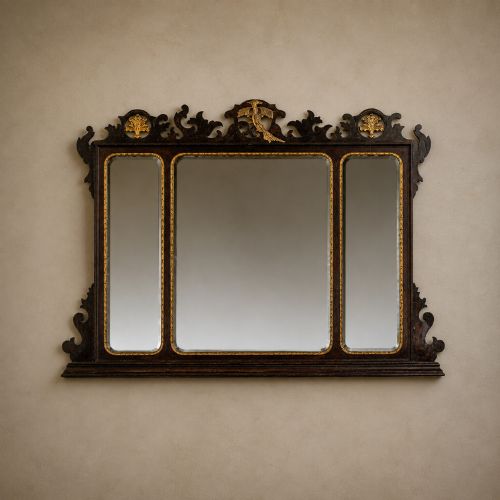
- A wide horizontal glass designed specifically to hang above a fireplace mantel. They frequently feature tripartite plates or ornate architectural mouldings.
- Pier mirror
- A tall, narrow glass made to hang on the wall space between windows. These pieces often coordinate with console tables placed below.
- Parcel-gilt
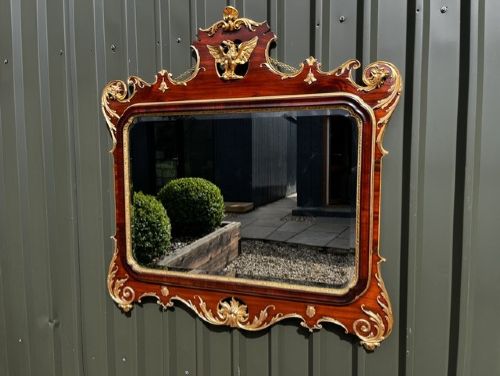
- Partially gilded woodwork where gold leaf highlights specific carved details against a dark mahogany background. This technique adds contrast and visual depth to the frame.
- Ho-Ho bird
- A stylised mythical Chinese bird frequently carved into the cresting of 18th-century and revival mirrors. It serves as a distinct decorative hallmark of the period.
Mahogany Frame Wall Mirror: Frequently Asked Questions
How do I date a mahogany frame wall mirror?
Dating relies on examining the construction techniques of the wooden frame, the composition of the glass plate, and the specific decorative style. Earlier pieces often display hand-cut joinery and bevelled mirror plates with slight imperfections, while revival pieces from the late 19th or early 20th centuries show machine-sawn components.
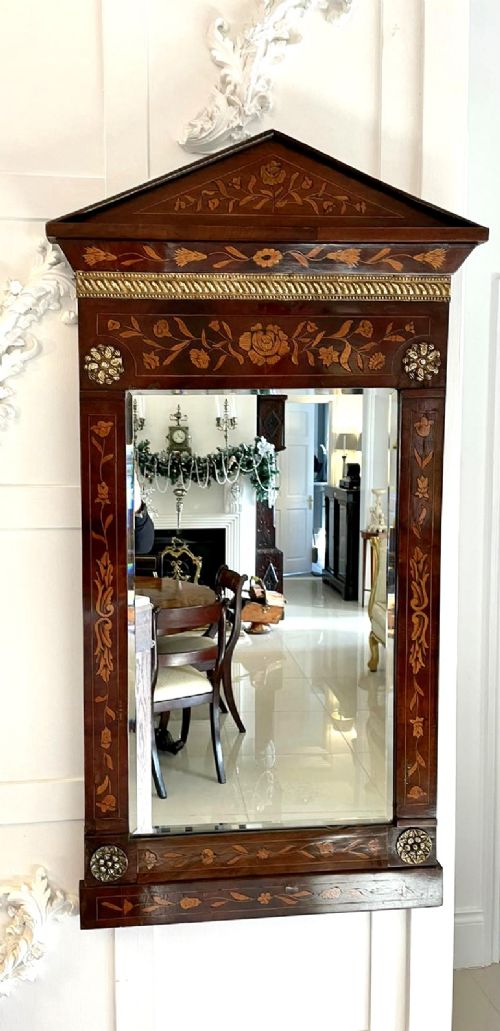
Secondary woods and backing boards also provide clues to the period. Deal stock demonstrates that Georgian examples use native timbers and subtle fretwork, whereas Edwardian iterations frequently incorporate marquetry inlay and lighter framing.
Where should I hang a heavy overmantel mirror?
Heavy overmantel mirrors require secure anchoring directly into structural wall studs or masonry to support their substantial weight safely. Using appropriate brackets ensures the frame remains stable above a fireplace or living room sideboard.
Because these mirrors often span significant widths, proper levelling is essential to maintain visual alignment with surrounding architecture and furniture.
Are original mirror plates common?
Original glass plates survive in many period examples, though centuries of use mean some mirrors have replacement glass. Original plates often exhibit gentle foxing, light oxidation, and subtle distortions that distinguish them from modern manufactured replacements.
Collectors generally value the undisturbed character of an authentic antique plate, even when age-related marks are present across the surface.
What is the difference between Georgian and Victorian mirrors?
Georgian mirrors typically emphasise lighter proportions, architectural symmetry, and delicate fret-cut silhouettes such as the classic Chippendale style. Victorian examples tend to be larger, heavier, and more ornate, frequently featuring elaborate triptych overmantel designs and deep bevelling.
While Georgian pieces rely on understated elegance and fine mahogany grains, Victorian variants embrace revivalism with bold carvings and gilt accents.