


Mahogany Floor Glass
Mahogany floor glass pieces are tall, freestanding cheval mirrors and glass-fitted stands that bring period presence and practical utility to any room.
Mahogany Floor Glass
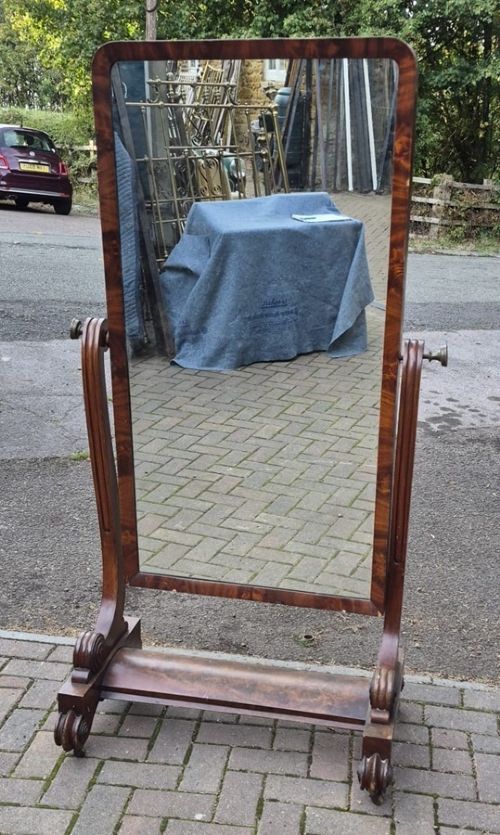
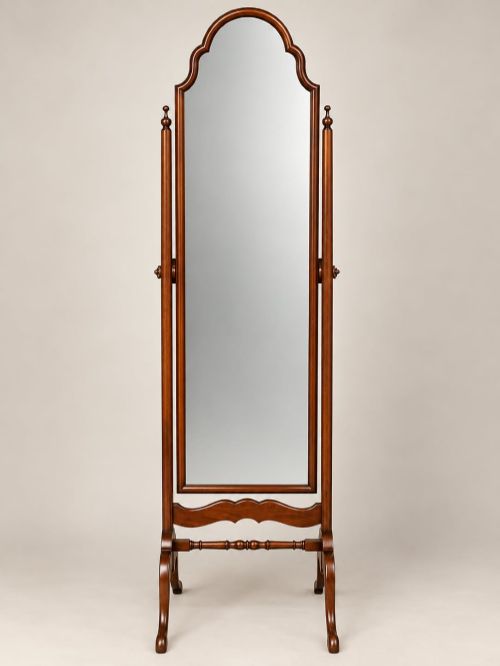
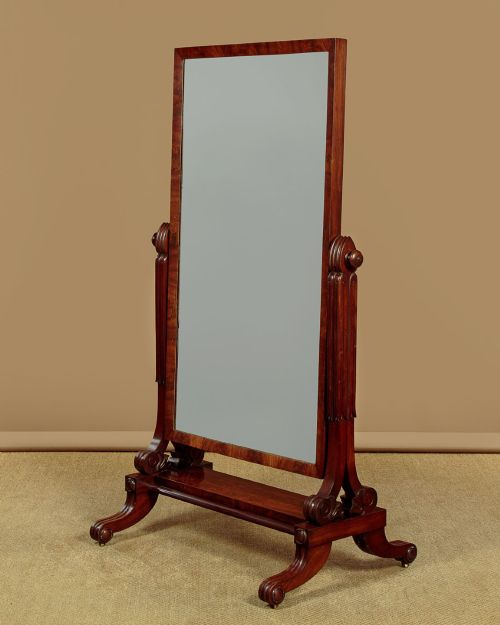
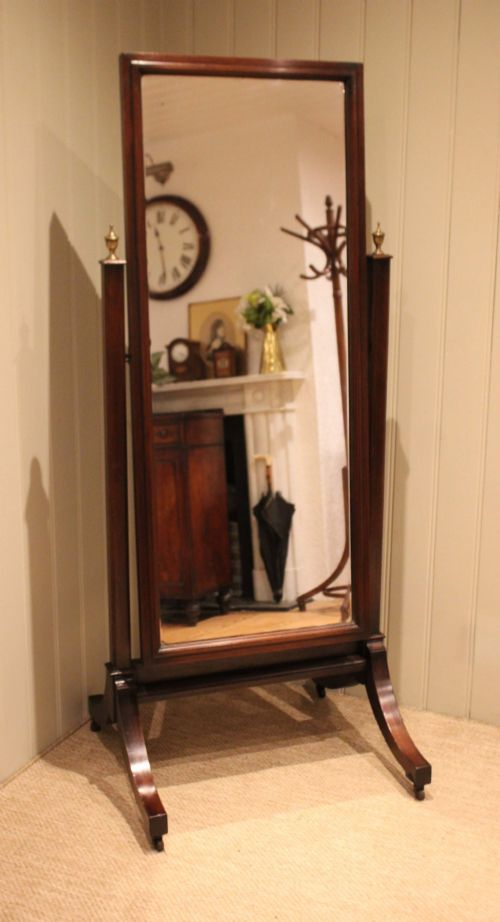
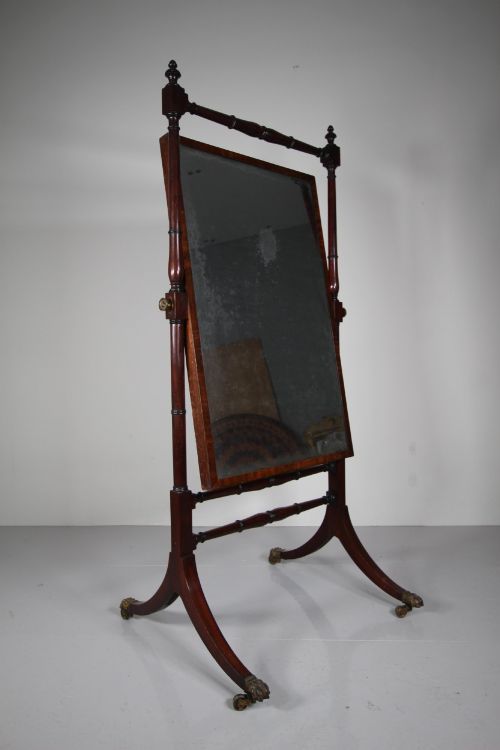
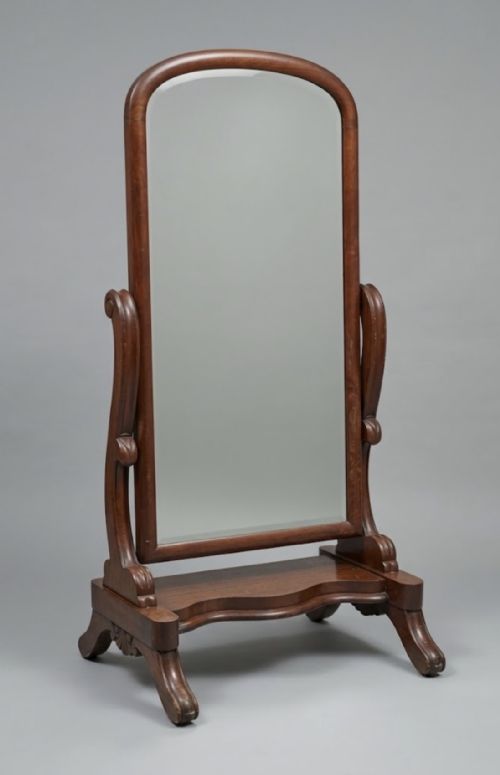
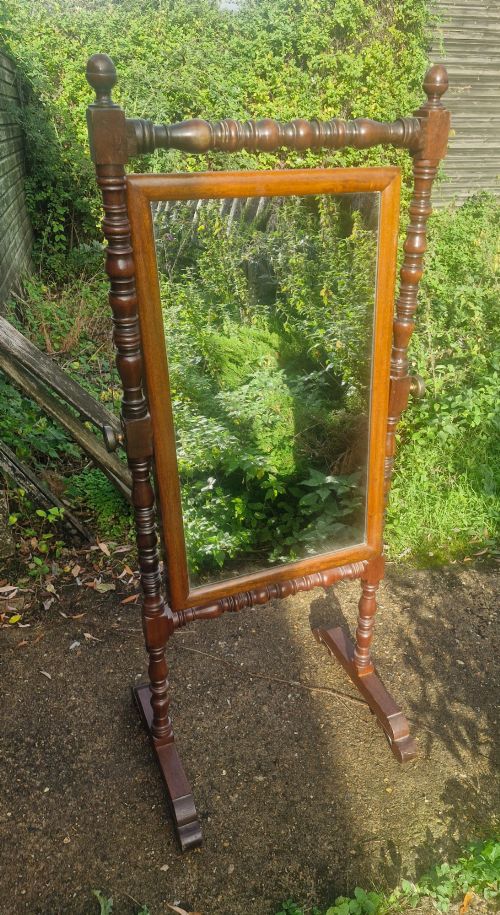
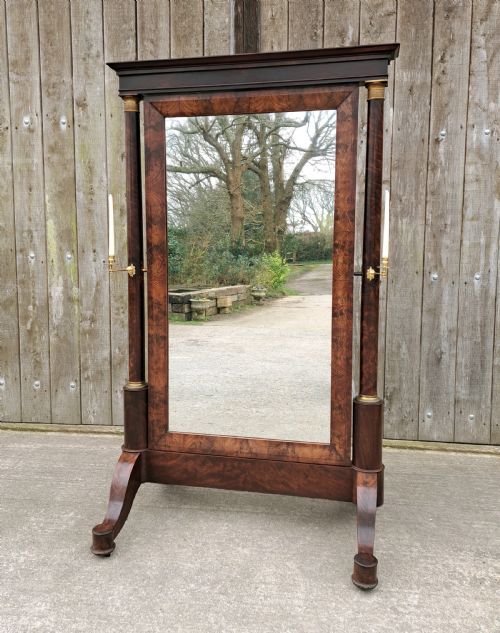
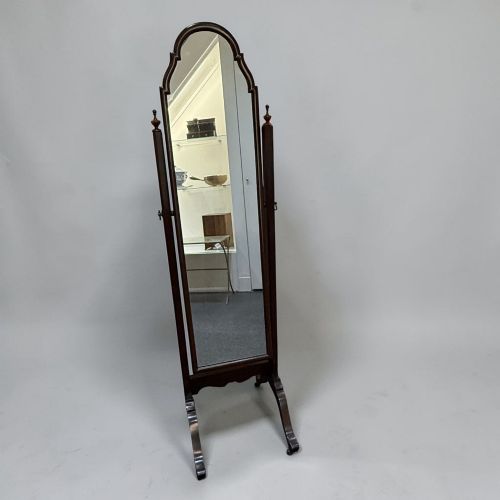
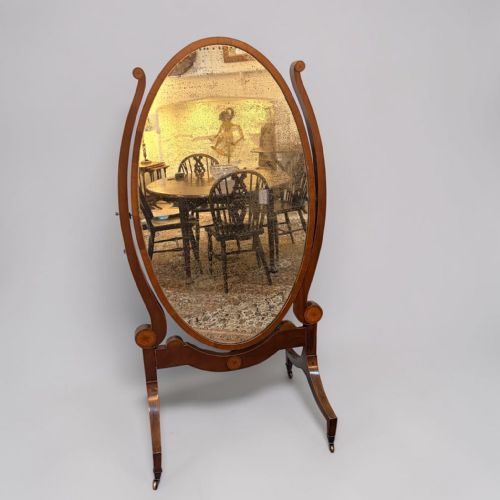
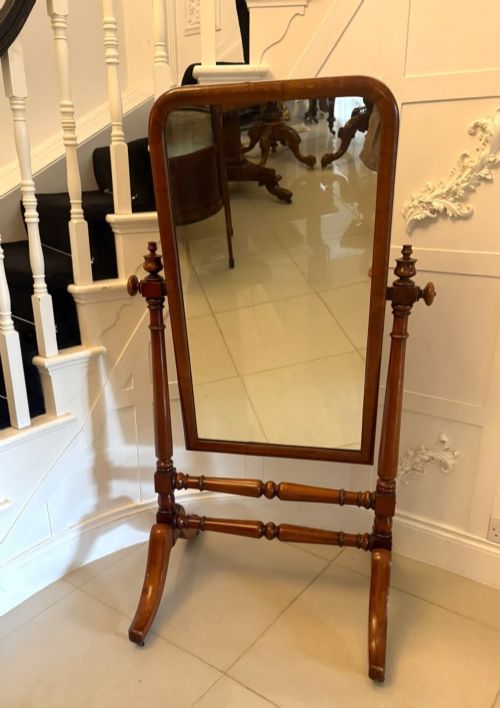
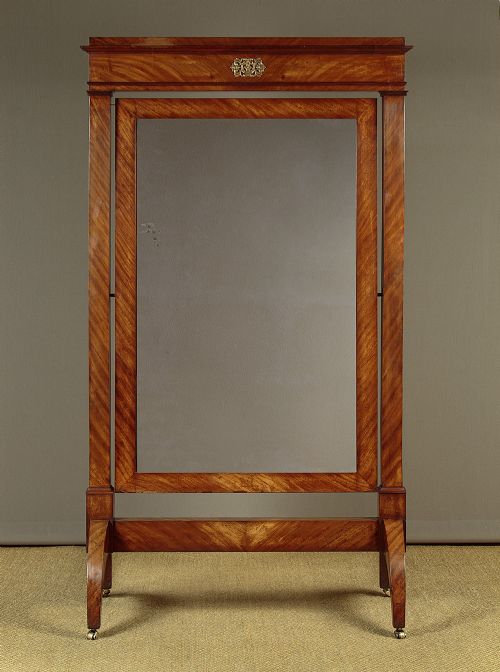
When searching for mahogany floor glass, you are primarily looking at nineteenth-century cheval mirrors and dressing glasses designed to stand independently on the floor. These tall, pivoting mirrors allow a full-length view and frequently appear in Regency, Victorian, and Edwardian styles.
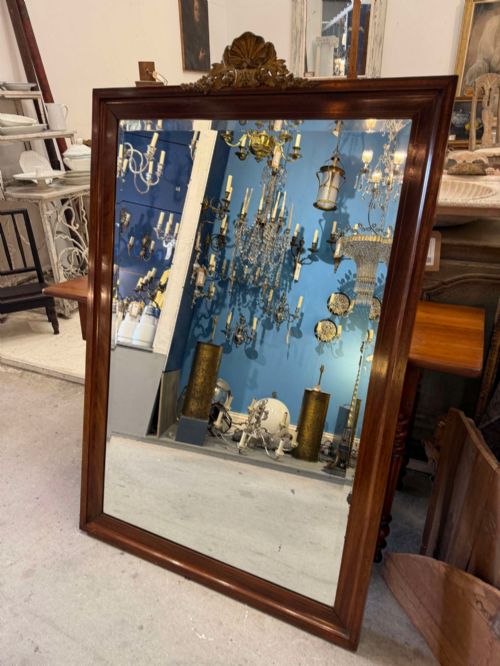
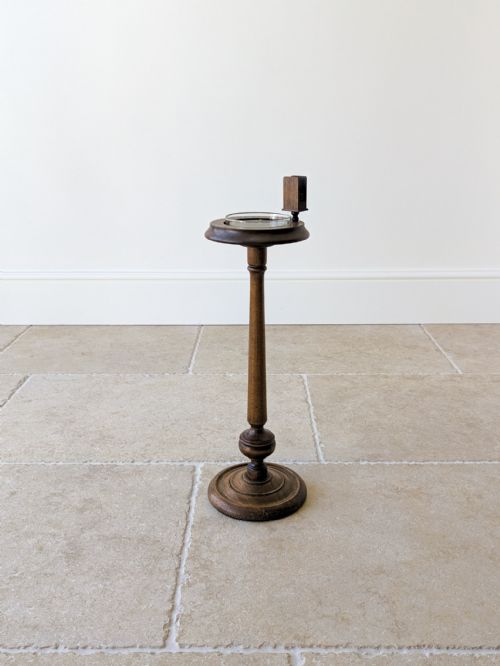
The most common examples on this page are mahogany cheval mirrors supported by sturdy floor frames, alongside occasional floor lamps with glass shades, smoking stands, and display cabinets. The timber construction ranges from simple nineteenth-century workshop pieces to grand country house furniture attributed to makers like Gillows.
Originating largely from British and French traditions, these items reflect changing interior fashions from the George III period through to the early twentieth century. Their enduring appeal lies in how they combine warm timber frames with large functional panes of glass.
How they were made
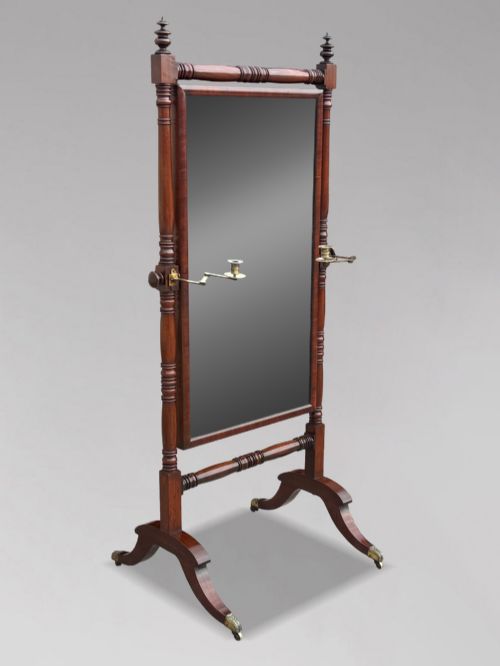
Cabinetmakers built the supporting frames primarily from solid mahogany and mahogany veneers, sometimes embellishing the timber with satinwood, marquetry inlay, or walnut details. Brass fitments such as castors, pivoting screw caps, and candle sconces provided both mobility and functional adjustment.
The glass itself consists of heavy mirror glass or plate glass, often held within pivoting frames that tilt on barley twist supports or pillar uprights. Secondary woods like oak appear in the internal framework of drawers or backing boards on larger floor-standing pieces.
Mahogany Floor Glass Retail Price Guide 2026
Typical asking prices for mahogany floor glass among the pieces listed under this phrase on Sellingantiques today, from the lower quarter to the upper quarter. They describe what is for sale here now, not the wider market.
Some Victorian mirrors incorporate hidden candle arms so gentlemen could check their cravats long before electric light.
What varies in quality
The distinction between standard workshop production and superior quality lies in the depth of the mahogany grain, the crispness of any applied carving, and the weight of the brass hardware. Finer examples display thoughtful proportions, well-figured flame mahogany, and robust turning on the uprights.
Engineering integrity separates the best pieces from ordinary ones, particularly the stability of the floor frame and the smooth action of the pivoting mechanism. Original brass castors and unblemished mirror glass further elevate a piece above later adaptations.
Gillow
The Mahogany Floor Glass Glossary
- Cheval mirror
- A large, full-length dressing glass suspended on a vertical floor frame that allows it to swing or tilt. This form became popular during the late eighteenth century and remained a bedroom staple through the Victorian era.
- Flame mahogany
- A decorative veneer cut from timber where the branch meets the trunk, producing a distinctive flickering flame pattern. Cabinetmakers utilised this figure on the most prominent surfaces of finer furniture.
- Regency
- A style period spanning the early nineteenth century, characterised by classical restraint, architectural lines, and occasional French Empire influences. Pieces from this era often feature bold mahogany grains and refined brass mounts.
- Marquetry inlay
- The art of applying decorative pieces of contrasting wood veneer onto a structural surface to form geometric or floral designs. This technique adds visual richness to the borders of mirror frames and cabinets.
- Barley twist
- A cylindrical turning shaped like a spiral twist, commonly found on the vertical supports of Victorian furniture. It provides both structural strength and rhythmic decorative movement.
Mahogany Floor Glass: Frequently Asked Questions
What is a cheval mirror?
A cheval mirror is a full-length dressing glass mounted in a freestanding frame that lets the plate tilt back and forth.
The name derives from the French word for horse, referencing the four-legged supporting trestle or frame characteristic of the form.
How do I date a mahogany mirror?
Dating relies on examining the timber choice, construction joints, edge bevels on the glass, and the style of the brass fittings.
Earlier pieces from the Georgian and Regency periods show hand-cut joinery and dense mahogany, whereas Edwardian examples often feature lighter framing and machine-cast brass.
Where should I place a floor mirror?
These tall mirrors suit bedrooms, dressing rooms, and hallways where they reflect natural light and create a sense of depth.
Because they are heavy and freestanding, they require stable flooring and adequate clearance to tilt safely without tipping.
Are the mirror plates original?
Many antique mirrors retain their original silvered glass, which can develop subtle foxing, speckling, or light grey oxidation over time.
Replacement glass is sometimes fitted during restoration, so inspecting the silver backing and edges helps determine the age of the plate.