

Mahogany Console Table Drawers
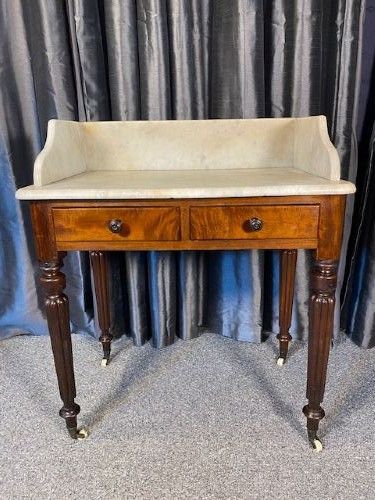
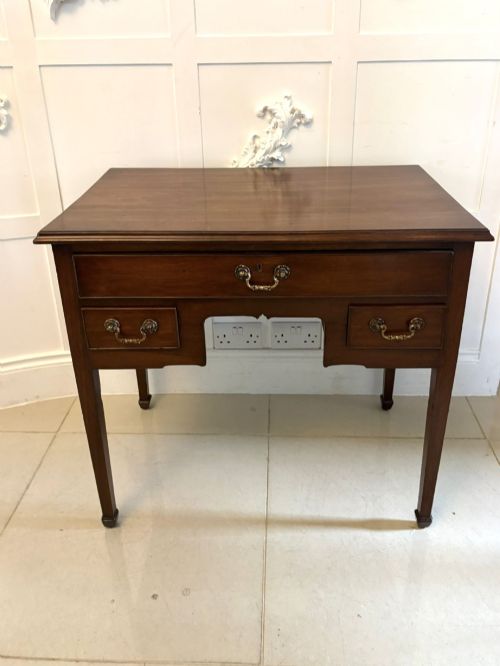
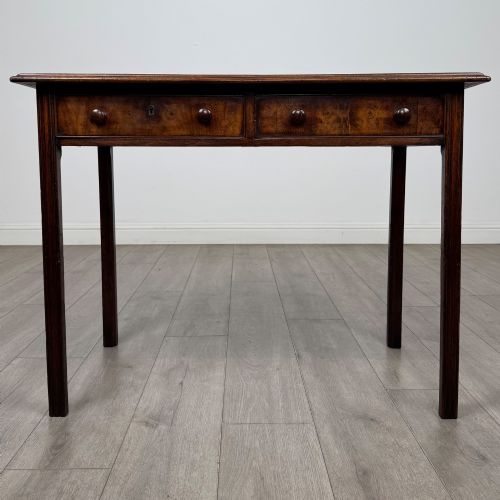
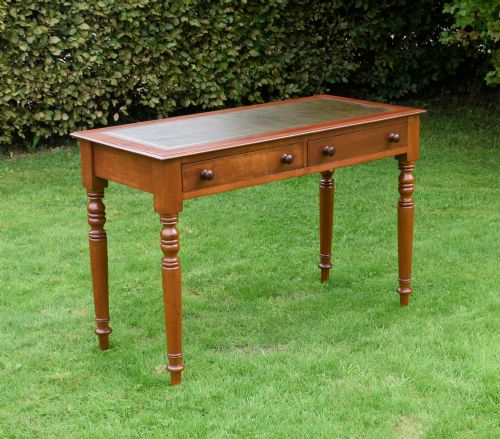
Mahogany console table drawers bring together practical storage and rich timber, offering a dependable surface for writing or display across Georgian, Victorian, and Edwardian rooms.
Mahogany Console Table Drawers
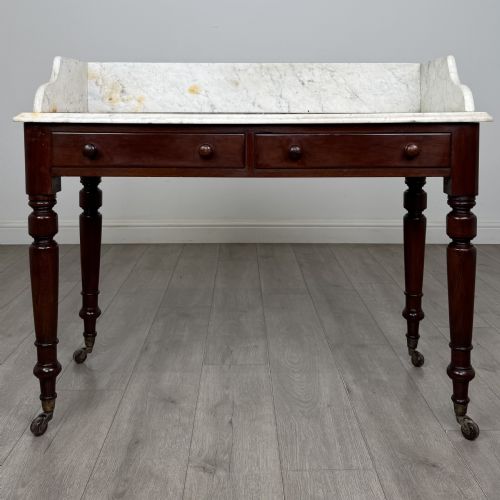
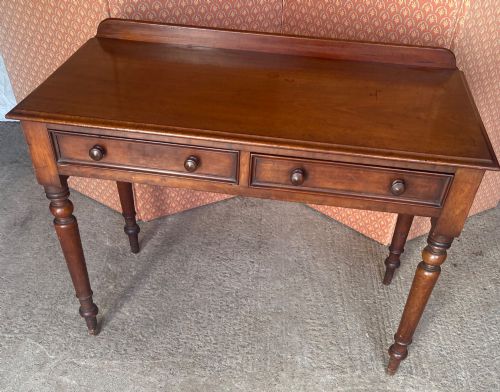
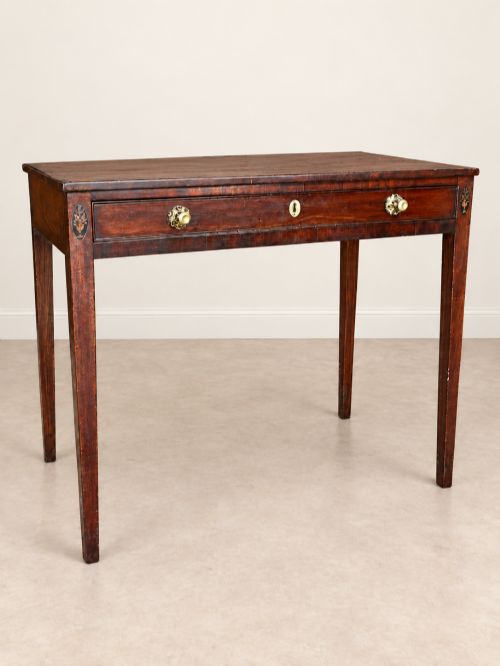
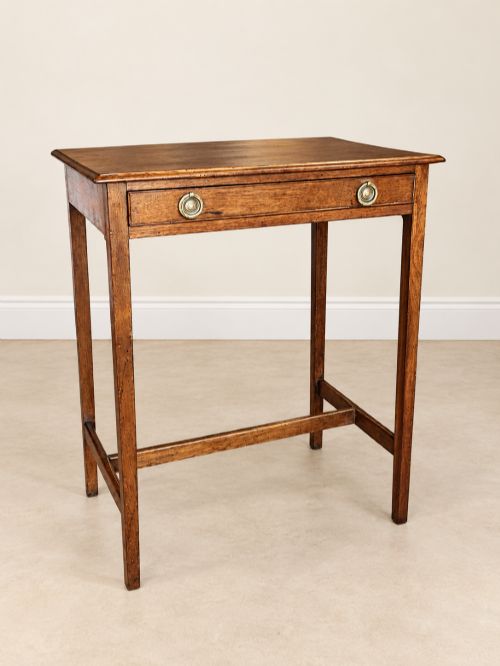
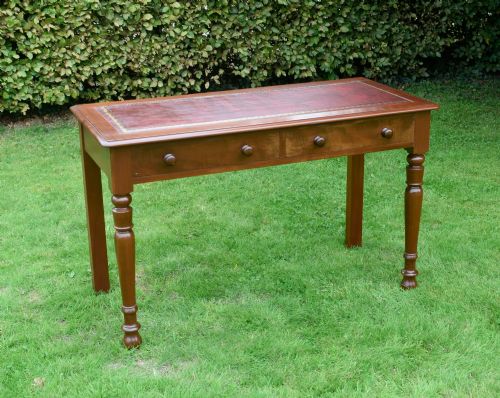
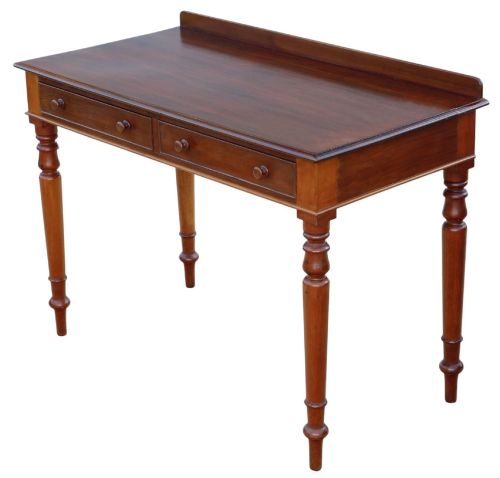
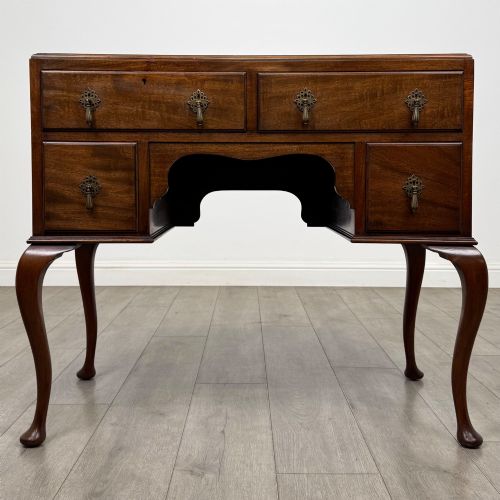
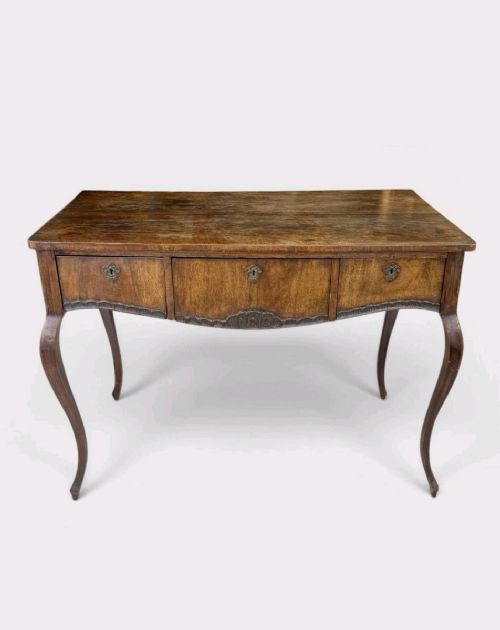
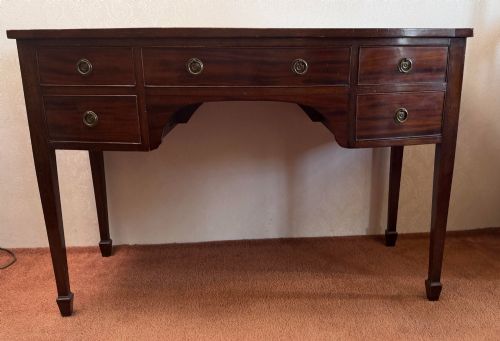
When you search for mahogany console table drawers, you are looking at utilitarian tables fitted with one, two, three or five drawers, originating from the eighteenth, nineteenth, and early twentieth centuries. These pieces cross several overlapping functional categories, appearing as writing tables, side tables, dressing tables, library tables, and serving tables.
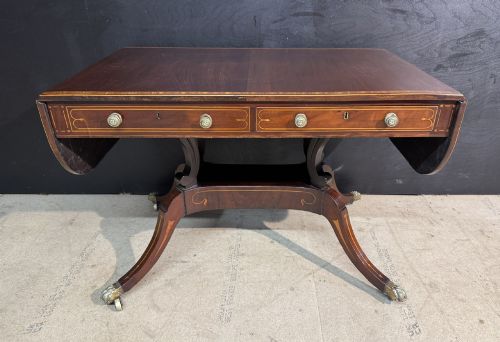
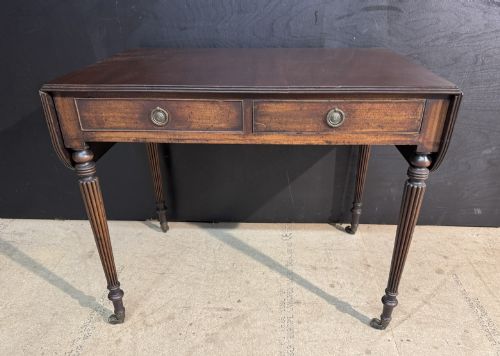
You are most likely to meet Victorian and Georgian examples on this page, alongside Edwardian and Regency pieces. The forms range from compact lowboys and drop-leaf side tables to larger twin pillar consoles and serpentine fronted desks.
Many of these tables feature integrated drawers set beneath the main timber top, providing concealed storage while maintaining a formal silhouette. They serve equally well in hallways, drawing rooms, and studies.
What varies in quality
Quality rests upon the choice of timber and the handling of the grain, visible in the depth of figured mahogany and flame veneer selected for the top and drawer fronts. Superior tables display careful timber matching across the surfaces.
Construction methods also separate the output, seen in the neatness of the drawer joints, the substance of the secondary woods like oak and pine, and the turning or carving of the legs. Original brass handles and sound structural framing elevate an example above standard production.
Some Edwardian tables feature bamboo-turned legs, bringing an unexpected touch of botanical mimicry to traditional mahogany furniture.
Heal and Son·Gillows
The Mahogany Console Table Drawers Glossary
- Flame mahogany veneer
- A thin slice of mahogany timber cut from the fork of the tree, producing a distinctive flame-like pattern across the drawer fronts and tabletops.
- Lowboy
- A small seventeenth or eighteenth-century dressing or side table featuring one or more rows of drawers beneath the surface.
- Console table
- A table designed to stand against a wall, frequently used in halls and reception rooms for display or serving.
- Drop-leaf side table
- A table equipped with hinged leaves that fold down at the sides, allowing the piece to occupy less space when not in use.
- Secondary wood
- Timber used in the hidden parts of a piece, such as drawer linings and interior framing, commonly oak or pine in better tables.
Mahogany Console Table Drawers: Frequently Asked Questions
Where should I place a console table?
These tables suit narrow spaces such as hallways, landings, and reception rooms where surface area is needed without excessive depth.
The drawers provide convenient storage for keys, stationery, or correspondence while keeping the tabletop clear for lamps and decorative objects.
How do I identify a Georgian table?
Georgian pieces typically date from the eighteenth or early nineteenth century, exhibiting proportions associated with the period from George III onwards.
Look for characteristics like tapered legs, solid mahogany construction, and simple drawer arrangements without heavy Victorian embellishment.
What is the difference between a side table and a writing table?
Side tables are generally designed for display and serving against a wall, whereas writing tables incorporate a comfortable kneehole or working surface for paperwork.
Both forms frequently feature integrated drawers, making the exact distinction dependent on the height and depth of the leg room underneath.
How do I care for mahogany furniture?
Keep the timber away from direct heat sources and strong sunlight to prevent the polish and veneer from drying out over time.
Dust with a dry cloth and occasionally feed the surface with a suitable wax to maintain the lustre of the mahogany grain.