

Mahogany Cabinet with Mirror
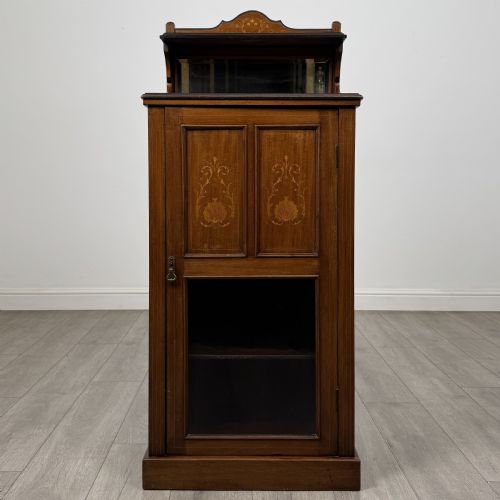
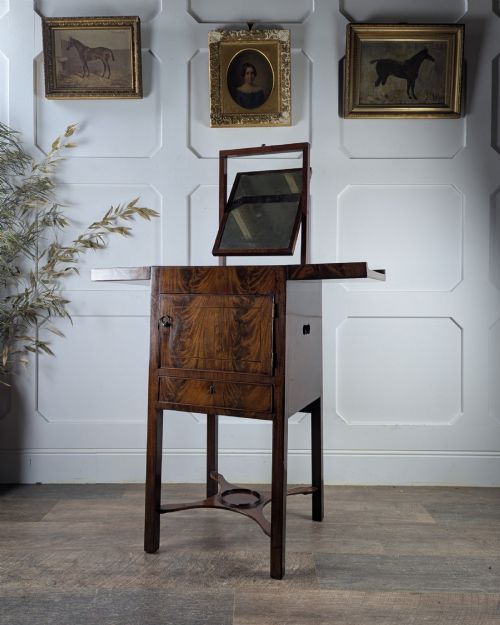
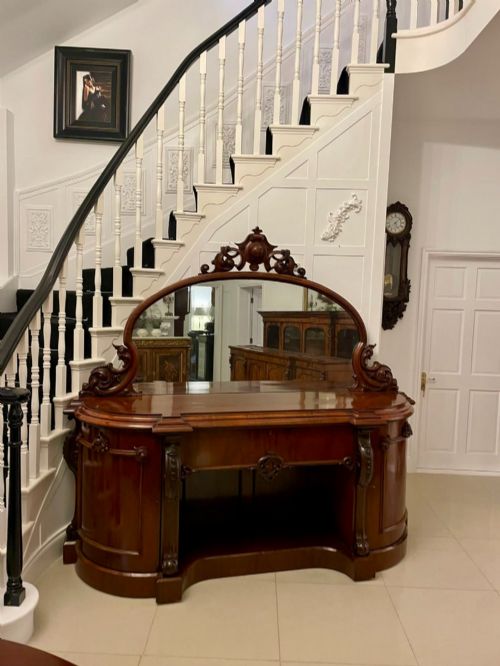
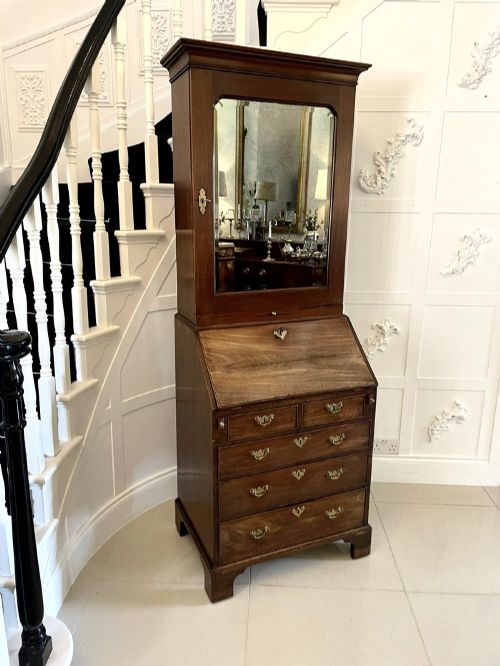
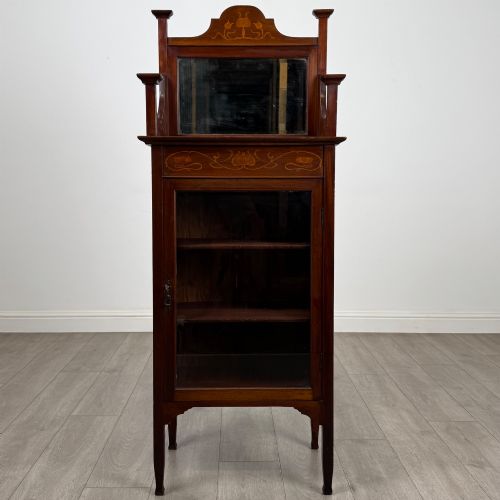
Mahogany cabinet with mirror pieces combine rich timber and reflective glass across Victorian, Edwardian, and Georgian forms, offering both functional storage and period charm.
Mahogany Cabinet with Mirror
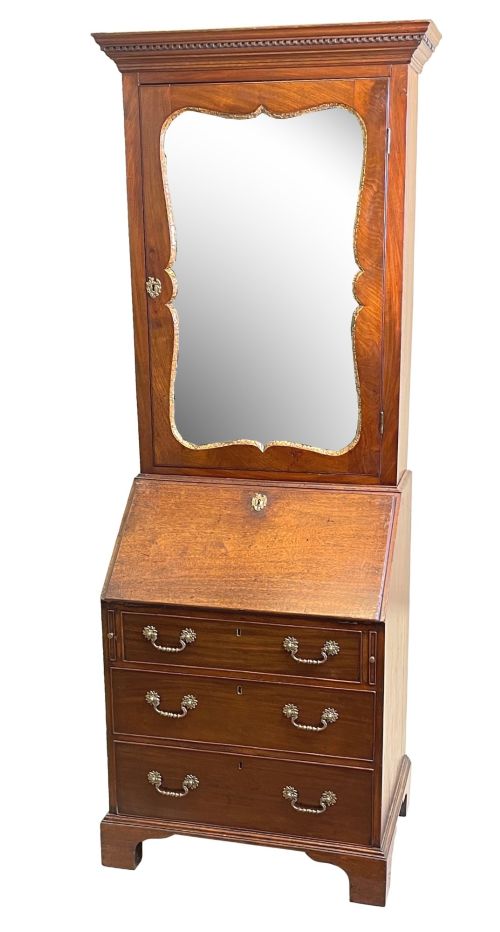
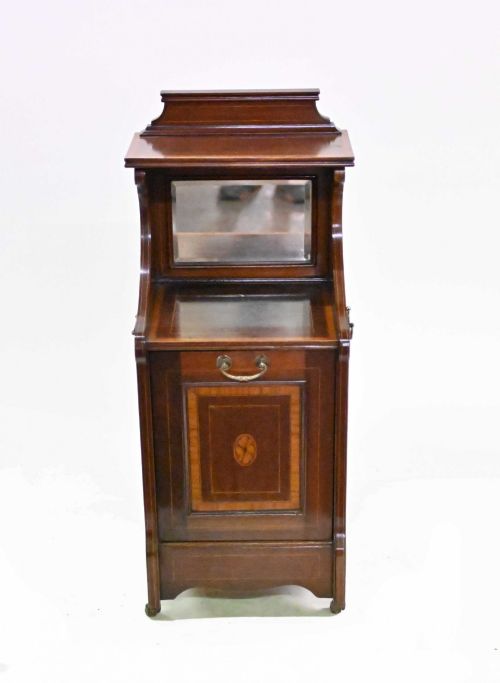
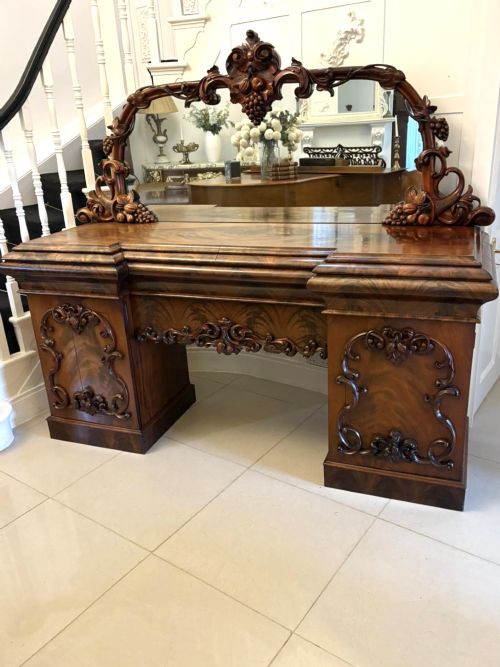
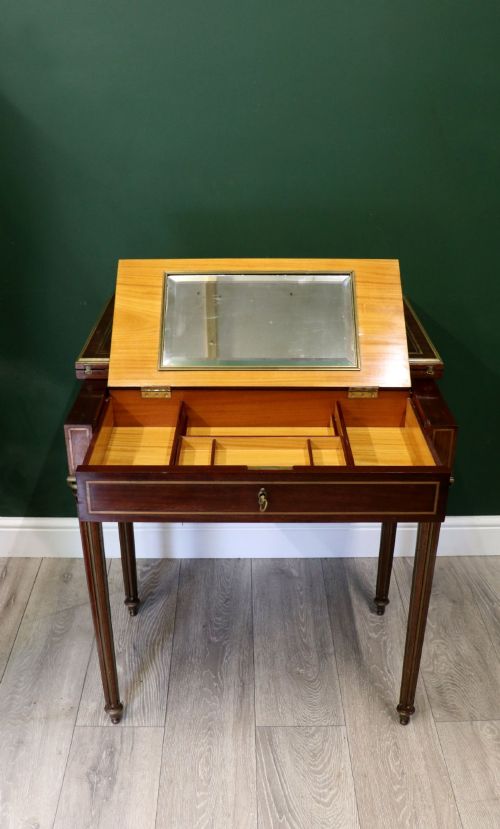
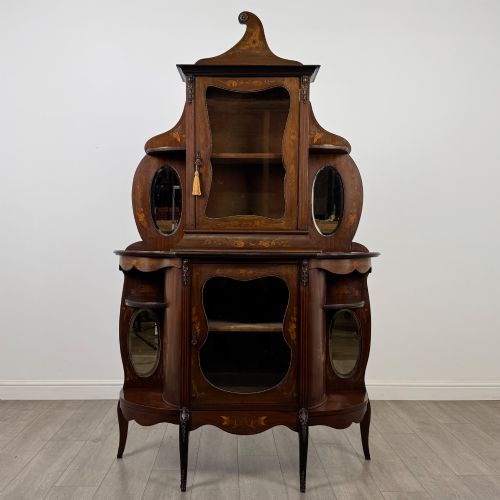
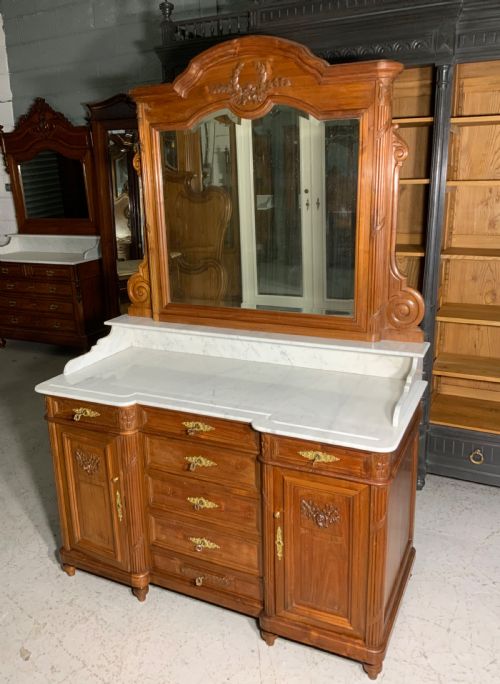
A mahogany cabinet with mirror search reveals a diverse group of furniture items ranging from sideboards and display cabinets to dressing chests and bookcases. You encounter various historic forms across this selection, including Edwardian display cabinets, Victorian mirror back sideboards, and Georgian bureau bookcases.
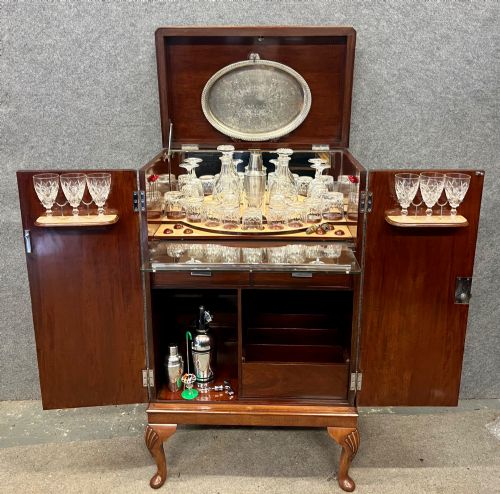
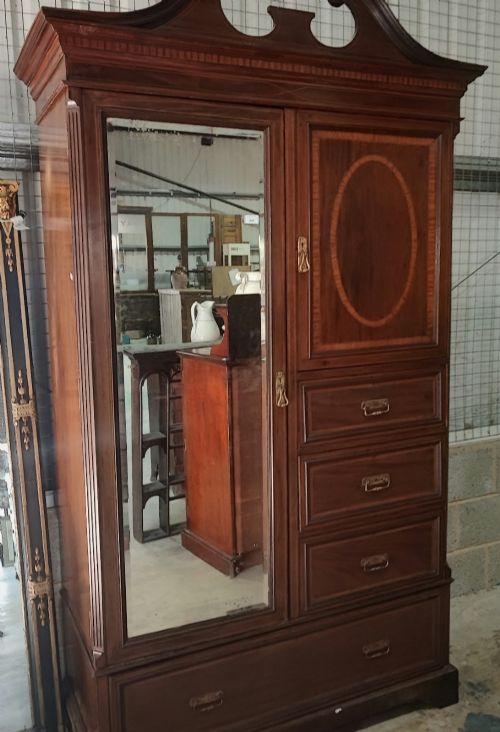
The version you are most likely to meet on this page is the Edwardian or Victorian iteration featuring integrated glass mirror panels and rich mahogany timber. These examples span side cabinets, shop display units, and bedroom pieces designed to reflect light and display objects.
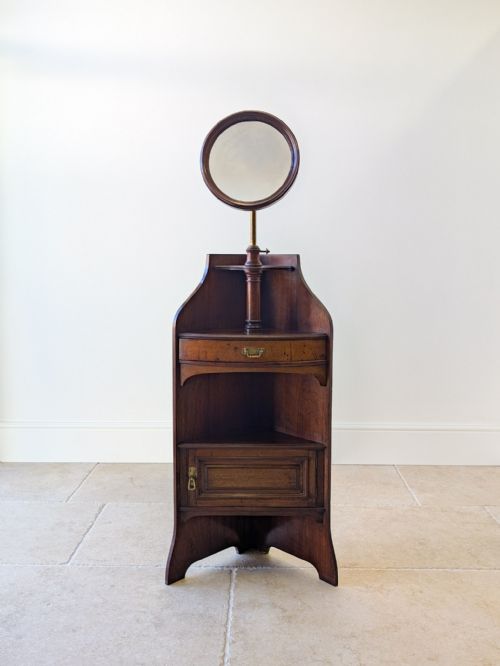
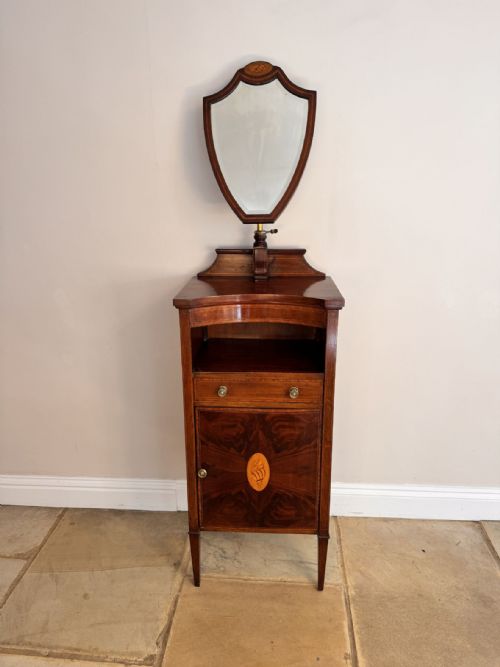
Earlier variants from the eighteenth and nineteenth centuries appear in forms like bureau bookcases and gentleman's wash stands, incorporating mirrored elements with traditional cabinetwork. Each piece demonstrates the enduring utility of mahogany paired with reflective surfaces across multiple historic periods.
How they were made
Cabinet makers utilised solid and figured mahogany alongside satinwood inlay to build these structures, often incorporating brass hardware and marble elements. Timber selection dictated the grain pattern, with figured mahogany and Cuban mahogany appearing frequently in the construction.
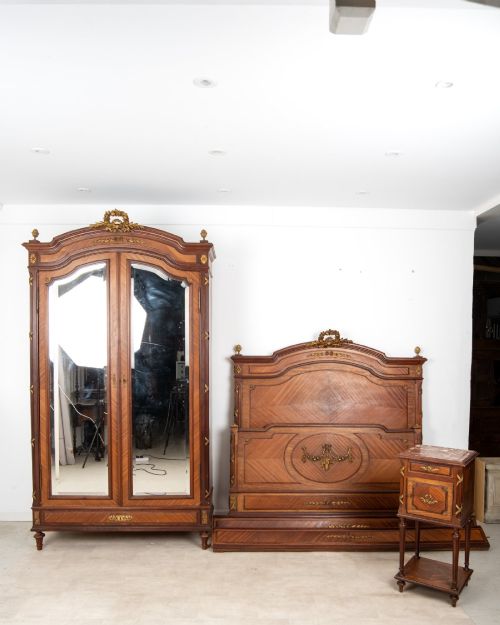
Reflective glass and mirror panels were set into doors, backboards, and adjustable shields, supported by carved details and ormolu mounts. Workshops applied French polish or traditional finishes to seal the timber and highlight the natural red-brown colour of the mahogany.
Mahogany Cabinet with Mirror Retail Price Guide 2026
Typical asking prices for mahogany cabinet with mirror among the pieces listed under this phrase on Sellingantiques today, from the lower quarter to the upper quarter. They describe what is for sale here now, not the wider market.
Some miniature wardrobes exist simply because apprentices needed to prove they could scale down a gentleman's cupboard without losing a single drawer.
What varies in quality
Quality separates through the refinement of the cabinetwork, the depth of the mahogany grain, and the integration of the mirror back. Pieces featuring subtle satinwood inlay, crisp carving, and substantial brass mounts represent the upper tier of production.
The construction of internal components, such as adjustable glass shelves and dovetailed drawers, distinguishes standard workshop output from exceptional examples. Furthermore, the clarity and original state of the mirror glass contribute significantly to the overall standing of the piece.
J Shoolbred
The Mahogany Cabinet with Mirror Glossary
- Mahogany
- A durable tropical hardwood known for its deep reddish-brown colour and fine grain. It served as the primary material for high-end cabinetmaking throughout the eighteenth and nineteenth centuries.
- Mirror Back
- A reflective glass panel integrated into the rear superstructure of a sideboard, cabinet, or dressing chest. This feature was designed to bounce light around a room and showcase displayed items.
- Satinwood Inlay
- Decorative woodwork where contrasting light-coloured satinwood veneer is inserted into recesses within the mahogany surface. It creates geometric or floral patterns across Edwardian and Georgian panels.
- Breakfront
- A cabinet or sideboard design where the central section projects forward from the flanking outer sections. This architectural arrangement adds visual depth to large storage furniture.
- Ormolu
- Gilt-bronze ornaments applied to furniture pieces, particularly prevalent in French revival designs. These metallic mounts decorate corners, friezes, and panel borders.
Mahogany Cabinet with Mirror: Frequently Asked Questions
What periods do these cabinets come from?
The selection spans several historic eras, including Georgian, Victorian, and Edwardian periods, alongside nineteenth-century revival styles. Makers produced these items across distinct decades, reflecting changing domestic tastes.
You will find pieces dating from the eighteenth century up through the early nineteen hundreds, demonstrating continuous evolution in cabinet design.
Where were these pieces used originally?
These cabinets served multiple domestic functions across bedrooms, sitting rooms, and hallways. Gentlemen utilised wash stands and bureau bookcases, while drawing rooms housed display cabinets.
Shop interiors also employed glazed display versions with mirrored interiors to exhibit goods to customers.
What is satinwood inlay?
Satinwood inlay involves cutting contrasting light-toned satinwood veneers into the darker mahogany surface to form decorative borders or motifs. Craftsmen utilised this technique on Edwardian and Georgian furniture.
This decorative method highlights the edges of doors, drawers, and cabinet tops with a golden contrast.
Are the shelves adjustable?
Certain display cabinets and bookcases include adjustable glass or timber shelving supported by internal rack systems. Shop display units frequently utilised this feature to accommodate objects of varying heights.
Not all historic pieces possess adjustable interiors, as many retain their original fixed wooden shelves.