
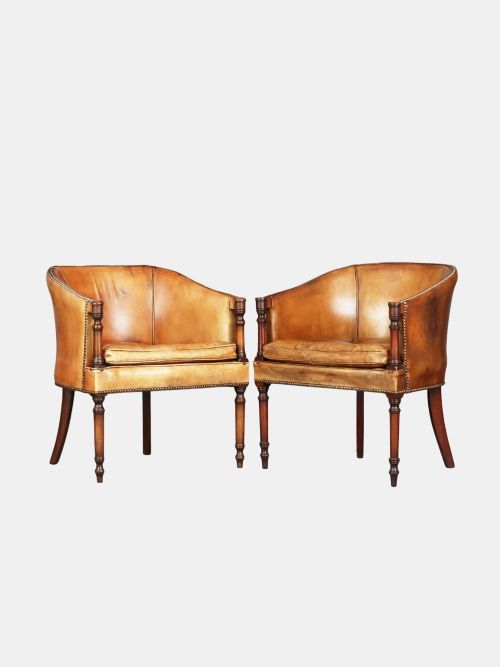


Mahogany Barrel Armchair
A mahogany barrel armchair wraps you in curved timber and sprung upholstery, offering a supportive seat designed for the fireside or library.
Mahogany Barrel Armchair
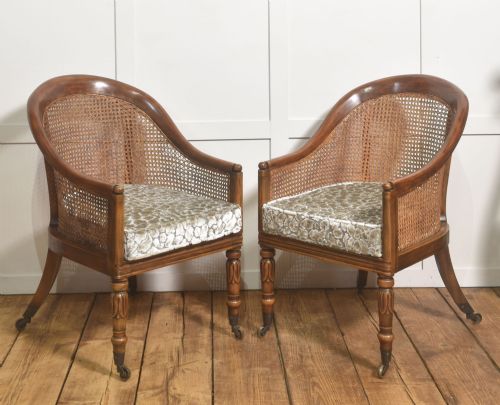
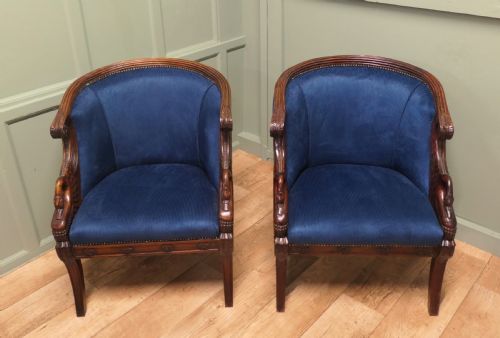
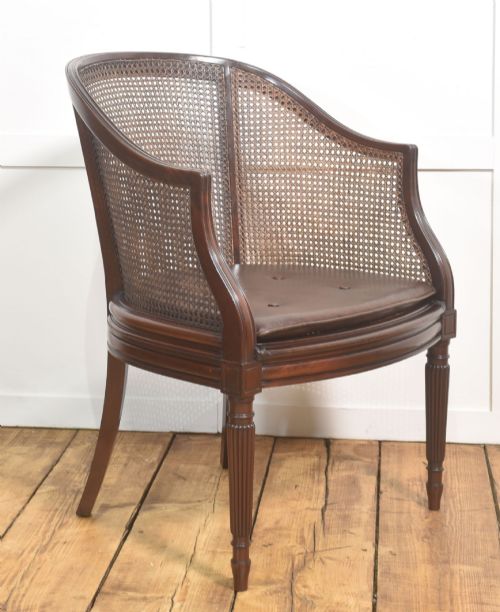
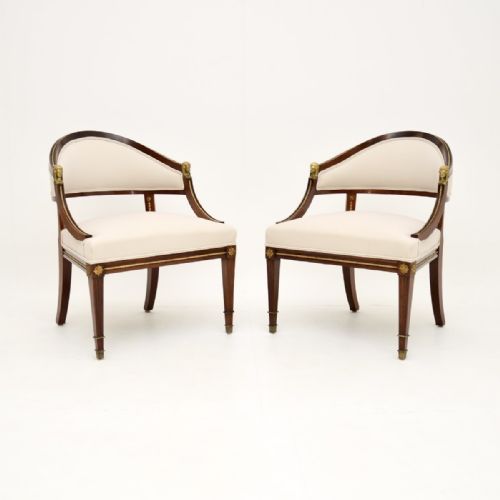
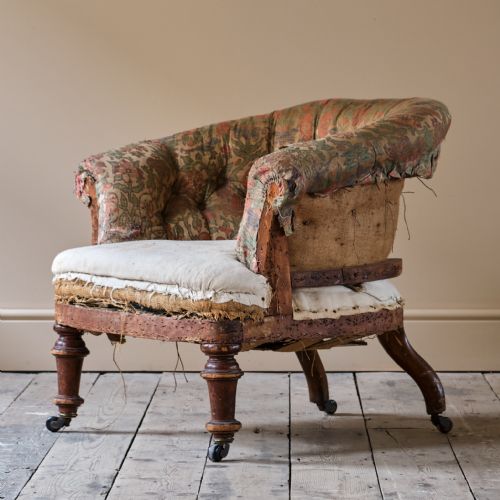
A mahogany barrel armchair presents a continuous curved back enclosing the sitter, often referred to as a tub or barrel shape. These seating forms span the Georgian, Regency, Victorian, and Edwardian periods, stretching from the eighteenth century into the twentieth.
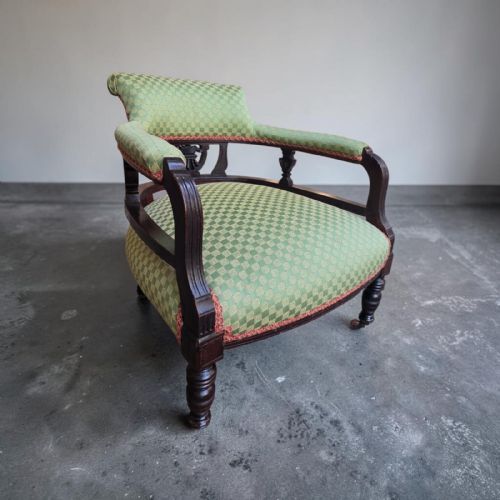
The versions most commonly met on this page date from the Victorian and Edwardian eras, alongside Georgian and Regency examples. They appear in libraries, parlours, and studies as both library chairs and intimate seating.
Materials and Construction
Cabinetmakers built the frames primarily from solid mahogany, sometimes incorporating brass, ormolu mounts, or ebony inlay. The curved backrails required skilled steam bending or careful joinery to achieve the signature cylindrical profile.
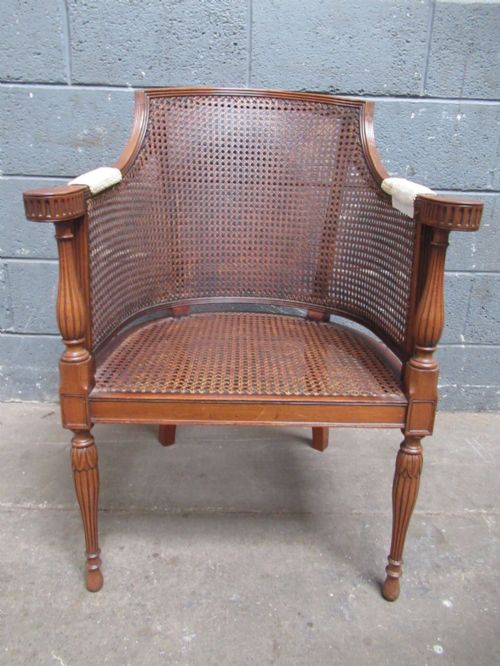
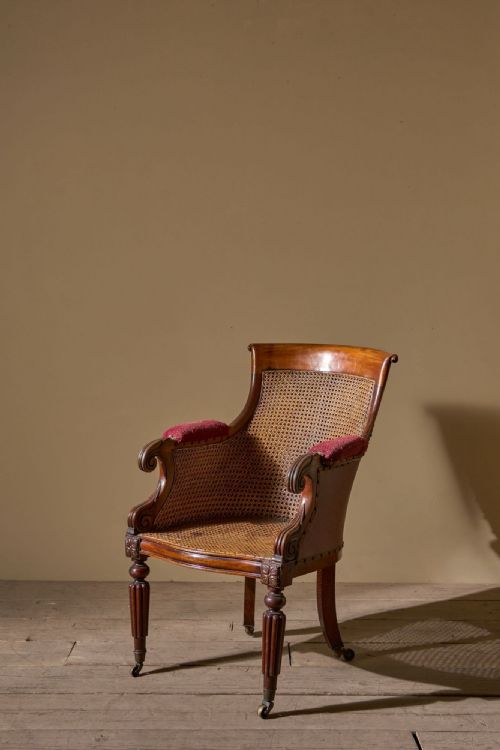
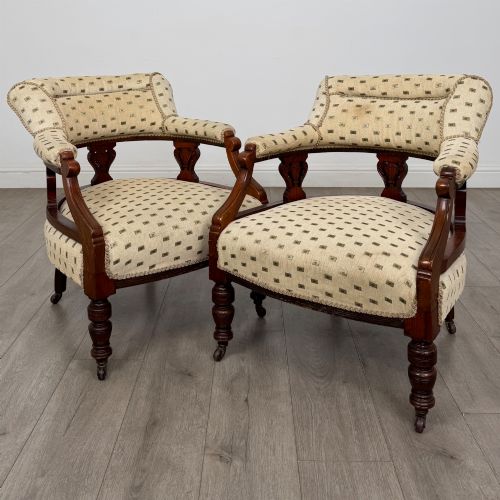
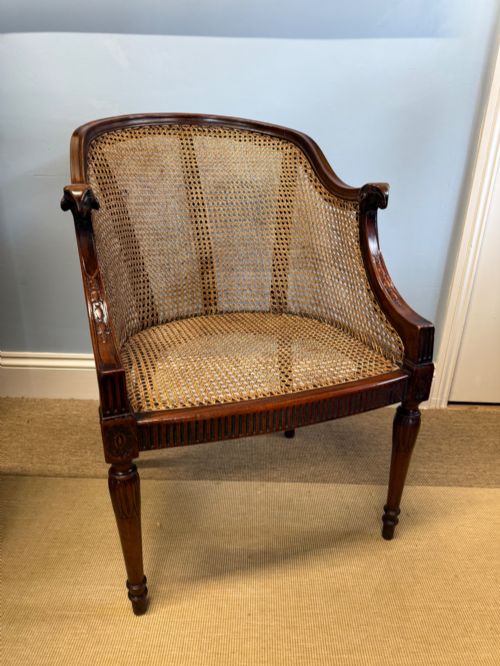
Seating surfaces utilise cane, leather, fabric, velvet, or hessian over sprung or stuffed foundations. Caned panels appear frequently in Edwardian examples, while button-backed upholstery defines many Victorian pieces.
Listings feature mahogany frames combined with leather, cane, velvet, and brass across periods from the Georgian era to the Edwardian period.
Assessing Quality and Execution
Quality rests in the fluidity of the timber frame's curve and the integrity of the joinery where the arms meet the backrail. Superior pieces display thoughtful proportions and substantial mahogany stock rather than thin, flat veneers.
The refinement of secondary elements, such as hand-turned front legs, reeded details, or finely chased ormolu mounts, elevates an example. Original upholstery materials and well-maintained cane work also distinguish the better-preserved survivors.
Harrods London
The Mahogany Barrel Armchair Glossary
- Barrel back
- A seating form featuring a continuous, curved semi-circular backrest that wraps around the sitter. This design offers enclosed comfort and draught protection by the fireside.
- Bergère
- An enclosed upholstered armchair with exposed wooden framing and cane-work sides or back panels. It originated in France and remains popular in Edwardian variations.
- Ormolu
- Gilt-bronze ornamentation applied to furniture frames during the French Empire Revival and related nineteenth-century styles. It adds metallic contrast to dark mahogany surfaces.
- Reeded
- A decorative moulding comprising parallel convex convex strips carved into wooden legs or stretchers. It was particularly favoured during the Regency and George IV periods.
- Porters chair
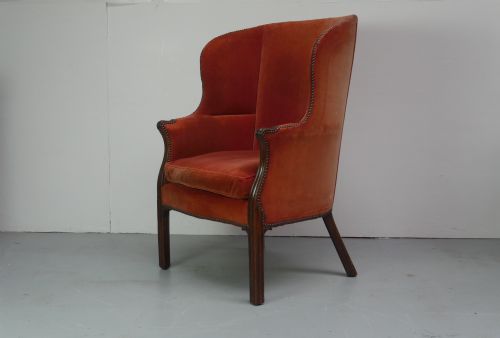
- A tall, hooded armchair originally designed to keep draughts away from hallway attendants. Enclosed barrel backs frequently share this protective, curved silhouette.
Mahogany Barrel Armchair: Frequently Asked Questions
How do I date a barrel armchair?
Dating relies upon observing the style of the mahogany frame, leg turning, and upholstery methods. Georgian and Regency examples tend to feature simpler, robust lines, whereas Victorian pieces often introduce button-backed padding.
Edwardian iterations frequently incorporate cane panels and lighter framing proportions. Comparing these stylistic markers against known historical periods helps narrow down the decade of manufacture.
Where should I place one?
These armchairs suit studies, libraries, and bedrooms where their curved backs can be appreciated from multiple angles. Their enclosed shape makes them practical reading seats.
They pair well with existing wooden desks or act as standalone accent pieces in living spaces. Ensure adequate surrounding floor space to display the rounded wooden profile.
Are they comfortable for daily use?
The supportive curved back and padded seat make them well-suited for sitting over extended periods. Many incorporate upholstered cushions or sprung bases designed for relaxation.
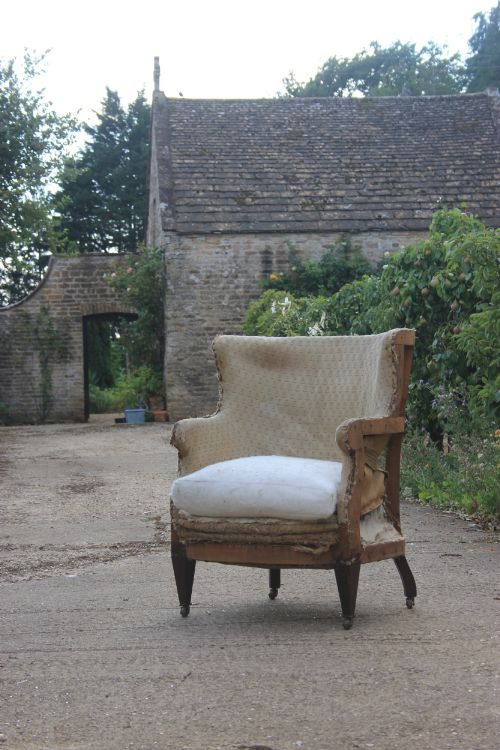
Comfort varies depending on the firmness of the surviving interior stuffing and webbing. Selecting a piece with appropriate seat depth ensures it functions effectively in modern daily life.