

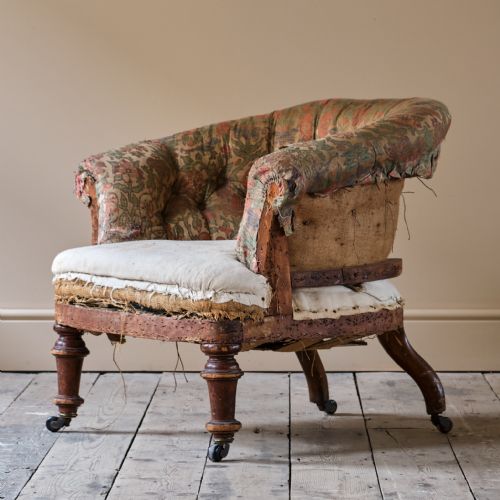


Mahogany Armchair Project
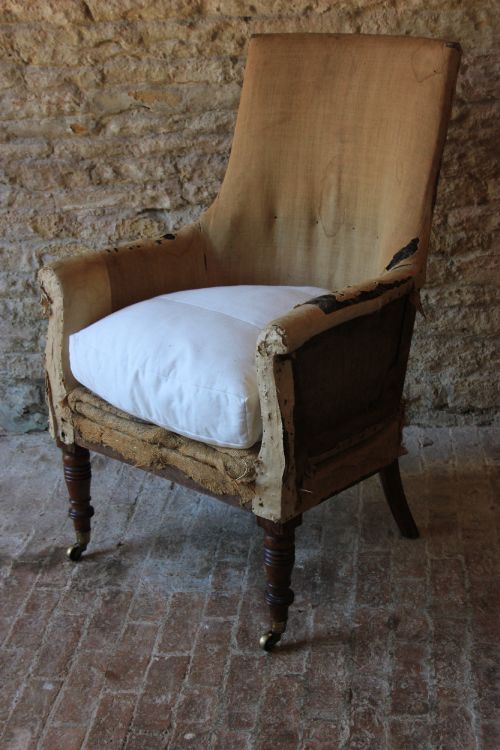
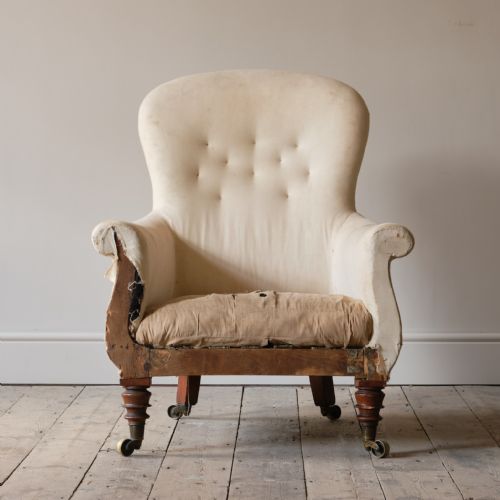
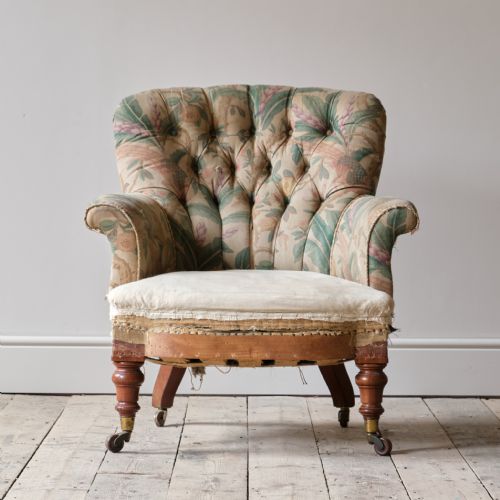
These mahogany armchair project pieces are substantial timber frames awaiting upholstery, offering a rewarding pursuit for restorers seeking period seating.
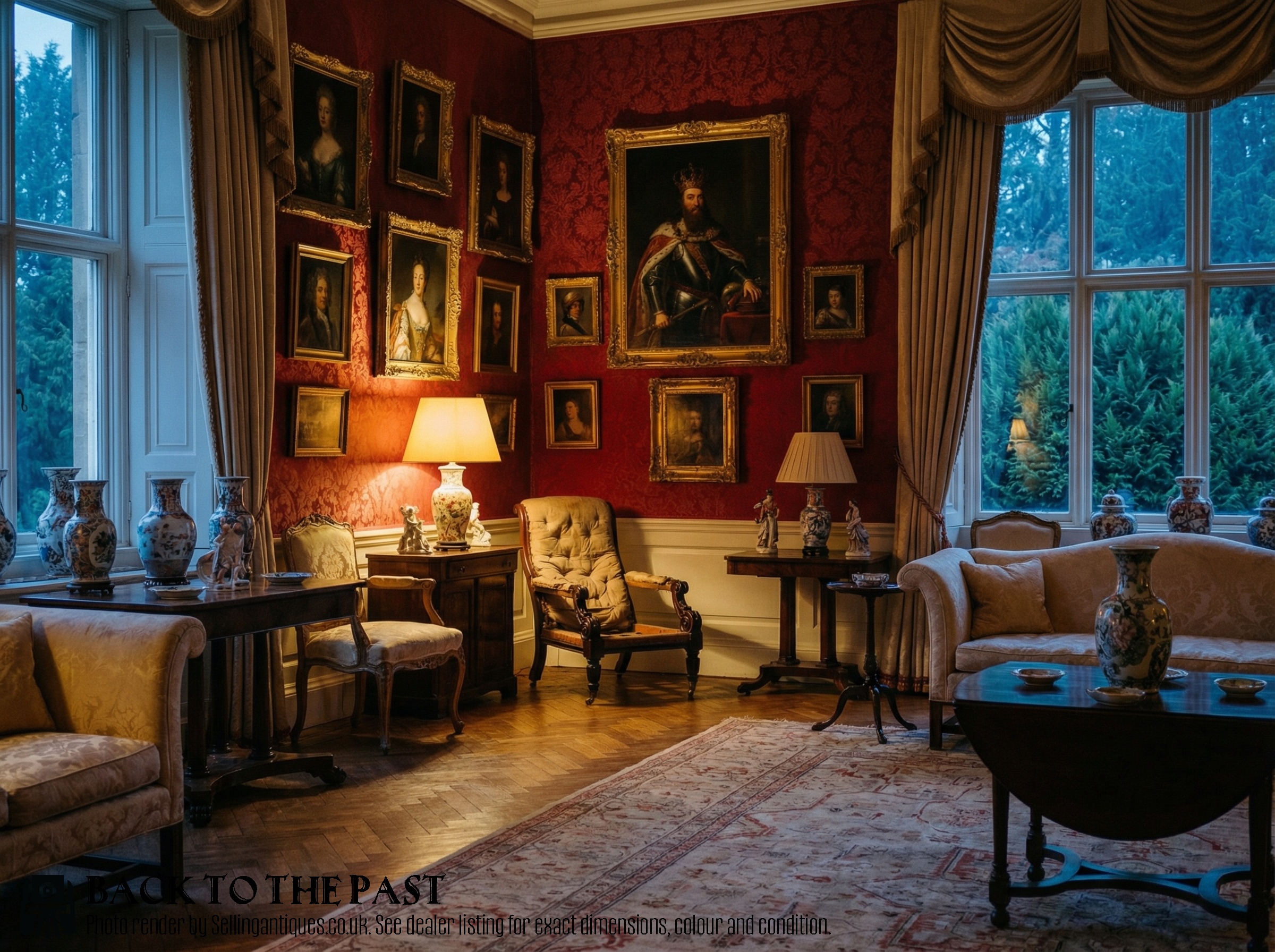
Mahogany Armchair Project
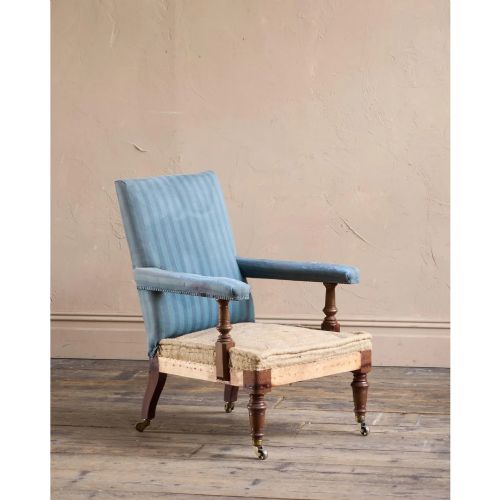
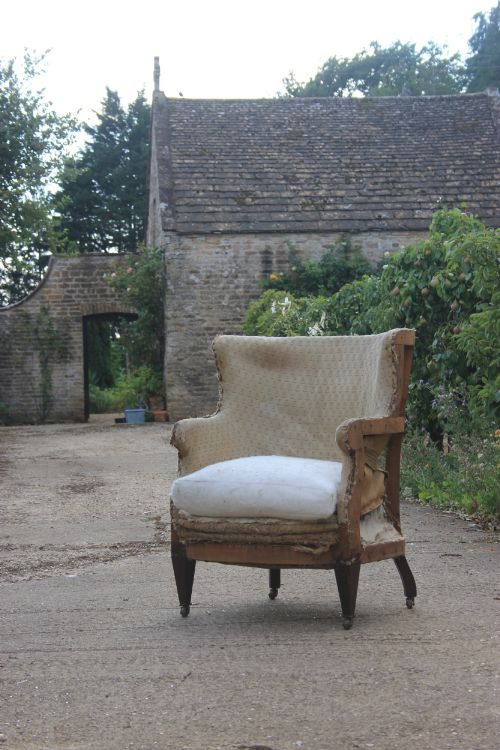
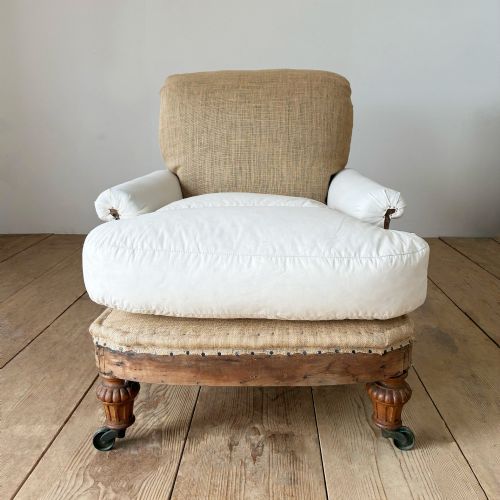
A mahogany armchair project typically presents as a bare timber skeleton or an antique frame requiring complete reupholstery, often stripped back to the initial webbing and hessian stage. Buyers searching for a mahogany armchair project will encounter forms ranging from deep country house seating and tub backs to Gainsborough library chairs and wingback designs.
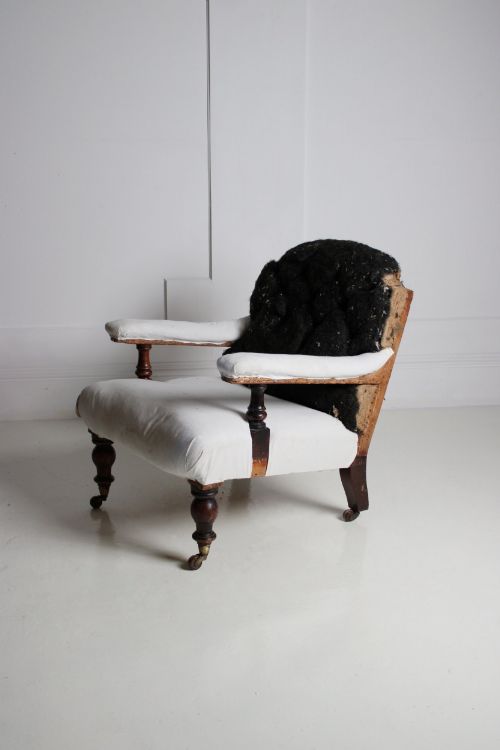
The periods represented stretch across the Georgian, Regency, William IV, Victorian, and Edwardian eras, with frames constructed from rich dark timber. Many examples survive in raw states specified for recovering, featuring exposed mahogany reeded legs or carved open elbow frames.
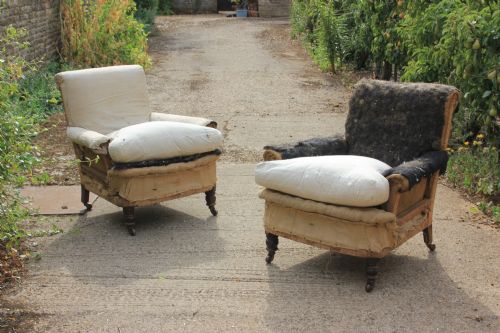
Country house proportions dominate the available selection, alongside occasional pairs and boudoir suites requiring a comprehensive restoration approach. Each piece provides the structural chassis upon which traditional materials like horsehair and calico can be built anew.
Materials and construction methods
Construction relies heavily upon solid mahogany timber frames, frequently shaped with carved details, reeded legs, or open elbow supports. Joinery methods of the period utilise traditional pegged and tenoned joints to withstand heavy domestic use.
Internal upholstery build-ups historically incorporated natural stuffing materials such as horsehair, secured beneath layers of hessian, calico, and cotton. Brass tacks and buttons often punctuate the design, anchoring the tension across buttoned backs and sprung seats.
Several armchairs survive with hidden decades of old stuffing, waiting for a patient restorer to uncover their secret interior padding.
Assessing quality in restoration projects
Quality reveals itself primarily in the timber selection, the crispness of any hand-carved mahogany detail, and the integrity of the underlying frame construction. Heavier, larger-proportioned country house frames demonstrate superior timber density and more ambitious architectural forms than simpler occasional chairs.
The original joinery condition dictates the restoration merit, with tight joints and well-balanced proportions separating standard utilitarian seating from distinguished library and Gainsborough models.
Morison and Co·Gillows·Howard And Sons·Hamptons and sons
The Mahogany Armchair Project Glossary
- Calico stage
- The intermediate upholstery phase where unbleached cotton calico is tacked tightly over the internal stuffing to establish the shape before final top fabric is applied.
- Gainsborough chair
- An open-armed, upholstered reading or desk chair dating from the eighteenth century onwards, typically featuring a padded back and seat with mahogany arm supports.
- Reeded legs
- Supporting timber legs carved with parallel convex mouldings resembling bundled reeds, frequently seen on Regency and Victorian seating.
- Hessian
- A coarse woven fabric, often made from jute fibre, utilised as a strong foundation base for webbing and internal stuffing.
- Tub back
- An armchair style featuring a semicircular curved backrest that flows continuously into low arms, providing an enclosed seating position.
Mahogany Armchair Project: Frequently Asked Questions
What does a project frame need?
These frames typically require complete reupholstery, ranging from new webbing and horsehair stuffing to final top fabric covering.
Restorers may also need to address minor timber stabilization or surface cleaning while preserving the genuine antique patina.
How do I choose top fabric?
Selecting a fabric depends on the intended period of the chair and whether it will serve as a prominent library seat or a bedroom accent.
Traditional damasks, wools, or simple cottons suit these historic frames best, depending on regional country house aesthetics.
Are these chairs comfortable?
Comfort is built during the interior restoration process through the correct layering of springs, horsehair, and stuffing depths.
Many surviving pieces are noted for exceptionally deep seats designed for long periods of reading or relaxation.
How do I date the mahogany frame?
Dating relies on observing stylistic markers such as reeded legs, carved arm supports, and overall proportions associated with Georgian, Regency, or Victorian design.
Construction traits like hand-cut screws and traditional joinery also assist in placing the piece within its correct nineteenth-century decade.