



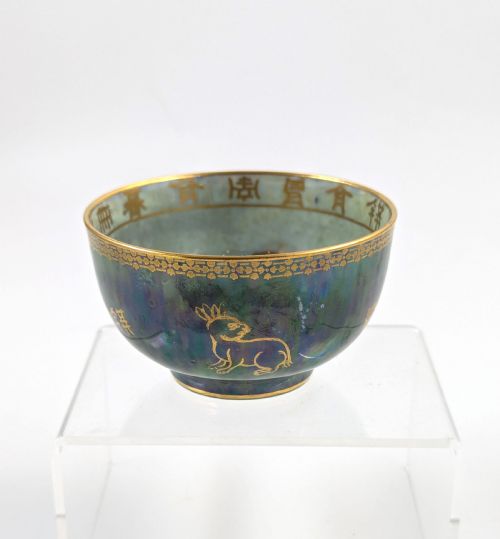


Lustreware Pottery Bowl
These lustreware pottery bowl pieces shine with metallic glazes across centuries, bringing rich colour and decorative depth to any room.
Lustreware Pottery Bowl
When you search for a lustreware pottery bowl, you encounter diverse items ranging from early medieval Persian pieces to 19th century British earthenware and Edwardian bone china. The selection most commonly includes pieces by notable designers from the early 20th century alongside Victorian folk art.
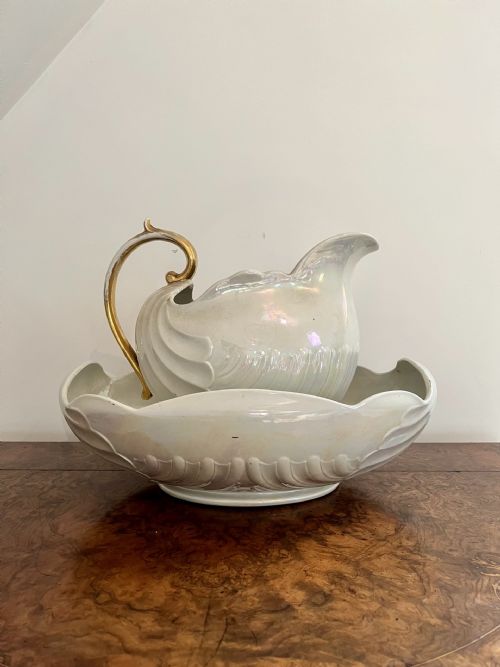
The objects take the form of decorative bowls, footed bowls, and larger jug and bowl sets. Origins span across England and Persia, covering eras from pre-16th century up through the 1930s.
How they were made
Potters utilised earthenware, porcelain, and bone china as the primary base materials for shaping these vessels. Artisans applied a specialised metallic glaze or lustre glaze over the surface to create an iridescent sheen.
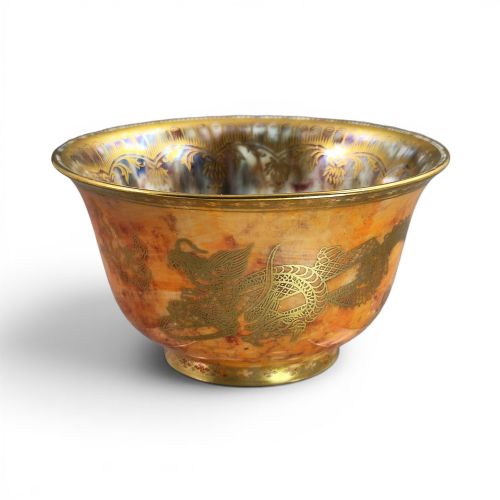
Techniques involved firing metallic oxides onto the ceramic body to achieve the characteristic shimmering effect. Craftsmen frequently incorporated gold leaf and intricate painted patterns such as dragons, flowers, and narrative scenes.
Horses, riders, and mythical dragons populate these bowls, turning a simple dinner table into a medieval storybook.
What varies in quality
Quality rests upon the fineness of the metallic glaze application and the complexity of the painted design. Pieces featuring detailed pictorial work by prominent designers stand apart from standard commercial production.
The crispness of the moulding and the preservation of the iridescent surface finish dictate the standing of an individual piece. Early medieval examples derive their distinction from historical rarity and the preservation of the glaze over centuries.
Wedgwood·Maling·Shelley
The Lustreware Pottery Bowl Glossary
- Lustre Glaze
- A type of ceramic glaze containing metallic oxides that produces an iridescent, reflective finish upon firing. It gives the pottery its characteristic metallic sheen.
- Earthenware
- A porous pottery body fired at lower temperatures, commonly used for traditional British decorative bowls. It requires glazing to become water-resistant.
- Bone China
- A type of porcelain incorporating animal bone ash, resulting in a strong, translucent ceramic body. It provides a smooth white base for delicate painted patterns.
- Footed Bowl
- A vessel raised upon a distinct pedestal or base ring rather than resting flat on its bottom. This form elevates the display of the decorated interior.
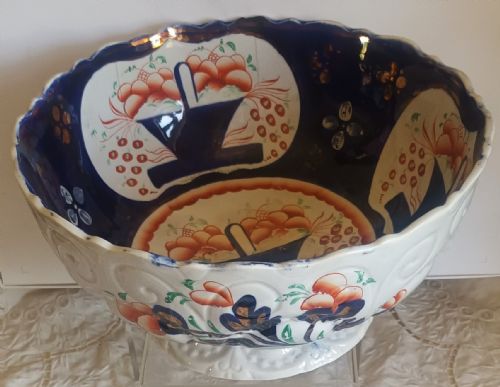
- Gaudy Welsh
- A style of colourful British pottery featuring bright cobalt blue, copper lustre, and iron-red floral motifs. It was widely produced during the nineteenth century.
Lustreware Pottery Bowl: Frequently Asked Questions
How do I clean a lustreware pottery bowl?
Dust the surface gently with a soft, dry cloth to remove everyday particles. Avoid abrasive cleaners or soaking, as harsh chemicals can damage the delicate metallic glaze.
Keep these bowls away from direct sunlight and moisture to preserve the iridescent finish over time. Careful handling ensures the metallic oxides remain intact on the ceramic body.
Are these bowls safe for food use?
Most antique lustreware pieces serve primarily decorative purposes rather than practical dining functions. The metallic glazes and early manufacturing methods mean they are best kept for display.
Enjoy them on sideboards, tables, or within cabinets where their reflective surfaces catch the light. Using them for dry decorative items preserves the historical glaze integrity.
How do I identify Persian lustre bowls?
Early Persian pieces, such as those from the 12th and 13th centuries, often feature characteristic earthen bodies with Kashan lustre designs. They frequently depict figures, horses, or traditional Islamic motifs.
These older examples contrast sharply with the brightly coloured Edwardian bone china or Victorian earthenware found in later eras. Examining the weight, clay body, and style of painting helps distinguish the periods.
What is Fairyland lustre?
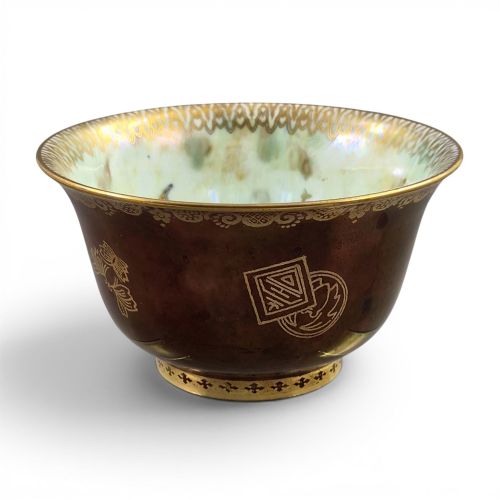
Fairyland lustre is a distinctive line of decorative ceramics featuring fantastical themes like dragons, fairies, and intricate landscapes. These pieces were designed during the early 20th century.
The vibrant ruby, mottled orange, and green glazes create a dramatic visual depth unique to this specific range. Collectors prize these items for their complex storytelling patterns and rich colour palette.