





Lustre Glazed Pottery
Lustre glazed pottery brings metallic shimmer to earthenware and porcelain through fired-on metallic oxides.
Lustre Glazed Pottery
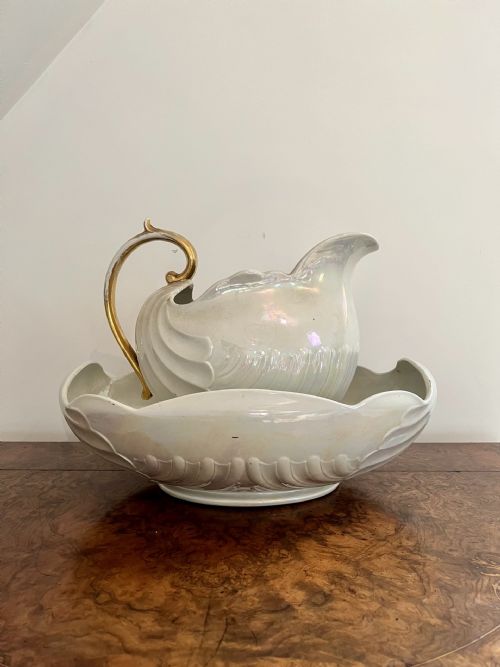
Lustre glazed pottery encompasses vessels and figures coated with metallic glazes that catch the light. Buyers encounter diverse forms, from Sunderland jugs and Staffordshire dogs to Persian bowls dating back to the thirteenth century. These pieces bridge decorative arts and functional domestic wares across multiple centuries.
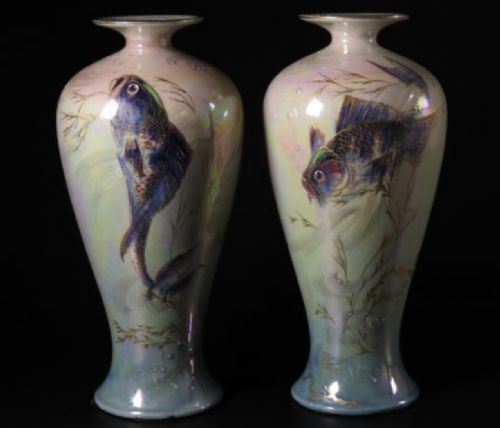
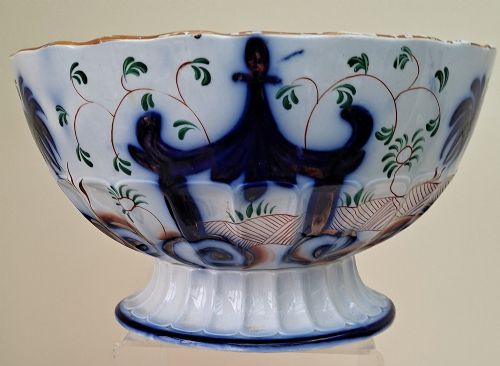
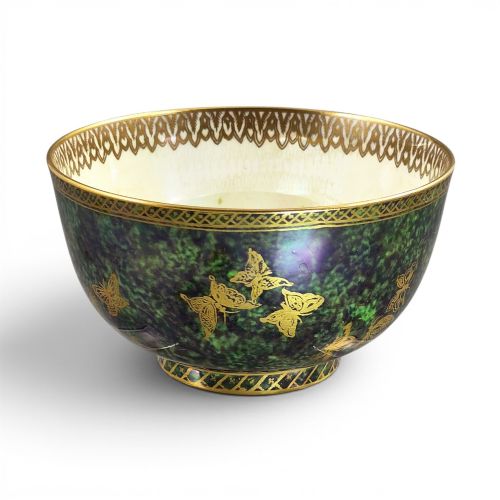
The selection ranges from Georgian copper lustre jugs and Victorian pink splash pieces to Art Deco Wedgwood Fairyland bowls and Royal Lancastrian vases. English earthenware dominates the current offerings alongside Persian Islamic ceramics and continental faience. Jugs, bowls, vases and figurative sculptures represent the primary shapes available to collectors.
Materials and techniques
Potters form these pieces using ceramic, earthenware, porcelain and creamware, often applying tin or metallic glazes to the surface. Silver, copper and gold leaf contribute the distinctive metallic sheen characteristic of the technique. Enamel colours and hand-painted motifs frequently augment the metallic effects.
The fabrication relies on specialist kiln firings that reduce oxygen to deposit a thin, iridescent metallic film over the ceramic body. Complex designs require multiple firings to fix transfers, hand-painted details and lustre layers. Master decorators apply specific oxide mixtures to achieve pink splash, copper, ruby and mottled orange finishes.
Lustre Glazed Pottery Retail Price Guide 2026
Typical asking prices for lustre glazed pottery among the pieces listed under this phrase on Sellingantiques today, from the lower quarter to the upper quarter. They describe what is for sale here now, not the wider market.
The listings span from thirteenth-century Persian Islamic earthenware to twentieth-century Art Deco porcelain, uniting centuries of metallic glazing traditions.
Distinctions in quality
Quality rests upon the precision of the metallic sheen, the complexity of the transfer prints or hand painting, and the reputation of the maker. Pieces designed by notable ceramic artists display superior artistic control over the iridescent glaze effects compared to standard commercial output. Early Persian examples and signed studio pottery command attention through historical significance and technical execution.
The crispness of moulded details in figures like Staffordshire dogs or the intricate detail in Wedgwood Fairyland patterns dictate the standing of an individual item. Uniformity of the metallic gloss without dull patches separates superior specimens from lesser examples. The preservation of enamel colours and gold leaf beneath or over the glaze maintains the visual impact.
Daisy Makeig Jones·Clement Massier·Richard Joyce·Walter Slater
The Lustre Glazed Pottery Glossary
- Copper lustre
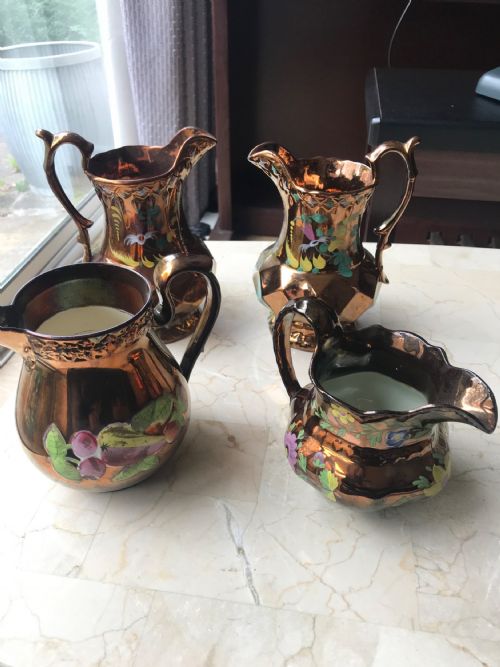
- A metallic glaze containing copper oxides that produces a warm, coppery reddish-brown sheen on earthenware bodies. This finish appears frequently on nineteenth-century Staffordshire jugs and animal figures.
- Pink splash lustre
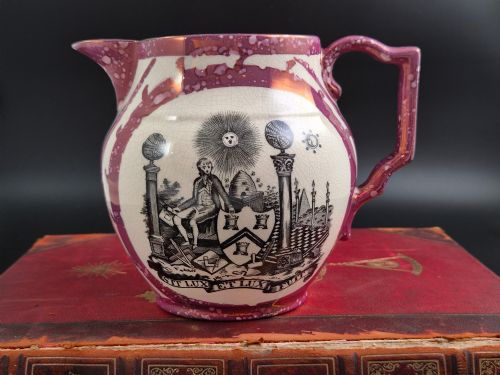
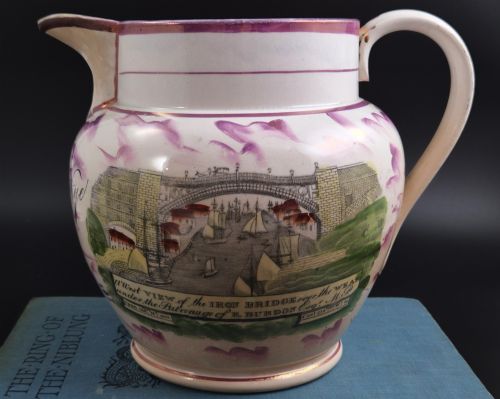
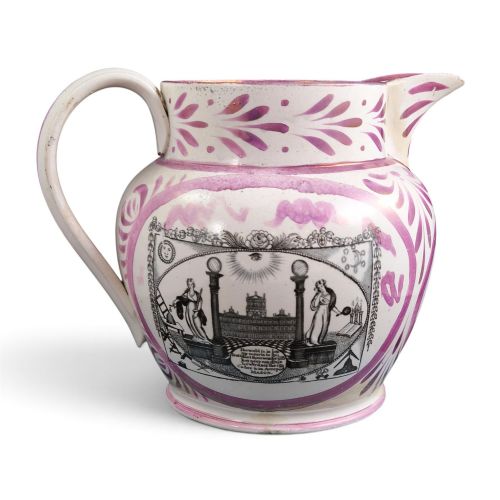
- A decorative technique creating mottled pink and purple patches on white earthenware surfaces through the application of gold or platinum salts. Sunderland potteries utilised this method extensively on maritime and masonic jugs.
- Fairyland lustre
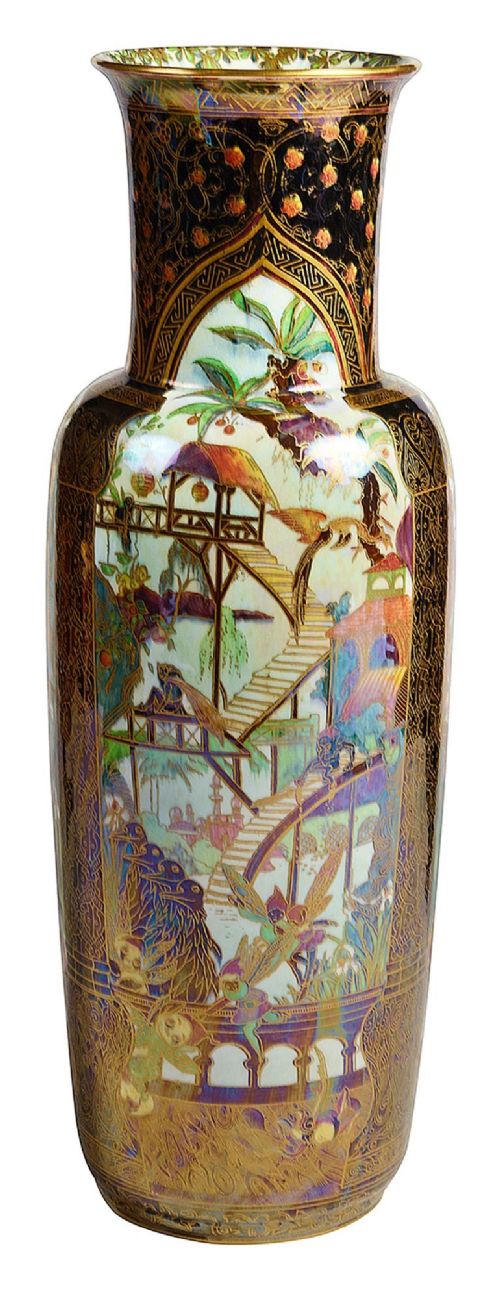
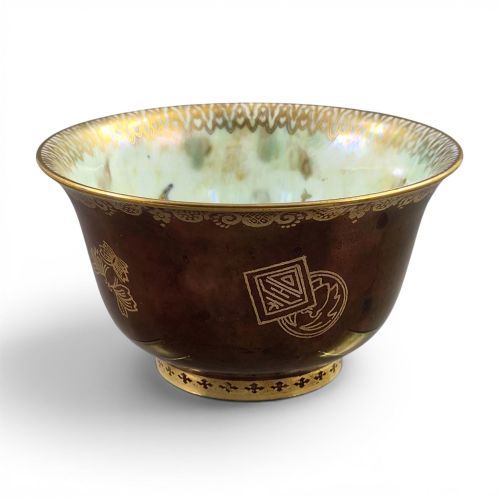
- A complex range of fantastical porcelain designs developed by Daisy Makeig-Jones for Wedgwood during the early twentieth century. These patterns feature intricate goblins, fairies, and dragons rendered in vibrant enamel and metallic washes.
- Faience
- Tin-glazed earthenware produced in continental Europe, often characterised by painted decorative motifs. Italian workshops such as Cantagalli utilised this ceramic tradition.
- Creamware
- A refined, light-coloured earthenware developed in eighteenth-century England, frequently serving as a base for variegated lustre decoration.
Lustre Glazed Pottery: Frequently Asked Questions
What is Wedgwood Fairyland lustre?
Wedgwood Fairyland lustre is a specialised line of decorative porcelain produced during the early twentieth century, featuring whimsical mythical scenes. Designer Daisy Makeig-Jones conceived intricate patterns populated by elves, fairies, and dragons against rich background washes.
These items incorporate multiple kiln firings, vibrant enamels, and heavy applications of gold lustre. Their complex narratives and luminous surfaces make them distinct among twentieth-century ceramics.
How should I care for antique lustreware?
Antique lustreware requires gentle handling due to the delicate nature of the metallic surface and overglaze enamels. Cleaning should involve only a soft, dry cloth or lukewarm water with mild soap, avoiding harsh abrasives that can wear away the metallic film.
Displaying pieces away from direct sunlight preserves the vibrancy of the enamel colours and prevents the ceramic body from thermal stress. Proper placement ensures the iridescent glaze continues to catch ambient light safely.
How do I distinguish copper lustre from gold lustre?
Copper lustre exhibits a warm, reddish-brown metallic tone derived from copper oxides applied to earthenware. Gold lustre produces a brighter, yellow or yellowish-pink sheen often associated with higher-end decorative ceramics and porcelain.
Examining the underlying ceramic body and the hue of the metallic reflection clarifies the specific oxide used. Staffordshire makers relied heavily on copper for utilitarian jugs and animal figures, while porcelain works often utilised gold.