





Lustre Glaze Ceramics
Lustre glaze ceramics bring metallic sheen to earthenware and porcelain across centuries of pottery.
Lustre Glaze Ceramics
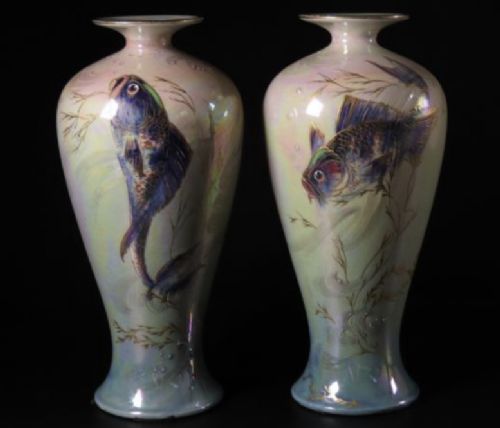
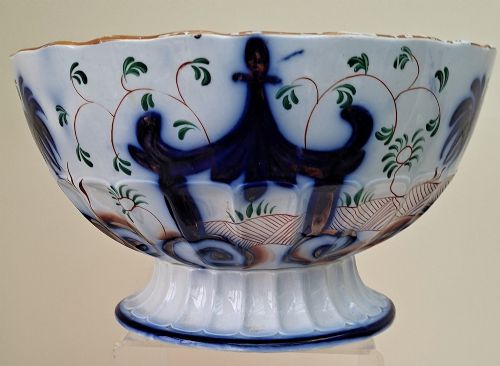
Lustre glaze ceramics encompass vessels and figures finished with a metallic sheen that catches the light. When you search for lustre glaze ceramics, you find pieces ranging from early Persian bowls to Victorian jugs and Art Deco vases.
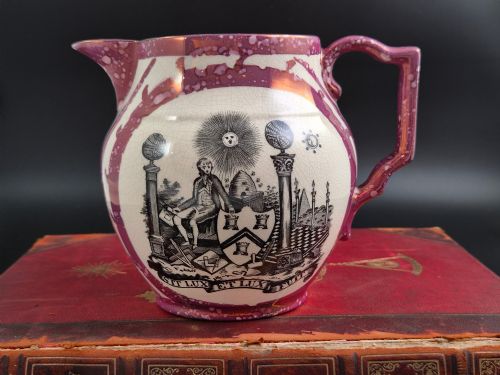
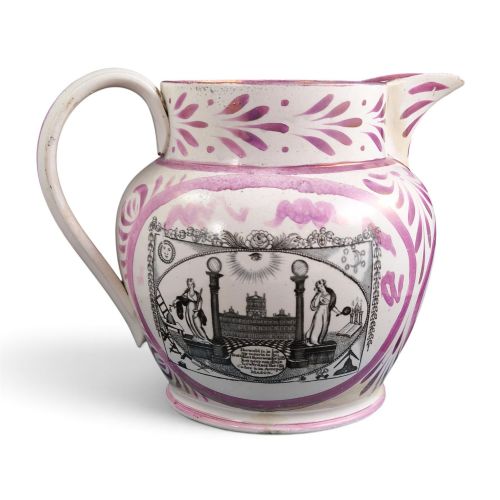
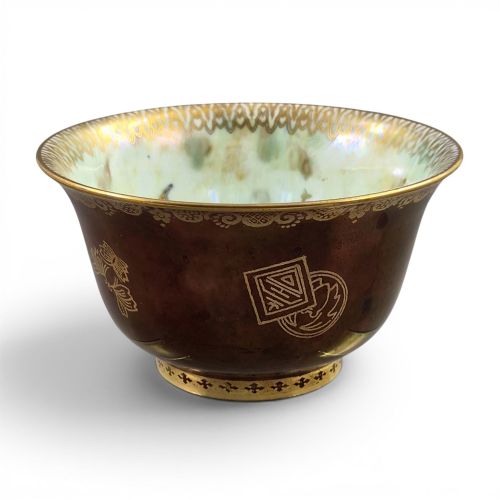
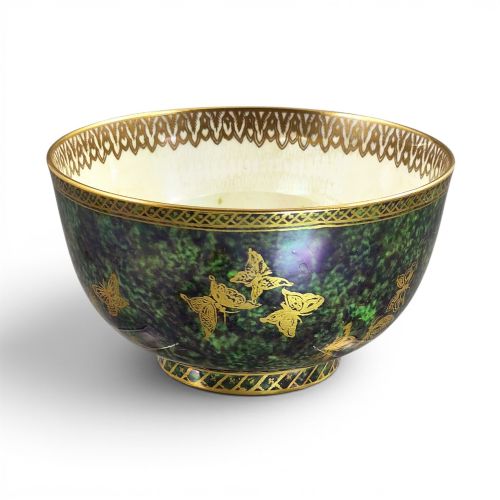
The most common examples on this page are nineteenth-century Sunderland jugs and early twentieth-century Wedgwood bowls. Makers applied metallic oxides to create reflective surfaces on earthenware and porcelain.
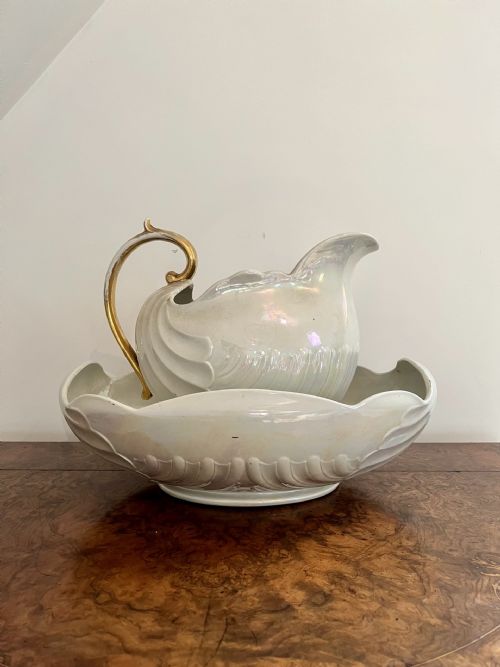
Forms vary from decorative bowls and jardinieres to jugs, pitchers, and mantel figures. Pieces span multiple periods including the Georgian era, the Victorian decades, and the 1920s.
How they were made
Potters applied metallic glazes containing copper, gold leaf, or silver over a fired ceramic body. Subsequent reduced-oxygen firings deposited a thin metallic film onto the surface.
Transfer printing, hand painting, and enamel decoration often accompanied the lustre application. Earthenware and creamware bodies provided the porous base required for these chemical reductions.
Lustre Glaze Ceramics Retail Price Guide 2026
Typical asking prices for lustre glaze ceramics among the pieces listed under this phrase on Sellingantiques today, from the lower quarter to the upper quarter. They describe what is for sale here now, not the wider market.
Glaze chemists accidentally discovered that smoky kiln fires produced wondrous metallic sheens, turning simple pottery into gleaming treasure.
What varies in quality
Quality rests on the depth and evenness of the metallic sheen across the body. Superior examples display brilliant iridescent flashes and crisp transfer prints or detailed hand painting.
The complexity of the design and the prestige of the maker separate standard domestic wares from exceptional collector pieces. Control over the reduction firing determines the richness of the final metallic surface.
Wedgwood·Shelley·Clement Massier·Royal Lancastrian
The Lustre Glaze Ceramics Glossary
- Fairyland lustre
- A complex decorative series produced by a major English pottery during the early twentieth century. It utilises vibrant multicolour glazes and gilt fantasies.
- Copper lustre
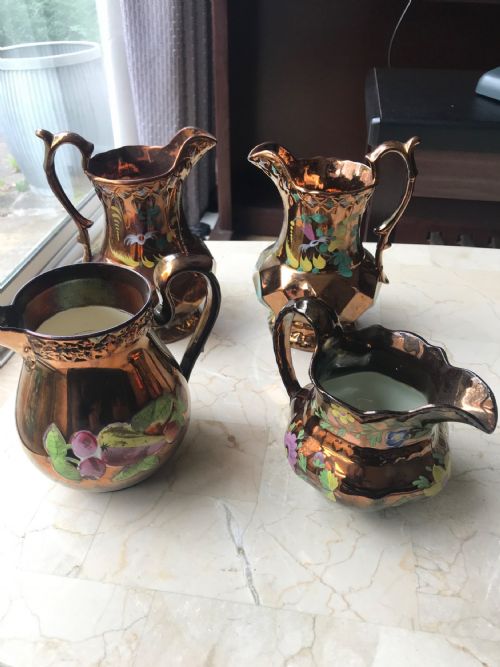
- A ceramic finish utilising copper oxides to achieve a warm metallic bronze appearance. Staffordshire potteries used this technique extensively for jugs and mantle dogs.
- Creamware
- A refined light-coloured earthenware developed in the eighteenth century. It served as a smooth pale canvas for vibrant metallic glazes.
- Faience
- Tin-glazed earthenware produced in various European centres. It provides an opaque white ground for painted decoration under a clear glaze.
Lustre Glaze Ceramics: Frequently Asked Questions
How do I identify copper lustre?
Copper lustre pieces display a warm bronze or pink metallic sheen over earthenware bodies. They frequently appear as nineteenth-century jugs and decorative animal figures.
Examine the base and handle for wear patterns that reveal the underlying creamware or earthenware body. The metallic film should adhere smoothly to the glazed surface beneath.
What is Fairyland lustre?
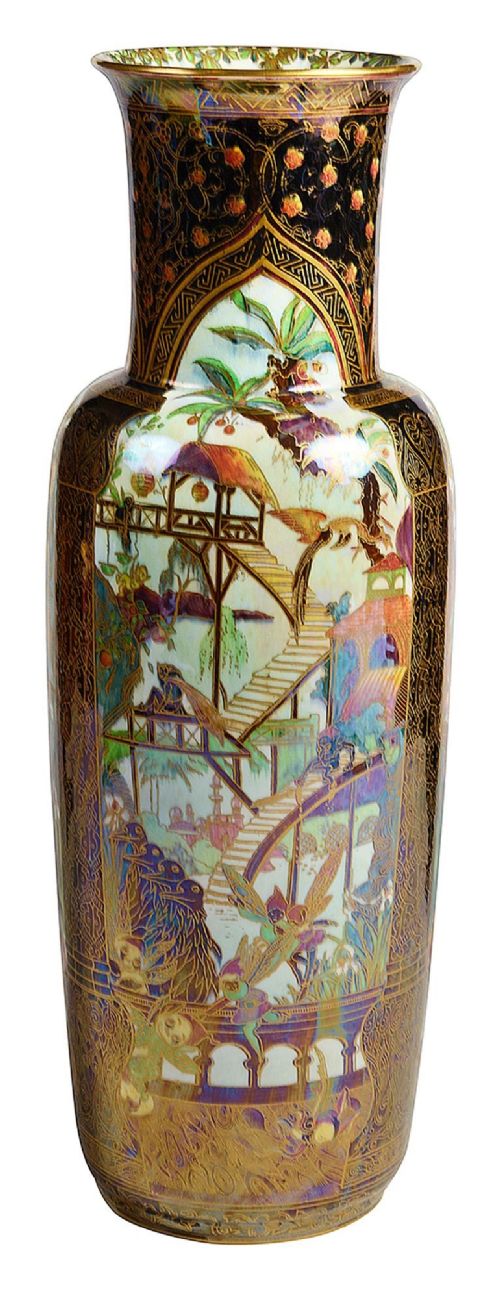
Fairyland lustre is a specialised line of brightly coloured decorative wares featuring fantastical scenes. These pieces were designed by Daisy Makeig-Jones at Wedgwood during the early twentieth century.
Collectors prize them for their intricate hand-painted details and rich iridescent orange, green, and ruby grounds. Each pattern required multiple firings to achieve its layered effect.
How were Sunderland jugs used?
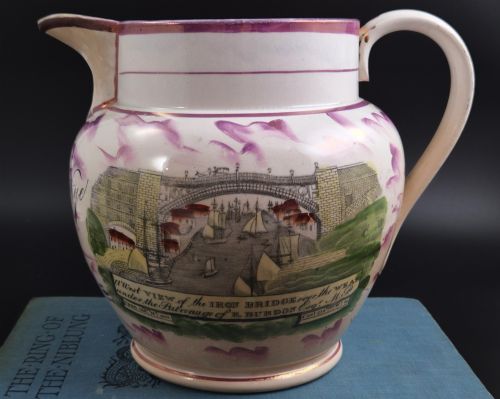
Sunderland jugs served both decorative and commemorative functions in nineteenth-century homes and maritime communities. Their transfer-printed designs often celebrated local landmarks like the Iron Bridge.
Larger triple-print examples were displayed on mantelpieces rather than used for pouring liquids. Their bold pink splash glaze made them striking centrepieces in modest parlours.
Are these ceramics waterproof?
Most lustre glaze ceramics hold liquids safely if they are fully glazed and free from hairline cracks. However, antique earthenware bodies can absorb moisture through unglazed rims over time.
It is safest to use jardinieres and vases with protective liners rather than filling them directly. Gentle hand washing preserves the delicate metallic surface from chemical detergents.