




Luri Tribal Weave
These luri tribal weave pieces are enduring examples of Western Persian textile artistry, prized by collectors for their authentic rustic character and hand-spun materials.
Luri Tribal Weave
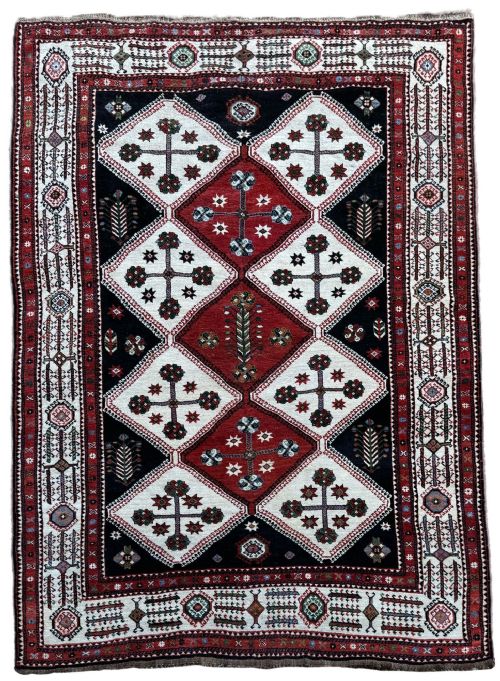
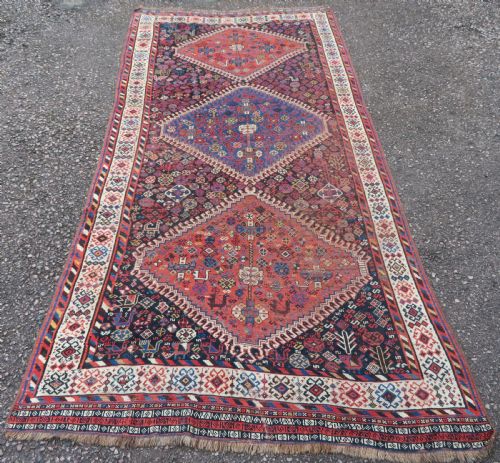
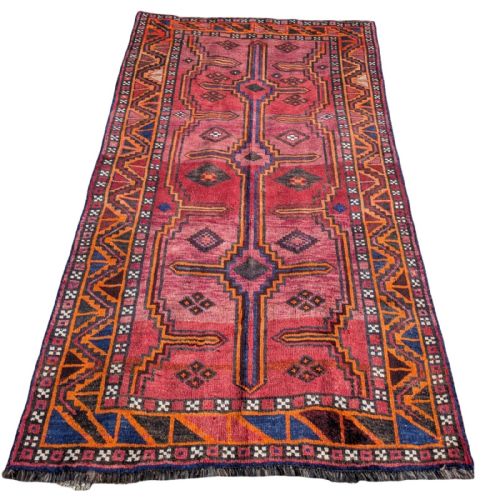
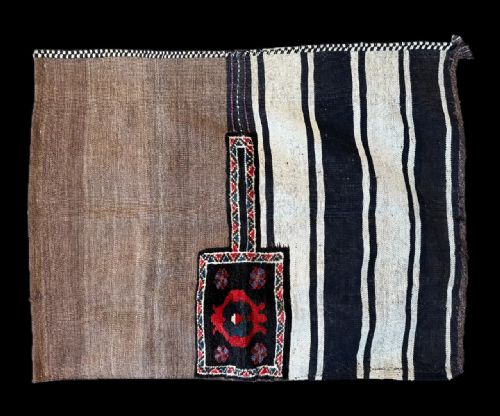
A luri tribal weave encompasses practical utilitarian items and floor coverings created by the Luri and Luri-Bakhtiari tribes of western Persia. When exploring this selection, buyers encounter larger carpets alongside smaller functional forms such as bread sofreh, wheat-sacks, and saddle bags.
The objects span a chronological range from the late nineteenth century into the early decades of the twentieth century. Rugs and kilim rugs predominate, though specialised tribal textiles frequently appear to demonstrate the diverse output of these nomadic and village weavers.
Materials and construction
The foundation of a luri tribal weave relies on hand-spun wool, chosen for its durability and resilience in nomadic daily life. Natural dyes provide the rich palette seen across these rugs and bags.
Weavers utilised traditional village and tribal techniques to produce durable flatweaves and pile carpets. The resulting structures range from heavy carpets to practical double-faced saddle bags designed for transport.
Some surviving wheat-sacks still carry the faint aroma of the Anatolian steppe wind and nomadic campfires.
Assessing quality
Quality in a luri tribal weave rests upon the integrity of the wool and the depth of the natural dyes. Pieces with tight, even knotting and well-preserved structural details stand apart from simpler or heavily worn examples.
The complexity of the tribal design and the clarity of the motifs influence the standing of an individual carpet or bag face. Better-executed pieces maintain a balance between structural strength and artistic expression.
The Luri Tribal Weave Glossary
- Sofreh
- A flatwoven spread or cloth used for eating, kneading dough, or storing bread. These utilitarian textiles often display striking geometric compositions.
- Tacheh
- A traditional wheat-sack or storage bag produced by nomadic and village weavers. They are woven flat and folded to secure grain or provisions.
- Kilim
- A tapestry-woven carpet or textile made without a pile. These pieces rely on the interplay of warp and weft threads to form crisp geometric patterns.
- Saddle Bag
- A paired or single bag utilised for transport on animals during tribal migrations. Surviving bag faces often survive as independent rugs due to their decorative quality.
Luri Tribal Weave: Frequently Asked Questions
How were these bags used?
Nomadic groups utilised these woven receptacles for transporting and storing grain, bread, and personal belongings during seasonal migrations.
Over time, many of these functional containers were separated into individual panels or bag faces to preserve the decorative front sections.
Where were these textiles made?
These pieces originate from western Persia, specifically regions associated with the Luri and Luri-Bakhtiari tribes such as Luristan and the Chahar Mahal.
Local weavers relied on readily available materials from their flocks to produce these distinctive floor coverings and utility items.
How do I date these pieces?
Dating relies on stylistic indicators, structural analysis, and the specific characteristics of the natural dyes employed by the weaver.
Pieces in this category typically date from the late nineteenth century through the early decades of the twentieth century.
Can I use these rugs on the floor?
Many of these sturdy wool carpets and flatweaves are suitable for floor placement in areas with moderate foot traffic.
Placing an appropriate underlay beneath the textile helps protect the historical wool fibres from premature wear.