







Low Wooden Plant Stands
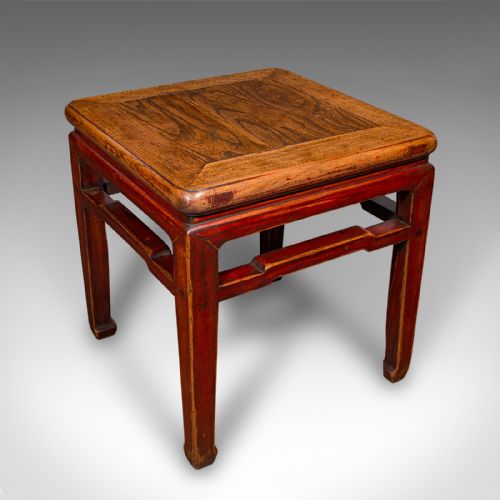
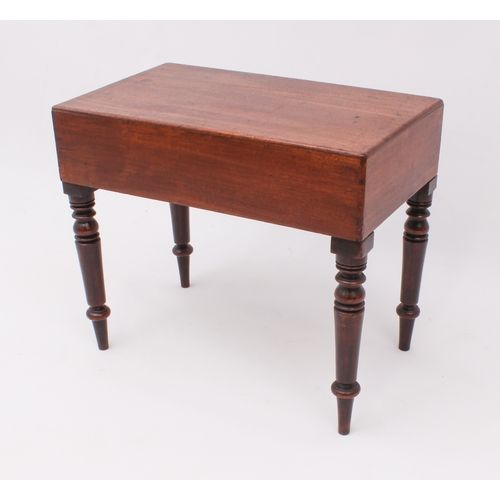
These low wooden plant stands bring earthy character and architectural height to any room, offering versatile surfaces for trailing greenery.
Low Wooden Plant Stands
Low wooden plant stands encompass a varied group of functional furnishings, including small tables, stools, and candle stands designed to elevate foliage. When searching for low wooden plant stands, buyers encounter pieces spanning multiple centuries, from eighteenth-century primitive stools to nineteen-twenties modernist designs.
Assessing quality in low wooden plant stands
Quality rests in the harmony of proportion, the integrity of the timber, and the crispness of any carved or turned detail. Pieces that retain their original surface patination and authentic joinery stand apart from heavily restored or altered examples.
The distinction between standard utility items and finer examples lies in the selection of timber, such as figured yew wood or well-figured oak, and the restraint or skill shown in decorative carving and turning.
Low Wooden Plant Stands Retail Price Guide 2026
Typical asking prices for low wooden plant stands among the pieces listed under this phrase on Sellingantiques today, from the lower quarter to the upper quarter. They describe what is for sale here now, not the wider market.
One tiny miniature table spent its youth proving an apprentice's joinery skills before retiring to a quiet life holding small ferns.
Liberty and Co
The Low Wooden Plant Stands Glossary
- Joint Stool
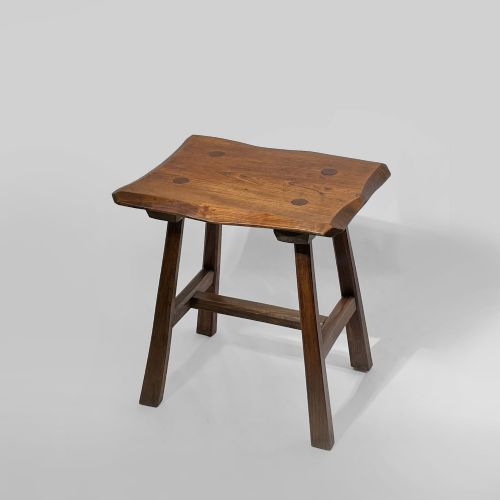
- A sturdy wooden stool constructed with mortise and tenon joints, often featuring pegged stretchers beneath the seat. These form the foundation for many early low wooden plant stands.
- Chabudai
- A traditional short-legged table used in Japan for domestic activities such as taking tea, frequently repurposed in Western interiors as a low display surface.
- Ebonised Wood
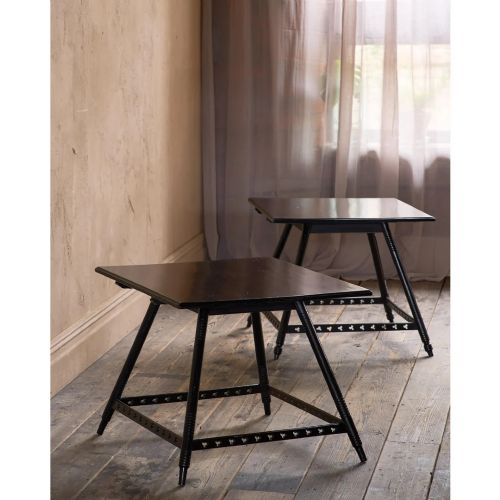
- Timber treated with a chemical stain or pigment to simulate the dense, black appearance of ebony. This finish gained popularity during the nineteenth century for decorative furniture.
- Padouk
- A heavy, durable tropical hardwood prized for its reddish-brown colour and stability. It appears in nineteenth-century decorative tables.
- Apprentice Piece
- A miniature item of furniture created by a craftsman to demonstrate skill and secure trade accreditation. These small pieces often mirror the forms of full-scale tables and stands.
Low Wooden Plant Stands: Frequently Asked Questions
What were low wooden plant stands originally used for?
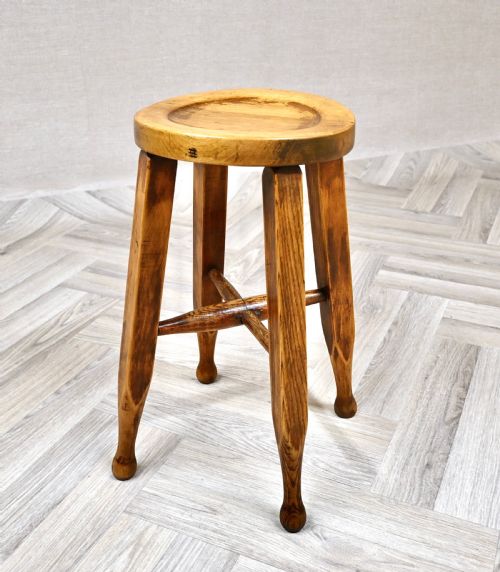
Many items sold as low wooden plant stands began life as milking stools, side tables, candle stands, or kneeling tables. Their compact dimensions made them adaptable for holding domestic utensils, lamps, or tea service equipment before finding new life supporting houseplants.
Over generations, collectors and interior decorators repurposed these sturdy utilitarian objects to introduce varied heights and natural materials into living spaces.
How can I date a low wooden plant stand?
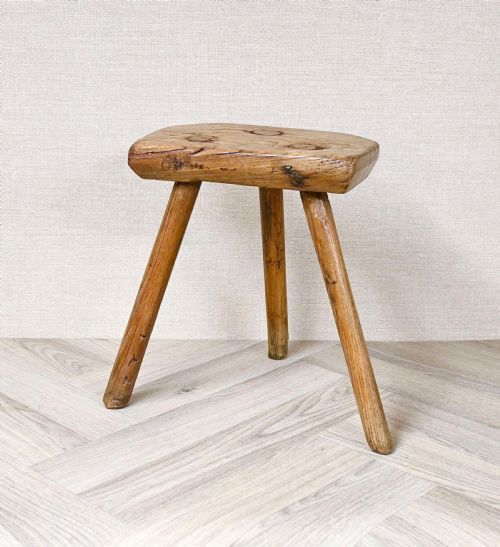
Dating relies on observing tool marks, construction methods, timber choice, and stylistic cues associated with specific periods like the Victorian era or the Arts and Crafts movement. Primitive items often show pit-saw marks or hand-turned legs, while later pieces exhibit machine-assisted joinery.
Comparing the wear patterns and finish to documented examples helps narrow the decade of manufacture.
Are these stands strong enough for heavy pots?
Most low wooden plant stands were built using dense hardwoods such as oak, elm, or padouk with robust joinery designed to bear substantial weight. Joint stools and primitive seating forms offer exceptional structural stability due to their braced legs.
Checking the firmness of the joints ensures the piece safely supports ceramic or stone containers.
How do I care for antique wooden plant stands?
Maintenance involves keeping wooden surfaces away from direct heat sources and sudden humidity changes that cause timber to split. Applying a traditional beeswax polish occasionally helps nourish the grain and preserve the historic surface patination.
Using protective pads underneath plant saucers prevents water rings from damaging the antique finish.