
Low Wood Centre Table
A low wood centre table grounds a room with warmth and proportion, offering a surface that sits easily within traditional and modern spaces alike.
Low Wood Centre Table
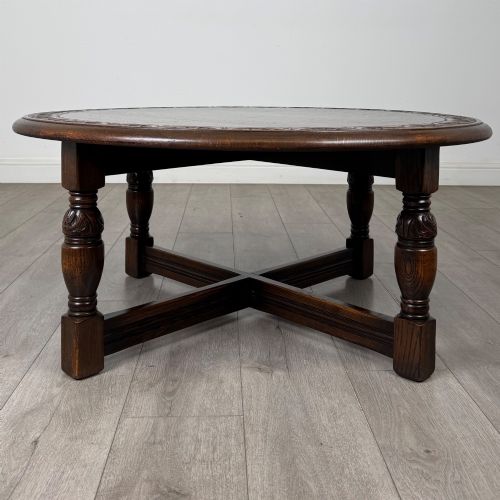
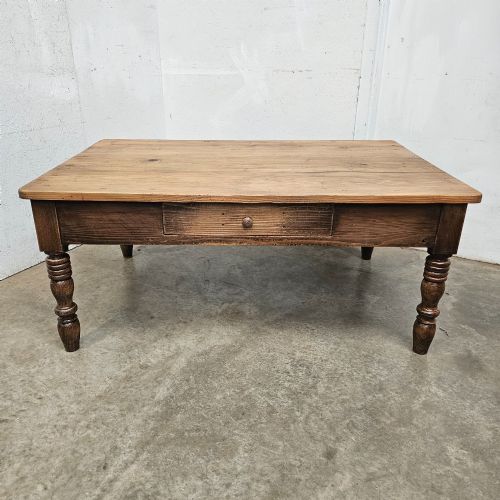
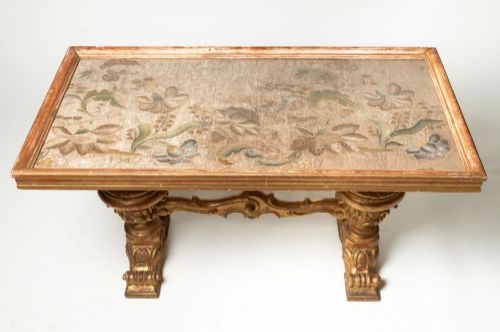
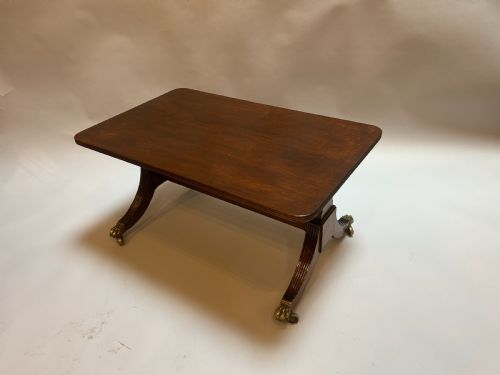
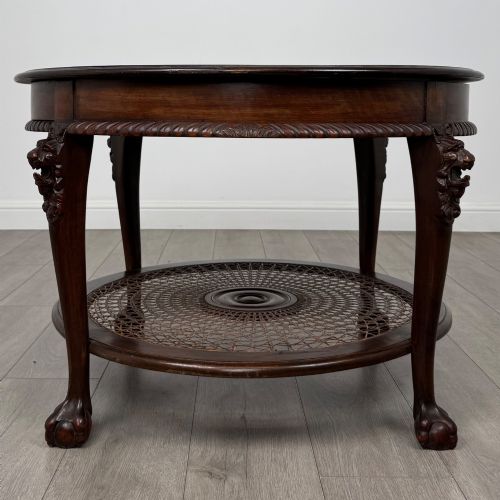
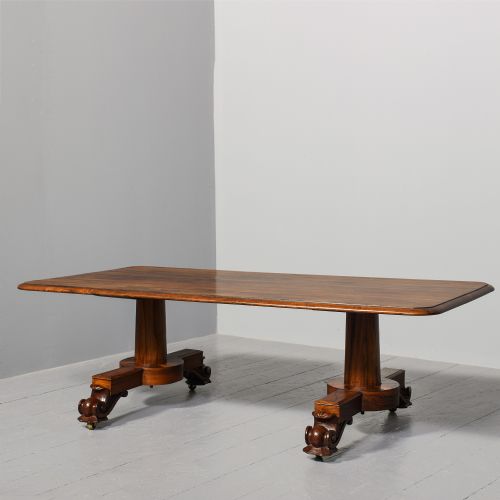
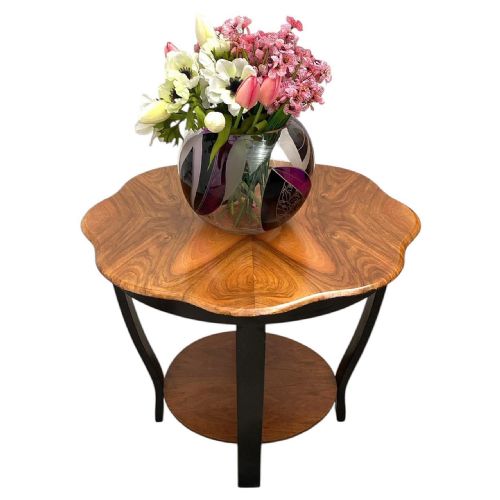
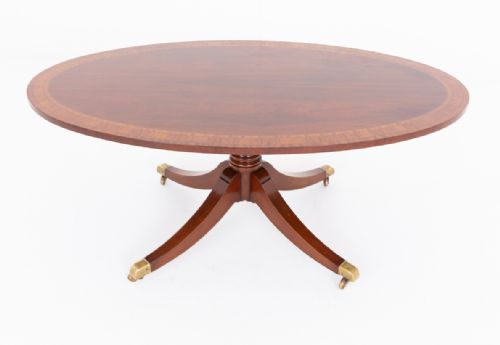
A low wood centre table brings together centuries of cabinet-making traditions, ranging from heavy Victorian timbers to sleeker Art Deco designs. When you search for a low wood centre table, you will encounter diverse forms such as rectangular coffee tables, occasional tables, and round walnut or mahogany pieces adapted for low seating.
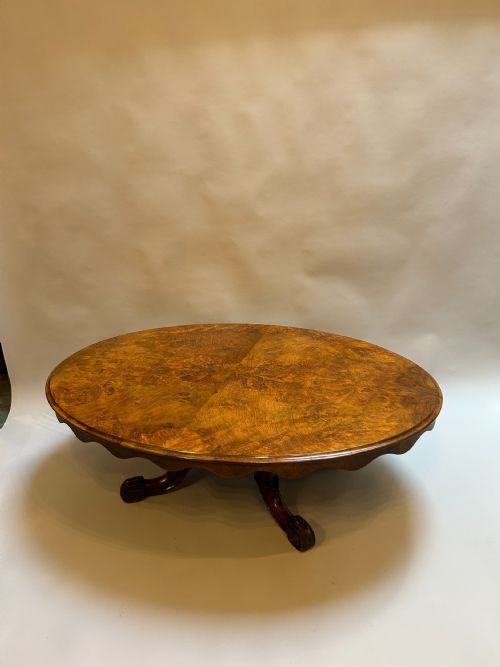
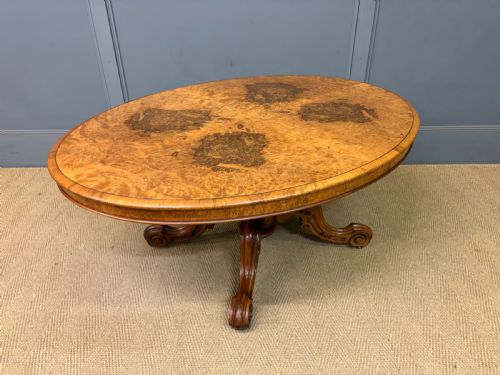
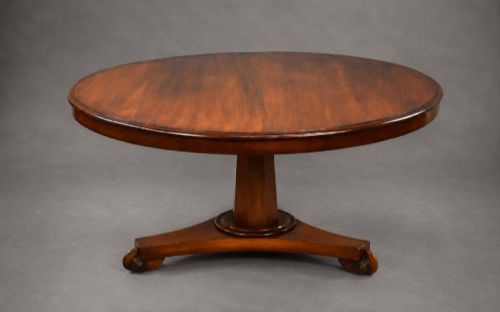
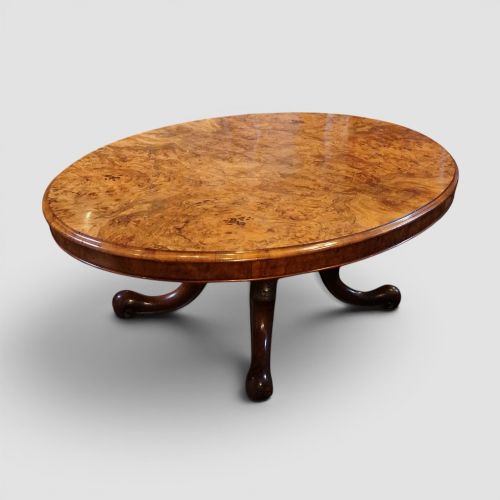
The pieces appearing on this page span the nineteenth and twentieth centuries, taking inspiration from periods like the Regency, Victorian era, and the 1930s. Many examples utilise rich figured veneers like burr walnut or yew alongside solid oak, pine, and rosewood.
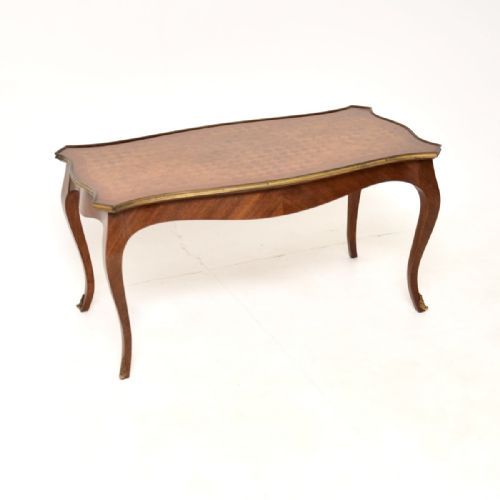
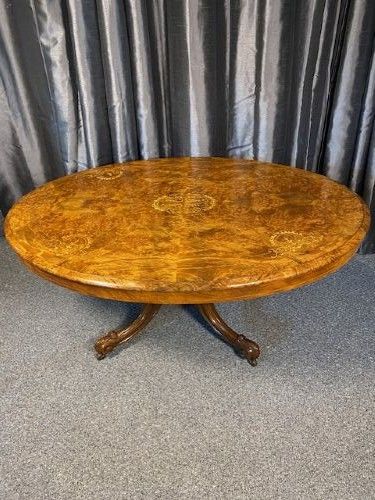
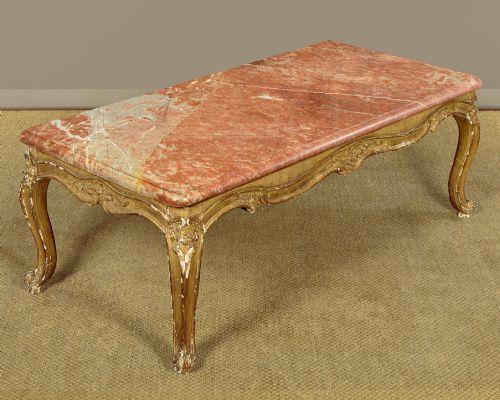
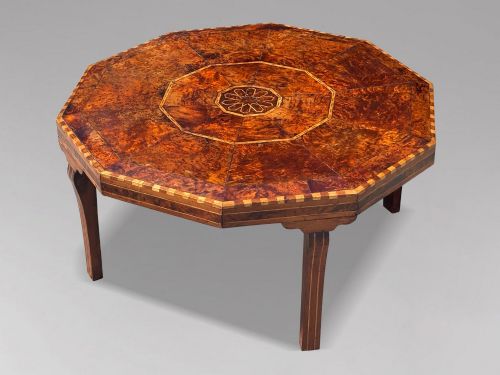
Victorian burr walnut tables dominate the selection, often featuring oval or octagonal tops supported by turned columns or carved pedestals. Alongside these, French and Italian influences bring inlaid parquetry, ormolu mounts, and painted surfaces into the mix.
How they were made
Makers constructed these tables using a foundation of solid timbers such as mahogany, oak, and pine, frequently applying decorative veneers like burr walnut, satinwood, and yew to the top surfaces. Grain selection played a central role, with craftsmen pairing symmetrical burr patterns to create striking visual movement across the timber.
Joinery methods varied according to the period, employing traditional mortise and tenon joints for sturdy frames alongside precise marquetry and parquetry inlays. Brass mounts, ormolu details, and marble inserts appeared regularly on mid-nineteenth to early-twentieth-century examples, secured with hand-cut screws and pins.
Listings span the nineteenth and twentieth centuries, featuring woods like mahogany, walnut, burr walnut, and rosewood alongside marble and giltwood.
What varies in quality
The quality of a low wood centre table rests on the depth of the timber selection and the precision of its construction. Superior examples display tightly figured burr veneers that match seamlessly across the surface, whereas simpler pieces rely on plain, flat planks.
Carved details and decorative inlays distinguish workshop standards; hand-carved walnut foliage and intricate brass or wood parquetry signal skilled cabinet-making. The integrity of the underlying frame, stability of the legs, and smoothness of the finish further separate standard production from exceptional craftsmanship.
Gillows·Harrods
The Low Wood Centre Table Glossary
- Burr walnut
- A veneer taken from the wart-like growths on walnut trees, prized for its swirling, highly figured grain patterns. It appeared frequently on Victorian and early-twentieth-century tables.
- Parquetry
- A geometric mosaic of wood pieces used for decorative floors and table tops. Craftsmen cut contrasting timbers like mahogany and satinwood to form repeating patterns.
- Ormolu
- Gilded bronze ornamentation applied to the mounts, edges, and legs of fine furniture. This technique was particularly popular in French-influenced nineteenth-century designs.
- Oyster veneer
- Slices cut transversely from small branches or roots, creating concentric circular rings resembling oysters. This method gained favour in seventeenth-century revival pieces.
- Giltwood
- Timber carved and coated with a thin layer of gold leaf or gesso. It is commonly found on decorative frames and neoclassical revival tables.
Low Wood Centre Table: Frequently Asked Questions
What is a low wood centre table used for?
These tables provide a stable surface for everyday living, holding books, drinks, and decorative objects while anchoring the seating arrangement in a room.
Historically, many started as larger dining or hall tables before being adapted to lower heights, or were built specifically as occasional and coffee tables during the Victorian and Art Deco periods.
How can I tell a Victorian table from a 1930s piece?
Victorian examples tend to feature heavy solid timbers, rich burr walnut veneers, and elaborate turned or carved pedestals reflecting revival styles. Walnut and mahogany dominate this nineteenth-century output.
Nineteen-thirty pieces often introduce sleeker lines, lighter satinwood, or geometric Art Deco forms. They may also incorporate contrasting materials like marble tops or ormolu mounts with a more streamlined profile.
Where were most of these tables made?
The evidence shows a strong presence of English cabinet-making, particularly workshop production associated with nineteenth-century makers. Regional English pine and oak pieces also feature alongside formal mahogany designs.
Continental workshops contributed significantly to the selection, with French and Italian pieces bringing inlaid parquetry, painted finishes, and marble insertions into the record.
How do I care for a veneered wood surface?
Veneered surfaces require gentle cleaning with a soft, dry cloth to remove dust without harming the thin layer of historic wood. Avoid excessive moisture and direct sunlight to prevent the veneer from lifting or fading.
Regular polishing with appropriate wax preserves the sheen of the timber and feeds the grain, protecting the antique finish from drying out over time.