




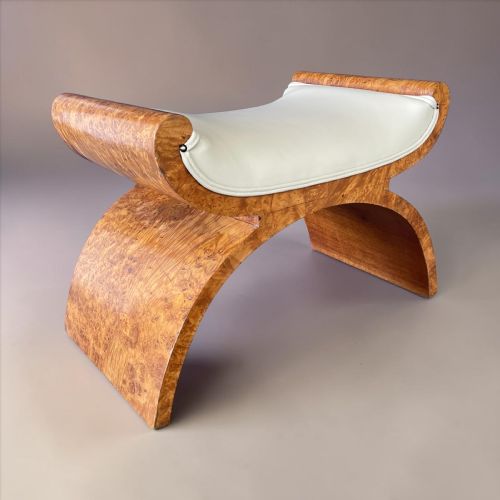
Low Seating Furniture
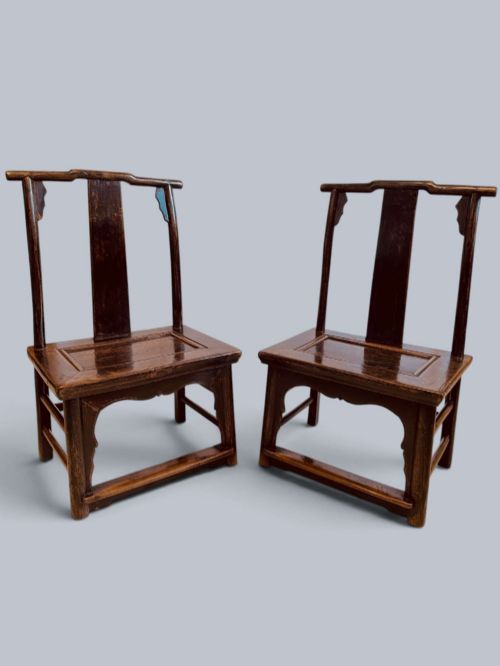
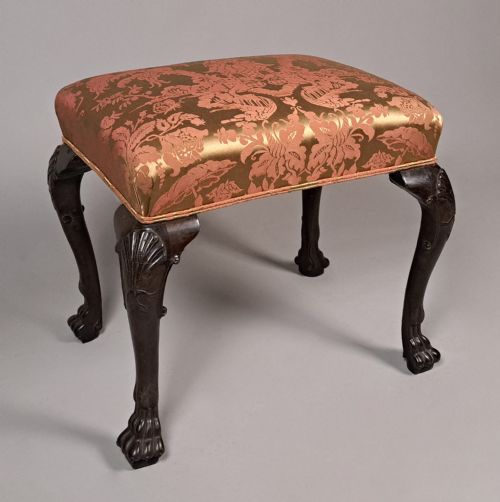
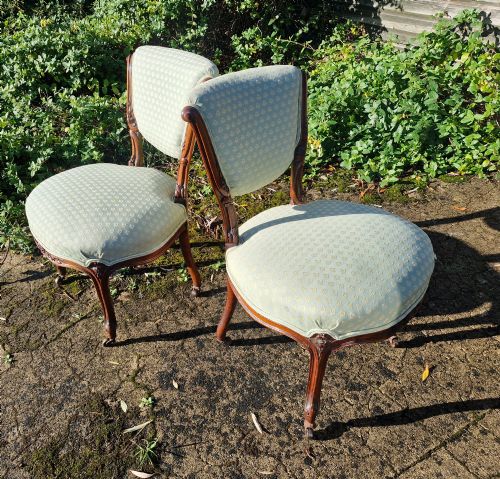
Low seating furniture comprises stools, chairs, and benches designed for lower vantage points, offering both utility and distinct period character.
Low Seating Furniture
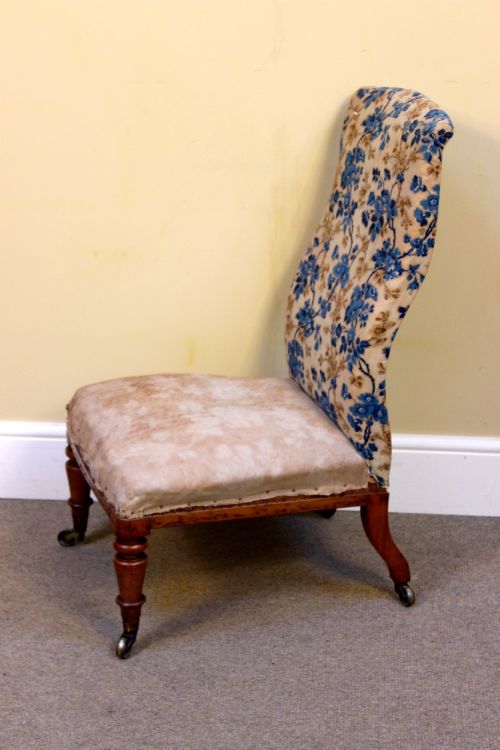
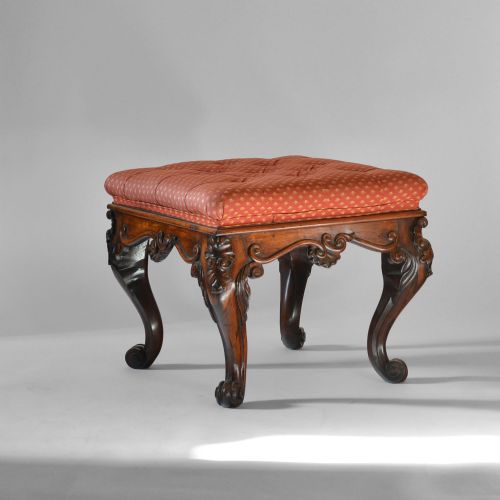
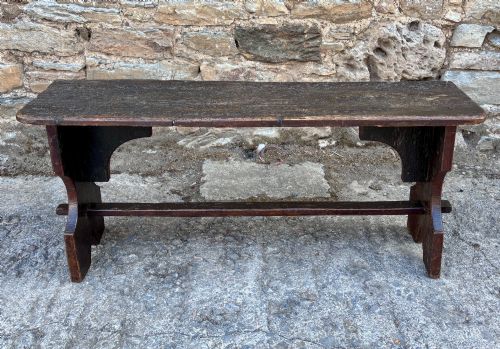
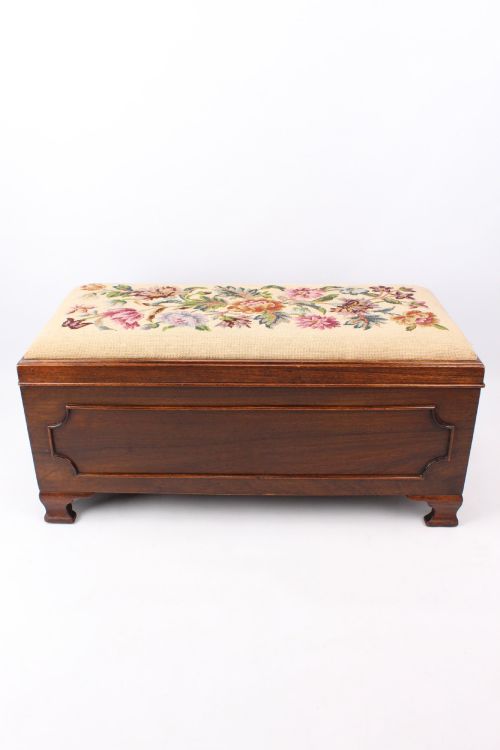
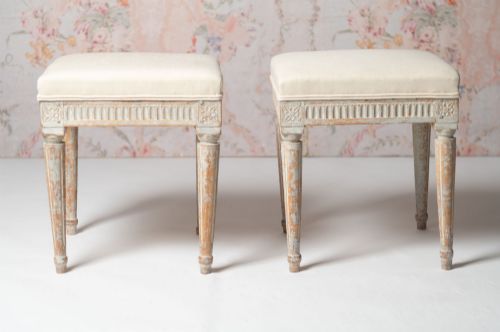
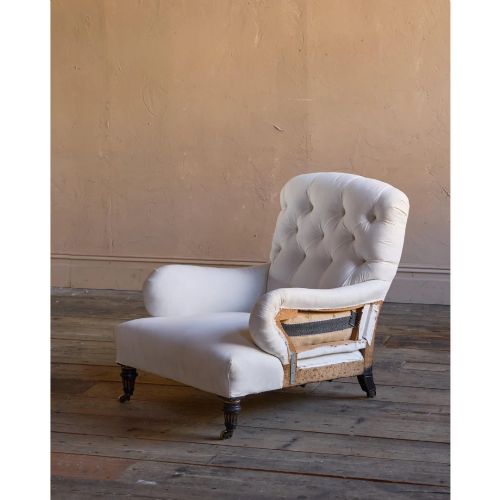
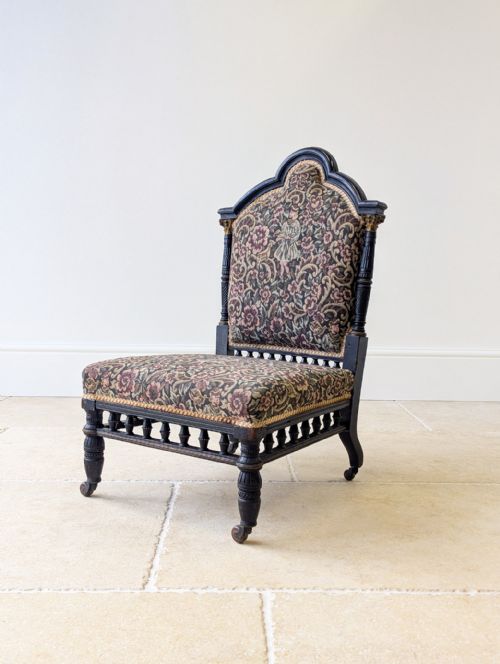
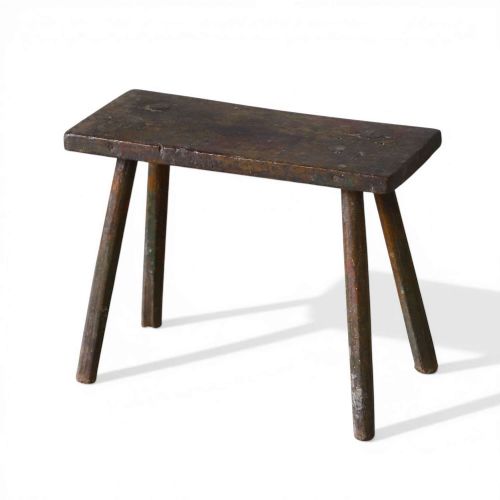
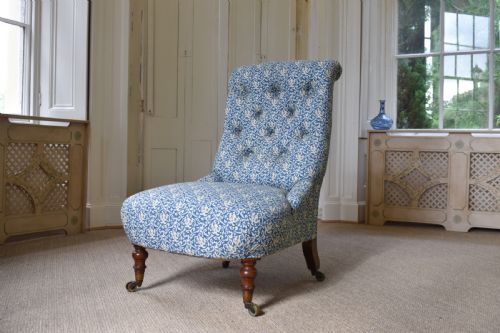
Low seating furniture encompasses a diverse range of forms including stools, armchairs, benches, and specialised seats designed with reduced heights. When exploring low seating furniture, buyers encounter everything from 17th-century oak joint stools to Edwardian gossip chairs and Victorian nursing chairs.
Country houses and town dwellings alike utilised these compact seats for fireside placement or chamber use. The forms span robust oak and elm country examples to refined mahogany, walnut, and rosewood parlour seating.
Materials and Construction
Cabinetmakers and joiners utilised solid timbers such as oak, mahogany, walnut, elm, and ash, often shaping frames with traditional mortise and tenon joinery. Hardwoods provided structural integrity for load-bearing stools and armchairs, while softer woods like pine and sycamore served vernacular and rustic production.
Upholstered variants relied on fabric, needlework, and rush seating supported by webbing and traditional stuffing techniques. Decorative embellishments included ebonised finishes, hand-carved detailing, gilding, and turned elements characteristic of specific regional workshops and design movements.
Low Seating Furniture Retail Price Guide 2026
Typical asking prices for low seating furniture among the pieces listed under this phrase on Sellingantiques today, from the lower quarter to the upper quarter. They describe what is for sale here now, not the wider market.
Listings feature low seating furniture spanning the 17th, 18th, 19th, and early 20th centuries across diverse styles.
Distinctions in Execution
The calibre of low seating furniture rests on the integrity of the timber frame, the crispness of any carved ornamentation, and the preservation of original surfaces. Master craftsmanship shows in the precise assembly of joints and the retention of authentic finishes, from early paint to polished mahogany.
Proportion and decorative cohesion separate standard utility pieces from exceptional examples, particularly within defined stylistic movements like the Aesthetic or Arts and Crafts periods. The presence of documented maker details or distinct regional characteristics elevates the historical interest of an individual piece.
Liberty Morris & Co·Harry and Lou Epstein·Howard and Sons·Hindley and Sons·R Whytock of Edinburgh·Gillows·Wheelers of Arncroach·J Shoolbred
The Low Seating Furniture Glossary
- Joint Stool
- A sturdy wooden stool constructed with mortise and tenon joints, commonly originating in the 17th century for domestic seating.
- Nursing Chair
- A low-seated Victorian chair designed without arms to accommodate bulky garments during infant feeding or personal dressing.
- Gossip Chair
- An Edwardian or early 20th-century seat featuring an asymmetric or compact form intended for relaxed conversation.
- Prie-Dieu
- A devotional chair equipped with a low seat and an upper rest designed for private prayer.
- Rush Seat
- A woven seating surface made from dried marsh rushes, frequently utilised in traditional ladder-back and country chairs.
Low Seating Furniture: Frequently Asked Questions
What is low seating furniture?
Low seating furniture includes historical stools, armchairs, benches, and window seats built closer to the ground than standard chairs.
These compact items served various domestic functions across centuries, from fireside seating to bedroom and dressing room use.
How were nursing chairs used?
Nursing chairs were constructed with low seats and lacking restrictive arms to assist women with infant care and dressing during the Victorian era.
Their reduced height allowed for comfortable proximity to hearths and cradles.
What is a gossip chair?
A gossip chair is an early 20th-century seat designed for relaxed household conversation, often featuring an unconventional configuration.
Examples from makers like Wheeler of Arncroach demonstrate the distinct vernacular interpretations of this form.
How do I identify a joint stool?
A joint stool is an early wooden seat assembled with pegged mortise and tenon joinery rather than turned legs alone.
Originating primarily in the 17th century, these robust pieces functioned as portable seating and small household tables.