




Low Rustic Bench Table
A low rustic bench table brings centuries of practical utility and honest craft straight into your living room.
Low Rustic Bench Table
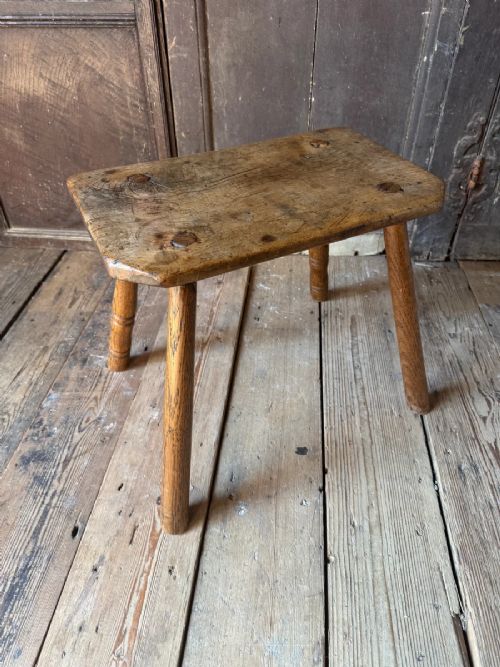
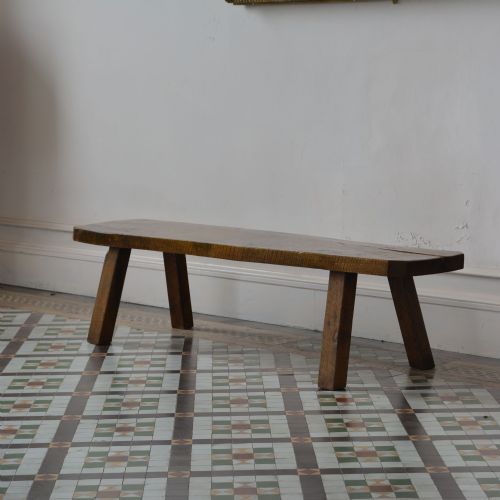
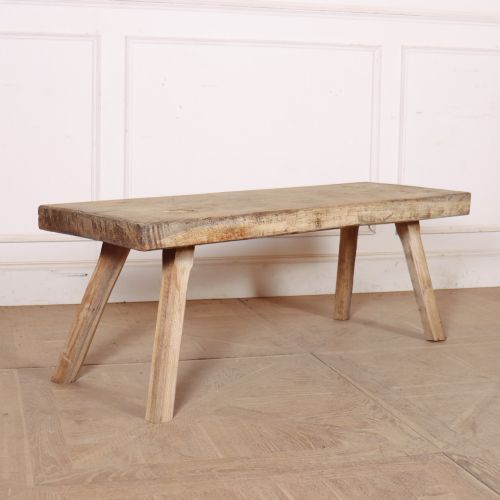
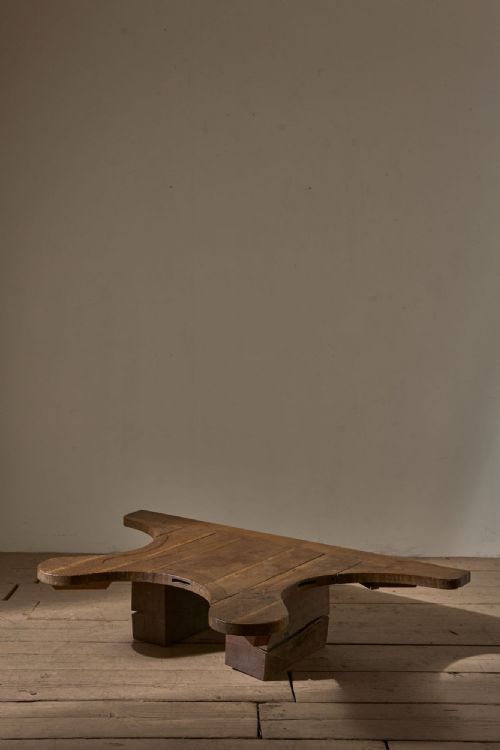
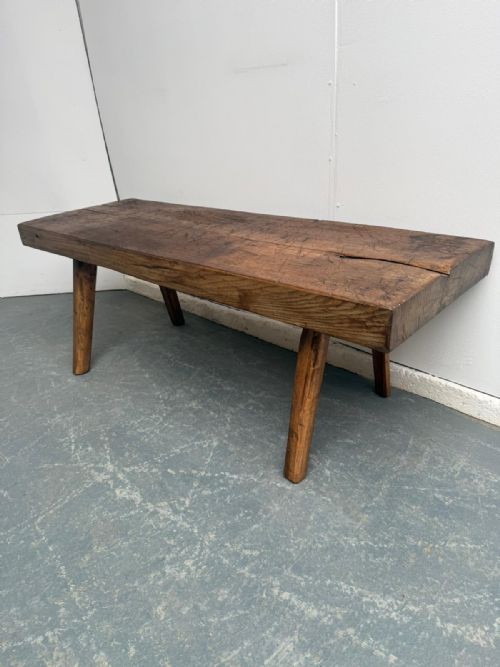
A low rustic bench table originates from utilitarian workshop and agricultural settings, repurposed today as coffee tables and low occasional surfaces. These pieces frequently draw from forms like pig benches, cheesepresses, jewellers benches, and cobblers benches.
The inventory on this page spans from the eighteenth century through the Edwardian period and early twentieth century. Geographical origins range widely across English, French, Hungarian, Indian, and Chinese workshops.
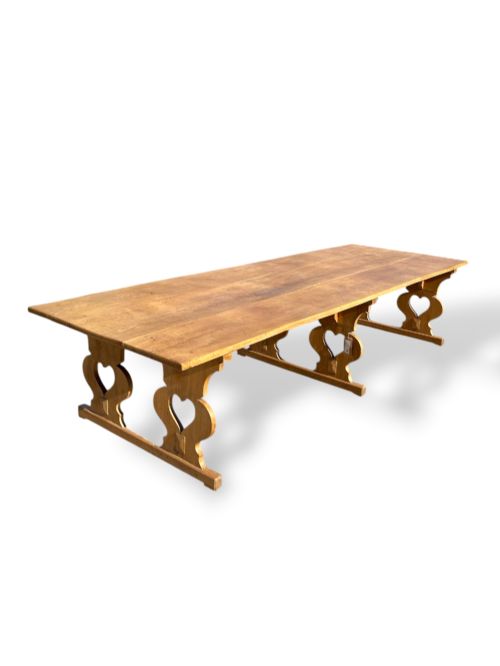
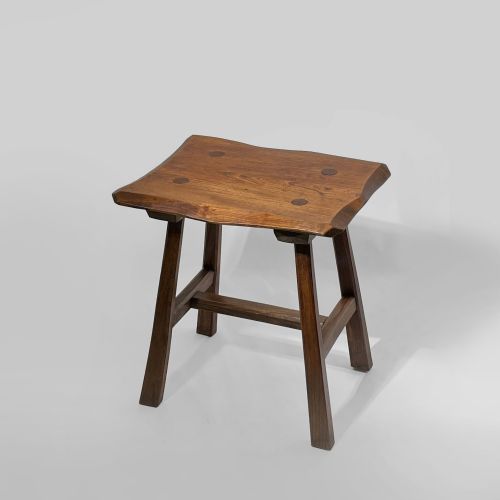
Forms include trestle tables, plank-top tables, daybeds, stools, and low occasional tables. Elm, oak, pine, sycamore, and hardwood dominate the physical presence of these items.
How they were made
Makers utilised solid timbers such as oak, elm, sycamore, and pine, often combining multiple woods within a single piece. Structural elements frequently employ ash or hardwood alongside wrought iron hardware.
Construction methods rely on robust joinery suited to heavy daily use in agricultural and craft environments. Surfaces show the marks of hand tools, scrubbed finishes, and plain timber planks.
Listings feature items built from oak, elm, sycamore, pine, ash, and hardwood, alongside wrought iron elements.
What varies in quality
Quality rests upon the integrity of the original timber and the honesty of the wear. Pieces retain their structural soundness while displaying deep patination built up through decades of practical service.
Proportions and timber selection distinguish individual examples, from small elm stools to large Hungarian oak pig benches. The balance between raw utility and refined primitive form dictates the character of each piece.
The Low Rustic Bench Table Glossary
- Pig bench
- A low wooden bench historically utilised in agricultural butchery, now prized as a coffee table. These items feature narrow proportions and sturdy timber legs.
- Trestle table
- A table consisting of two or more support frames connected by a horizontal beam holding a loose or fixed top. This form allows for maximum legroom and simple dismantling.
- Scrubbed finish
- A surface repeatedly washed and scoured with water and brush, leaving the timber pale and clean. This treatment is common on French sycamore and pine furniture.
- Plank-top
- A tabletop constructed from solid boards joined side by side. This method displays the grain and natural imperfections of the timber clearly.
- Vernacular
- Everyday objects built by local artisans using regional materials without reference to high-style academic design. Such pieces reflect strict regional utility and availability.
Low Rustic Bench Table: Frequently Asked Questions
What is a pig bench table?
A pig bench is a narrow, low wooden form originally built for agricultural use in farmhouses and rural workshops. Today, these sturdy items function naturally as coffee tables in living spaces.
Their elongated proportions and low height make them practical for placing in front of sofas. Each piece bears the distinct marks of its working past.
How do I style a low rustic bench table?
Pair these low wooden surfaces with upholstered seating to create a balanced contrast of textures in a room. Their primitive aesthetic suits both traditional country interiors and modern minimalist spaces.
Keep surface decoration simple to let the historic timber grain and tool marks remain the visual focus. Use them to hold books, ceramics, or everyday objects.
Are these tables solid wood?
The listings consist entirely of solid timbers such as oak, elm, pine, sycamore, and ash. Makers constructed these utilitarian pieces to withstand heavy physical labour.
Solid construction means each item can be maintained and waxed over generations. The natural materials age gracefully with regular household use.
How do I date a rustic bench?
Dating relies on observing tool marks, construction joints, timber shrinkage, and the overall wear patterns of the wood. Eighteenth and nineteenth-century pieces show hand-sawn surfaces and pegged joints.
Comparing the form to documented regional furniture types helps narrow down the period of origin. Variations in native hardwoods also point towards specific geographic workshops.