


Low Oak Bench Stool
These low oak bench stool pieces offer sturdy utility, bringing substantial rustic character to an interior through solid timber construction.

Low Oak Bench Stool
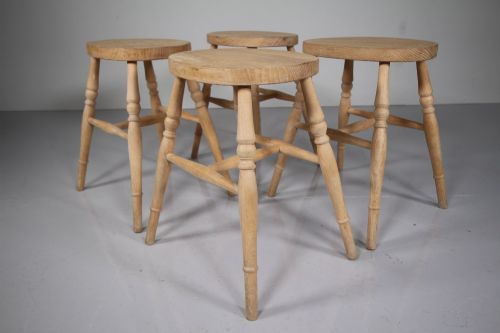
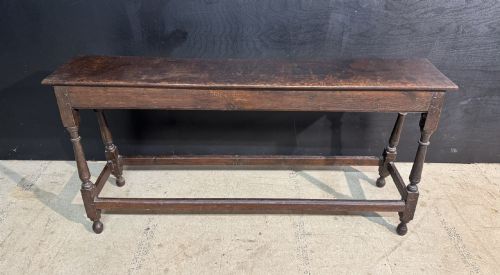
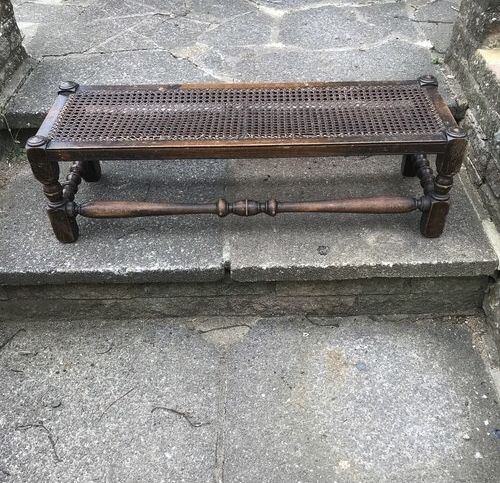
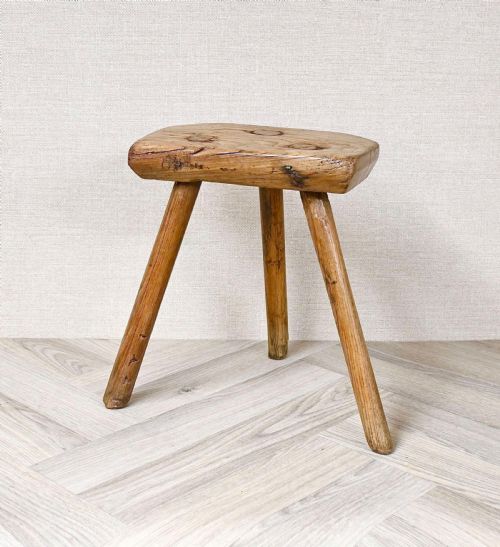
A low oak bench stool search reveals a diverse assortment of seating and utilitarian forms spanning the eighteenth century through to the nineteen thirties. These items range from primitive milking examples and joint stools to long footstools and dining variants.
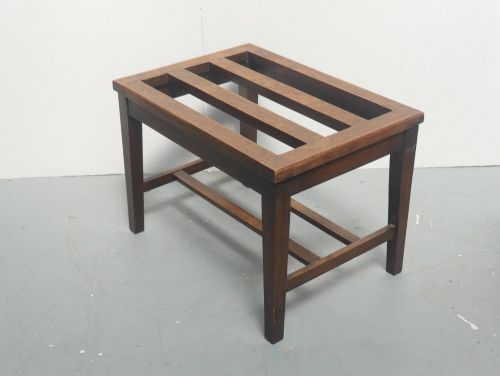
Origins span English, Scottish, and French workshops, encompassing both domestic seating and specialised items like prayer stools and luggage racks.
How they were made
Construction relies heavily on solid oak and timber, often shaped into joint frames or trestle forms using traditional joinery. Artisans shaped supporting elements through turning and carving.
Seating surfaces and secondary details incorporate materials such as cane, woven fabric, leather, and elm. Brass accents occasionally appear as structural or decorative additions.
Listings span from the seventeenth century through to the nineteen thirties, encompassing oak, elm, cane, and fabric materials.
What varies in quality
The standard of execution in carving and joinery dictates distinction among these forms. Hand-carved elements, such as lions heads, display varying degrees of sculptural depth and precision.
The integrity of the timber and secondary materials alters the character of each piece. Intact early cane work and sound structural framing separate robust examples from simpler utilitarian items.
Harry and Lou Epstein
The Low Oak Bench Stool Glossary
- Joint stool
- A sturdy wooden stool built with mortise and tenon joints, commonly associated with early furniture making. These pieces typically feature pegged construction rather than glue.
- Trestle form
- A structural arrangement where a horizontal top board rests on vertical supports or uprights. This design provides stability without bulky perimeter framing.
- Pig bench
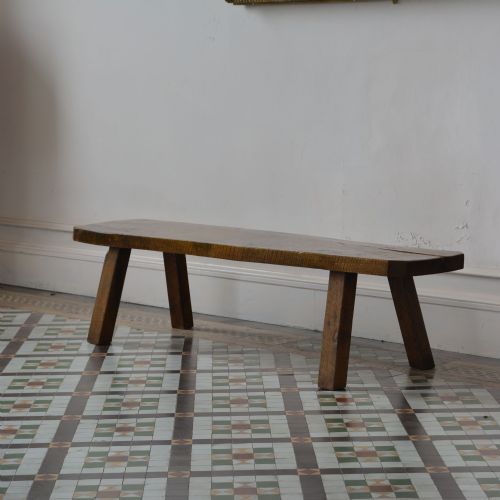
- A low wooden bench traditionally utilised in agricultural settings for butchery or farm tasks. They display simple, utilitarian lines shaped from heavy timber.
- Cane work
- Woven plant material forming breathable seating or backing panels. Skilled weavers create tight patterns across wooden frames.
- Apprentice piece
- A small-scale model created by a trainee to demonstrate mastery of woodworking techniques. These items replicate full-size furniture with careful detail.
Low Oak Bench Stool: Frequently Asked Questions
What is a joint stool?
A joint stool is a solid wooden seat constructed with mortise and tenon joinery, secured by wooden pegs rather than metal nails. These items date back centuries and were used widely in domestic spaces.
Their sturdy frames allow them to function as seats, small side tables, or decorative supports within a traditional interior.
How do I date an oak stool?
Dating relies on examining tool marks, construction methods, and the style of turning or carving present on the timber. Earlier pieces often display hand-adzed surfaces and pegged joints.
Later revival items mimic these historic characteristics but utilise machine-cut elements and standardised hardware consistent with nineteenth and twentieth-century production.
Where should I place a low bench stool?
These low timber forms suit placement at the foot of a bed, beside a fireplace, or functioning as a low coffee table. Their modest height keeps sightlines open in smaller rooms.
They also work effectively in hallways as a stable perch for removing footwear or holding bags.
What distinguishes primitive stools from revival pieces?
Primitive stools were built for specific agricultural or domestic tasks, displaying honest utilitarian wear and simple forms. Their construction prioritizes function over ornamentation.
Revival pieces, produced during periods like the Gothic or Jacobean revivals, deliberately imitate historic aesthetics using contemporary workshop techniques of their time.