



Antique Wooden Pouffe
An antique wooden pouffe brings low seating and footrests into a room, combining timber frames with heritage textiles.
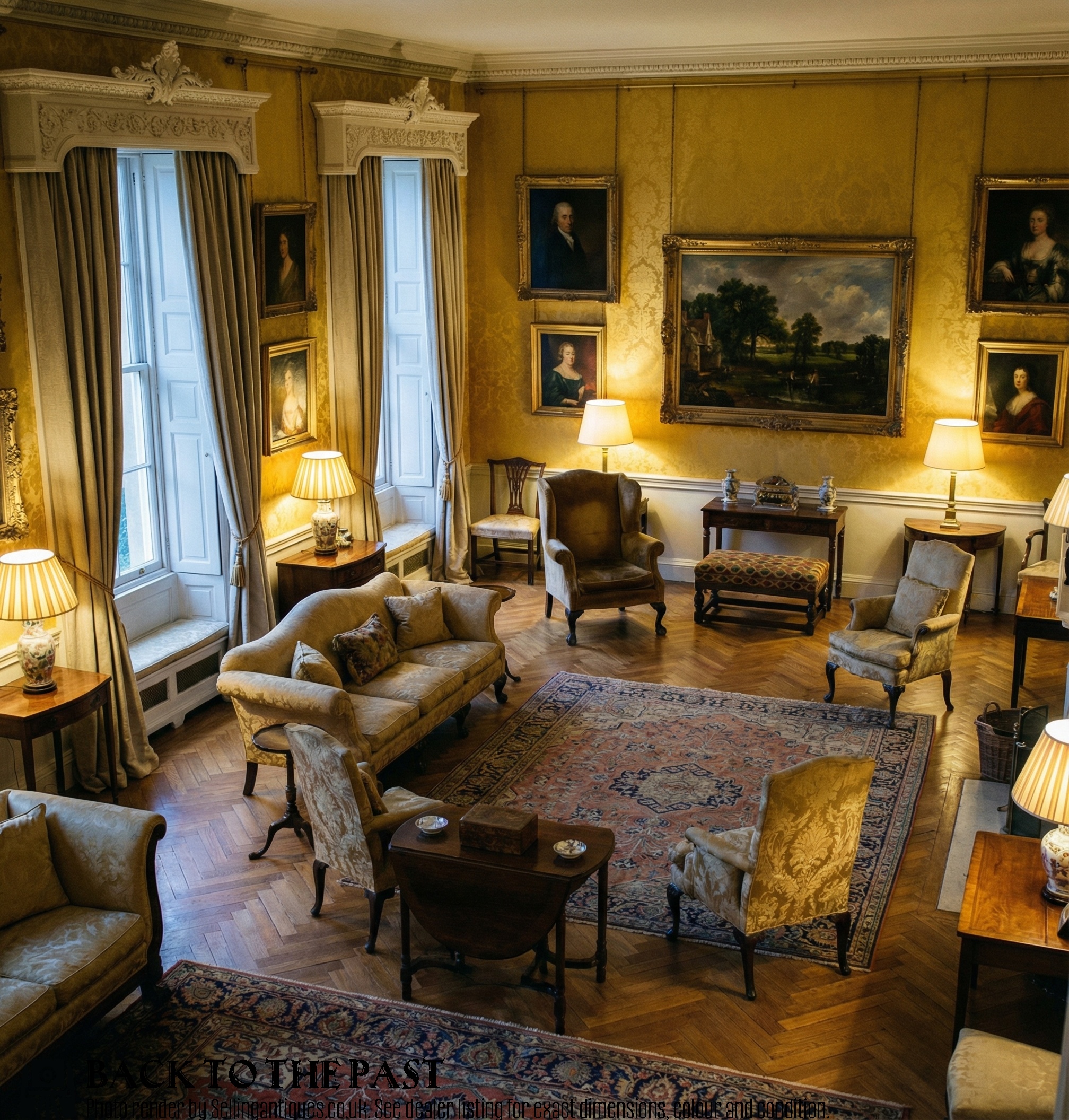
Antique Wooden Pouffe
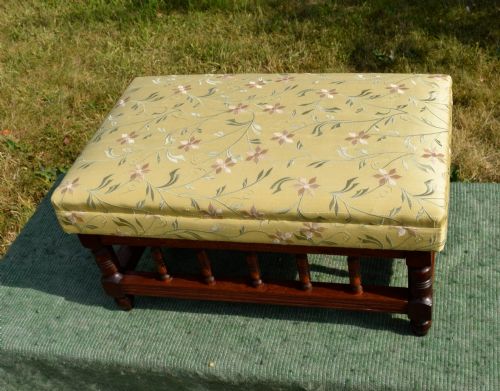
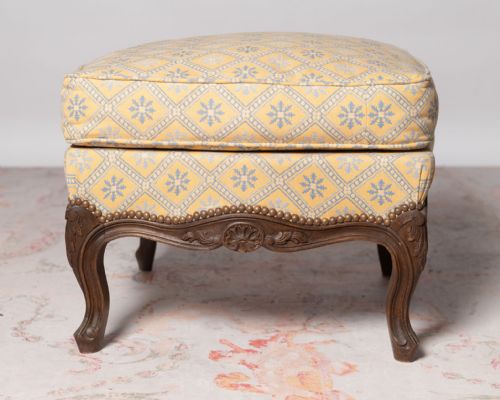
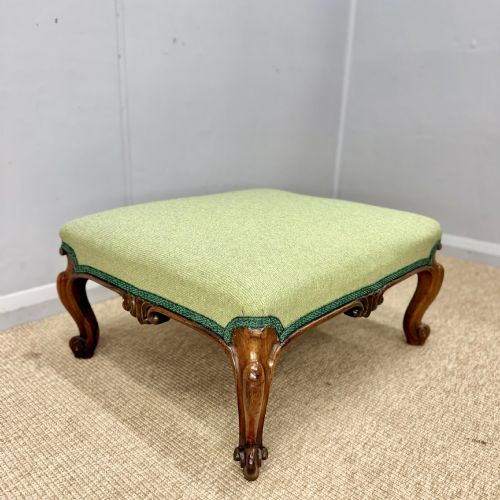
An antique wooden pouffe functions primarily as a footstool, dressing stool, or low centre stool for living spaces and bedrooms. These pieces provide compact, movable seating or a place to rest feet after a long day.
Buyers browsing an antique wooden pouffe encounter formats ranging from early twentieth-century drum-shaped oak stools to Victorian rosewood designs and Georgian footstalls. Common forms include small round footstools with needlepoint or kilim tapestry tops, alongside carved beech and mahogany frames.
Origins span English workshops, French Chateau styles, and Anglo-Indian hardwood creations. The selection reflects a mix of revival aesthetics, from Jacobean and Louis XV styles to Art Deco and Art Nouveau influences.
How they were made
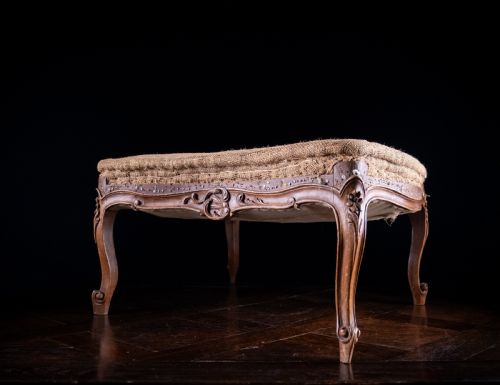
Frames rely on solid timbers such as mahogany, oak, walnut, rosewood, hardwood, and beech, often shaped through detailed carving. Carpenters constructed these structural bases to support daily weight while showcasing the natural grain of the wood.
Upholstery completes the top surface, utilising fabrics, kilim tapestries, and needlepoint work secured over padding. Brass details sometimes accent the woodwork or feet, adding metallic contrast to the timber and textile combination.
One exceptional 1930s oak dressing stool doubles as a drum-shaped storage container, hiding clutter inside while you sit.
What varies in quality
The refinement of the timber carving distinguishes simpler utility stools from finer parlour pieces. Richly figured rosewood or walnut and intricate joinery signal superior craftsmanship.
The choice of top covering impacts the character of the piece, with geometric kilim tapestries and Tunbridge ware inlay offering greater visual depth than plain upholstery fabric.
The Antique Wooden Pouffe Glossary
- Tunbridge ware
- A form of woodwork featuring tiny mosaic tiles made from different coloured woods to create geometric or pictorial scenes. It appears on Victorian tabletop items and small furniture insets.
- Kilim tapestry
- A flat-woven textile produced using a technique that leaves small slits between colour changes. These durable cloths often cover the top surfaces of period footstools.
- Needlepoint
- Embroidery stitched onto an open-weave canvas ground to form dense patterns. It serves as a traditional decorative top layer for nineteenth-century footstools.
- Centre stool
- A larger freestanding stool designed to sit in the middle of a room rather than against a wall. These pieces provide stable seating without a backrest.
Antique Wooden Pouffe: Frequently Asked Questions
Where should I place a wooden pouffe?
These low stools fit comfortably beside armchairs as footrests or near dressing tables as vanity seating.
Their compact scale also allows them to sit beneath console tables or beside fireplaces until needed for extra guests.
How do I care for the timber frame?
Dust the wood regularly with a dry cloth and protect the surface from direct sunlight to prevent fading.
Apply a traditional beeswax polish occasionally to nourish the timber grain and maintain a soft lustre.
Can I reupholster an antique stool?
Many period frames accept new fabric easily, allowing you to match existing interior colour schemes.
Retaining original needlepoint or tapestries preserves historic character, but worn textiles benefit from sensitive reupholstery.
How do I identify a Victorian footstool?
Victorian examples frequently utilise rosewood or walnut, often featuring carved details or inlaid decorative elements.
They commonly pair dark timber frames with traditional needlepoint, kilim tapestries, or button-tufted upholstery fabrics.