

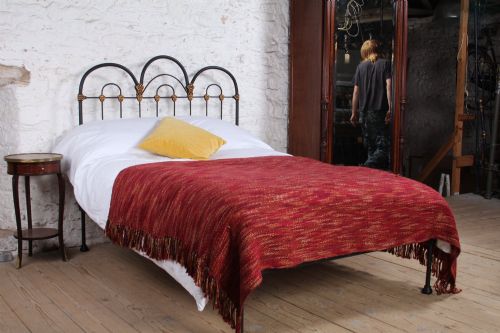


Low End Iron Bed
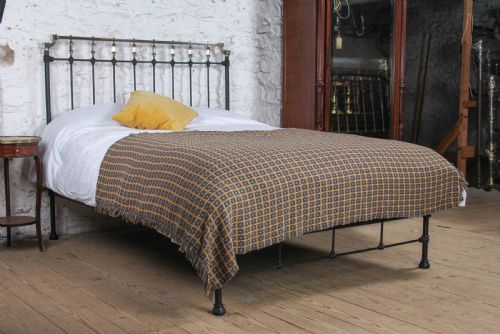
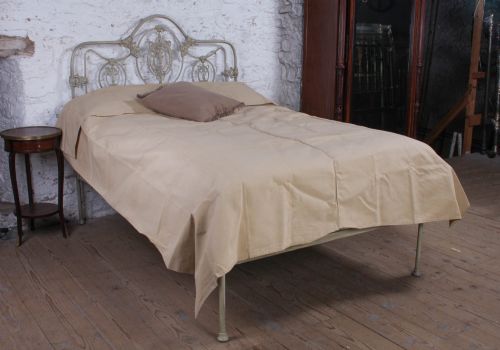
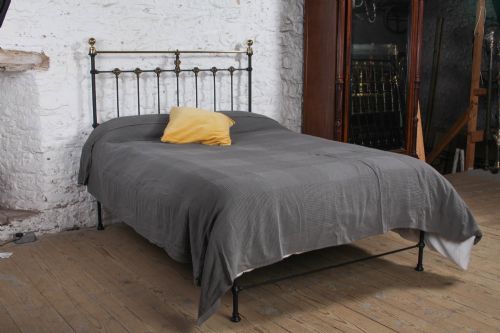
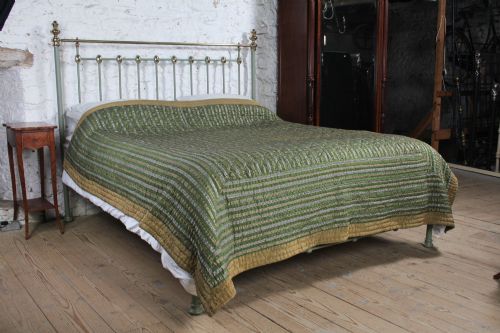
A low end iron bed offers clean lines and sturdy metal framing, providing a practical sleeping frame with period character.
Low End Iron Bed
A low end iron bed represents a sturdy and practical sleeping frame designed without high footboards, creating an open feel in a bedroom. Buyers searching for a low end iron bed typically encounter pieces spanning from the Victorian era into the early twentieth century, incorporating practical forms suitable for modern rooms.
The selections available here showcase various sizes from double up to king and super king dimensions. Many pieces originate from Irish workshops or incorporate Spanish traditional and French country influences alongside classic Victorian designs.
Most examples function as no end beds, meaning the foot rail sits low or is absent entirely. This configuration suits rooms where space or sightlines demand a less obtrusive silhouette at the foot of the mattress.
How they were made
Construction relies heavily on cast iron, wrought iron, and forged iron components, often paired with contrasting brass details, finials, and spindles. These metals provide the structural rigidity necessary for large frames while allowing for decorative shaping.
Surface finishes historically include applied paint, which protects the iron and defines the colour profile of the bedstead. Makers employed classic shaping techniques, ribbon reed motifs, and unique castings to ornament the headboards and rails.
Low End Iron Bed Retail Price Guide 2026
Typical asking prices for low end iron bed among the pieces listed under this phrase on Sellingantiques today, from the lower quarter to the upper quarter. They describe what is for sale here now, not the wider market.
Listings feature iron beds from the Victorian era, 1880, 1890, 1900, and 1910, constructed using cast iron, wrought iron, and brass.
What varies in quality
The distinction between standard examples and finer pieces often rests on the intricacy of the metalwork and the presence of decorative brass elements. Finer specimens display detailed castings, well-turned spindles, and careful shaping along the rails.
Simpler frames rely on straightforward forged iron construction without ornate adornment. The weight and gauge of the iron used in the frame also contribute to the overall substance and durability of the piece.
The Low End Iron Bed Glossary
- Cast iron
- Iron that has been poured into a mould while molten to create decorative components and structural parts. This material allows for intricate relief work on bed heads.
- Wrought iron
- Iron that is beaten or bent into shape while hot, offering high tensile strength and flexibility for structural framing. It appears frequently in traditional bed construction.
- Finial
- A decorative ornament fixed to the top of bed posts or uprights. These brass or iron terminals finish the vertical lines of the headboard.
- Spindle
- A slender turned or forged rod used decoratively within the headboard or frame. Spindles add visual texture and openness to the metalwork.
Low End Iron Bed: Frequently Asked Questions
What is a low end iron bed?
A low end iron bed is a metal sleeping frame featuring either a very low foot rail or no footboard at all. This design opens up sightlines in smaller bedrooms and accommodates longer mattresses.
Most examples date from the Victorian period up to the early twentieth century. They combine iron frames with brass details, spindles, and traditional metal shaping.
How do I style a low end iron bed?
These beds suit both traditional and contemporary interiors because their metal framing provides a neutral yet architectural focal point. Pairing them with crisp linens highlights the clean lines of the headboard.
Consider the finish of the iron and any brass elements when selecting complementary bedroom furniture. The lack of a high footboard also makes the room feel more spacious.
Are these beds standard modern sizes?
Listings include double, king, and super king dimensions suited to contemporary mattress standards. It remains important to check exact interior measurements before purchasing antique frames.
Irish and continental pieces from the Victorian and Edwardian periods can sometimes vary slightly from modern sizing conventions. Careful measurement ensures a proper fit for standard bases.
How do I identify a Victorian iron bed?
Victorian iron beds typically feature robust cast iron frames, often decorated with brass finials, decorative castings, and shaped rails. The materials reflect nineteenth-century industrial metalworking techniques.
Many pieces also exhibit specific regional characteristics, such as classic shaping or ribbon reed details found in Irish workshops. Dating relies on the combination of construction methods, materials, and stylistic motifs.