

Low Backed Chair
A low backed chair brings compact comfort to a room, offering supportive seating in wood and upholstered designs from the nineteenth and early twentieth centuries.
Low Backed Chair
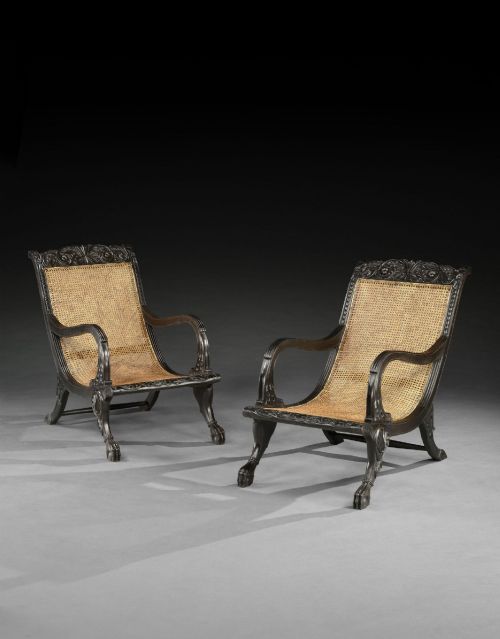
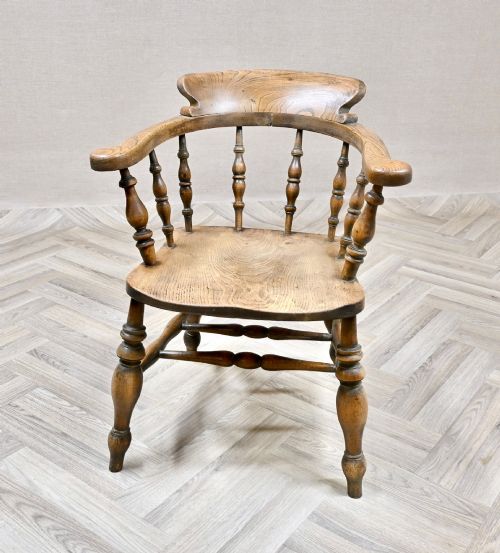
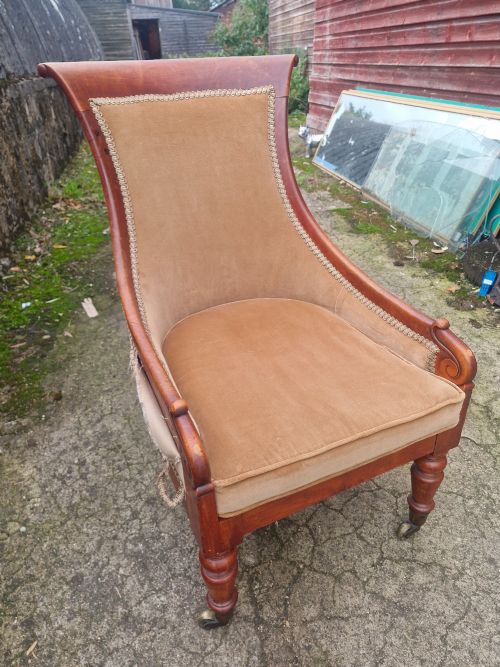
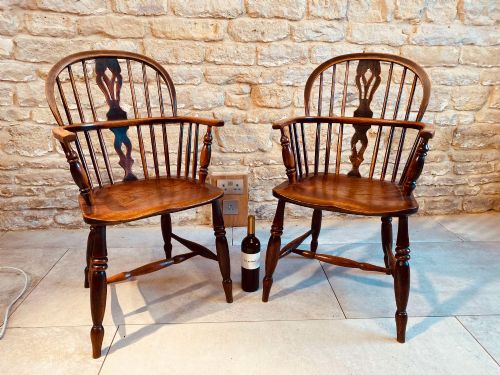
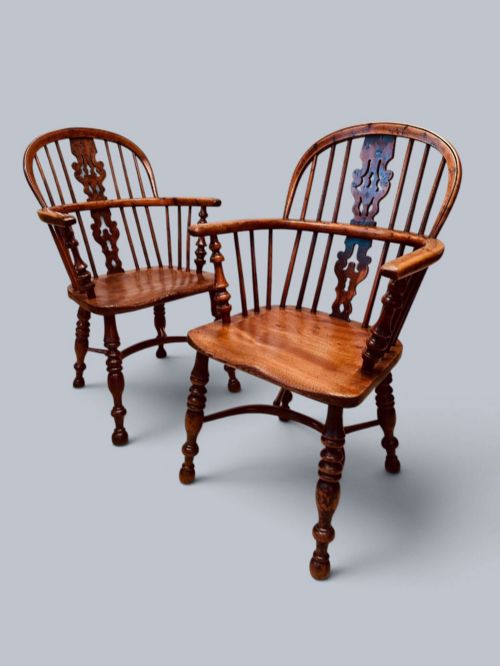
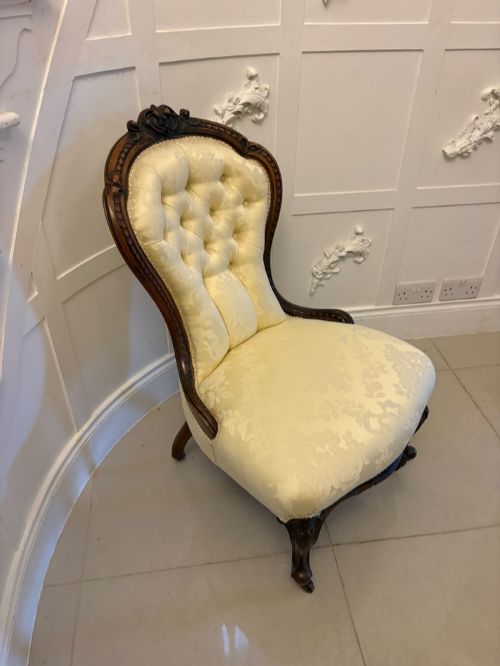
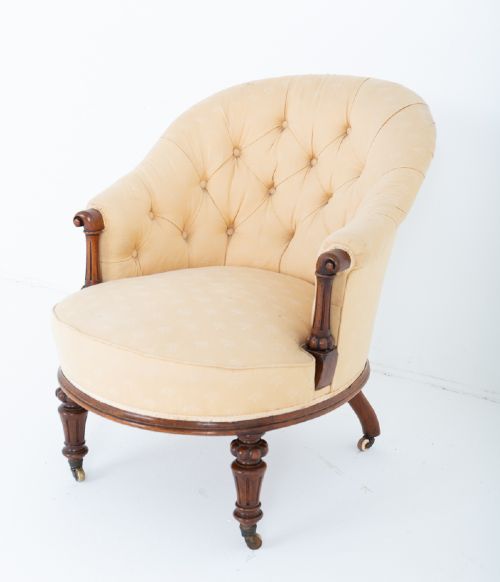
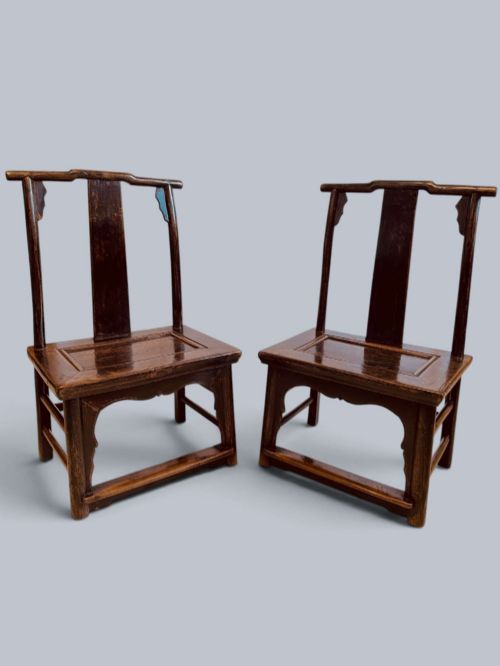
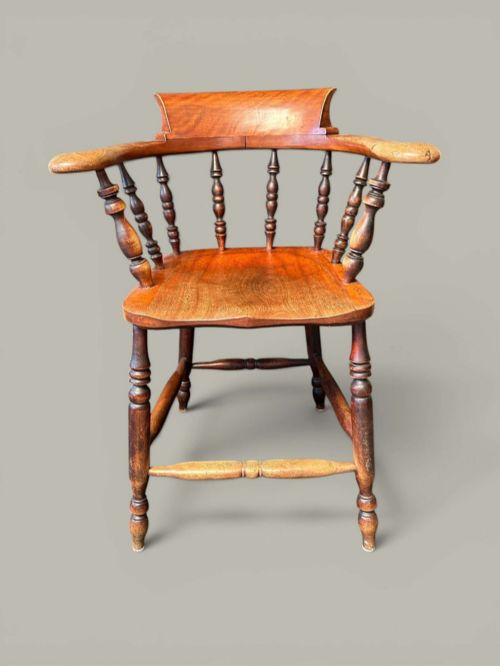
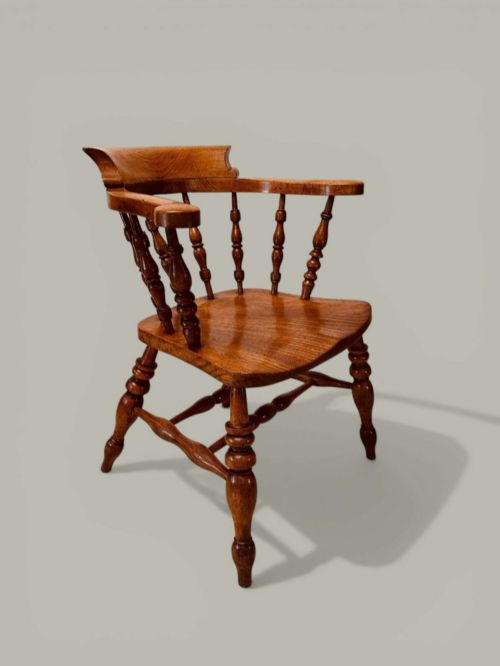
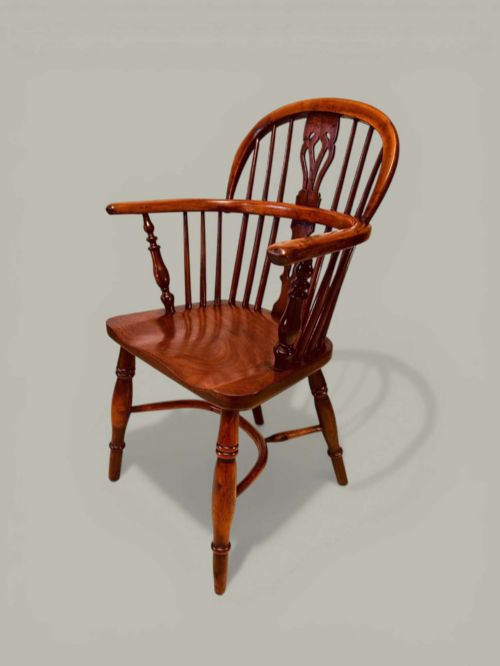
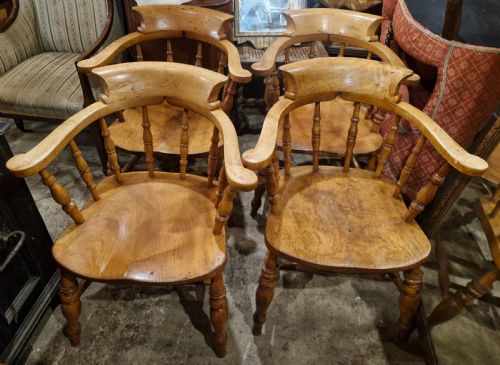
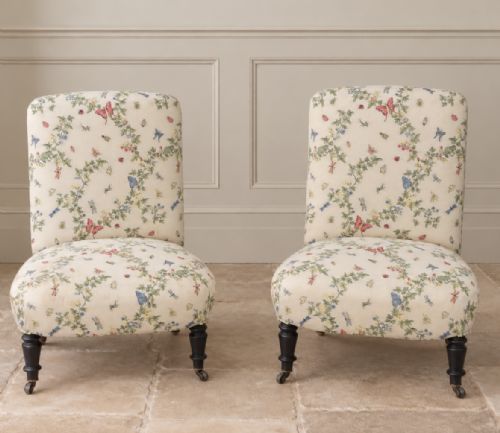
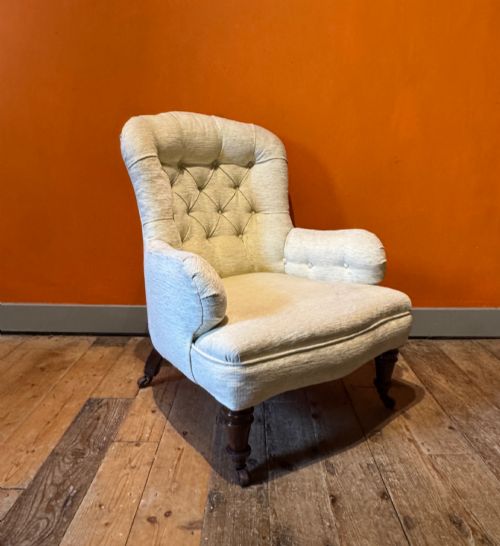
The search for a low backed chair uncovers a diverse array of nineteenth and early twentieth century seating, ranging from sturdy Windsor and smoker's bow armchairs in elm, yew, and oak to fully upholstered nursing chairs and tub chairs. These pieces were designed to sit lower to the ground or feature reduced back heights, making them practical for bedrooms, studies, and smaller reception spaces.
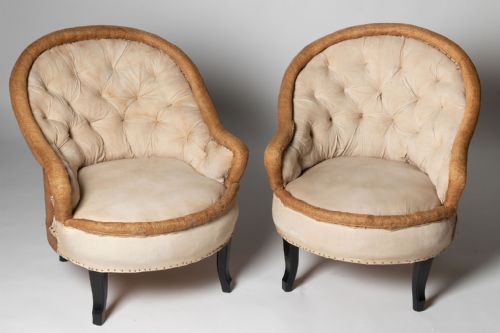
Victorian and Edwardian examples dominate the selection, often rendered in rich timbers like mahogany and walnut alongside painted or polished beech. Alongside traditional wooden frames, buyers encounter French Napoleon III models and deep-seated upholstered armchairs designed for relaxation.
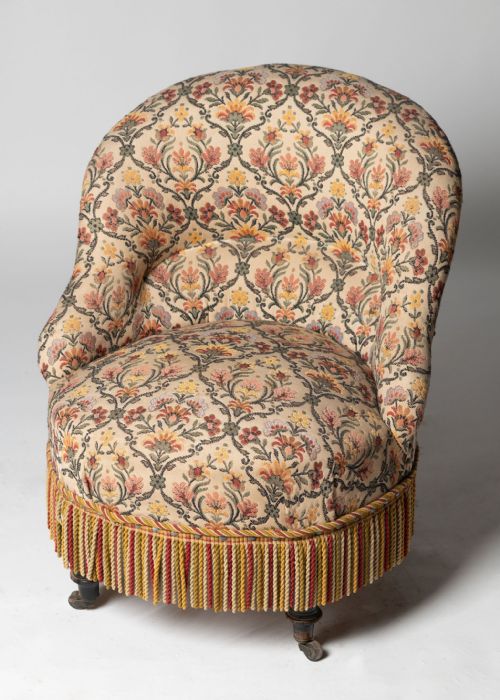
Specialist forms such as music chairs, slipper chairs, and corner chairs appear frequently, reflecting the varied domestic tasks and parlour habits of the nineteenth century. These forms combine compact proportions with distinct regional or stylistic traits, from Scottish country house armchairs to aesthetic movement designs.
Materials and construction
Makers utilised solid hardwoods such as mahogany, walnut, oak, elm, and yew for frames, spindle backs, and turned legs, employing traditional joinery like mortise and tenon. Windsor and smoker's bow variations rely on steam-bent elements and pegged construction to achieve strength in slender components.
Upholstered variants incorporate traditional stuffing techniques supported by webbing, springs, and horsehair, finished in calico, velvet, fabric, or hessian. Brass castors and decorative studding often complete the structural and aesthetic assembly of nineteenth century armchairs.
Low Backed Chair Retail Price Guide 2026
Typical asking prices for low backed chair among the pieces listed under this phrase on Sellingantiques today, from the lower quarter to the upper quarter. They describe what is for sale here now, not the wider market.
Some nineteenth-century music chairs feature ingenious mechanical screw-height adjustments so performers could fine-tune their seating position.
Assessing quality
Quality rests upon the integrity of the timber frame, the crispness of turned details, and the survival of original structural components without excessive timber replacement. Finer examples display thoughtful proportions, such as well-balanced spindle backs or harmonious curves on tub and nursing chair frames.
The standard of upholstery preparation and the fidelity of restored or original coverings significantly influence the character of the piece. Refined joinery, such as tightly fitted joints on Windsor bows and neatly turned mahogany or walnut legs, distinguishes better workshops.
Howard and Sons·Gillows·C Hindley and Sons·Morris and Co
The Low Backed Chair Glossary
- Windsor chair
- A wooden chair constructed with a solid saddle-shaped seat into which the back and legs are dowelled directly. These chairs often feature steam-bent bowed backs and spindles.
- Nursing chair
- A low-seated upholstered chair designed during the Victorian period for feeding infants or sewing comfortably near a bedroom fireplace. They typically lack high arms to accommodate voluminous skirts.
- Tub chair
- An armchair featuring a continuous curved back and arms forming a barrel-like enclosure. This form provides an enclosed, supportive seat often upholstered in fabric or velvet.
- Smoker's bow
- A sturdy wooden armchair with a low, rounded spindle back derived from Windsor chair traditions. It was commonly found in smoking rooms, inns, and studies.
- Napoleon III style
- A nineteenth century French revival style blending Louis XV and XVI motifs with eclectic influences. Pieces from this era often feature ebonised wood, button-backed upholstery, and gilt highlights.
Low Backed Chair: Frequently Asked Questions
What is a low backed chair used for?
These chairs served various domestic functions depending on their specific form, from bedroom seating and nursing to fireside reading and musical performances. Their reduced height allowed them to fit easily beneath windows or in smaller chambers.
Today, they function well as accent seating in living rooms, bedrooms, or reading corners, adding period character without dominating the floor space.
How do I date a Victorian chair?
Dating relies on examining the timber species, construction methods, and stylistic cues recorded in nineteenth century design books and manufacturing patterns. Mahogany and walnut were favoured in different decades, while leg styles shifted from turned supports to cabriole or aesthetic movement shapes.
Makers' stamps, trade labels, or castors can also provide precise chronological markers for pieces originating from established workshops.
Are these chairs comfortable for daily use?
Upholstered variants featuring sprung seats and button-backed padding offer deep, supportive seating designed for relaxation. Wooden Windsor and smoker's bow chairs provide firm ergonomic support shaped by traditional saddle seats.
Many antique examples retain modern usability, though older upholstery may benefit from professional restoration to ensure optimal support.
How do I care for antique wood and upholstery?
Wooden frames require occasional waxing with a quality beeswax to nourish the timber and maintain a natural polish. Avoid placing them in direct sunlight or near heat sources to prevent the wood from drying out.
Upholstered surfaces should be gently vacuumed with a soft brush attachment and protected from moisture. Professional cleaning is recommended for delicate fabrics like velvet or calico.