




Loving Cup Pottery
These loving cup pottery pieces are two-handled and three-handled drinking vessels carrying centuries of communal toast-raising and royal pageantry into your home.
Loving Cup Pottery
When you search for loving cup pottery, you encounter multi-handled vessels designed to be passed between drinkers at celebrations and commemorations. The listings here range from Georgian ale tankards to Victorian and Edwardian commemorative pieces.
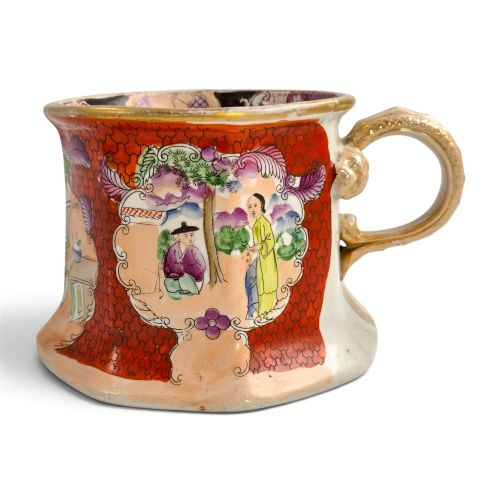
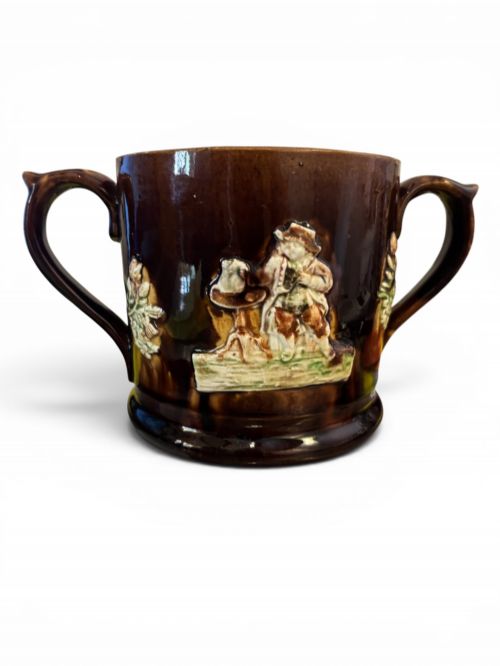
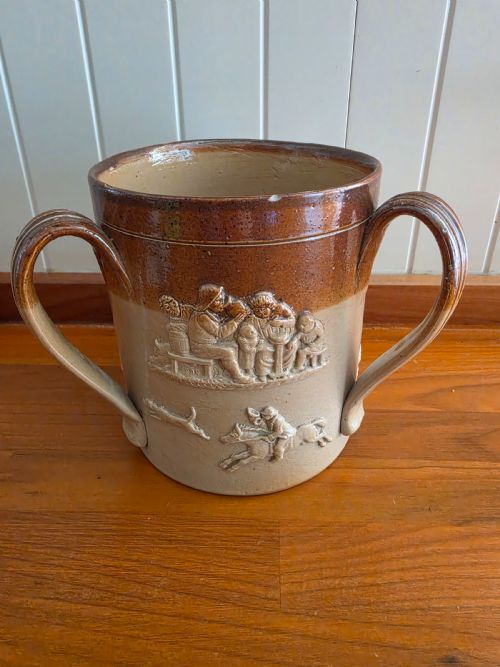
You meet several distinct forms on this page, including traditional tygs with three handles, two-handled mugs, and novelty pieces featuring interior frogs and newts. These objects span the eighteenth, nineteenth, and early twentieth centuries.
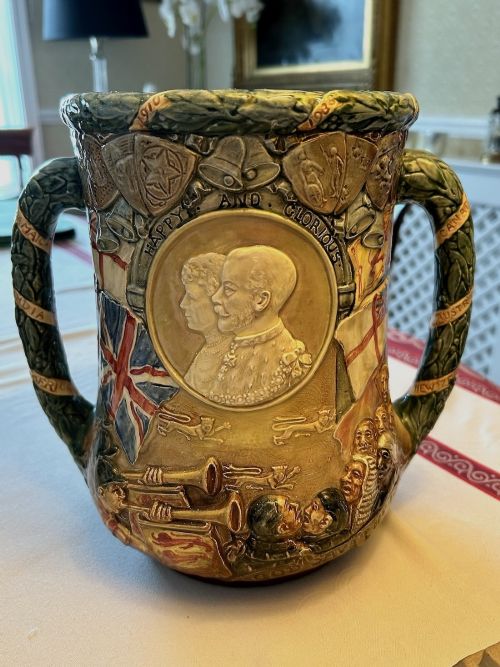
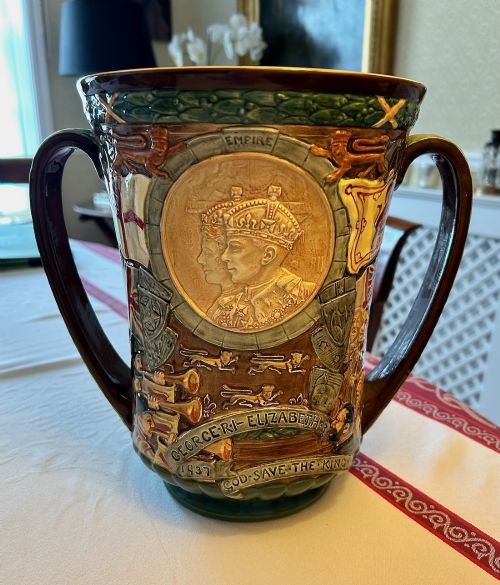
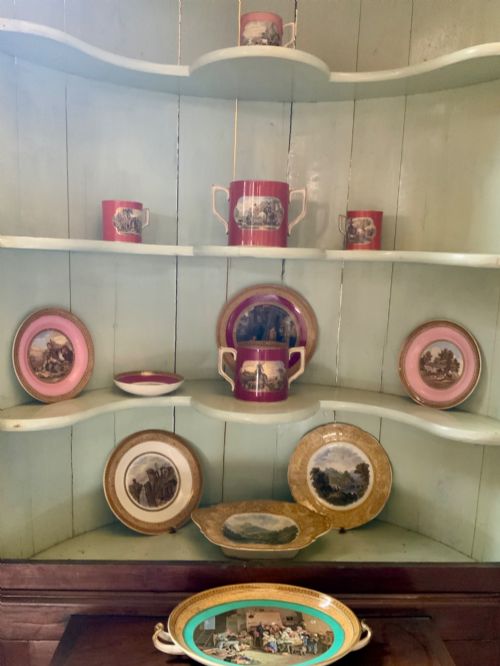
Commemorative examples mark royal coronations and jubilees, carrying portraits and inscriptions for monarchs such as George V, Queen Mary, George VI, and Queen Elizabeth. Other pieces display transfer-printed hunting scenes and polychrome decoration.
Materials and construction
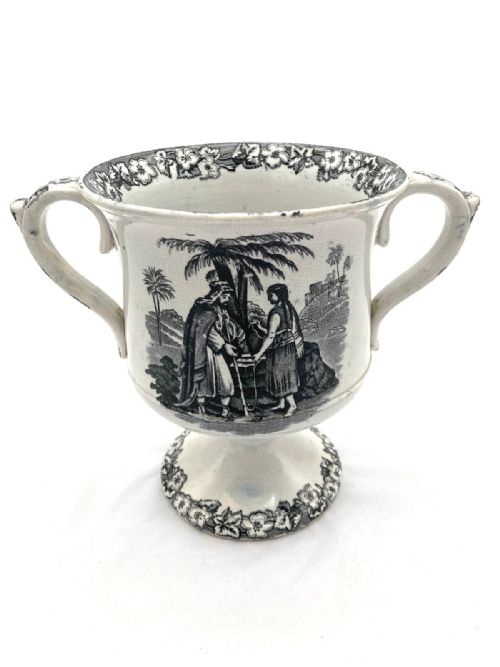
Potters built these vessels using earthenware, pearlware, and stoneware, applying glazes to seal the porous clay bodies. Some pieces incorporate silver mounts or gold leaf accents alongside transfer-printed and hand-painted surface designs.
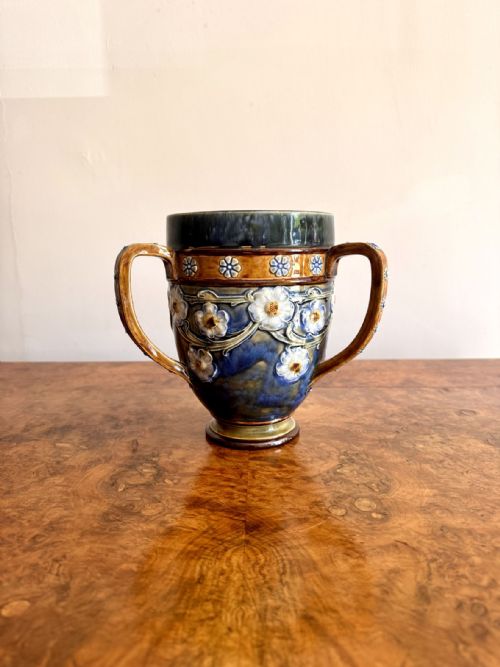
Stoneware tygs from Doulton Lambeth utilise salt-glazed techniques and detailed pate-sur-pate decoration associated with artists such as Florence E. Barlow. Earthenware and pearlware mugs rely on underglaze polychrome painting and black or mulberry transfer printing.
Loving Cup Pottery Retail Price Guide 2026
Typical asking prices for loving cup pottery among the pieces listed under this phrase on Sellingantiques today, from the lower quarter to the upper quarter. They describe what is for sale here now, not the wider market.
Surprise ceramic frogs lurk at the bottom of several nineteenth-century ale mugs, waiting to leap out at the unsuspecting drinker.
Assessing quality and finish
Quality rests upon the clarity of the transfer printing, the precision of the hand-painting, and the crispness of moulded details like handles and relief work. Finer examples display balanced proportions and cleanly applied glazes without firing distortions.
The distinction between standard commercial production and superior output often appears in the artistry of specialised decorators, particularly where hand-applied slip or precious metal mounts elevate the finished vessel.
Royal Doulton·Doulton Lambeth·Wemyss·English Staffordshire Prattware
The Loving Cup Pottery Glossary
- Tyg
- A traditional English drinking vessel with three or more handles, designed so multiple people could share the drink while passing it round a table. This form appears frequently among nineteenth-century stoneware pieces.
- Pearlware
- A refined earthenware developed in the late eighteenth century featuring a faint bluish tinge in the glaze to make the ceramic body appear whiter. It serves as the base for many hand-painted nineteenth-century pieces.
- Transfer printing
- A decoration technique where an engraved metal plate transfers a design onto tissue paper, which is then pressed onto the ceramic surface before glazing and firing. This method allowed complex hunting scenes and portraits to be reproduced consistently.
- Salt glaze
- A vitreous coating formed by throwing common salt into the kiln during high-temperature firing, producing a textured orange-peel finish on stoneware bodies. Doulton Lambeth pieces on this page utilise this durable finish.
- Polychrome
- Decoration employing multiple distinct colours, applied either by hand or through layered printing techniques. Many Staffordshire and Welsh earthenware mugs display this multicoloured palette.
Loving Cup Pottery: Frequently Asked Questions
What is a loving cup?
A loving cup is a large drinking vessel fitted with two or more handles, traditionally used to pass a drink safely between guests at banquets, weddings, and community gatherings.
The multiple handles allowed each person to hold the vessel securely with both hands or pass it while sharing the drink with their neighbour.
Why do some cups have frogs inside?
Novelty mugs and tygs often feature a ceramic frog or newt positioned inside the bottom of the vessel, facing upward toward the drinker.
These surprise creatures emerged as the liquid was consumed, intended to startle or amuse the drinker as they reached the end of their ale.
How do I date a loving cup?
Dating relies on the ceramic body type, glaze characteristics, and any commemorative inscriptions relating to specific royal events or monarchs.
Changes from pearlware and early earthenware to heavy stoneware and later twentieth-century commercial bodies provide clear chronological markers.
How were tygs used?
Tygs served communal drinking functions at festive occasions, toasts, and tavern gatherings where a single cup passed around the entire company.
The multiple handles meant the vessel could be gripped easily by successive drinkers without fumbling during the toast.