

Louis XVI Gilt Clock
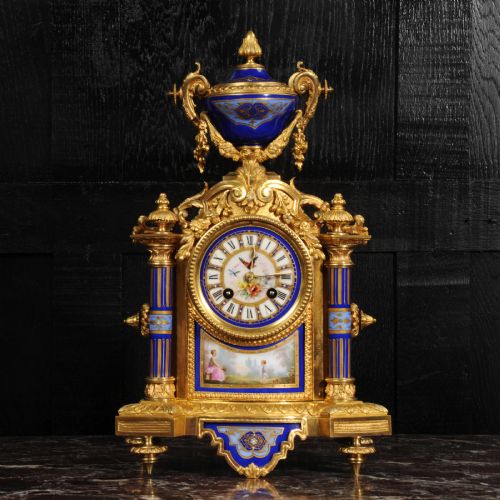
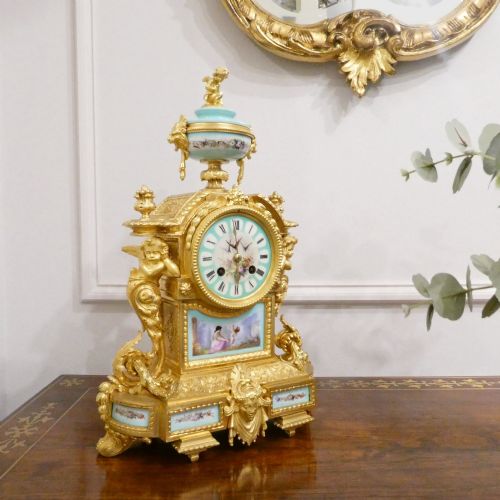
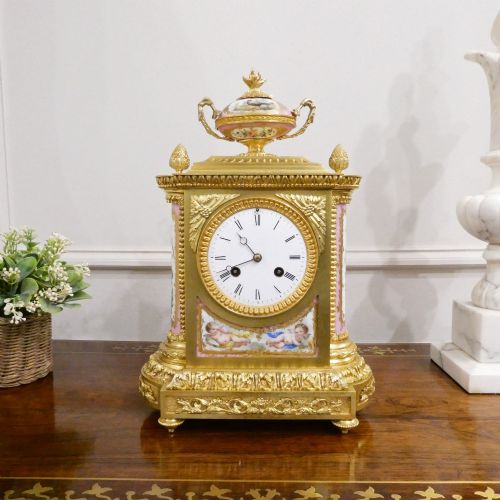
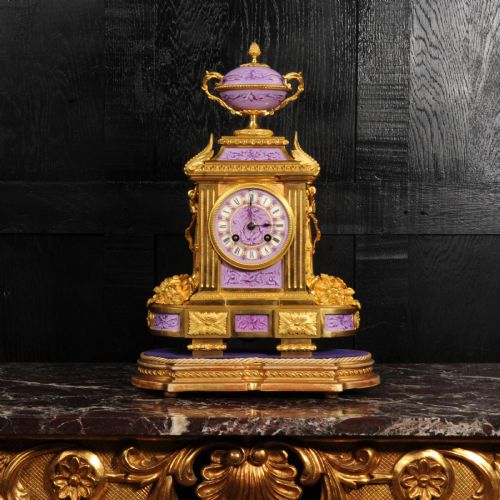
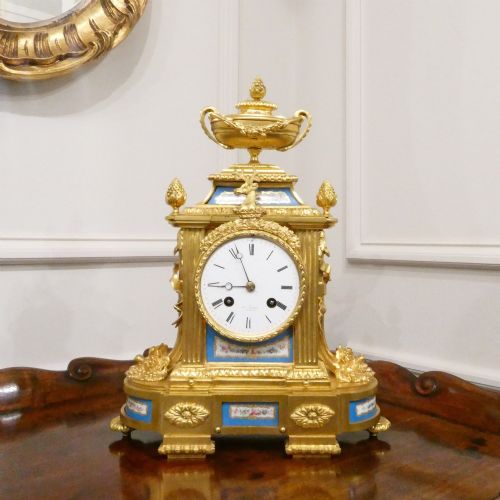
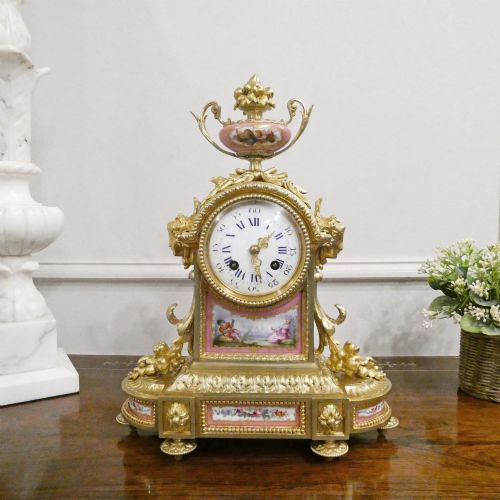
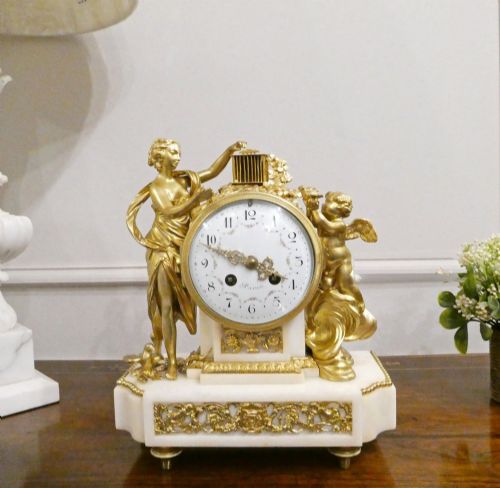
When you seek a louis xvi gilt clock, you encounter the refined symmetry, classical bronze mounts, and porcelain dials of nineteenth-century French horology.
Louis XVI Gilt Clock
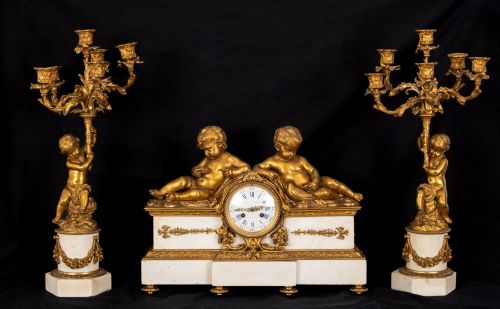
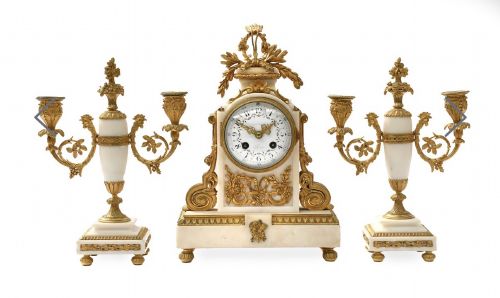
A louis xvi gilt clock represents the enduring taste for neoclassical design, spanning the eighteenth, nineteenth, and twentieth centuries. These objects predominantly take the form of mantel clocks, wall clocks, and elaborate garniture sets accompanied by matching candelabra.
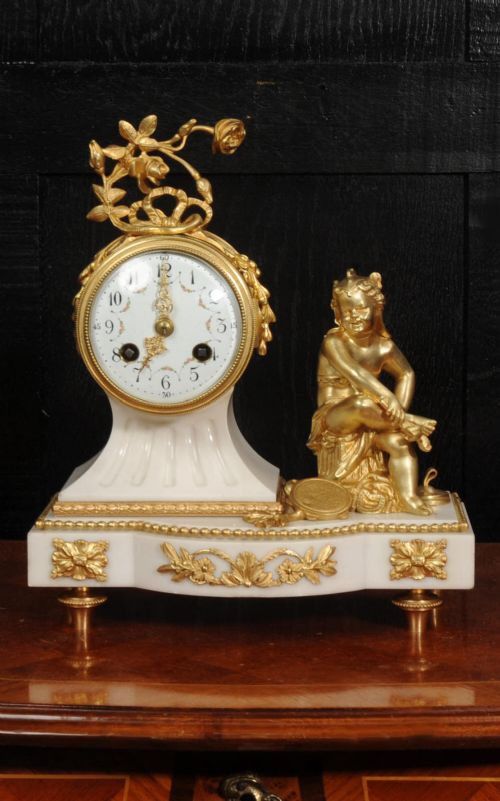
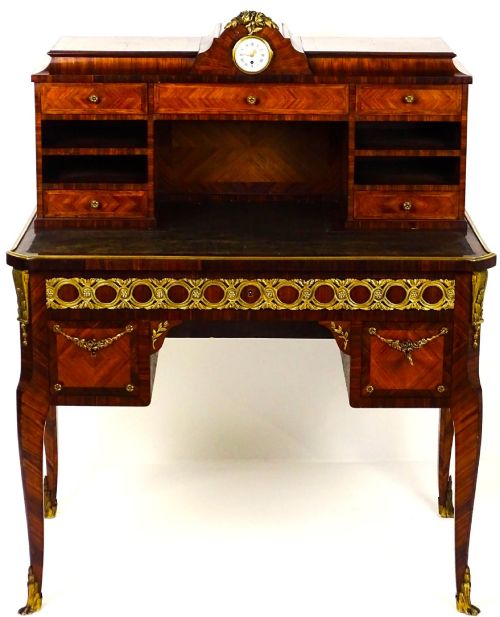
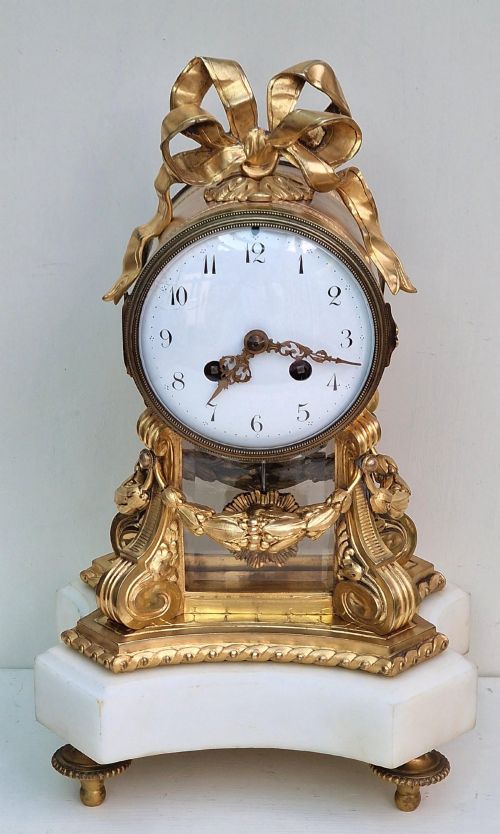
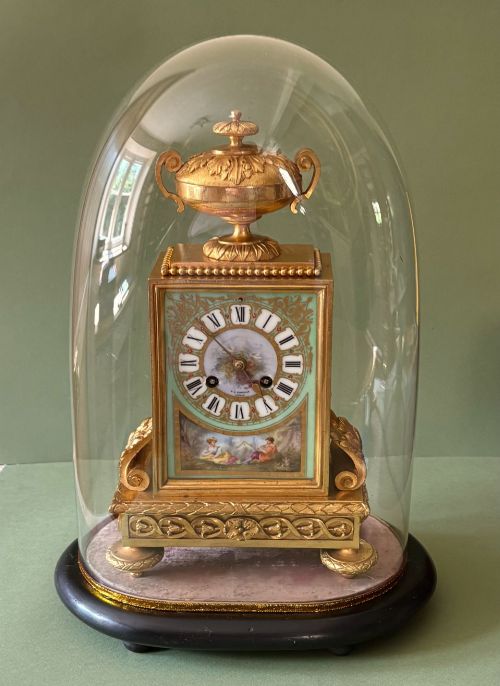
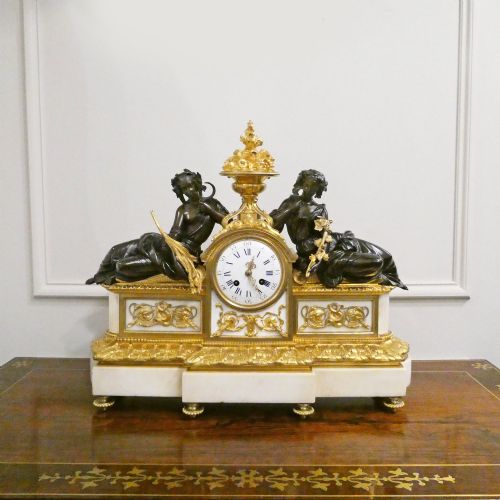
The versions most frequently found combine gilt bronze or ormolu with white marble, rouge marble, and painted porcelain panels. Makers often adopted Louis XVI Revival and French Neoclassical styles, producing works designed to anchor a formal interior.
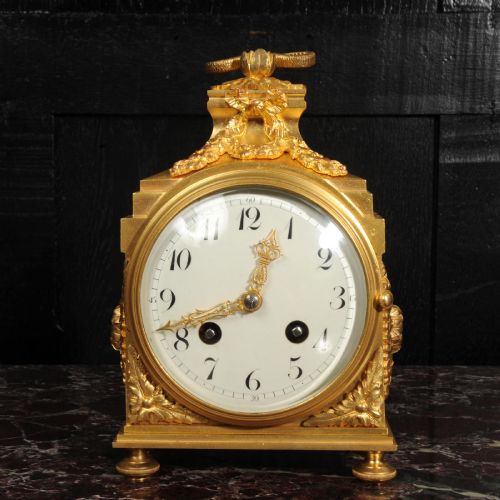
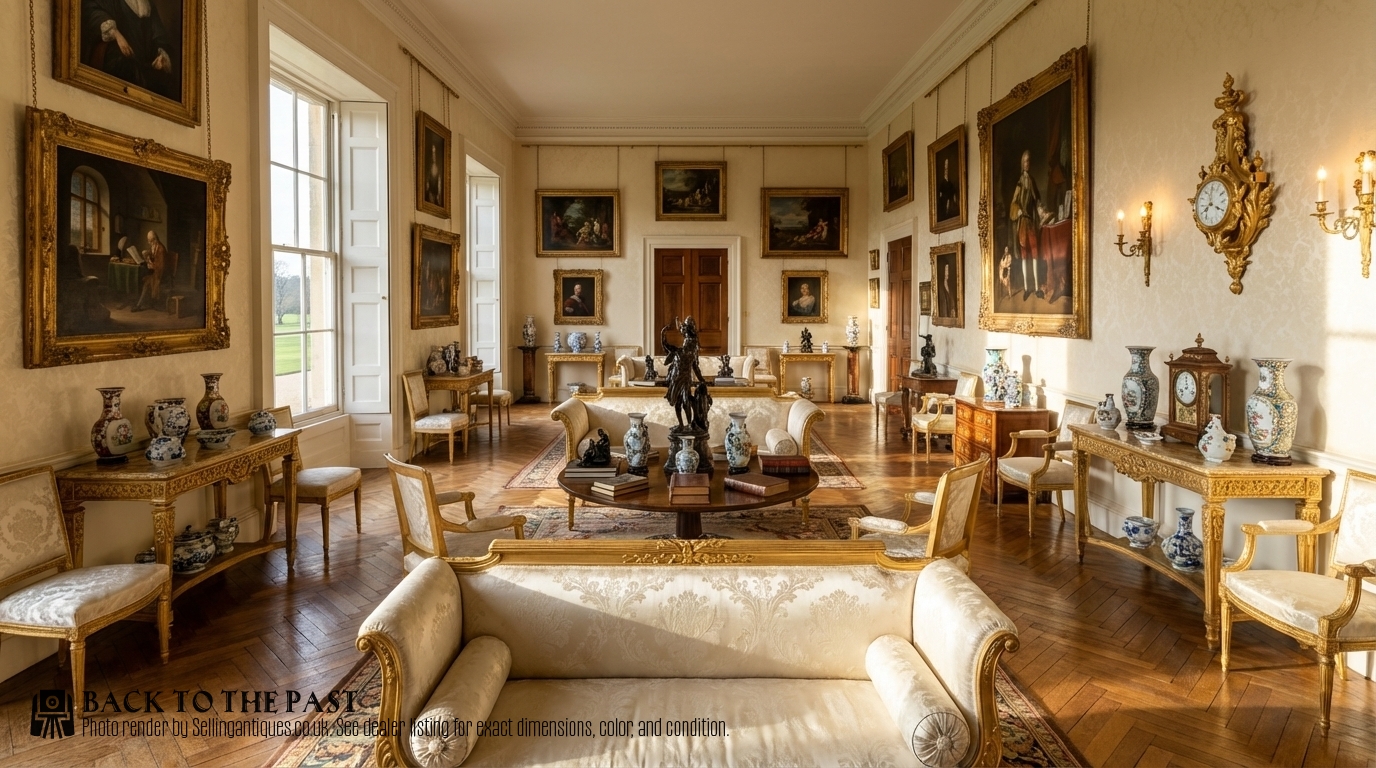
Beyond standard mantel pieces, the selection encompasses specialised forms such as drum head clocks, cartel wall clocks, and delicate boudoir pieces. Each variation demonstrates the symmetry and ornamental restraint characteristic of the neoclassical aesthetic.
Materials and Construction
The primary structural components rely on cast gilt bronze and ormolu, which provide the shimmering metallic surfaces characteristic of the genre. These metal mounts are frequently paired with turned and polished white marble, red marble, or kingwood bodies.
Clock faces and decorative plaques incorporate painted porcelain, often styled after Sèvres factories, featuring delicate numerals and floral motifs behind glass panels. Precision brass movements supplied by prominent horological houses drive the mechanical operations within these heavy metal and stone housings.
Listings feature movements by nineteenth-century French makers housed in gilt bronze, ormolu, white marble, and Sèvres porcelain.
Judging Quality and Execution
The distinction between tiers rests upon the crispness of the bronze casting and the depth of the gilding. Superior examples exhibit finely chased details on foliage, ribbons, and human figures, whereas lesser pieces display softer contours from worn moulds.
The integration of materials also dictates standing, with master bronziers and renowned clockmakers ensuring seamless joins between heavy marble bases, porcelain inserts, and metal mounts. Complete garniture sets featuring original candelabra represent a higher standard of preservation than isolated timepieces.
Japy Freres·Jean-Baptiste Delettrez·Achille Brocot·Henry Marc·Henry Dasson·Louis Goret·Sacre·Raingo Fres·Henri Picard·A.D. Mougin·Samuel Marti·Vincenti·Hausburg
The Louis XVI Gilt Clock Glossary
- Ormolu
- Gilded bronze produced through a mercury amalgamation process, giving the metal a rich, matte yellow finish.
- Garniture
- A coordinated set of decorative objects, typically a central clock flanked by matching candelabra or urns for a mantelpiece.
- Cartel clock
- A wall-mounted clock housed in an ornate, asymmetrical or symmetrical scrollwork frame made of gilt bronze or wood.
- Pendule d'Officier
- A portable military-style desk or travel clock featuring a gilt bronze case and a visible escapement.
- Sèvres
- A term applied to porcelain plaques and dials associated with the famous French royal manufactory, often decorated with hand-painted scenes.
Louis XVI Gilt Clock: Frequently Asked Questions
How do I wind my clock?
Most antique mechanical clocks require a key inserted into the dial to tension the springs every week or eight days.
Care must be taken not to over-wind the mechanism, stopping as soon as resistance is felt to preserve the antique gears.
Where should I place a heavy marble clock?
These pieces require a sturdy, level surface such as a heavy mantelpiece or a dedicated console table due to their substantial weight in marble and bronze.
Placing the clock away from direct sunlight and damp walls protects the delicate enamel dials and interior steel components.
How can I tell the period?
Stylistic clues, maker signatures stamped on the brass movements, and the specific composition of the marble or bronze help determine the era of manufacture.
While many pieces date from the nineteenth-century revival periods, they faithfully replicate the neoclassical motifs originating in the eighteenth century.
What is a clock garniture?
A clock garniture is a matching ensemble consisting of a central timepiece accompanied by side ornaments like candelabra or decorative urns.
These coordinated sets were designed to create a balanced, symmetrical display across a fireplace mantel or large sideboard.