

Louis XVI Desk
When you look for a louis xvi desk, you are seeking the restrained symmetry and neoclassical elegance that defined late eighteenth-century French cabinet making, most often met here in nineteenth-century revival interpretations.
Louis XVI Desk
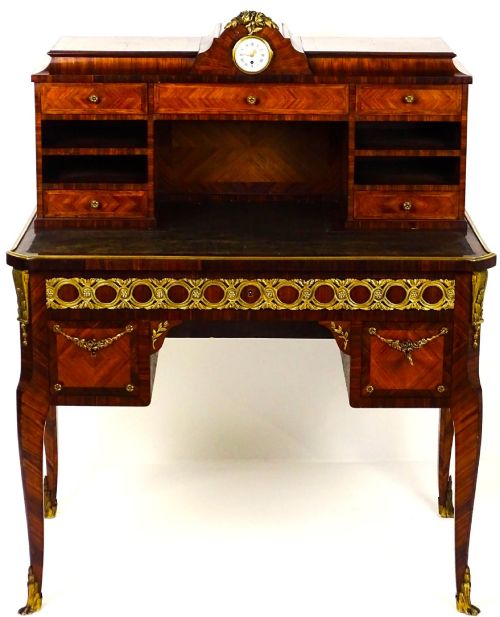
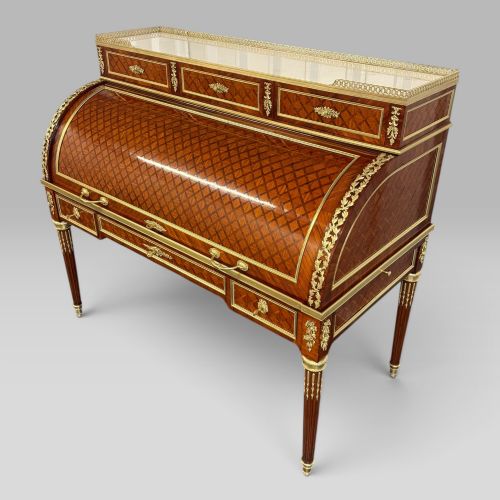
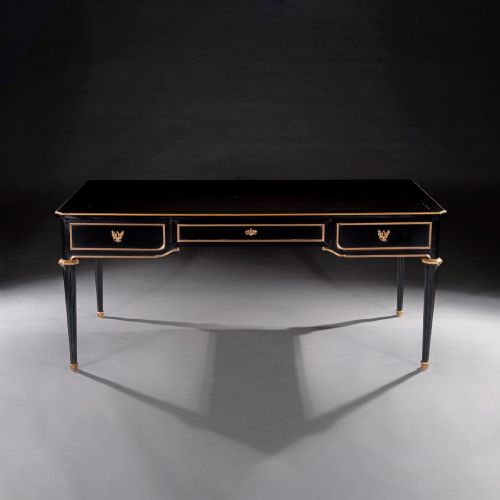
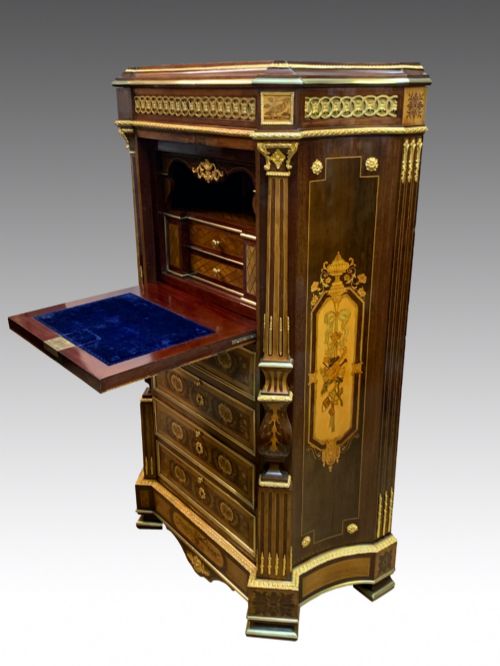
A louis xvi desk takes many forms across the selection, ranging from the flat-topped bureau plat to cylinder desks, secretary cabinets, and small writing tables. These pieces draw heavily on French neoclassical and Louis XVI revival aesthetics, prioritising straight lines and classical proportions over the sweeping curves of earlier periods.
The pieces appearing on this page date primarily from the nineteenth century, including the 1860s and 1880s, alongside pieces from 1900 and later. Makers such as François Linke and Paul Sormani produced notable examples, translating eighteenth-century idioms into elaborate nineteenth-century commissions.
Beyond standard writing tables, the inventory incorporates related writing furniture like the Bonheur du Jour and roll-top desks. Each variant offers a dedicated writing surface, often supplemented by leather inserts, drawers, and compartments.

How they were made
Cabinet makers constructed the carcasses of these desks from sturdy timbers like mahogany, walnut, and ebonised woods, then applied decorative veneers including kingwood, tulipwood, and satinwood in parquetry or marquetry patterns. Leather inserts frequently form the writing surface.
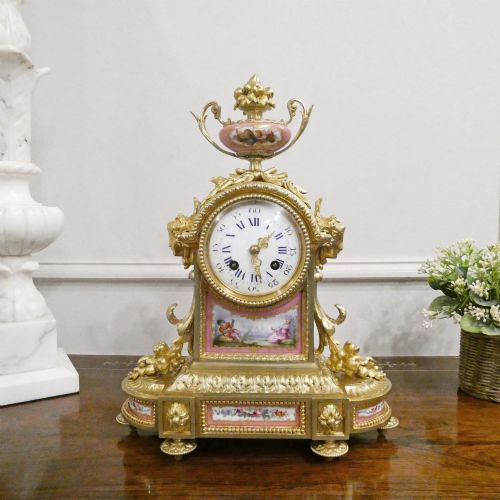
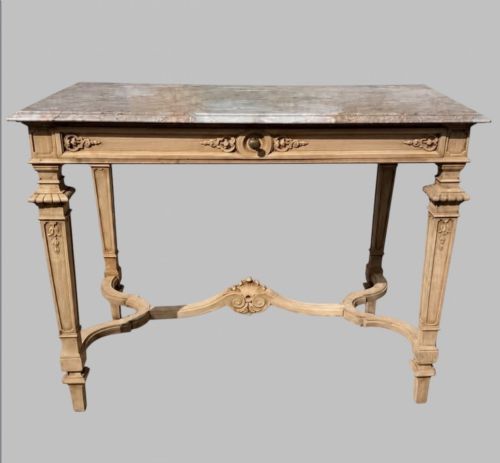
Metalwork defines the visual language of these pieces, utilising cast ormolu, gilt bronze, and brass mounts, trims, and sabots to accent corners, drawers, and legs. Marble tops frequently surmount writing tables and side furniture, adding weight and a cool tactile surface.
Louis XVI Desk Retail Price Guide 2026
Typical asking prices for louis xvi desk among the pieces listed under this phrase on Sellingantiques today, from the lower quarter to the upper quarter. They describe what is for sale here now, not the wider market.
Listings feature 19th Century, 1880, 1890, 1900, and 1930 periods alongside materials like ormolu, kingwood, mahogany, and marble.
What varies in quality
The standard of a louis xvi desk depends significantly on the crispness of its gilt bronze and ormolu mounts, where hand-chased detail distinguishes exceptional casting from mass-produced hardware. Cabinet work quality shows in the precision of the parquetry, the book-matching of veneers, and the stability of the carcass.
Makers of note, such as François Linke and Paul Sormani, brought superior joinery and sophisticated mechanical elements to their writing tables, elevating them far above utilitarian equivalents. The choice of secondary woods and the retention of original leather writing surfaces further separate standard pieces from masterworks.
Paul Sormani·François Linke·Alphonse Tahan·Japy Freres·Achille Brocot
The Louis XVI Desk Glossary
- Bureau plat
- A double-sided or single-sided writing table fitted with drawers across the frieze, typically standing on slender tapered legs.
- Ormolu
- Gilded brass or bronze applied to furniture as decorative mounts, collars, and sabots.
- Marquetry
- The art of applying small pieces of wood veneer to a structure to form decorative patterns and pictorial scenes.
- Parquetry
- Geometric wood mosaic work used for covering floors or furniture surfaces, creating interlocking patterns.
- Cylinder desk
- A desk featuring a quarter-cylinder rolling shutter that conceals writing drawers and pigeonholes.
- Savoir-faire
- The accumulated skill and technical mastery displayed by nineteenth-century Parisian cabinet workshops.
Louis XVI Desk: Frequently Asked Questions
What is a bureau plat?
A bureau plat is a freestanding writing table equipped with drawers along the frieze. It is designed to sit in the middle of a room rather than against a wall.
These tables typically feature tooled leather writing surfaces and distinct ormolu mounts on the legs and corners.
How do I spot a revival piece?
Revival pieces date primarily from the nineteenth century, utilising eighteenth-century neoclassical vocabulary. Look at the internal construction methods, timber ageing, and secondary woods to confirm the date.
Nineteenth-century workshops often stamped their bronze mounts or incorporated mechanical advances not found in earlier centuries.
Are these desks practical for daily use?
These desks suit modern working provided the writing height and knee clearance match your chair. Leather inserts offer a durable surface for writing.
Care must be taken with antique veneers, polished finishes, and marble tops when placing everyday items upon them.
What timber was used?
Cabinet makers utilised mahogany, walnut, and ebonised hardwoods for the primary structures. Kingwood, tulipwood, and satinwood served as decorative veneers.
Surfaces were frequently enhanced with intricate parquetry or geometric marquetry patterns.