




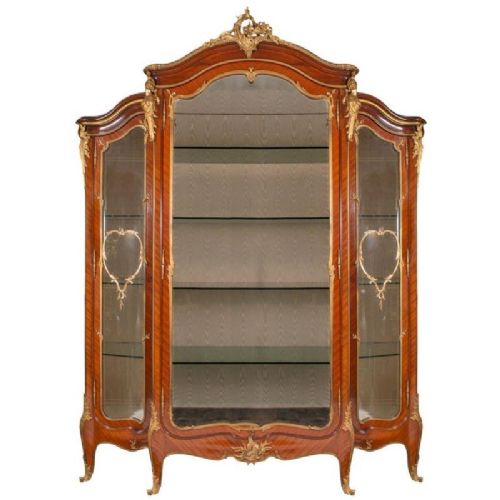


Louis XV XVI Cabinets
Louis xv xvi cabinets combine curvilinear rococo grace with neoclassical restraint, offering elegant storage crafted in fine timber and mounted in bronze.
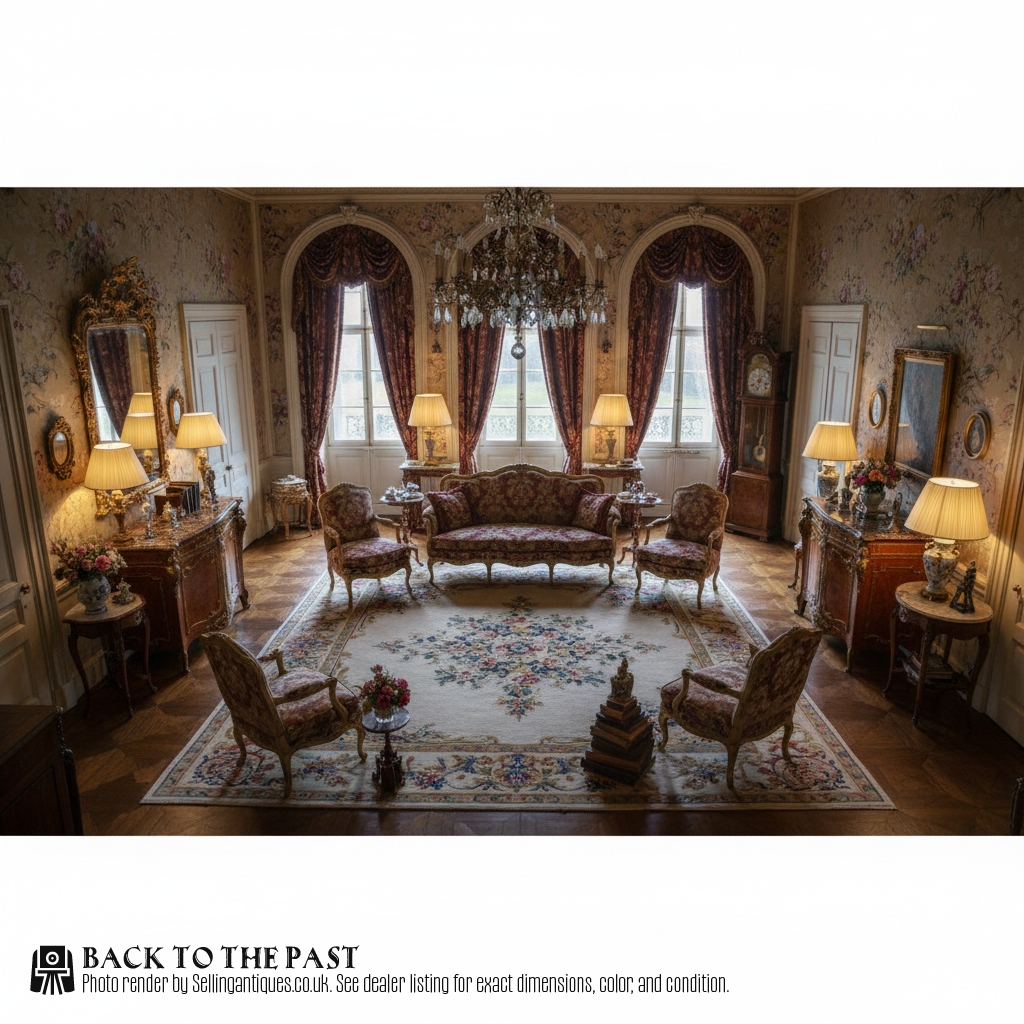
Louis XV XVI Cabinets
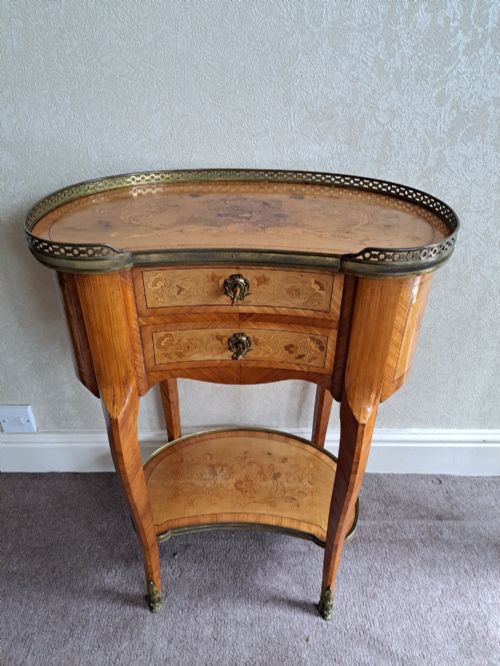
When searching for louis xv xvi cabinets, a buyer encounters pieces originating primarily from the nineteenth and early twentieth centuries, spanning revival periods from eighteen eighty to nineteen thirty. The selection encompasses display cabinets, side cabinets, commodes, vitrines, and bedside tables executed in French Louis XV and Louis XVI styles.
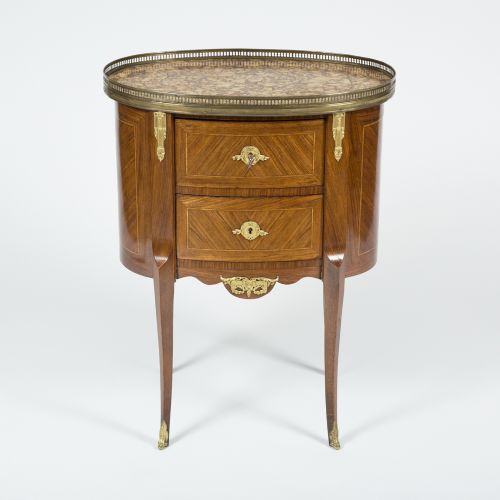
The transitional style forms a distinct subset, bridging the curvaceous lines of the earlier reign with the straight fluting of the later period. These items range from large vitrines and secretary desks to intimate nightstands and oval commodes topped with marble.
Most examples available represent revival periods rather than eighteenth-century originals, demonstrating the nineteenth-century European appetite for continental craftsmanship. Makers such as Linke and Joseph Zwiener contributed to this revival tradition, producing high-status furniture for demanding clientele.
Construction and Materials
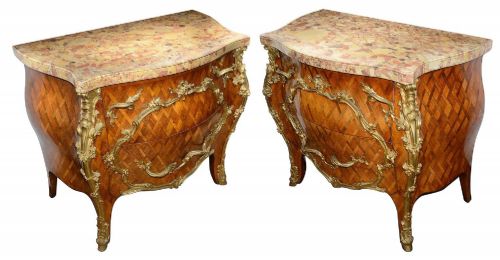
Cabinet makers built carcases from native and exotic timbers including kingwood, walnut, mahogany, tulipwood, and rosewood, frequently applying intricate marquetry and parquetry patterns across serpentine and bombe surfaces.
Metal ornament played a defining structural and decorative role, with heavy mounts of ormolu, gilt bronze, and brass accentuating corners, legs, and aprons. Marble tops in varieties such as breche d'alep provided durable and polished working surfaces for commodes and bedside chests.
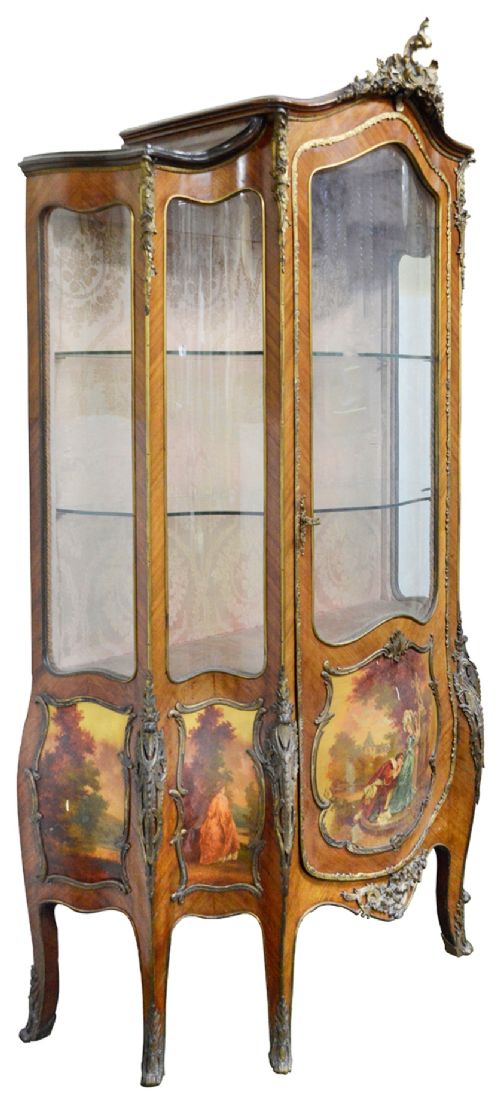
Glass panels fitted into doors and sides transformed storage pieces into vitrines and display cabinets designed to showcase porcelain and curiosities under controlled conditions.
Louis XV XVI Cabinets Retail Price Guide 2026
Typical asking prices for louis xv xvi cabinets among the pieces listed under this phrase on Sellingantiques today, from the lower quarter to the upper quarter. They describe what is for sale here now, not the wider market.
Listings feature woods like kingwood, walnut, and tulipwood combined with ormolu mounts and marble tops across nineteenth-century revival periods.
Judging Quality
Excellence in these pieces rests on the precision of the cabinet work and the crispness of the bronze mounts. Finer examples display hand-chased ormolu that is firmly seated against timber veneer rather than cast loosely or glued without depth.
The complexity of the timber layout determines the tier of the piece, with matched kingwood veneers, elaborate floral marquetry, and serpentine curves requiring advanced joinery skills compared to flat-sided mahogany carcases.
Attribution to documented makers like Linke or Zwiener elevates the standing of a cabinet, as does the integration of specialised elements such as vernis martin panels or original marble tops shaped precisely to the carcase.
Joseph Zwiener·Linke
The Louis XV XVI Cabinets Glossary
- Ormolu
- Gilded bronze used for decorative mounts and furniture fittings. It requires meticulous casting and hand-chiselling to achieve sharp detail.
- Marquetry
- The art of applying small pieces of veneer to a structure to form decorative patterns or pictures. Craftsmen selected contrasting timbers like tulipwood and kingwood for tonal depth.
- Vitrine
- A glass-fronted display cabinet intended for the presentation of precious objects. The term derives from the French word for glass.
- Bombe
- A swelling, outward-curving contour found on the front and sides of commodes and cabinets. This shape requires specialist shaping of the wooden carcase.
- Parquetry
- Geometric wood mosaic work used for floors and furniture surfaces. It creates repeating patterns without figurative designs.
Louis XV XVI Cabinets: Frequently Asked Questions
What distinguishes louis xv from louis xvi style cabinets?
Louis XV furniture relies on asymmetrical curves, cabriole legs, and rococo flourishes derived from natural forms. Louis XVI style introduces straight lines, fluted pilasters, and neoclassical symmetry.
Transitional pieces combine these vocabularies, pairing a bombe silhouette with restrained geometric mounts.
Where should a display cabinet be placed at home?
Display cabinets and vitrines suit reception rooms, drawing rooms, or hallways where natural light illuminates internal shelving without direct sun exposure. Placing them away from heat sources protects delicate veneers and marquetry from splitting.
Ensure adequate floor clearance for doors that swing outward or slide.
How do I care for ormolu mounts and marble tops?
Dust ormolu mounts gently with a soft dry brush, avoiding abrasive commercial polishes that strip gilding. Marble tops benefit from regular wiping with a damp cloth and neutral soap to prevent staining from liquids.
Waxing adjacent wood should be done carefully to avoid residue on bronze mounts.
Are bedside cabinets intended for modern bedroom use?
Bedside chests and nightstands function well beside contemporary beds while offering enclosed storage for small items. Their compact proportions accommodate lamps and books without dominating smaller rooms.
Serpentine and marble-topped variants add textural contrast to modern interiors.