



Louis XV Wall Consoles
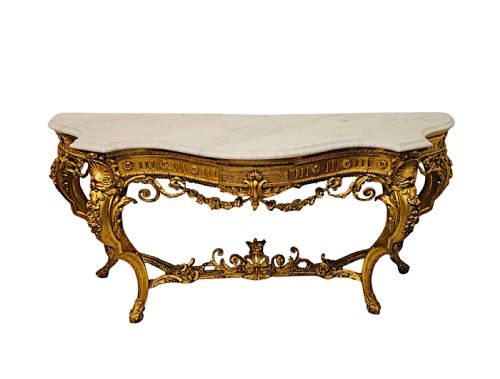
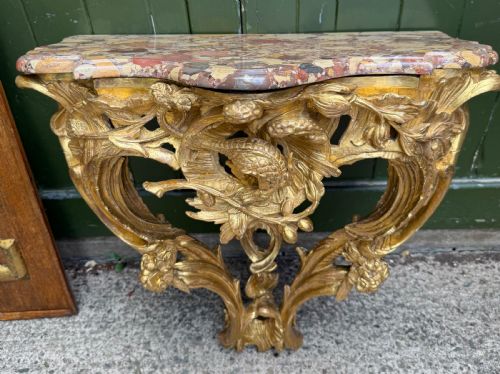
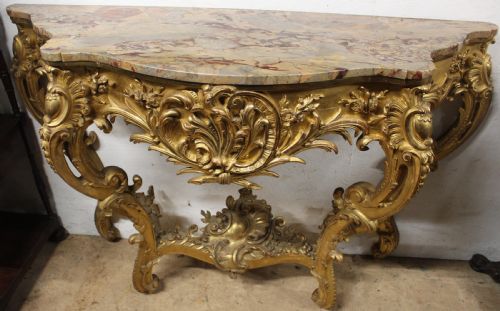
Louis xv wall consoles bring asymmetric curves and gilded carving into a room, mounted directly to the wall to save floor space.
Louis XV Wall Consoles
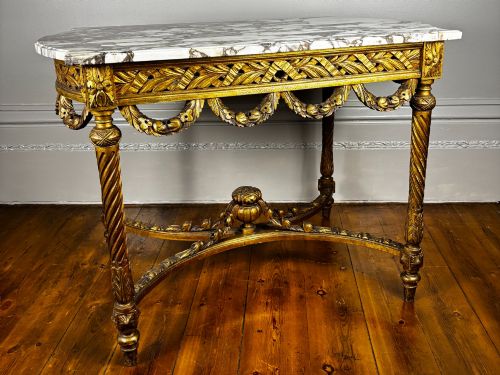
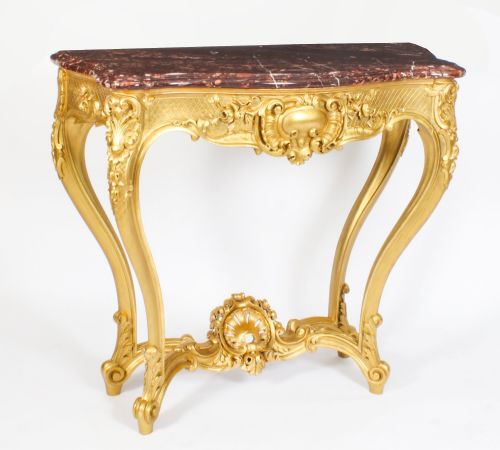
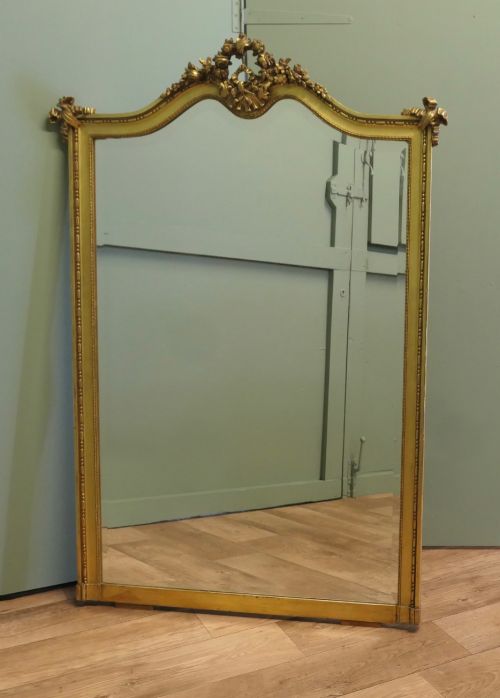
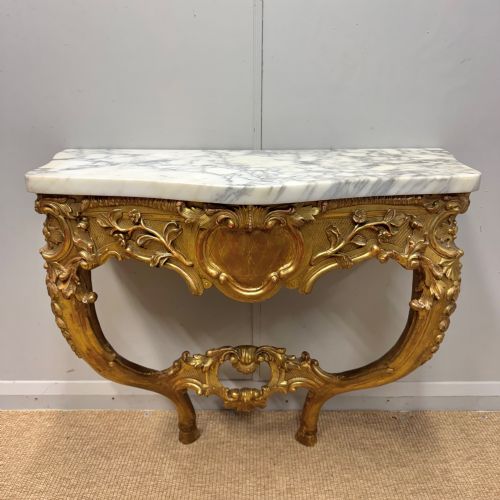
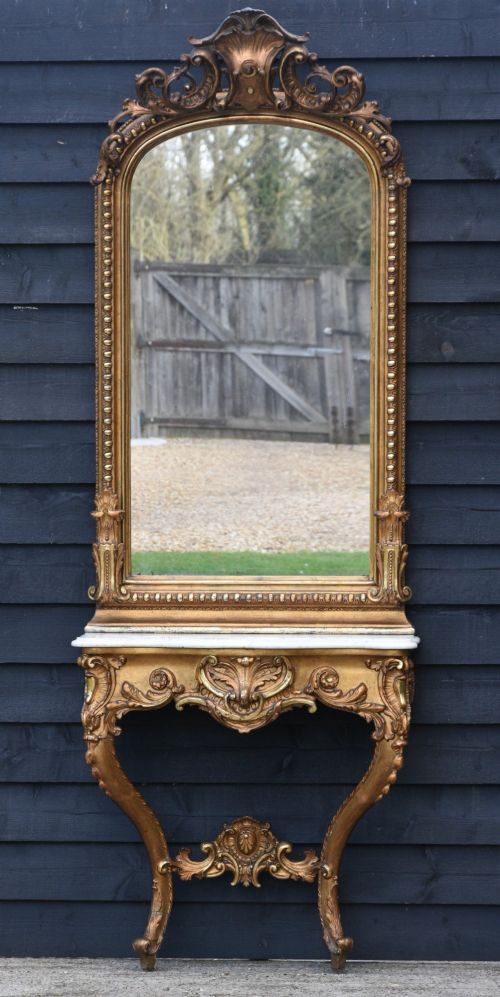
When you search for louis xv wall consoles, you encounter tables designed to sit flush against a wall, frequently accompanied by matching pier mirrors. Most examples found here originate from the nineteenth century in various revival styles, alongside authentic eighteenth-century models and later twentieth-century interpretations.
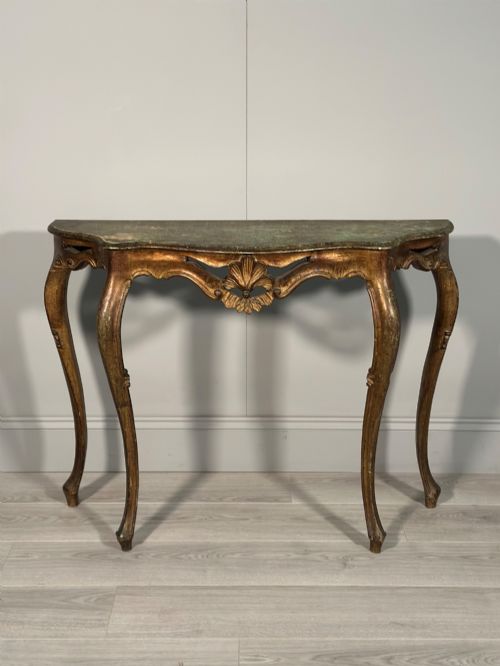
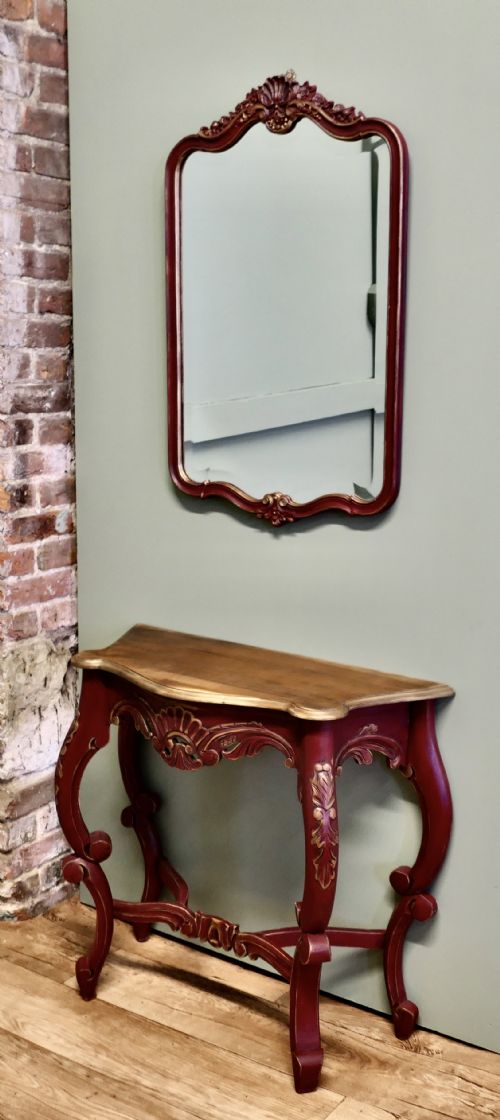
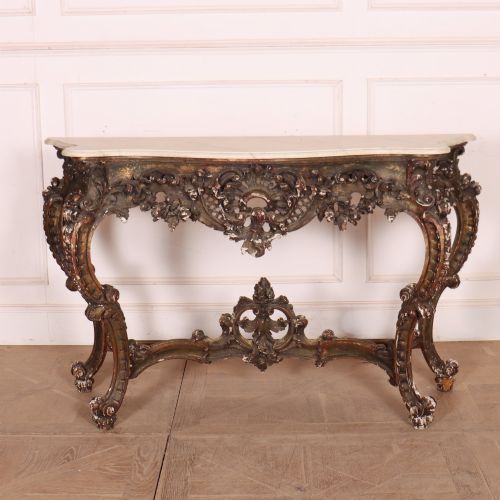
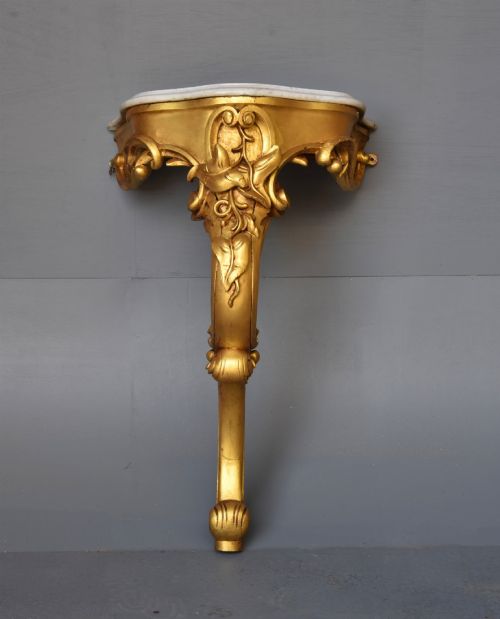
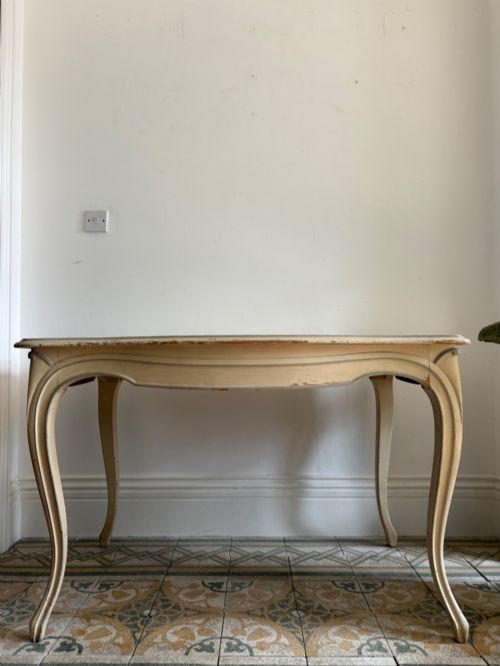
The primary forms take shape as console tables with serpentine fronts, supported by cabriole legs, or as wall-mounted side tables and wall brackets. These pieces display French design influences, ranging from ornate rococo revival frameworks to restrained provincial painted timber finishes.
Makers and artisans constructed these consoles primarily for formal reception rooms and halls, where a marble top provided a durable, decorative surface. Pairs appear among the listings, offering symmetry for flanking a fireplace or doorway.
Materials and construction
Wood forms the primary structural foundation, with walnut and oak utilised alongside softer timbers carved into intricate scrolls and foliage. Giltwood, gesso, and gold leaf finish many of the surfaces, while paint and parcel gilt provide alternative finishes on provincial examples.
Marble tops, including figured varieties like breche d'alep and sienna, sit upon the wooden frames to complete the weight and balance of the console. Glass appears in the paired pier mirrors and trumeau sets designed to hang above the tables.
Louis XV Wall Consoles Retail Price Guide 2026
Typical asking prices for louis xv wall consoles among the pieces listed under this phrase on Sellingantiques today, from the lower quarter to the upper quarter. They describe what is for sale here now, not the wider market.
Tables share space with matching pier mirrors and wall brackets designed to hold porcelain.
Evaluating craftsmanship
The depth and clarity of the hand-carving in the wood and gesso separate standard production from superior work. Crisp undercut foliage and well-defined asymmetric scrolls indicate skilled workmanship.
The choice and thickness of the marble top, particularly figured varieties shaped to a serpentine front, contribute significantly to the standing of the piece. The application of gold leaf and the preservation of original painted surfaces also determine the overall standard.
The Louis XV Wall Consoles Glossary
- Console table
- A table designed to be fixed against a wall, traditionally supported by two front legs with the rear secured to the wall structure.
- Cabriole leg
- A furniture leg that curves out and then in, resembling the leg of an animal, characteristic of the rococo style.
- Giltwood
- Timber coated with gold leaf or gold paint, creating a lustrous surface that catches candlelight or daylight.
- Breche d'alep
- A type of variegated marble featuring a mixture of brown, cream, and grey tones, frequently used for table tops.
- Trumeau mirror
- A decorative wall mirror featuring a painted or carved panel above the glass, often matching a console table placed below it.
Louis XV Wall Consoles: Frequently Asked Questions
Where should I place a wall console?
These tables suit hallways, living rooms, and dining areas where floor space is limited. Mounting them against a focal wall allows them to function as display surfaces without crowding the room.
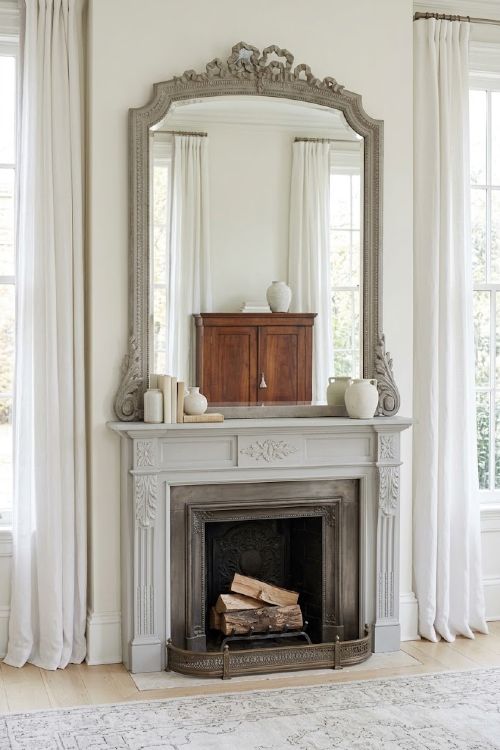
Pairing a console with a matching mirror or placing one between two windows creates a balanced focal point in traditional interiors.
How do I distinguish eighteenth-century pieces?
Authentic eighteenth-century models display hand-cut joinery, aged patination on the timber underneath the gilding, and specific carving techniques typical of the period. Revival pieces from the nineteenth century often copy these motifs but employ different construction methods.
Examining the reverse of the console and the wear patterns on the wooden frame helps determine the age of the piece.
Do these consoles need wall support?
Many console tables require securing to the wall for stability, particularly those with only two front legs. Brackets and fixing points built into the frame distribute the weight safely against the wall.
Checking the original mounting points ensures the table remains secure once installed in your home.
What is the difference between revival and original styles?
Original pieces date from the reigns of French monarchs or the exact period of the design style, carrying the wear and construction hallmarks of that era. Revival pieces were manufactured decades later, notably during the nineteenth century, adopting historical aesthetics for Victorian and Edwardian homes.
Both categories offer decorative appeal, though collectors often distinguish between the primary period of creation and later revivals.