


Louis XV Revival Desk
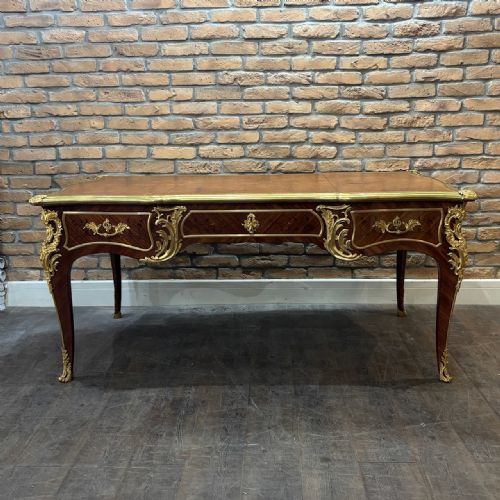
A louis xv revival desk brings sweeping serpentine lines and gilt bronze mounts into a room.
Louis XV Revival Desk
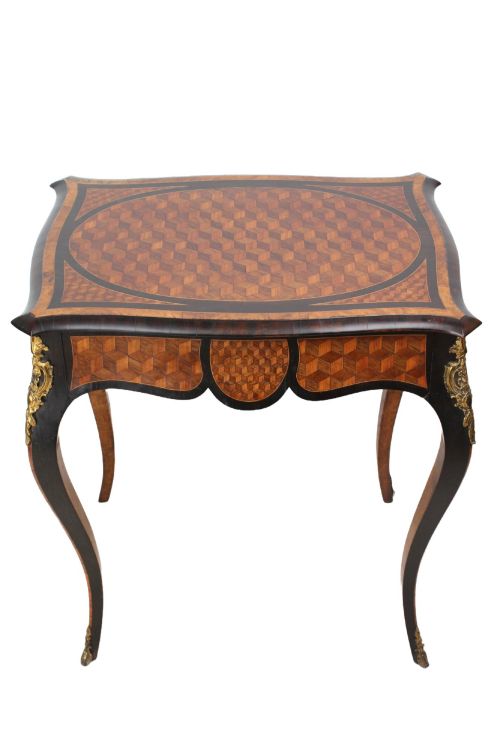
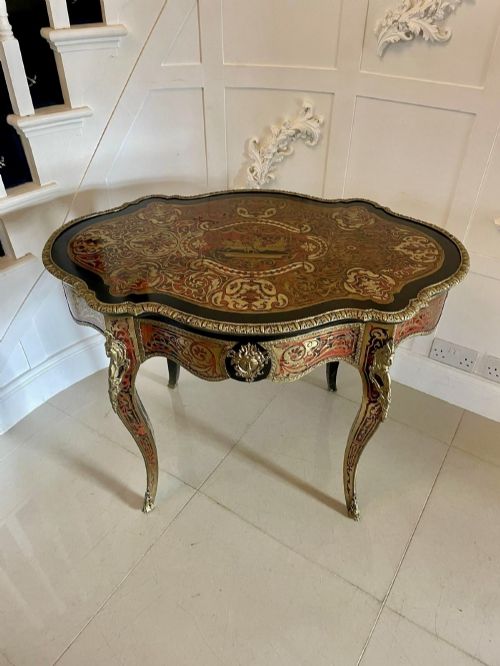
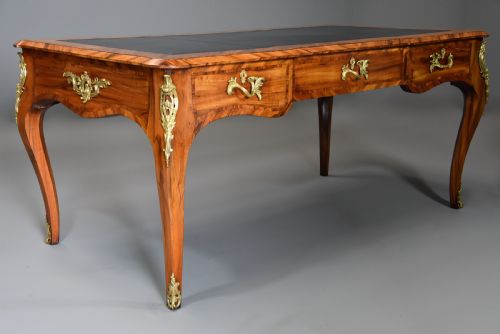
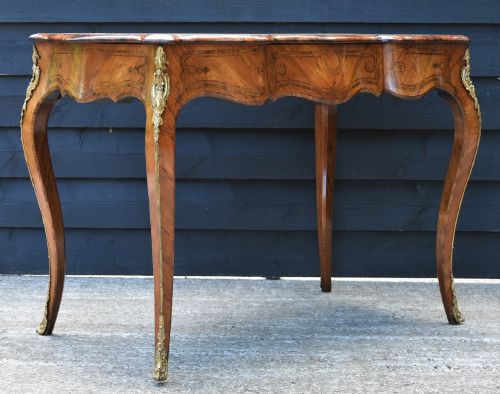
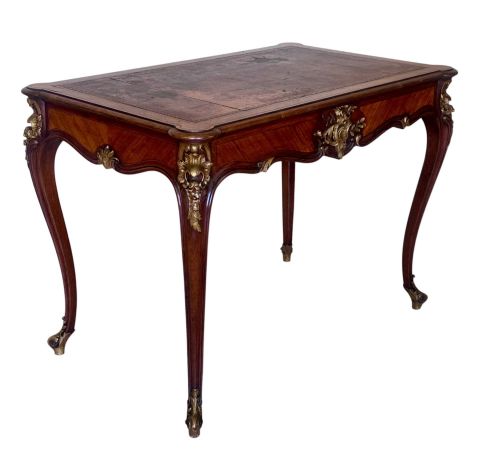
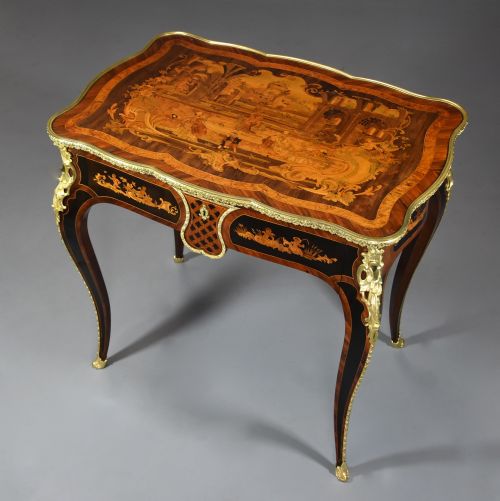
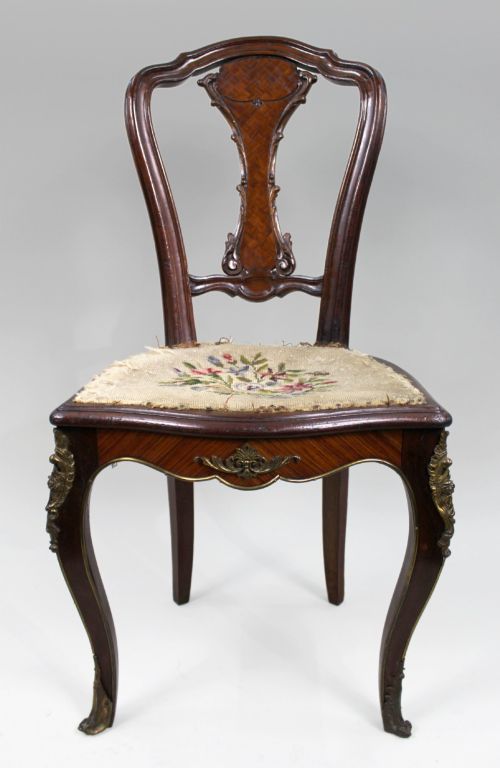
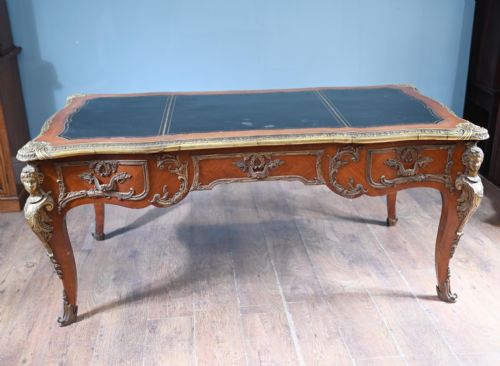
When you search for a louis xv revival desk, you encounter nineteenth-century interpretations of eighteenth-century French forms. These pieces include writing tables, bureau plats, and ladies desks designed with asymmetric curves and cabriole supports.
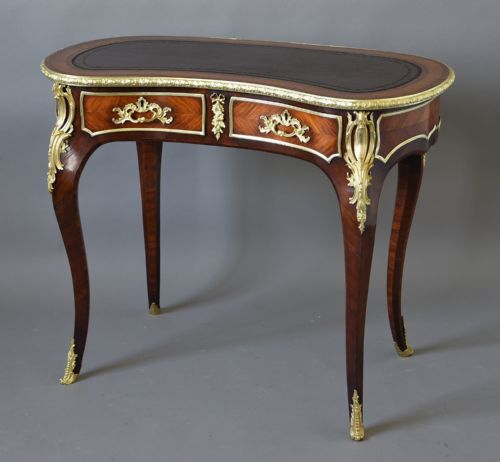
Most entries reflect nineteenth-century cabinet-making traditions, though occasional pieces lean towards Victorian interpretations with distinct local touches. A buyer typically finds kidney-shaped writing surfaces, freestanding centre tables, and bureau de dame variations.
Materials and construction
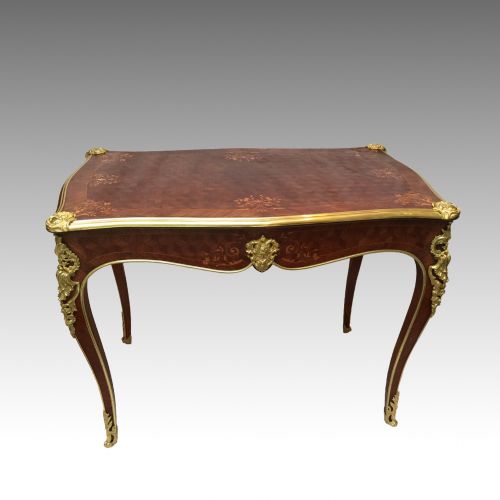
Makers utilised dense hardwoods such as kingwood, walnut, and rosewood as the foundational structure for these writing surfaces. Artisans applied intricate parquetry and marquetry geometric patterns across the tops and drawer fronts.
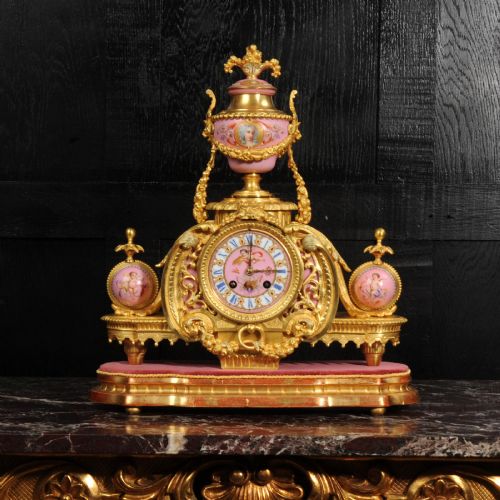
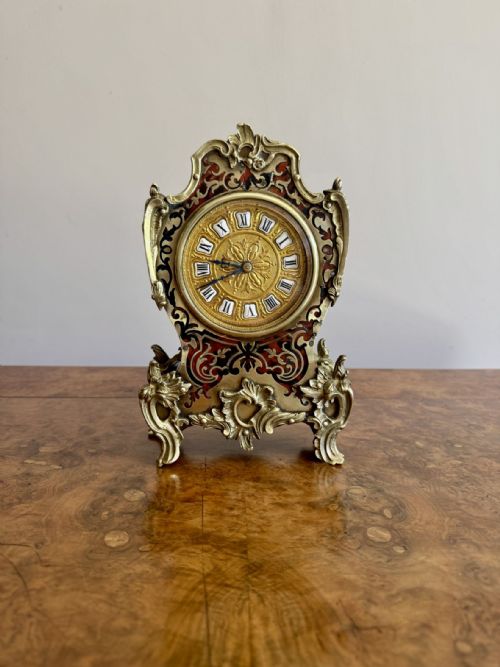
Cast ormolu and gilt bronze mounts define the edges, corners, and sabots of the legs, often complemented by inset leather writing surfaces. Selected pieces incorporate porcelain plaques or Sèvres porcelain panels into the cabinetry.
Louis XV Revival Desk Retail Price Guide 2026
Typical asking prices for louis xv revival desk among the pieces listed under this phrase on Sellingantiques today, from the lower quarter to the upper quarter. They describe what is for sale here now, not the wider market.
Judging the standard
The distinction between tiers rests upon the crispness of the bronze cast work and the precision of the wood veneers. Superior execution shows in the seamless integration of ormolu mounts against curved wood surfaces without gaps.
Depth of marquetry detail and the complexity of the timber grain selection elevate certain pieces above standard production. The fluidity of the serpentine shaping and the integrity of the underlying joinery dictate the overall stature of the desk.
JAS Shoolbred·Achille Brocot·CH Jeanselme and Co·Leon Message·Jollet et Cie·Alphonse Tahan
The Louis XV Revival Desk Glossary
- Bureau plat
- A freestanding writing table fitted with one or more drawers in the frieze. This form sits away from the wall.
- Ormolu
- Gilded bronze applied as decorative mounts on furniture and clock cases. It provides bright metallic contrast to dark woods.
- Marquetry
- Inlaid wood veneers arranged to form pictorial or floral patterns. Artisans cut various tinted woods to create the design.
- Parquetry
- Geometric patterns formed by small pieces of wood veneer fitted together. Common motifs include checkerboards and cubes.
- Cabriole leg
- A furniture leg featuring a double curve modelled on the hind leg of an animal. It swells outward at the knee and tapers down to the foot.
Louis XV Revival Desk: Frequently Asked Questions
How do I use a bureau plat today?
These tables function well as freestanding desks or console surfaces in a study or living area.
Their finished backs allow them to sit away from walls while providing a functional writing space.
Are these desks strictly French in origin?
Many pieces originate from nineteenth-century French workshops following traditional Rococo patterns.
English cabinet makers also produced similar items influenced by French styling during the Victorian period.
What is the difference between a bureau plat and a writing desk?
A bureau plat specifically denotes a flat-topped table with drawers built into the frieze.
General writing desks might include superstructure compartments or sloping lids for storage.
How should I care for the wood and ormolu?
Dust the surfaces regularly with a soft dry cloth and avoid commercial polishes containing silicone.
Keep the timber away from direct sunlight and steady heat sources to protect the veneer.