





Louis XV Gilt Clock
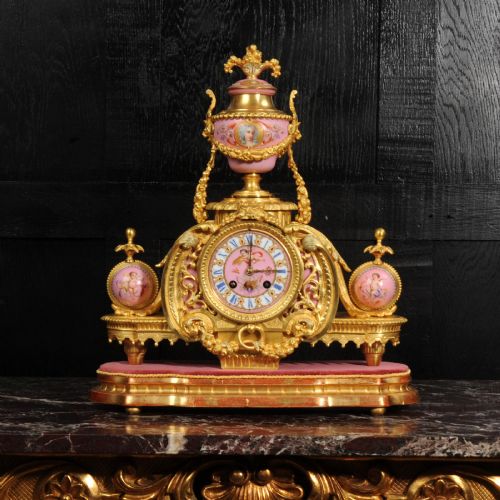
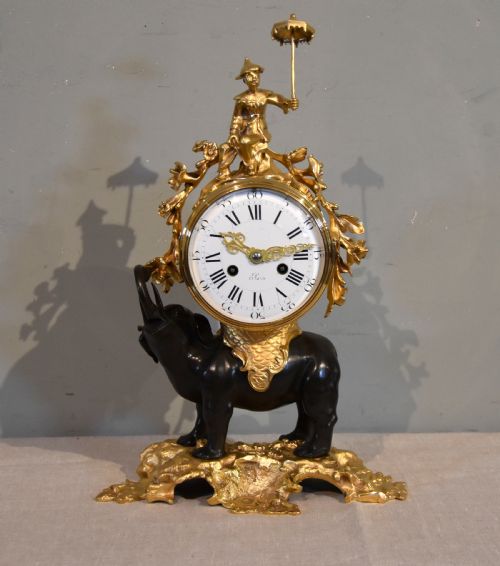
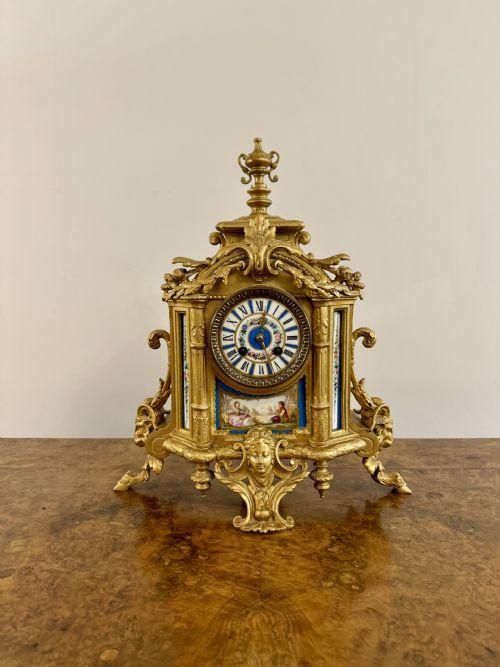
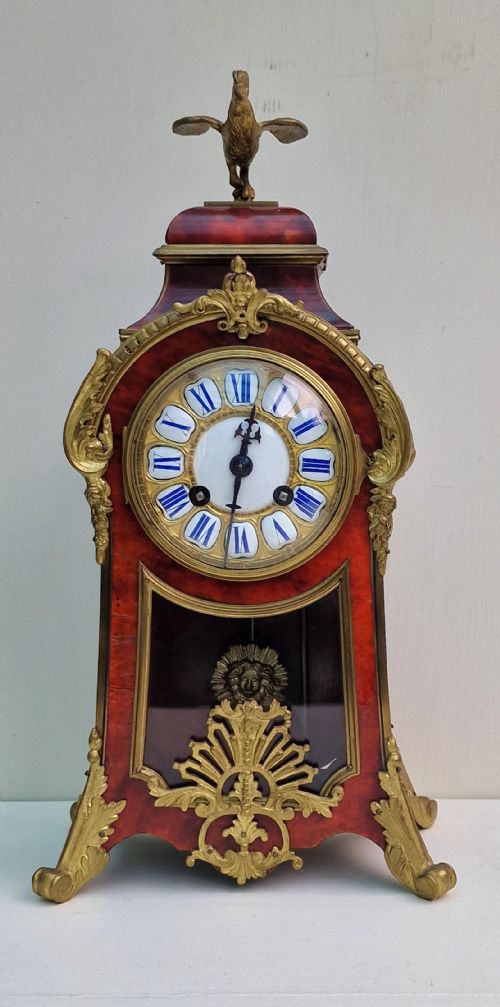
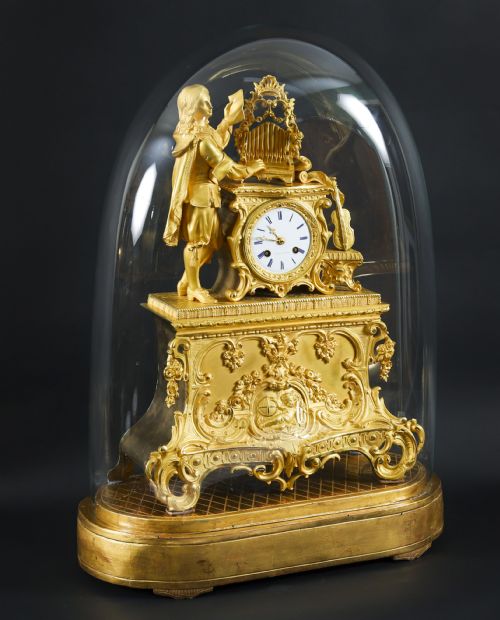
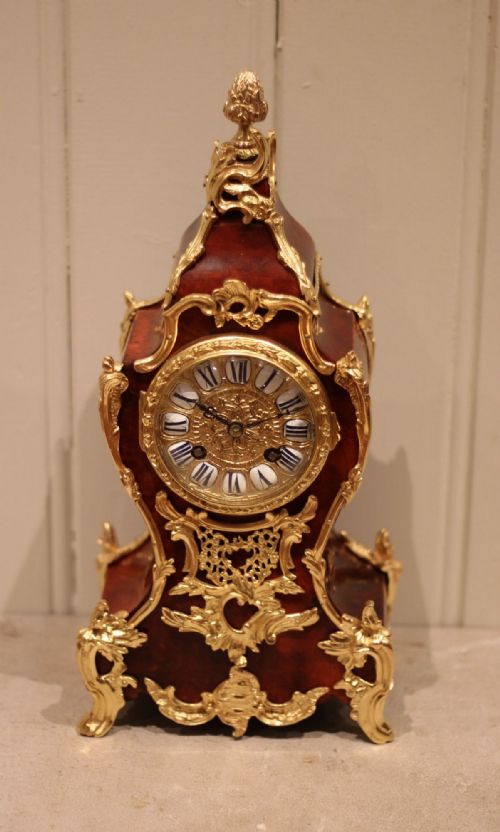
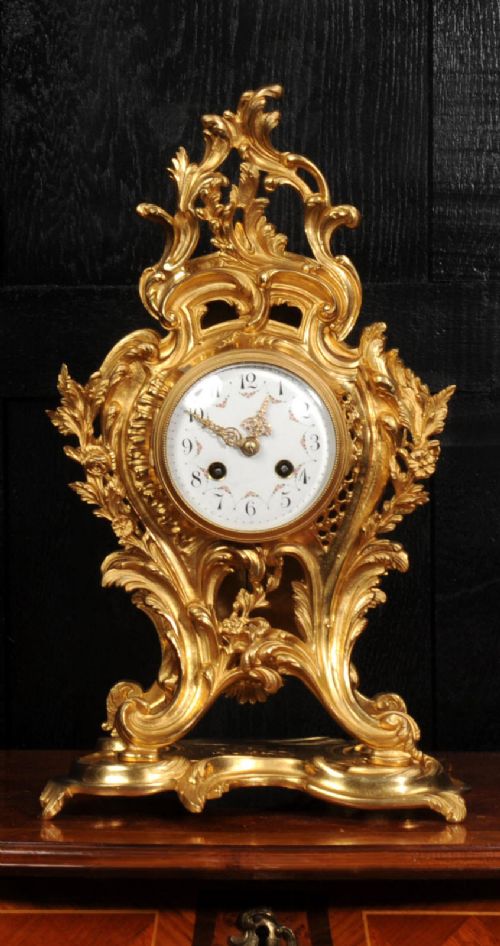
A louis xv gilt clock brings dramatic French Rococo movement, asymmetrical curves and brilliant metallic lustre into a room.
Louis XV Gilt Clock
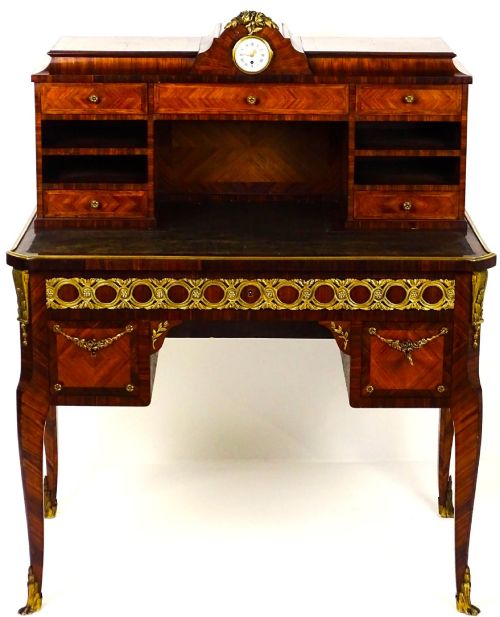
A louis xv gilt clock represents the peak of 19th-century French horological artistry, designed to dominate a mantelpiece or console table with sculptural presence. The pieces listed here emerge primarily from the Victorian era, spanning the decades between 1850 and 1900, though they faithfully recreate the spirited curves of earlier French periods.
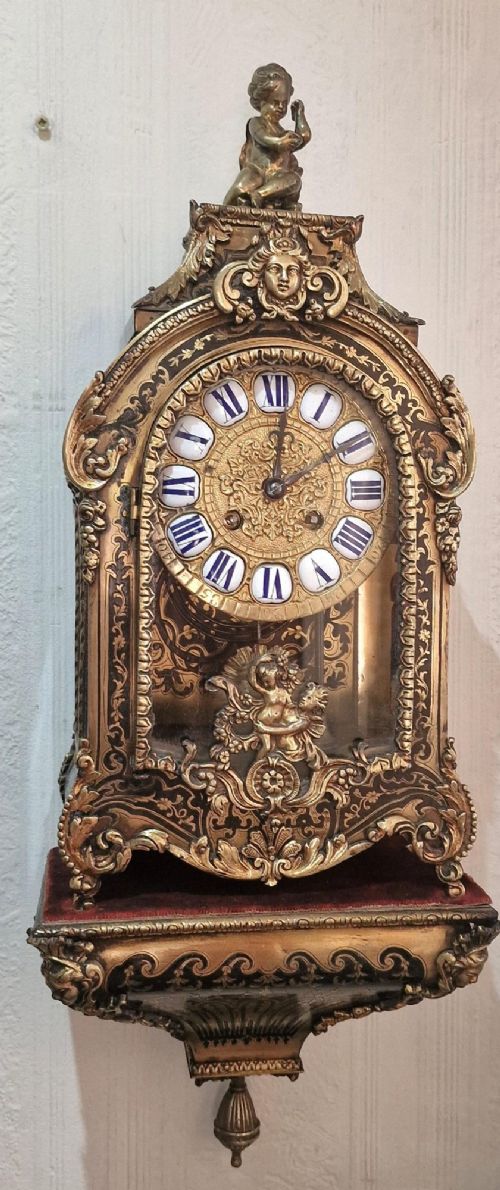
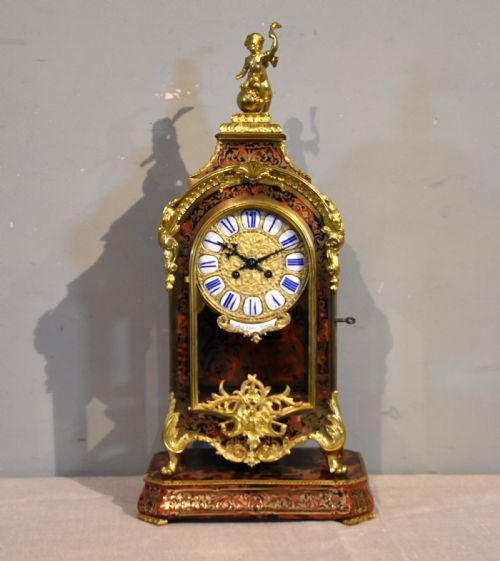
Most examples take the form of mantel clocks housed in elaborate cases of gilt bronze, brass or ormolu, frequently paired with matching candelabras to form complete garniture sets. Buyers will also encounter specialised variations including delicate porcelain-mounted boudoir pieces, architectural wall-hanging cartel clocks and occasional tall longcase clocks.
The dominant aesthetic draws heavily on French Rococo Revival and Louis XV styles, characterised by C-scrolls, naturalistic foliage and figurative motifs such as cherubs or putti. These domestic timepieces combined practical timekeeping with high interior status, serving as the visual anchor of a formal reception room.
How they were made
The cases rely on metal casting in bronze, brass or ormolu, treated with chemical or fire gilding to achieve a bright, enduring surface sheen. Foundries utilised skilled chiselling by hand to sharpen the fine details of asymmetrical scrollwork and floral reliefs after casting.
Many designs incorporate contrasting materials such as inlaid tortoiseshell in the Boulle technique, richly grained kingwood, or hand-painted Sèvres porcelain panels inset into the clock face and base. Enamel dials with delicate numerals provide a crisp, legible centrepiece amidst the surrounding metallic decoration.
What varies in quality
The distinction between ordinary and exceptional pieces lies in the crispness of the bronze chasing and the depth of the gilding. Superior examples exhibit hand-tooled definition in every leaf and scroll, whereas lesser items show the soft, generalized contours of secondary casts.
The integration of materials also dictates the tier of the piece, with matched porcelain plaques, genuine tortoiseshell veneer and signed movement maker plates elevating the overall standard. Clocks accompanied by their original matching candelabras represent a more complete and desirable survival of the maker's original vision.
Achille Brocot·Paul Sormani·Delettrez·Leroy Paris·Leon Message·Jollet et Cie·Samuel Marti·Japy Freres·Hausburg·Raingo Freres·Henri Picard·A.D. Mougin·Vincenti
The Louis XV Gilt Clock Glossary
- Ormolu
- A gilded bronze technique utilising finely ground gold mercury amalgams applied to a bronze base. This process creates the rich, warm metallic finish seen on the finest French clock cases.
- Garniture
- A set of decorative objects designed to be displayed together, typically comprising a central clock flanked by matching candelabras or urns. They create a balanced decorative arrangement on a mantelpiece.
- Boulle
- A style of marquetry consisting of tortoiseshell and brass inlaid in intricate arabesque patterns. Named after the famed cabinetmaker André-Charles Boulle, it adds dramatic dark and metallic contrast to clock cases.
- Cartel clock
- A wall-mounted clock housed in an ornate, asymmetrical frame of gilt metal or carved wood. These pieces project outward from the wall with elaborate scrollwork.
- Sèvres
- A type of fine French porcelain often incorporated into clock dials and panels. It is typically hand-painted with floral subjects against coloured backgrounds like cobalt blue.
Louis XV Gilt Clock: Frequently Asked Questions
How do these clocks keep time?
Most of these clocks operate using traditional mechanical movements driven by springs, often requiring a key wind every eight days to maintain accuracy. The pendulum regulates the beat, which can be adjusted via a small square arbor on the dial face.
Owning an antique movement means accepting minor variances in timekeeping compared to modern quartz clocks. Regular professional servicing ensures the brass gears and escapements continue to function smoothly without undue wear.
Where should I place a clock set?
These pieces were originally designed for prominent display on living room mantelpieces, dining room sideboards or grand entrance console tables. Placing them on a stable, level surface protects the delicate balance of the internal pendulum.
Avoid positioning them in direct sunlight or near active heat sources, as extreme temperature shifts can affect the wood veneers, tortoiseshell and lacquer finishes. Allowing adequate clearance lets the accompanying candelabras sit harmoniously alongside the main timepiece.
How do I identify the style period?
Style identification relies on examining the decorative vocabulary, where Louis XV pieces favor asymmetrical Rococo curves, C-scrolls and naturalistic floral motifs. Later 19th-century revivals frequently blend these elements with Victorian manufacturing techniques, visible in the construction of the interior brass backplates.
Maker signatures stamped onto the movement plates provide a reliable chronological anchor for dating the piece. Comparing the casting sharpness against known production decades helps distinguish mid-century works from later decorative revivals.
What is a clock garniture?
A garniture is a matching ensemble consisting of a central mantel clock accompanied by two side pieces, such as candelabras or decorative urns. These sets were created to unify the decorative scheme of a formal room, providing symmetry on a grand mantelpiece.
Finding a complete, matching set is particularly desirable for collectors because individual components often became separated over generations. The materials, gilding tone and decorative motifs should match precisely across all pieces in the set.