
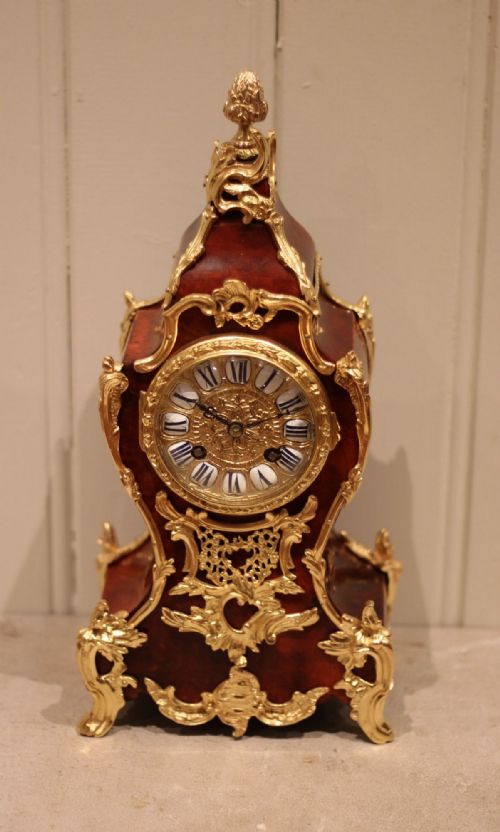


Louis XV Boulle Clock
A louis xv boulle clock brings the striking tortoiseshell and cut brass of the French revival straight to the mantelpiece.
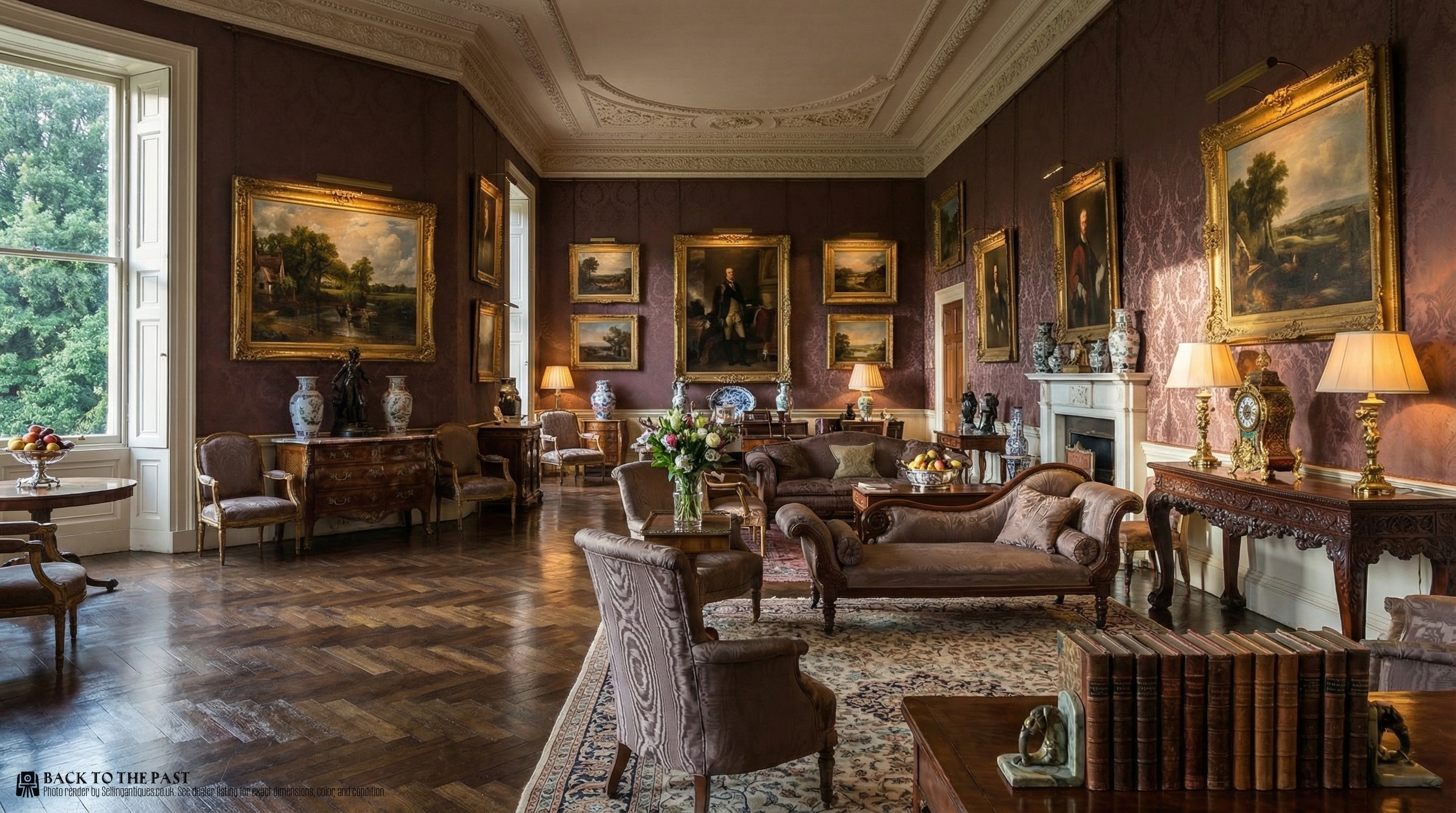
Louis XV Boulle Clock
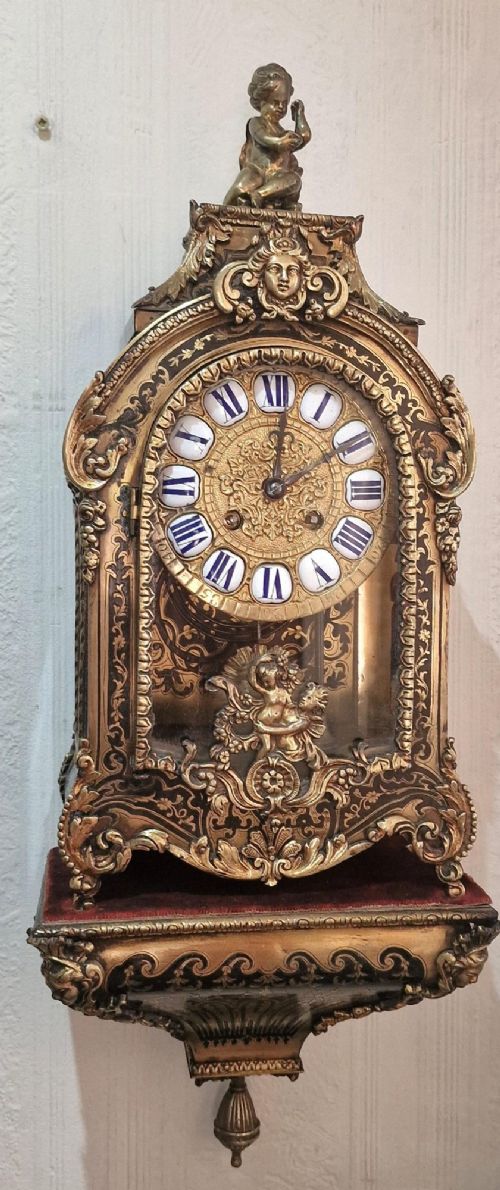
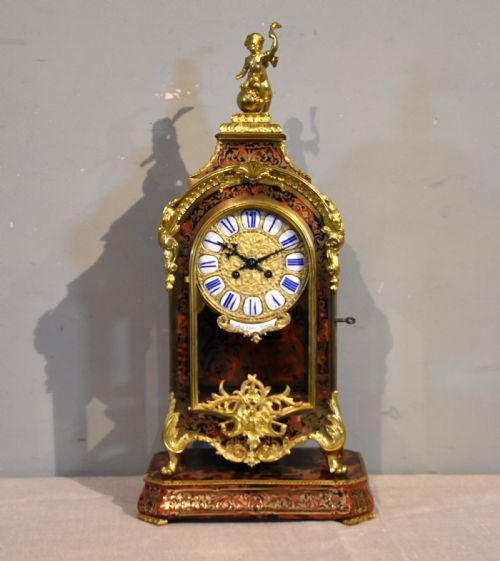
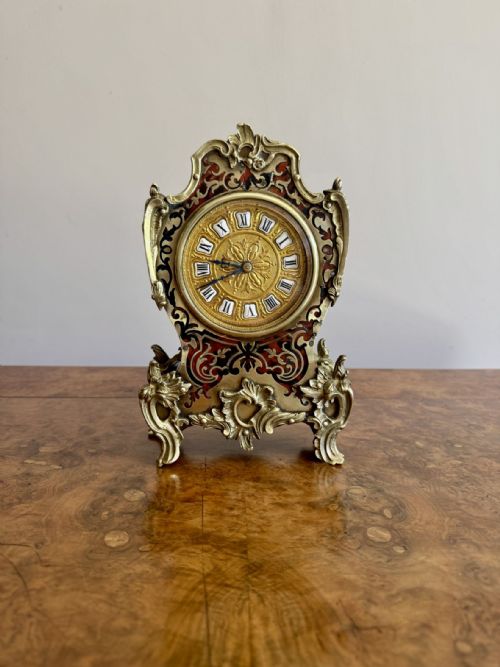
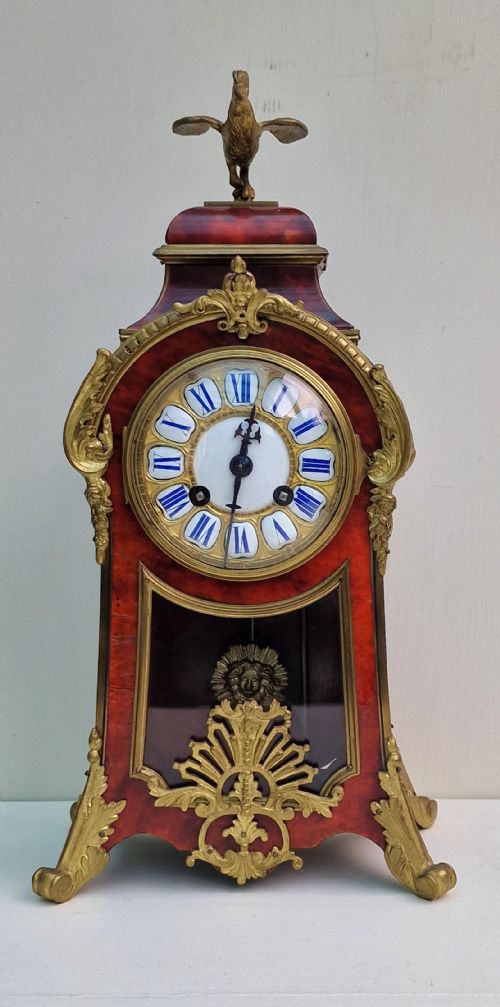
A louis xv boulle clock is typically a mantel clock, wall bracket clock or pedestal clock originating from the nineteenth century. Most examples seen here date from the Victorian era, spanning decades such as eighteen eighty and eighteen ninety.
The aesthetic draws heavily on French Rococo revival and Louis XV styles. These pieces often feature waisted cases or matching brackets designed to sit prominently in a room.
Makers recorded in past archives include Samuel Marti, Vincenti and Japy Freres. Their work defines the standard forms available to collectors today.
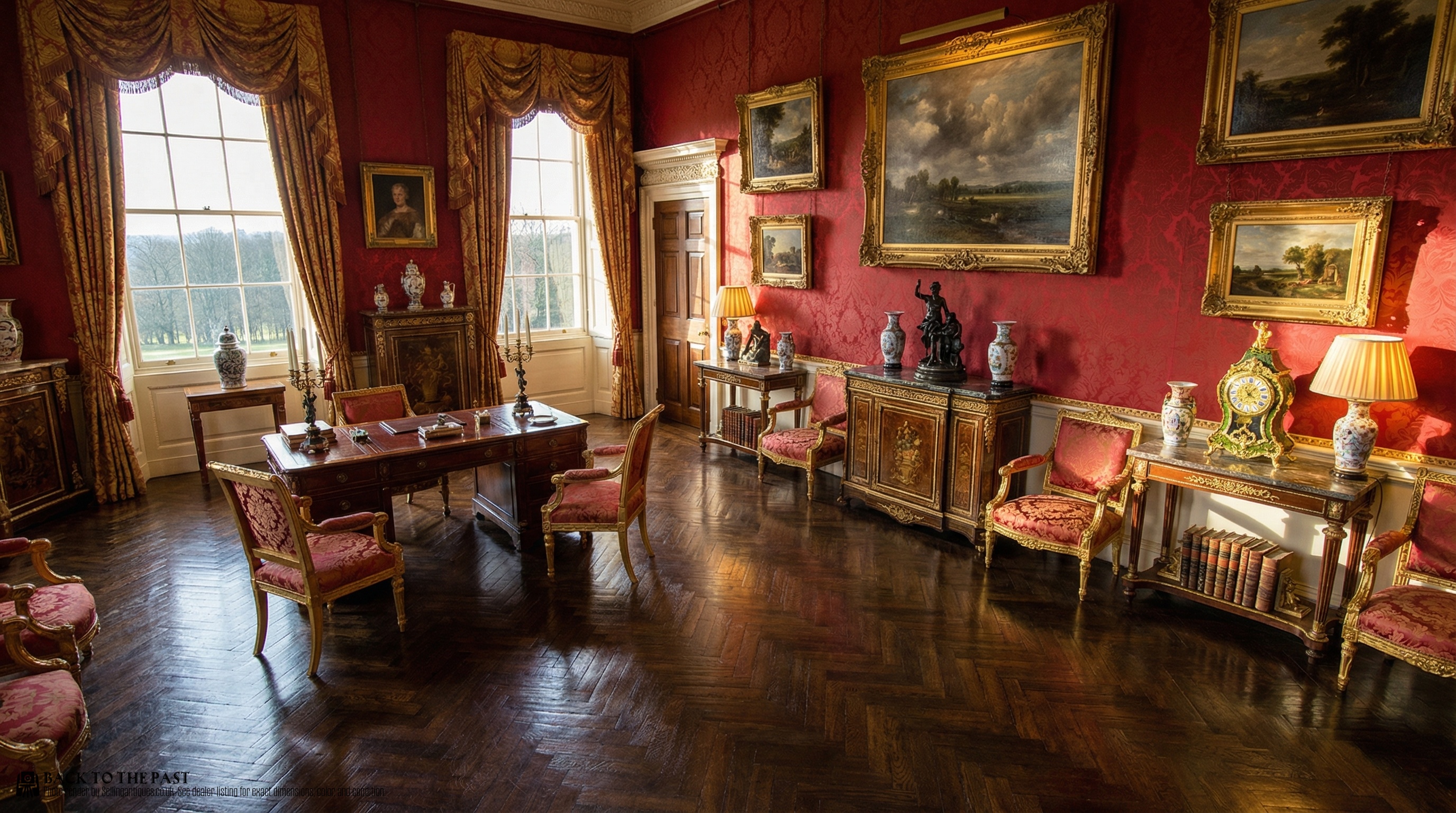
How they were made
The defining technique involves tortoiseshell veneer, sometimes stained green, paired with cut brass marquetry known as Boulle work. Artisans set these materials into wooden cases to create intricate geometric and floral patterns.
Ormolu and gilt bronze mounts provide structural accents and decorative feet, cast and chased in elaborate Rococo motifs. Enamel dials and glass covers complete the mechanical assemblies, which frequently house eight-day movements.
Listings feature nineteenth-century French mantel clocks utilising tortoiseshell, cut brass, ormolu and stained horn.
What varies in quality
Quality rests upon the precision of the brass and tortoiseshell marquetry. Finer examples display tight, seamless joins in the cut metal and shell, whereas lesser pieces show wider gaps filled with heavy adhesive or simpler engraving.
The standard of the ormolu mounts dictates the tier of the piece. Crisp, heavily chased gilt bronze distinctively separates superior mantel clocks from simpler moulded alternatives.
Samuel Marti·Vincenti·Japy Freres·A.D. Mougin
The Louis XV Boulle Clock Glossary
- Boulle
- Marquetry technique using brass and tortoiseshell inlaid together. This method was perfected by André-Charles Boulle and revived extensively in nineteenth-century France.
- Ormolu
- Gilt bronze mounts applied to furniture and clock cases. The technique involves treating brass with an amalgam of mercury and gold.
- Marquetry
- Decorative veneer work forming pictures or patterns on a wooden core. Craftsmen use thin sheets of wood, metal and shell.
- Rococo Revival
- Nineteenth-century design movement mimicking eighteenth-century French asymmetry and scrollwork. This style dominates the ornamentation of these clocks.
- Bracket clock
- A clock designed to sit on a matching wall bracket or shelf. Many nineteenth-century versions include both components together.
Louis XV Boulle Clock: Frequently Asked Questions
What periods do these clocks come from?
These clocks belong to the nineteenth century, with strong representation from the Victorian period around eighteen eighty and eighteen ninety. The aesthetic mirrors eighteenth-century French design.
Craftsmen of the later period revived these decorative techniques for European interiors.
How do mantel and bracket clocks differ?
Mantel clocks stand directly on flat surfaces like a fireplace ledge or a shelf. Bracket clocks often come with an associated hanging wall bracket for elevation.
Both forms share the same intricate brass and tortoiseshell marquetry construction.
What materials make up the case?
Cases utilise wooden structures veneered with tortoiseshell, natural or stained green, and inlaid with cut brass. Gilt bronze or ormolu mounts frame the edges.
Enamel dials and protective glass bezels enclose the clock face.
Are these clocks eight-day movements?
Many listings specify eight-day movements that require winding roughly once a week. They rely on traditional mechanical gear trains rather than quartz.
Clockmakers such as Samuel Marti and Japy Freres supplied these reliable internal mechanisms.