




Long Wool Carpet
A long wool carpet brings warmth and substance to a hallway or landing through enduring textile traditions.
Long Wool Carpet
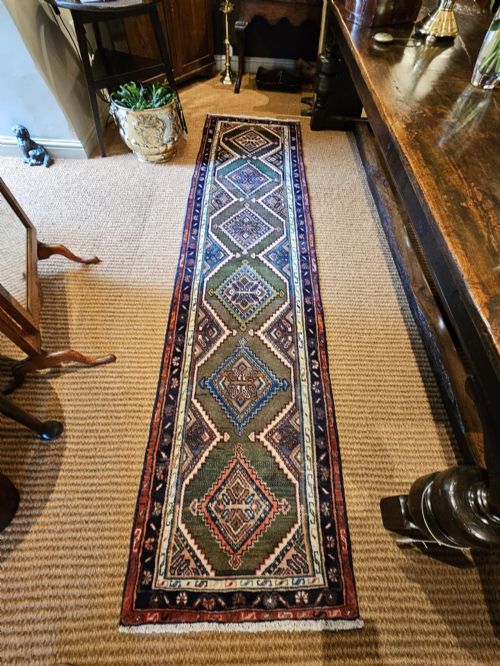
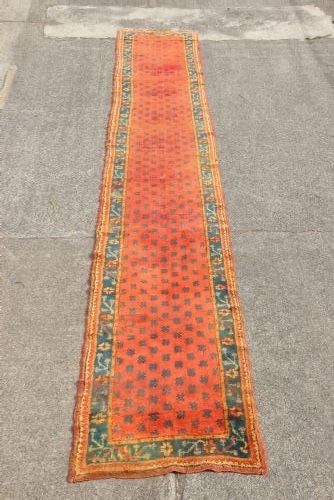
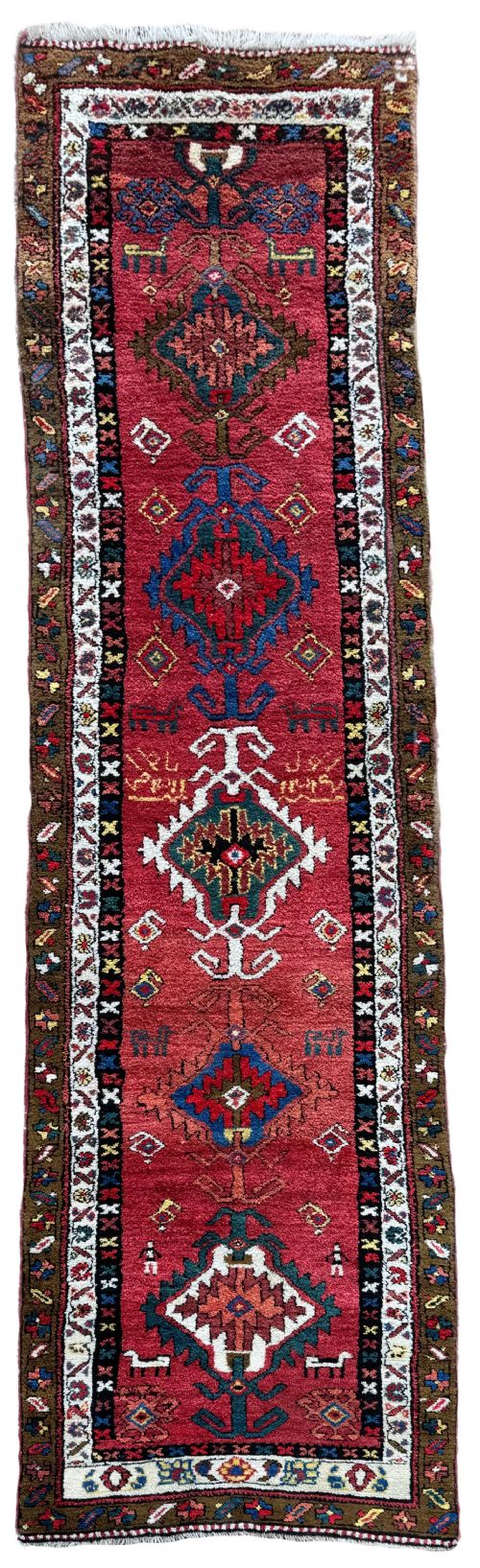
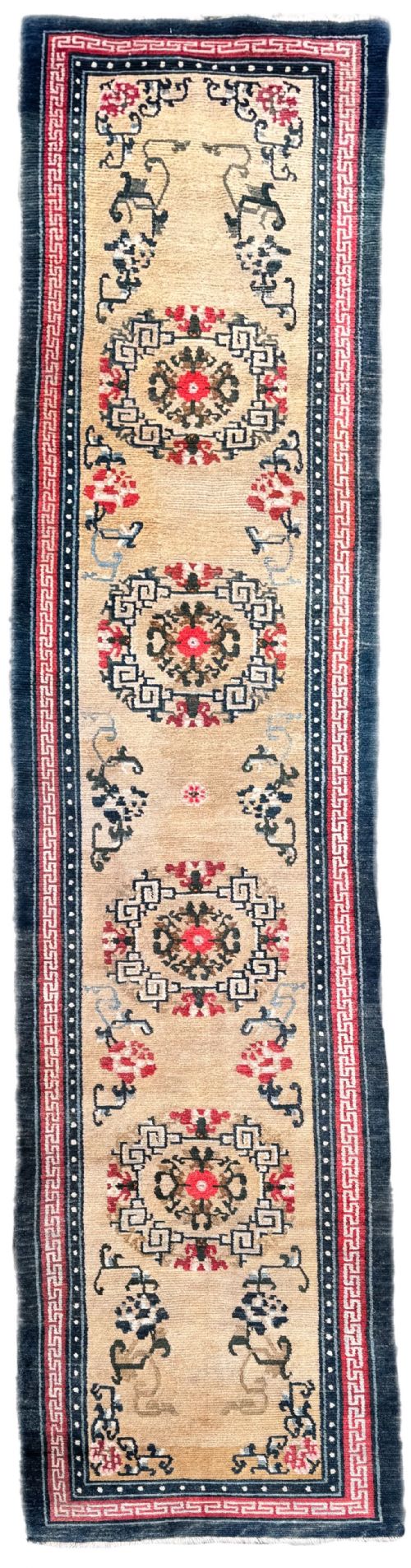
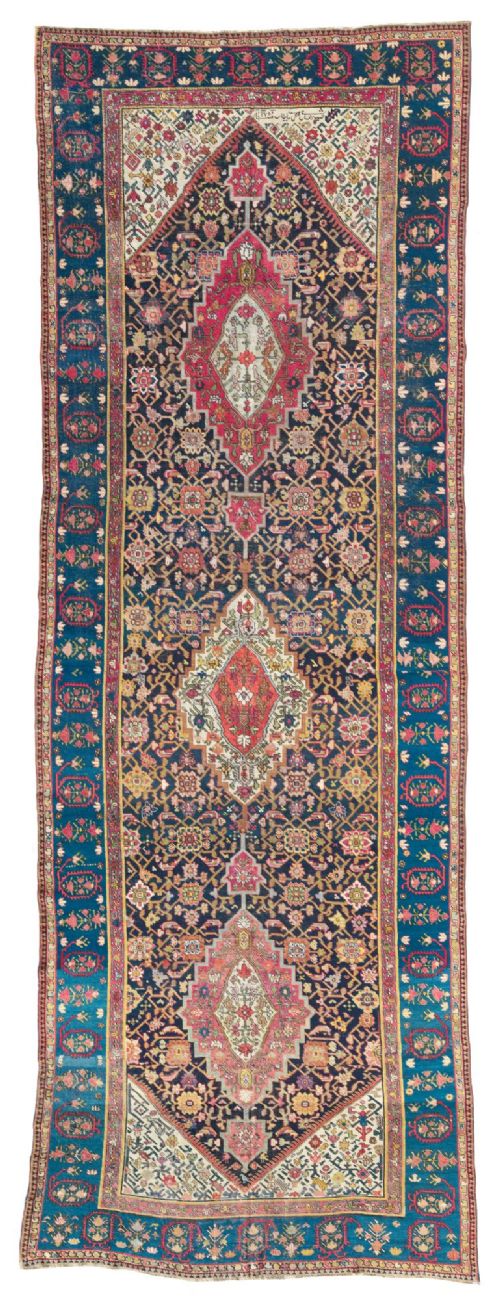
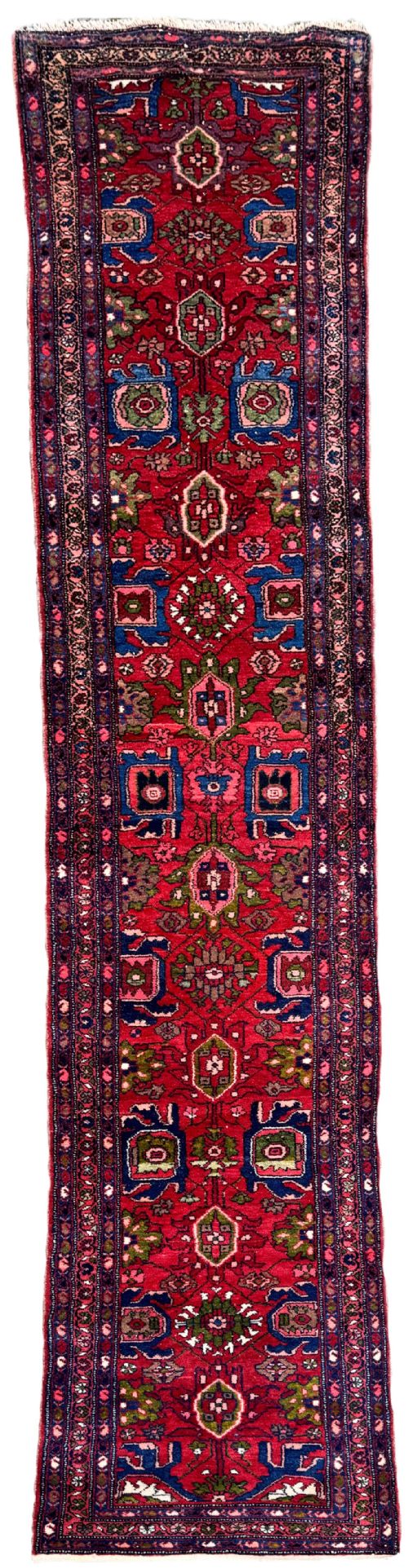
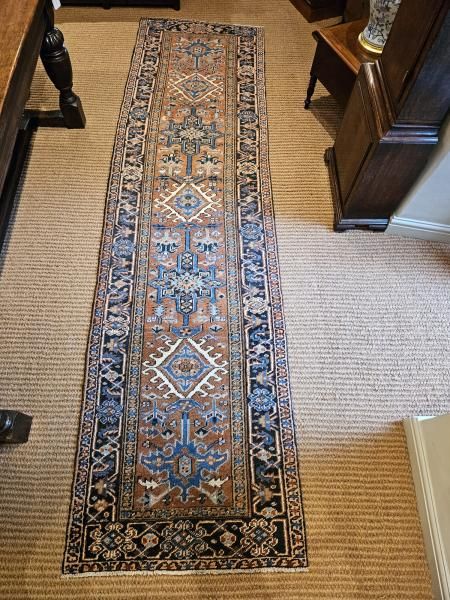
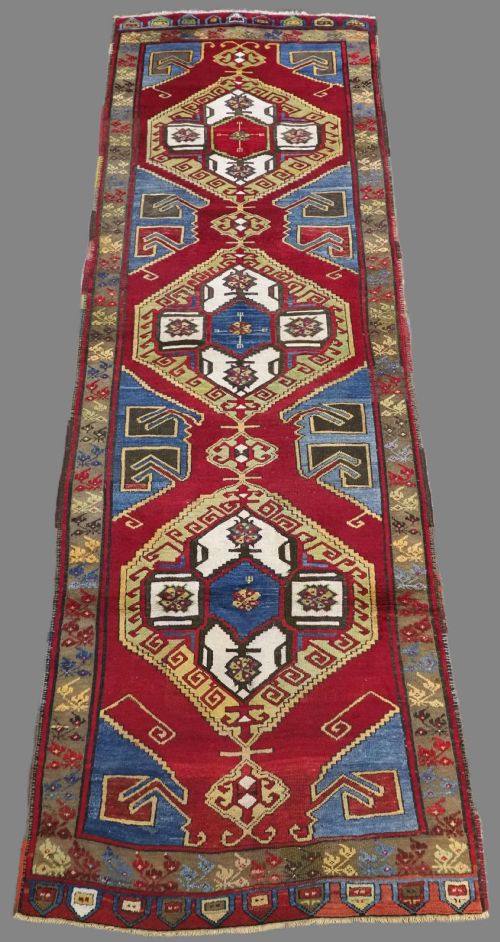
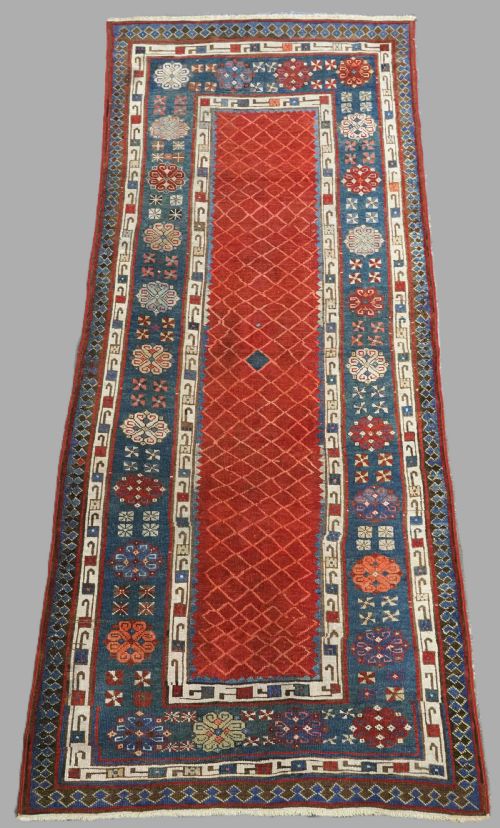
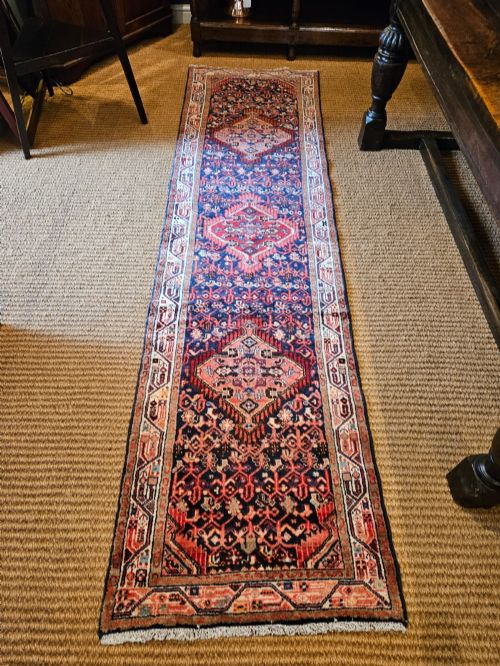
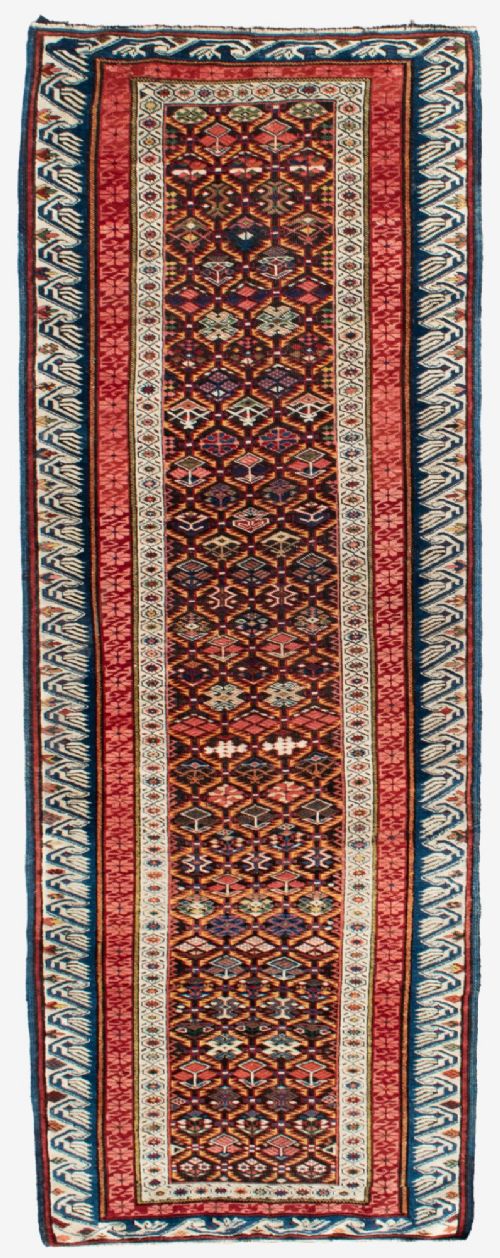
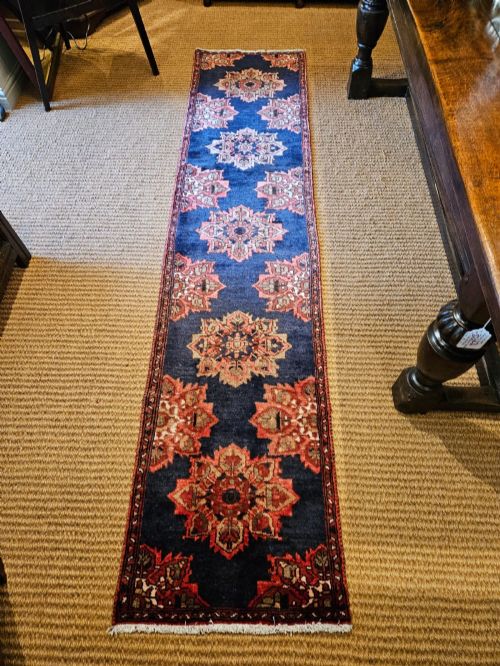
A long wool carpet functions primarily as a runner or extended floor covering designed for corridors, halls and large rooms. Buyers seeking a long wool carpet typically encounter antique pieces spanning the nineteenth and early twentieth centuries, originating from Persian, Caucasian, Turkish, Kurdish and broader regional weaving traditions.
The format encompasses narrow runners, long rugs and kelims built to span significant floor lengths. Pieces range from modest nineteenth-century examples to substantial country house runners exceeding several metres in length.
Regional origins dictate the visual vocabulary, moving from geometric Caucasian lattice designs to intricate Persian Heriz, Bidjar and Kurdish patterns. These floor coverings provide practical foot traffic solutions while anchoring interior spaces with traditional motifs.
How they were made
Makers utilised natural wool and hand-spun wool fibres, occasionally combined with cotton foundations, to construct these carpets on traditional looms. The physical weight and durability derive from dense pile knots or flatweave structures designed to withstand daily wear in busy passages.
Dyers employed natural dye stuffs to achieve deep navy blues, olive greens and rich field tones that patinate gracefully over decades of use. Weavers knotted or wove the wool by hand, incorporating tribal motifs, geometric medallions and lattice structures directly into the textile matrix.
Recorded origins include Persian, Caucasian, Turkish, Kurdish, Tibetan, Moroccan and Afghan traditions, demonstrating diverse regional weaving methods.
What varies in quality
Quality rests upon the density of the wool weave, the precision of the tribal or regional design execution, and the integrity of the structural foundation. Finer knotting and careful handling of natural dyes distinguish superior examples from standard utility pieces.
Condition and scale further define the tier of a carpet, where substantial length combined with intact borders and minimal structural intervention separates museum-grade textiles from heavily distressed room-sized runners.
The Long Wool Carpet Glossary
- Runner
- A long, narrow carpet format specifically proportioned for hallways, corridors and staircases. These pieces measure significantly longer than they are wide.
- Kelleh
- A large rectangular carpet format, typically longer than a standard rug but broader than a runner. It serves prominent floor spaces in traditional settings.
- Gul
- A medallion or repeating octagonal motif commonly found in Turkmen and related tribal weaving traditions. Each emblem identifies specific tribal groupings and design lineages.
- Mina Khani
- An all-over repeating pattern composed of stylized flowers linked by a lattice network. This classical Persian design appears frequently on antique Kurdish and regional runners.
- Kilim
- A flatweave textile produced without a pile by tightly interweaving warp and weft strands. These pieces offer lighter floor coverage and distinct geometric aesthetics.
Long Wool Carpet: Frequently Asked Questions
Where should I place a long wool carpet?
These runners suit extended hallways, landings, wide corridors and long gallery spaces where linear floor coverage is required.
The substantial length handles heavy foot traffic while introducing traditional texture and pattern to transitional architectural zones.
How do I identify a regional carpet style?
Regional identity appears through distinct colour palettes, border arrangements and specific geometric or floral motifs. Caucasian pieces often display sharp geometric lattices, whereas Persian weaves favour curved floral medallions.
Studying the specific knotting structure and field design helps separate Anatolian, Kurdish and Caucasian traditions.
Are these carpets made with natural materials?
The pieces utilise traditional wool, hand-spun wool and cotton foundations dyed with natural colorants. These organic materials respond well to gentle maintenance and develop a softer appearance over time.
Synthetic fibres remain absent from these antique textile traditions.
How do I care for an antique runner?
Regular gentle vacuuming without a rotating brush roll prevents dust accumulation within the wool pile. Professional cleaning suited for antique textiles preserves the natural lanolin and dye stability.
Using an appropriate underlay prevents slipping and reduces friction against the floor surface.