


Long Narrow Runner Carpet
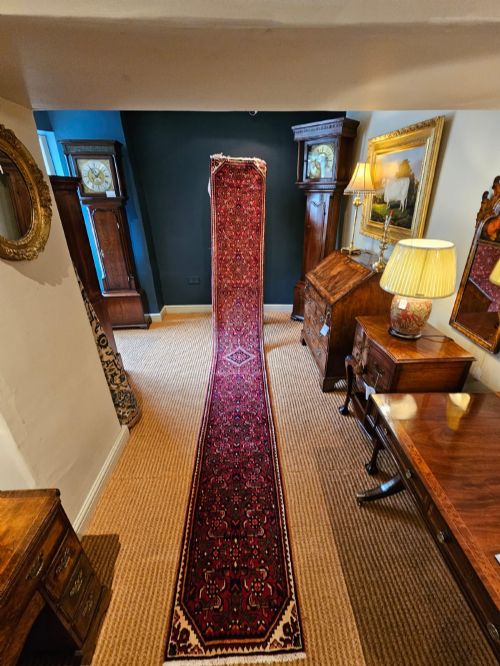
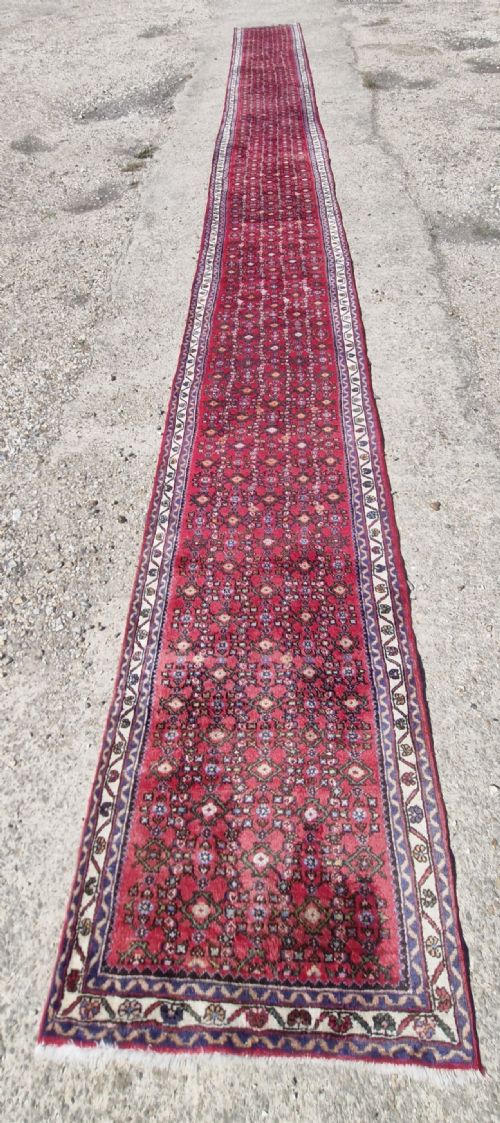
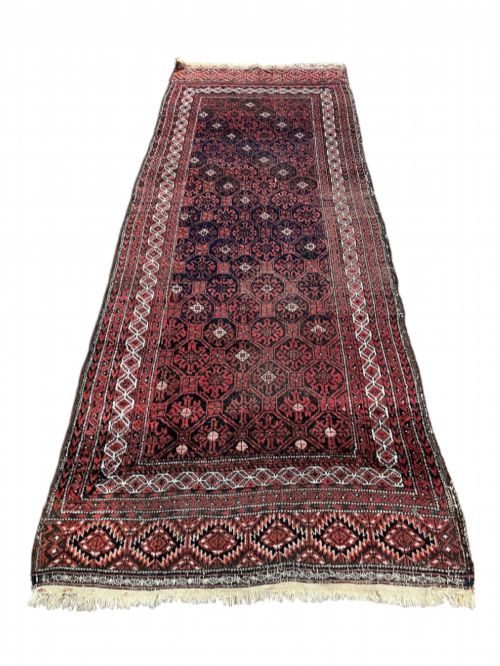
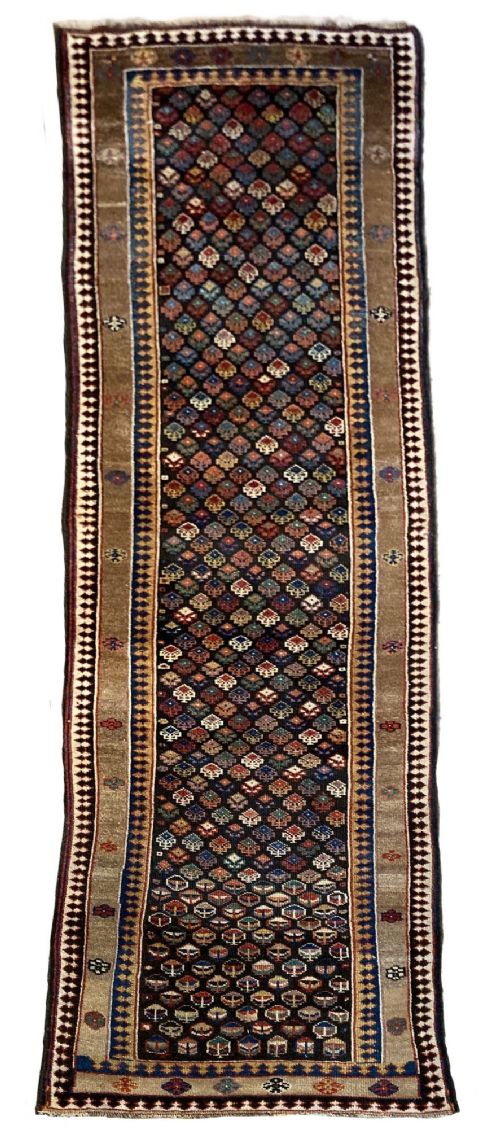
A long narrow runner carpet spans hallways and landings with traditional Persian, Turkish, and tribal designs woven in wool.
Long Narrow Runner Carpet
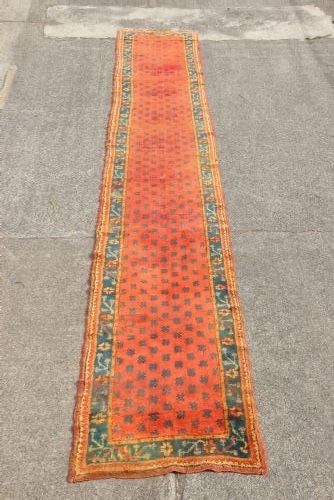
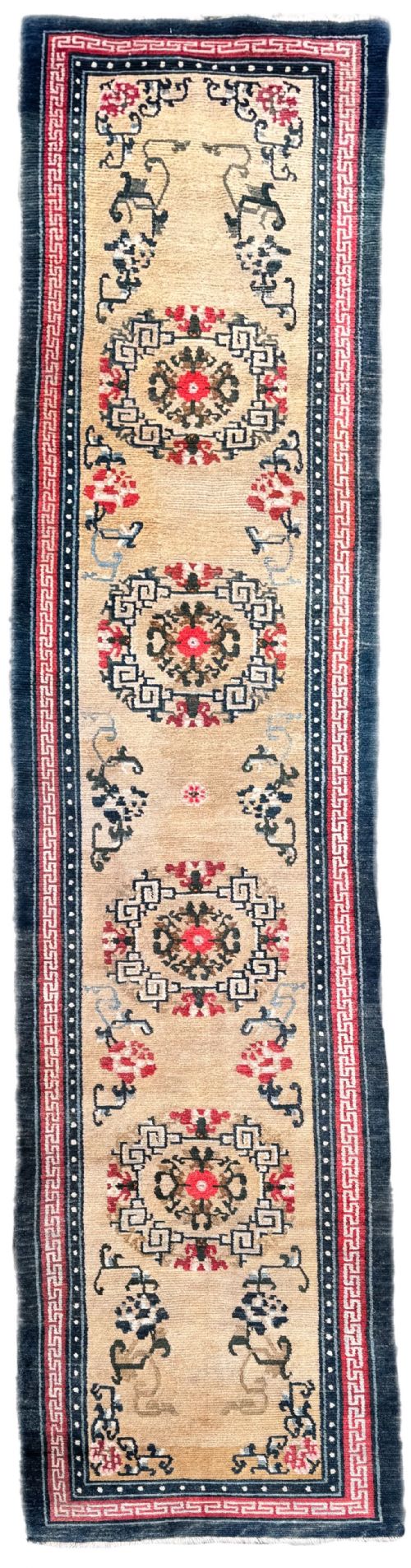
A long narrow runner carpet serves narrow spaces like corridors, halls, and landings, stretching several metres while keeping a restricted width. The selection relies heavily on traditional Persian and Turkish origins, alongside Moroccan Berber and Tibetan examples.
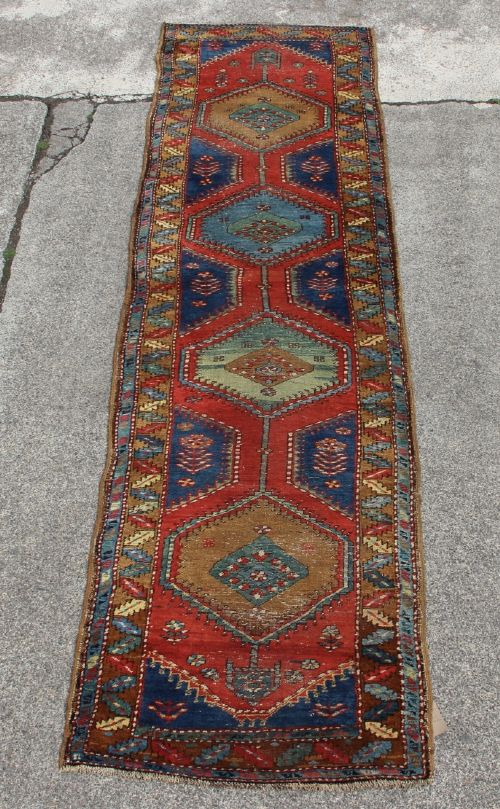
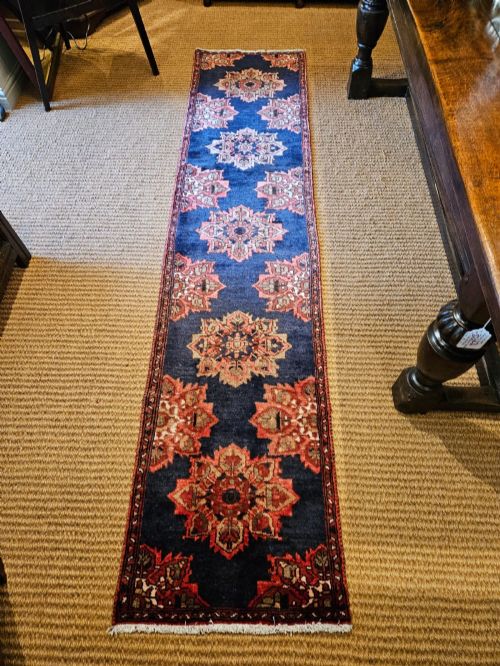
Makers shaped these textiles from the late nineteenth century through to the mid-twentieth century, employing styles such as Heriz, Hamadan, and Kurdish tribal designs. Dimensions vary from short hallway pieces to grand installations extending past nine or fourteen feet.
Geographic variations dictate the patterns seen on the floor, ranging from geometric Caucasian Shirvan layouts to curvilinear Sarouk compositions. Buyers encounter wool and camel hair constructions suited for high-traffic domestic environments.
Materials and construction methods
Weavers utilised natural materials, relying on wool, hand-spun wool, and cotton foundations to build durable pile and flatweave surfaces. Camel hair occasionally appears in the pile, adding a distinct texture and natural tone to the weave.
The construction involves hand-knotting and flatweaving techniques executed across regional workshops and nomadic encampments. Dyes derived from natural sources provide the deep navy blues, reds, and olive green backgrounds recorded in the listings.
Listings feature wool, cotton, and camel hair runners produced across the nineteenth and twentieth centuries.
Grading quality in floor runners
Knot density and structural tightness dictate the resilience of the carpet underfoot, distinguishing finer urban workshop pieces from coarser tribal work. Precision in the geometric drawing and consistency in the hand-spun wool yarns indicate higher standards of production.
The clarity and depth of natural dyes separate standard utility carpets from superior examples that retain vibrant hues and complex designs. Edge finishing and the integrity of the cotton or wool foundation determine how straight the long narrow runner carpet lies along a hallway.
The Long Narrow Runner Carpet Glossary
- Pile
- The upright yarn loops or cut ends that form the surface of the carpet. This layer absorbs foot traffic and displays the woven pattern.
- Kilim
- A flatweave carpet made without a raised pile. These items offer a thinner profile on the floor.
- Warp
- The vertical threads stretched lengthwise on the loom before weaving begins. Cotton and wool serve as the primary materials for this structural base.
- Weft
- The horizontal threads passed through the warp to lock the knots in place. This grid provides the underlying stability of the textile.
Long Narrow Runner Carpet: Frequently Asked Questions
Where should I place a long narrow runner carpet?
These carpets suit long hallways, narrow landings, and corridors where standard rectangular rugs do not fit. Their extended proportions direct movement down a passage while protecting wooden or tiled floors.
Positioning them away from direct exterior moisture preserves the natural wool and cotton materials. A suitable underlay helps keep the runner stable in high-traffic hallways.
How do I identify the origin of my runner?
Regional characteristics in the border motifs, knotting structure, and colour palettes point to specific production areas like Heriz, Hamadan, or Ushak. Tribal pieces often display geometric symbols, whereas city workshops tend towards detailed floral medallions.
Examining the selvedges and the materials used in the foundation provides further clues to the geographic source. Comparing the weave density helps distinguish between village work and nomadic output.
Are these carpets made from pure wool?
Many examples utilise wool or hand-spun wool for the pile, frequently paired with cotton foundations for stability. Camel hair also appears in specific tribal and regional weaves.
Natural fibres provide durability and resilience for everyday domestic use. Examining the individual listings reveals the exact material composition for each piece.
How do I care for an antique runner?
Routine gentle vacuuming without a rotating brush roll removes surface dust from the wool pile. Professional cleaning maintains the natural dyes and prevents fibre degradation over time.
Rotating the runner periodically balances wear across the length of the carpet. Keeping the piece out of harsh direct sunlight preserves the original tones of the dyes.