

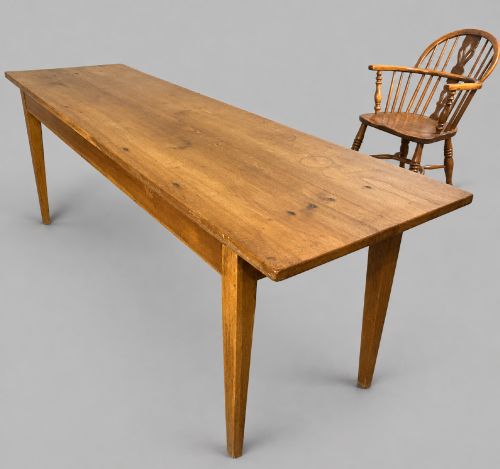
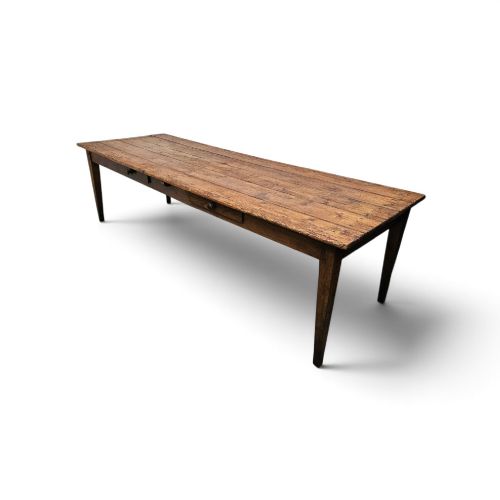
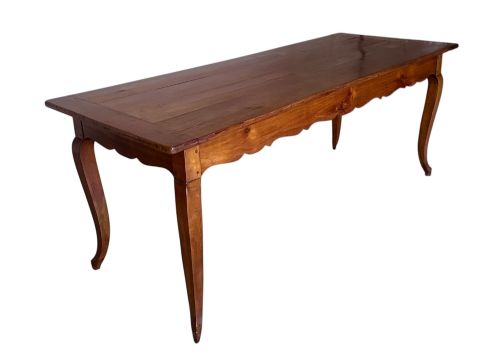
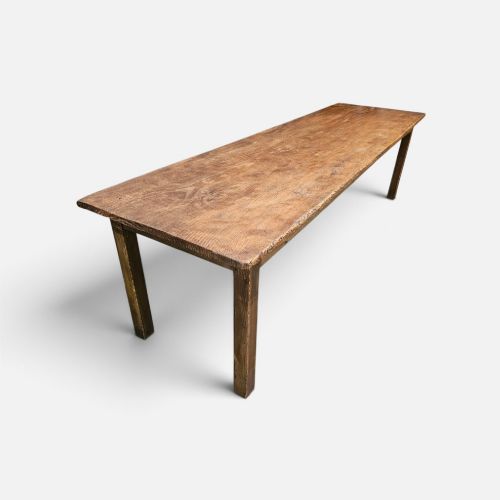


Long Harvest Table
A long harvest table provides the generous proportions and sturdy presence needed for large gatherings.
Long Harvest Table
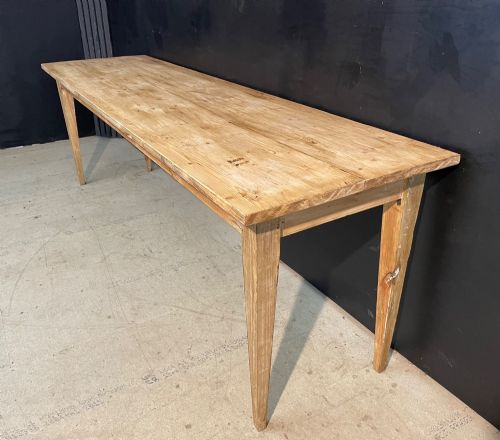
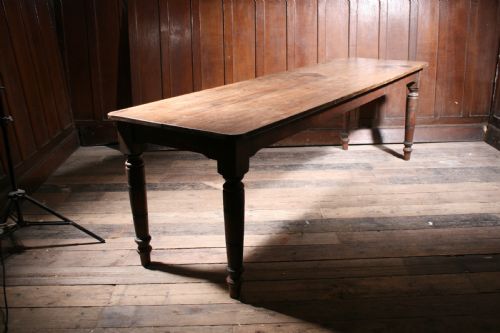
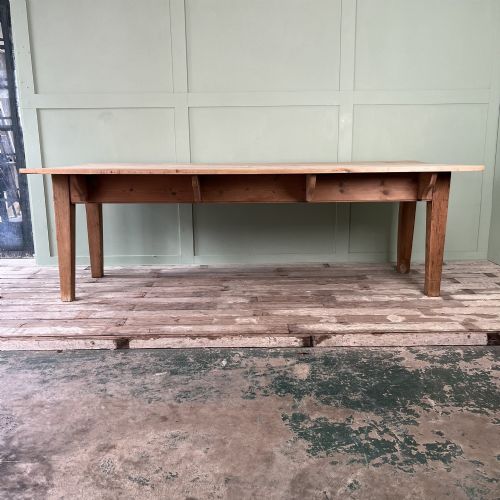
When you search for a long harvest table, you encounter robust dining furniture designed historically for communal meals and work in large country kitchens. These pieces span periods from the 17th century through the Victorian era and into the early 20th century, originating primarily from French and British regional workshops. The examples found here range from rustic pine and poplar to substantial oak, fruitwood, beech, and elm.
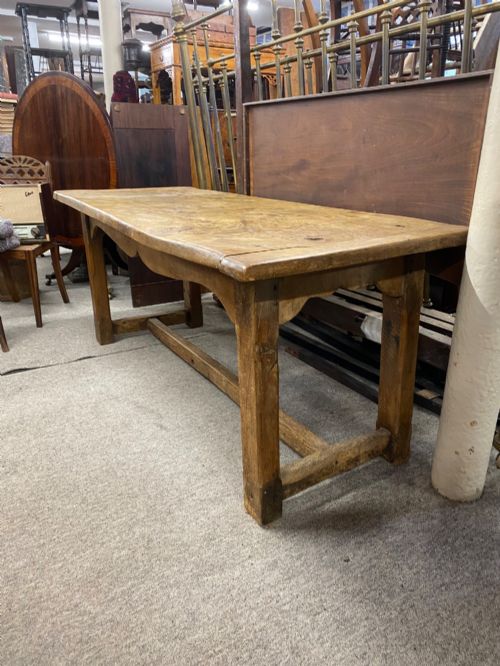
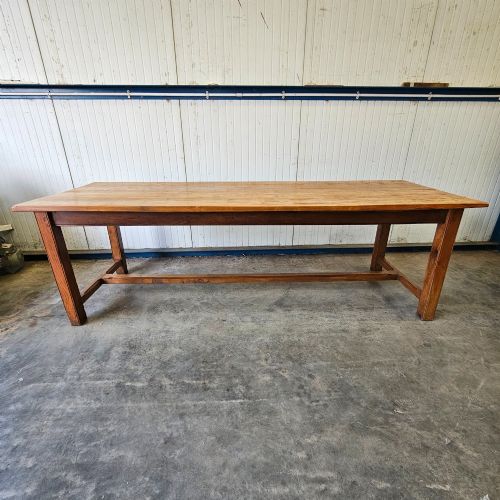
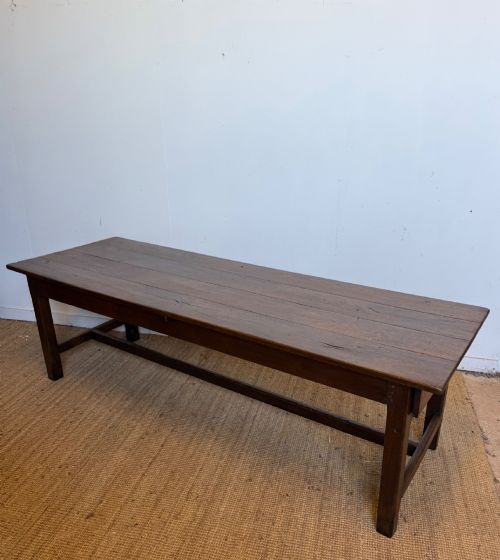
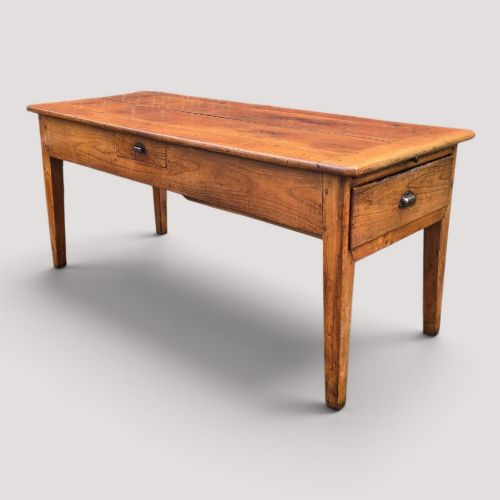
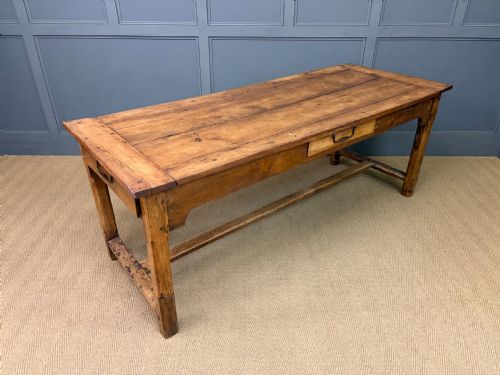
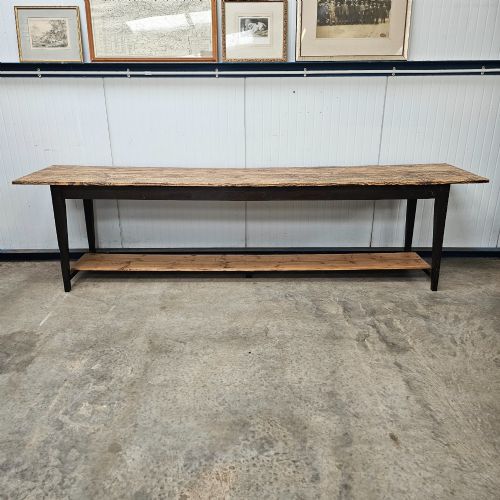
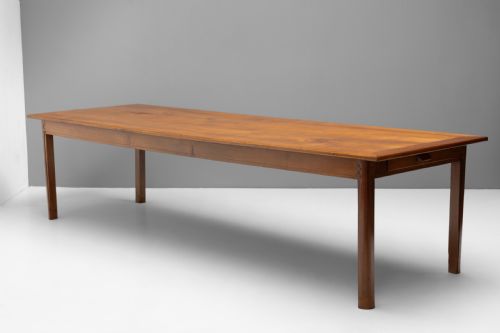
The version you are most likely to meet on this page is a substantial timber dining table, often featuring stretcher bases or multi-plank tops. Proportions frequently exceed standard dining lengths, accommodating numerous guests for dining or kitchen use. Styles lean toward rustic farmhouse, refectory forms, French provincial, and country traditions.
How they were made
Makers constructed these tables using solid native timbers such as oak, pine, elm, and fruitwood like cherry and beech. Planks were selected for thickness and durability, then joined with traditional woodworking techniques to withstand heavy daily use. Iron and brass hardware occasionally appeared in structural fixings and stretchers.
Surface finishes relied on natural oils, wax, or simple historical coatings that allowed the grain of the wood to show. Construction often incorporated sturdy H-stretchers or refectory framing to provide stability across extended lengths.
Long Harvest Table Retail Price Guide 2026
Typical asking prices for long harvest table among the pieces listed under this phrase on Sellingantiques today, from the lower quarter to the upper quarter. They describe what is for sale here now, not the wider market.
Listings feature oak, pine, elm, fruitwood, and beech across periods spanning the 17th century to the early 20th century.
What varies in quality
Quality in a long harvest table lies in the integrity of the timber selection and the structural balance of the base. Dense hardwoods like oak and elm offer greater longevity than softer woods like pine, though all benefit from solid plank construction. The harmony of proportions across an extended length determines visual success.
The refinement of the joinery and the preservation of original timber surfaces distinguish standard utility pieces from finer country examples. Tables retaining their original stretchers, patinated tops, and honest regional construction hold greater interest for collectors.
The Long Harvest Table Glossary
- Refectory table
- A long narrow dining table originally built for monastic or large household dining halls. These forms feature substantial legs connected by low stretchers for added stability.
- H-stretcher
- A horizontal wooden brace shaped like the letter H that connects the legs of a table underneath. This component prevents the legs from wobbling under heavy weight.
- Fruitwood
- Timber sourced from fruit-bearing trees such as cherry, pear, or apple. It offers a fine grain and warm tone prized in country furniture.
- Twin plank
- A tabletop constructed from two wide parallel boards joined lengthwise. This method creates a stable surface while displaying broad expanses of wood grain.
Long Harvest Table: Frequently Asked Questions
How do I choose the right length?
Consider the room dimensions and the number of regular seats required for dining. Long harvest tables scale upward significantly, so measure floor space carefully.
Allow ample clearance around all sides for chairs and movement to ensure the table sits comfortably within the room.
Are these tables suitable for daily dining?
These tables were built for heavy domestic use and kitchen work, making them exceptionally durable for everyday meals. Solid timber surfaces handle active family life with ease.
Routine care involves simple cleaning and occasional waxing to maintain the condition of the wood over time.
How do I identify the wood type?
Examine the grain pattern, colour, and weight of the timber visible on the top and legs. Oak displays distinctive medullary rays, while pine is softer with knots.
Fruitwoods like cherry and beech present smoother textures and warmer reddish or pale yellow tones depending on the species.
What is a refectory base?
A refectory base utilises straight legs joined near the floor by long longitudinal stretchers. This design distributes weight evenly across the entire length of the table.
Historically developed for long monastic dining halls, this configuration provides robust structural support for heavy timber tops.