


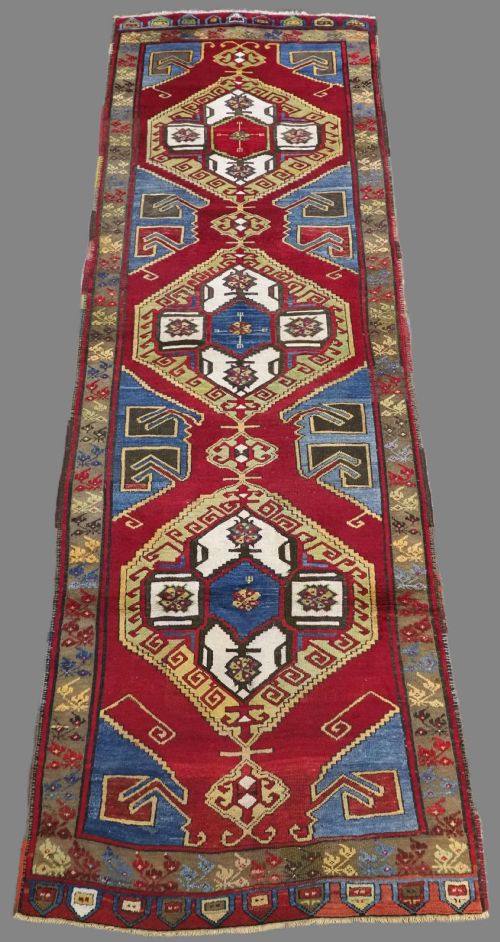
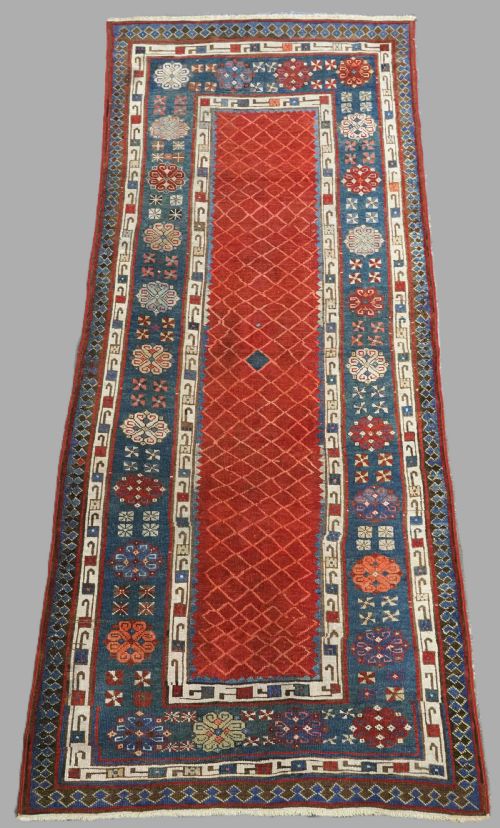
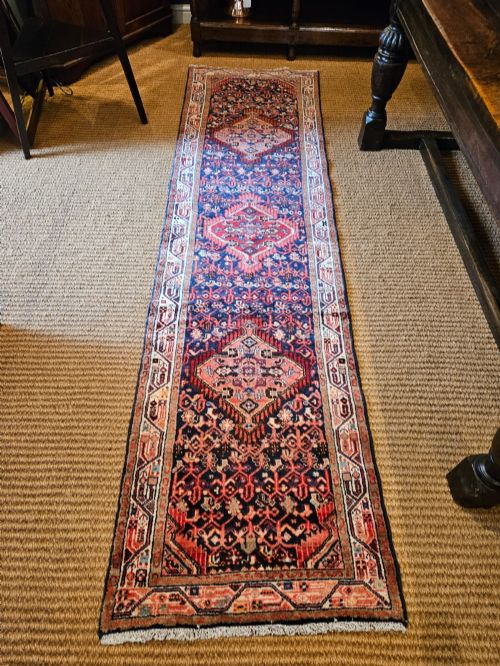
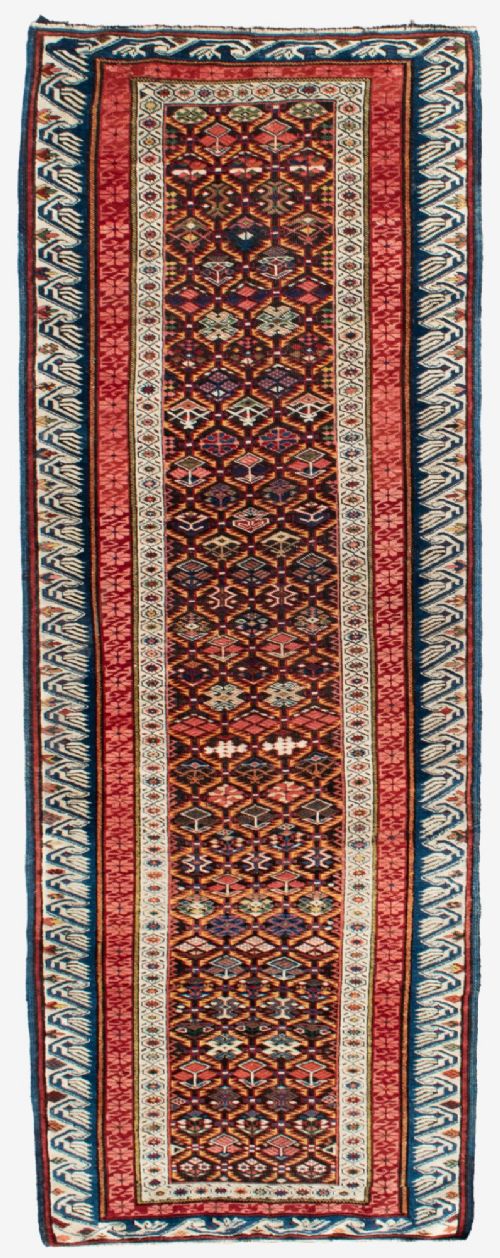
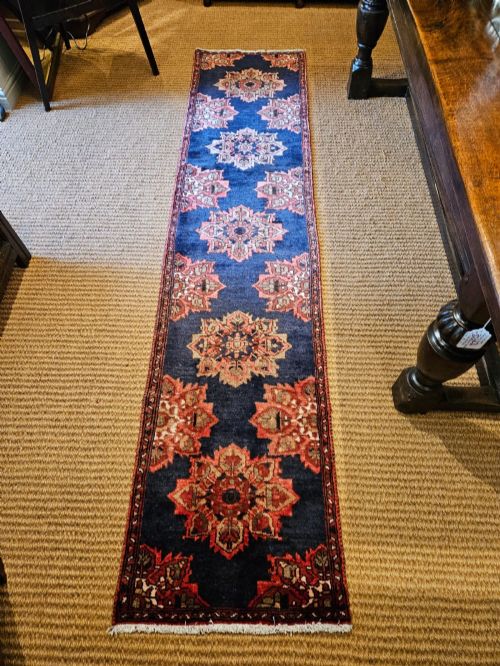
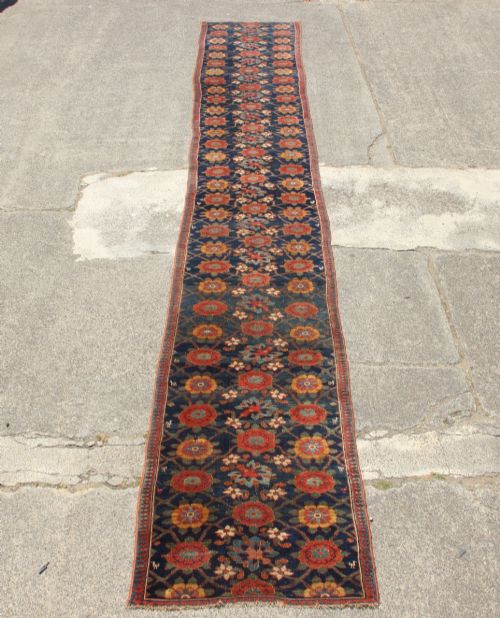
Long Hallway Runner Rug
A long hallway runner rug brings warmth and defined paths to corridors, spanning Persian, Caucasian, and tribal traditions from the late nineteenth and early twentieth centuries.
Long Hallway Runner Rug
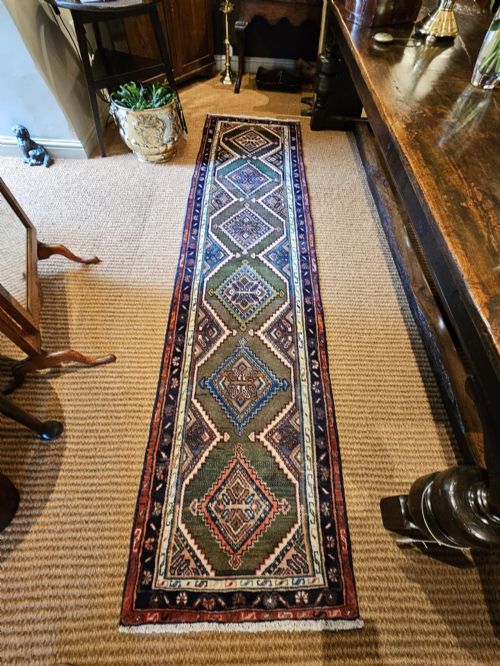
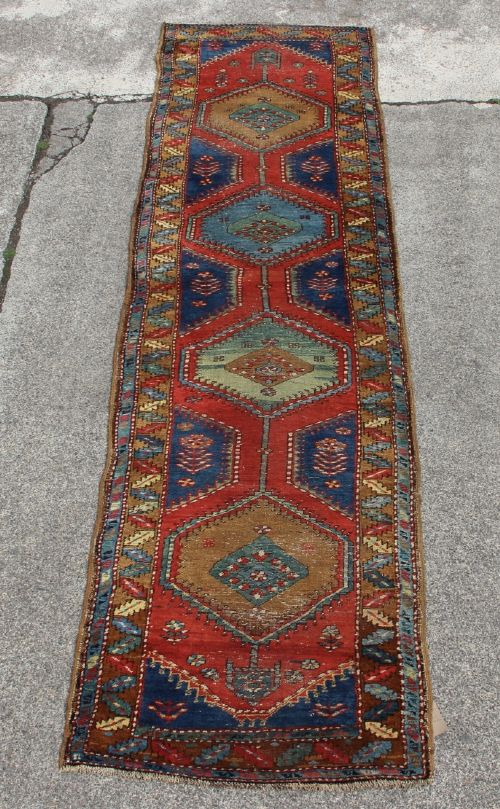
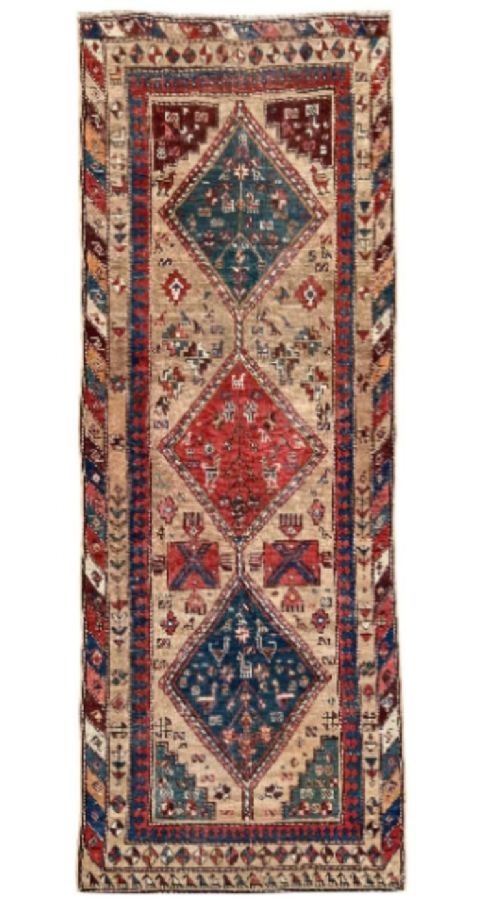
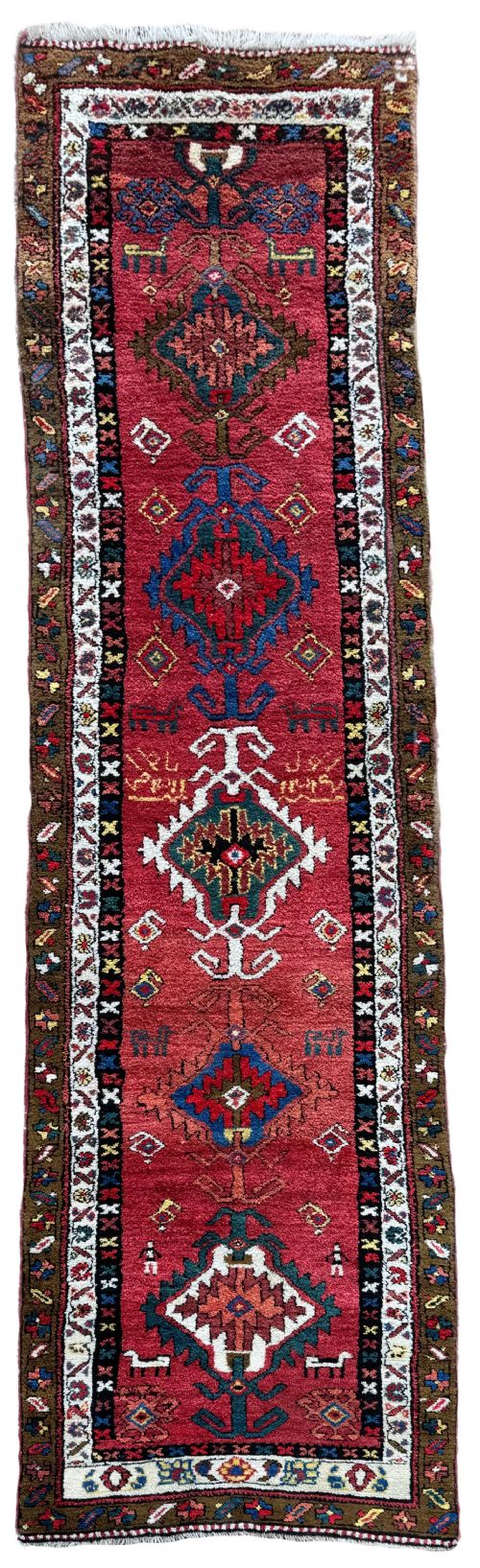
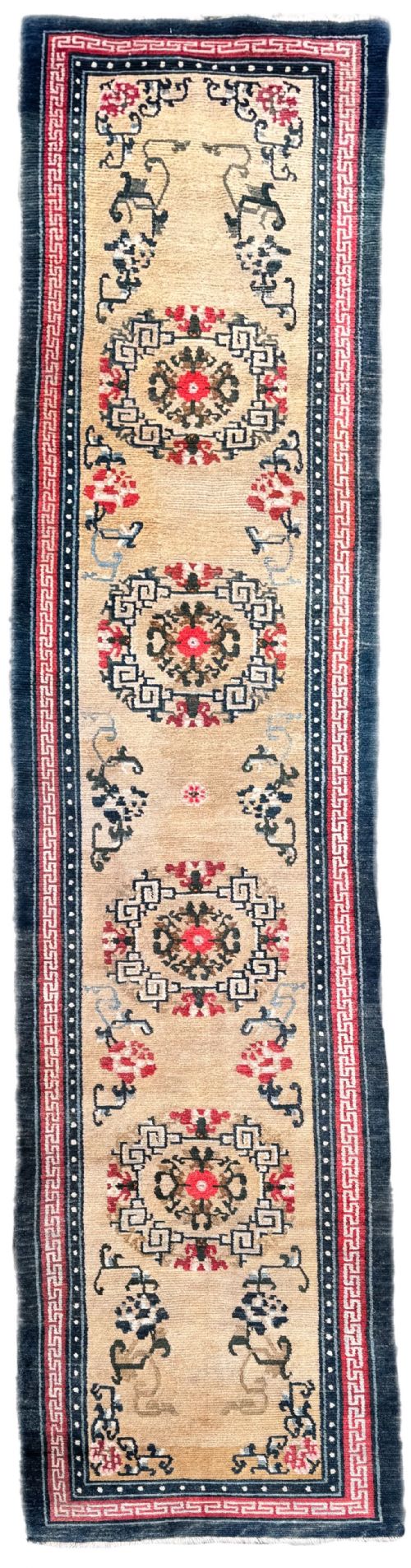
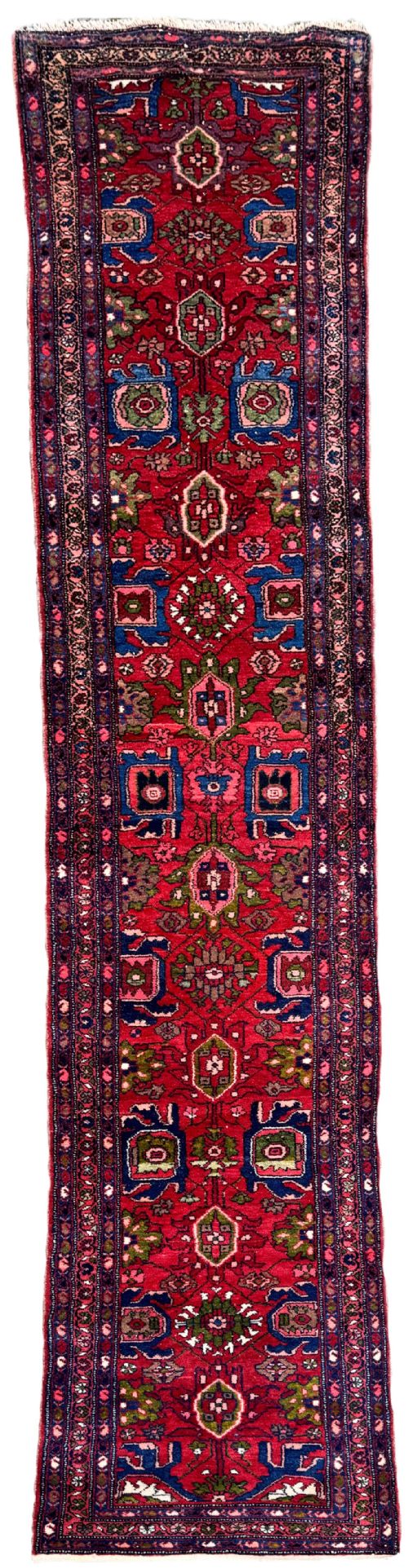
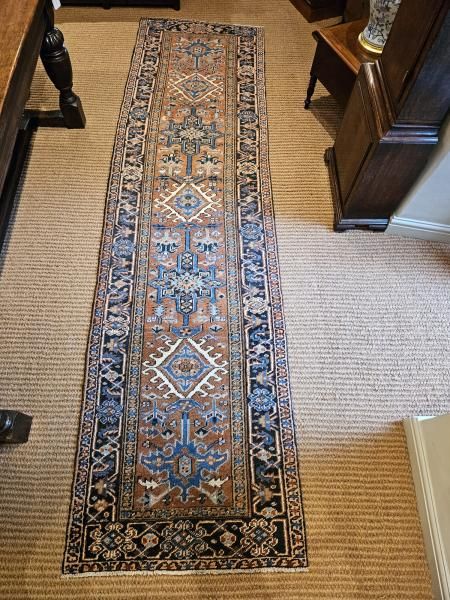
A long hallway runner rug is typically encountered as a narrow, elongated textile designed specifically for corridors and narrow passages. These pieces stretch significantly in length while maintaining a constrained width to fit domestic circulation spaces. The inventory on this page encompasses examples from the late nineteenth and early twentieth centuries, featuring Persian, Caucasian, and tribal designs.
Buyers searching for a long hallway runner rug will find varied geographic origins, including North West Persia, the Caucasus, Hastrud, Azeri regions, Kirman, and Shassavan weaving communities. Forms appear as runner rugs, rug runners, and flatwoven kilims in proportions suited to extended interior spaces. These textiles span periods from the eighteen-eighties through the nineteen-tens, reflecting distinct regional knotting and weaving traditions.
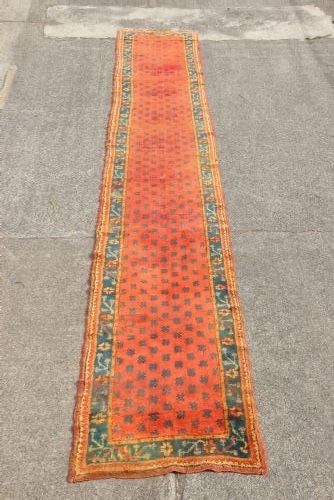
The selection ranges from traditional Persian compositions to Caucasian repeat medallion layouts and nomadic tribal interpretations. Particular pieces exhibit exceptionally long narrow proportions or distressed surfaces shaped by age and use. Each rug serves the practical function of covering hallway floors while displaying historic regional artistry.
How they were made
The construction of these runners relies on traditional textile materials recorded in the listings as wool and cotton. Weavers utilised wool for the pile and foundation yarns, providing resilience underfoot, while cotton frequently appears in the structural warp and weft foundations. Natural animal fibres and plant-based spinning methods formed the basis of these historic floor coverings.
Techniques vary from pile knotting to flatwoven kilim construction, depending on the tribal or regional workshop origin. Structural execution involves precise manual insertion of warps, wefts, and knots or interlocking flatweave techniques. These methods produced durable textiles capable of enduring decades of heavy corridor traffic.
Long Hallway Runner Rug Retail Price Guide 2026
Typical asking prices for long hallway runner rug among the pieces listed under this phrase on Sellingantiques today, from the lower quarter to the upper quarter. They describe what is for sale here now, not the wider market.
The listings span four decades of production from eighteen-eighty to nineteen-ten, utilising wool and cotton across Persian tribal and Caucasian styles.
What varies in quality
Quality in these runners is distinguished by the fineness of the weave and the precision of the tribal or regional design execution. Pieces with exceptionally tight knotting and clear geometric or medallion layouts represent the higher end of the range. The harmony and saturation of the natural dyes further elevate the aesthetic standing of a piece.
Proportions also influence the character of the runner, with unusually long and narrow formats demonstrating specialised weaving skill. The structural integrity of the wool pile and the condition of the cotton or wool foundation determine longevity. Distressed surfaces show the natural patina of age, where handling and wear alter the visual texture of the textile.
Ziegler
The Long Hallway Runner Rug Glossary
- Runner
- A long, narrow carpet designed for corridors, hallways, and stairs. This format bridges spaces by providing a linear path of textile art.
- Kilim
- A flatwoven textile produced without a pile by tightly interweaving warp and weft strands. This technique creates a lightweight, durable floor covering with sharp geometric patterns.
- Medallion
- A central decorative motif placed symmetrically within the field of a rug. It acts as the visual focal point of the composition.
- Warp
- The stationary vertical threads stretched across a loom that form the structural skeleton of a woven rug. All knots and wefts are tied or passed through these foundational strands.
- Weft
- The horizontal threads passed across the warp strands to secure the knots and bind the structure together. They stabilize the width of the textile during production.
Long Hallway Runner Rug: Frequently Asked Questions
What is a long hallway runner rug?
A long hallway runner rug is a narrow, elongated textile designed to fit corridors and passageways. These pieces protect flooring and add decorative warmth to transition spaces.
Items in this category include antique Persian, Caucasian, and tribal examples produced between eighteen-eighty and nineteen-ten. They come in knotted pile and flatwoven kilim structures.
How do I choose the right width?
Selecting the proper width depends on the specific dimensions of your corridor and the surrounding skirting boards. Measure the clear floor space to ensure the runner leaves a balanced border of exposed flooring on either side.
Listings specify exact dimensions, such as narrow proportions or specific centimetre and metre measurements, allowing precise matching to hallway layouts.
Where were these runners made?
These runners originate from traditional weaving centres and nomadic regions including North West Persia, the Caucasus, and Azeri tribal areas. Specific regional hubs like Kirman and Hastrud also produced distinct weaving styles.
Each geographic origin imparts unique characteristics in design vocabulary, colour palettes, and structural techniques.
What materials are used in antique runners?
Antique runners are constructed primarily from wool and cotton. Wool is used for the durable surface pile and structural elements, while cotton often forms the foundation warps and wefts.
These natural materials provide the structural strength necessary for high-traffic hallway environments.
How do I care for an antique runner?
Caring for an antique runner involves gentle vacuuming without a rotating brush bar to protect the historic wool pile. Professional cleaning suited for antique textiles preserves the integrity of the natural fibres.
Using an appropriate underlay beneath the runner prevents slipping and reduces friction against the floorboards.